
Why a Denied Smoke Damage Insurance Claim May Not Be the Final Word
A denied smoke damage insurance claim is not necessarily the end of the road, because at least one federal court has ruled that smoke infiltration can qualify as real, physical damage to property — directly contradicting the “no physical damage” reasoning insurers often use to deny these claims. That means a denial can be challenged, and sometimes reversed.
Key takeaways
- A federal court in Oregon Shakespeare Festival Ass’n v. Great American Insurance Co. ruled that wildfire smoke infiltrating a property counts as ‘direct physical loss or damage’ — not a mere inconvenience.
- Smoke that alters the air, surfaces, or usability of a home or business can qualify as physical damage even when nothing is burned or visibly destroyed.
- An insurer’s denial letter saying smoke ‘isn’t physical damage’ is an opinion that can be challenged — courts have sided with policyholders on this exact question.
- North Carolina home and business owners should have a smoke damage denial reviewed before accepting it, because policy language and case law may support coverage.
- Documenting odors, soot, residue, air quality issues, and cleaning or remediation needs early strengthens a disputed smoke damage insurance claim.
If you’ve opened a denial letter telling you that smoke in your home or building doesn’t count as covered damage, you’re not alone — and you shouldn’t assume the insurance company’s first answer is the correct one. Insurers frequently argue that because smoke doesn’t break walls or burn structures, it isn’t “direct physical loss or damage” under the policy. Courts have not always agreed with that position.
The Court Case That Changed the Conversation
In Oregon Shakespeare Festival Association v. Great American Insurance Co., a federal court in Oregon sided with the policyholder after wildfire smoke infiltrated the theater’s property. The insurer argued the smoke caused no physical damage. The court disagreed, finding that smoke particles physically entered and altered the property — and that this constituted direct physical loss or damage under the policy. The insured won. We’ll unpack that ruling in detail in the next section, but the takeaway is simple: the “smoke isn’t physical damage” argument has been tested in court and lost.
Why This Matters for North Carolina Property Owners
North Carolina sees its share of wildfires, particularly in dry fall and spring seasons, and smoke can travel for miles — seeping into homes, HVAC systems, insulation, and personal belongings far from the flames. If your property smells of smoke, has soot residue, or has contaminated ductwork, that is a real condition affecting real property. Working with an experienced Public Adjuster in Garner or elsewhere in the Triangle can help you document that damage properly before the insurer’s narrative takes hold.
What a Denial Really Means
A denial is the insurer’s opinion of your claim — not a court ruling and not a final verdict. Keep these points in mind:
- Denials based on “no physical damage” rely on a legal interpretation that courts have rejected in smoke cases.
- You typically have the right to dispute the denial, submit additional evidence, and request a re-evaluation.
- Independent documentation — soot testing, odor assessments, HVAC inspections — can change the outcome.
- Licensed professionals can advocate on your behalf during that process.
Throughout this article, we’ll look at how that theater company beat its insurer, why smoke genuinely is physical damage, and what steps North Carolina policyholders should take after a denial. Property owners in rural Chatham County communities are often hit hardest by brush and wildfire smoke, which is why many turn to a Public Adjuster in Siler City NC for help leveling the playing field. The bottom line: before you accept a denial, understand that the law may be more on your side than your insurer suggests.
How Did a Theater Company Beat Its Insurer Over Wildfire Smoke?
In Oregon Shakespeare Festival Association v. Great American Insurance Co., a federal court ruled that wildfire smoke infiltrating an open-air theater constituted “direct physical loss or damage” under the policy. The insurer had denied the claim, but the judge found that smoke particles physically altering the property was real damage — not a mere inconvenience.
The story behind the ruling is one every property owner should know. The Oregon Shakespeare Festival operates a famous open-air theater, and during wildfire season, thick smoke from nearby fires drifted into the venue. The air became so unhealthy and the conditions so poor that the festival was forced to cancel performances, losing significant revenue. The festival filed a claim with its insurer, Great American Insurance Company, expecting coverage for the interruption to its business.
The Insurer Said No — the Court Said Otherwise
Great American denied the claim, arguing that smoke in the air did not amount to “direct physical loss of or damage to” the property, which the policy required before coverage kicked in. In the insurer’s view, nothing was broken, burned, or structurally harmed — so there was nothing to pay.
The federal judge disagreed. The court reasoned that the smoke was not an abstract condition; it was made up of actual particles that entered the theater, settled on surfaces and seating, and rendered the space unusable for its intended purpose. Key takeaways from the ruling include:
- Smoke is physical. Microscopic smoke and soot particles infiltrating a building are a tangible, physical intrusion — not just bad air outside.
- Damage doesn’t require destruction. Property can suffer “direct physical loss or damage” even when the structure itself isn’t charred or collapsed.
- Loss of use mattered. Because the smoke made the property unfit for normal use, the court found the policy’s threshold for coverage was met.
Why This Case Matters for Your Smoke Damage Insurance Claim
This decision is powerful ammunition for policyholders. Insurers often lean on the argument that smoke residue, odor, and soot are “cosmetic” or temporary. The Oregon Shakespeare Festival case shows that courts can — and do — reject that reasoning when smoke physically invades a property. If your smoke damage insurance claim was denied on similar grounds, the denial letter is not necessarily the final answer. A fire damage insurance claim adjuster in Rolesville can evaluate whether your policy language and the facts of your loss support a stronger position than the insurer admitted.
While this ruling came from an Oregon federal court and isn’t binding in every state, the logic travels well: smoke that infiltrates a home or building causes real, physical harm. Homeowners here in North Carolina have faced similar pushback from insurers after house fires and nearby wildfires, and a licensed, bonded public adjuster in Siler City NC can help document that damage the way courts have recognized it — as genuine physical loss.
Is Smoke Damage Really ‘Physical Damage’ to a Home or Building?
Yes. Smoke causes genuine physical damage because it deposits microscopic soot, acidic residue, and odor-carrying particulates onto and into building materials. These contaminants embed in drywall, insulation, ductwork, and contents, physically altering the property’s condition. Courts have repeatedly recognized that this contamination is real damage — not a cosmetic nuisance that simply airs out on its own.
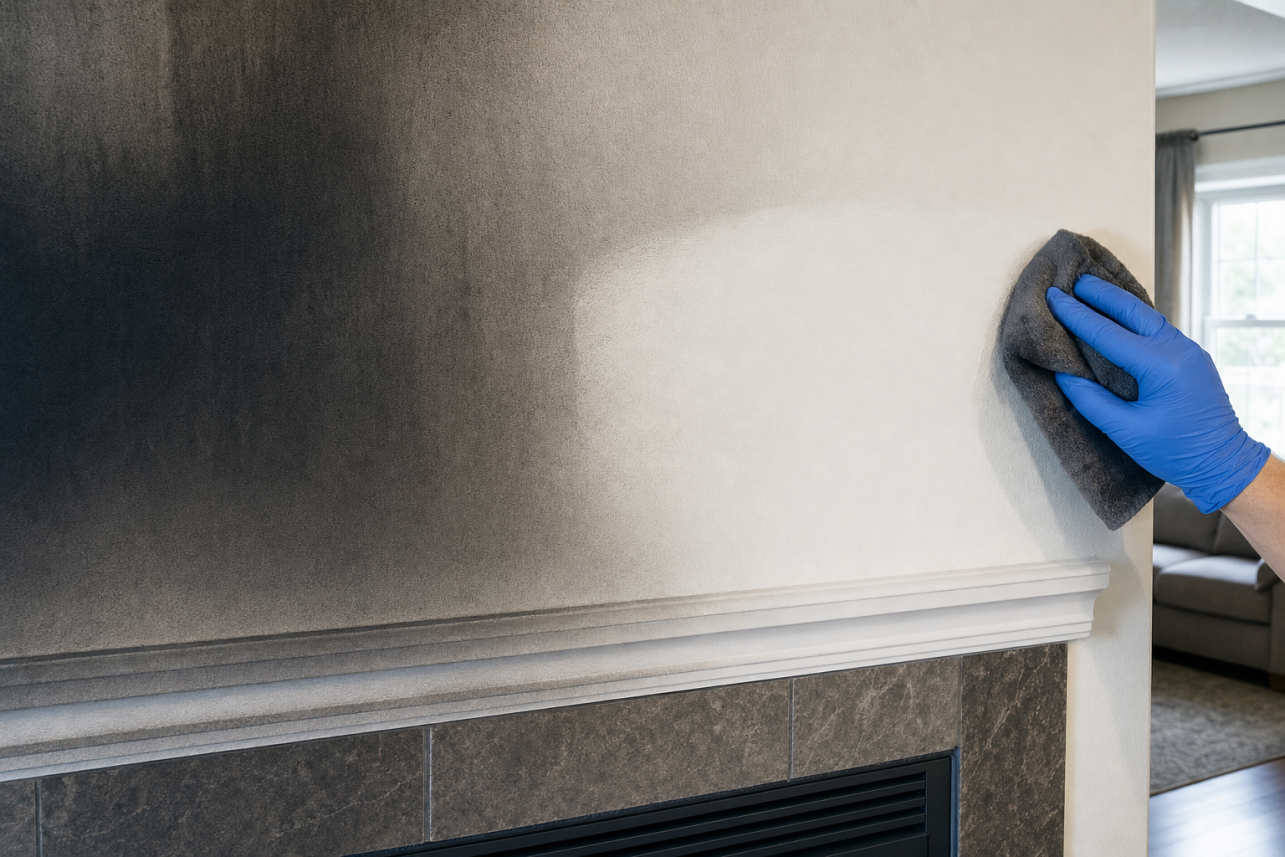
When an insurer denies a smoke damage insurance claim by arguing that “nothing was actually damaged,” they are relying on what you can see with the naked eye. But smoke damage happens at a scale you often cannot see. Smoke is made up of tiny particles — many smaller than a grain of pollen — combined with gases and corrosive compounds created by whatever burned. Those particles do not politely sit on surfaces waiting to be wiped away.
Where Smoke Physically Embeds in a Building
- Drywall and paint: Porous wall surfaces absorb soot and odor compounds, which can bleed back out for months if not properly remediated.
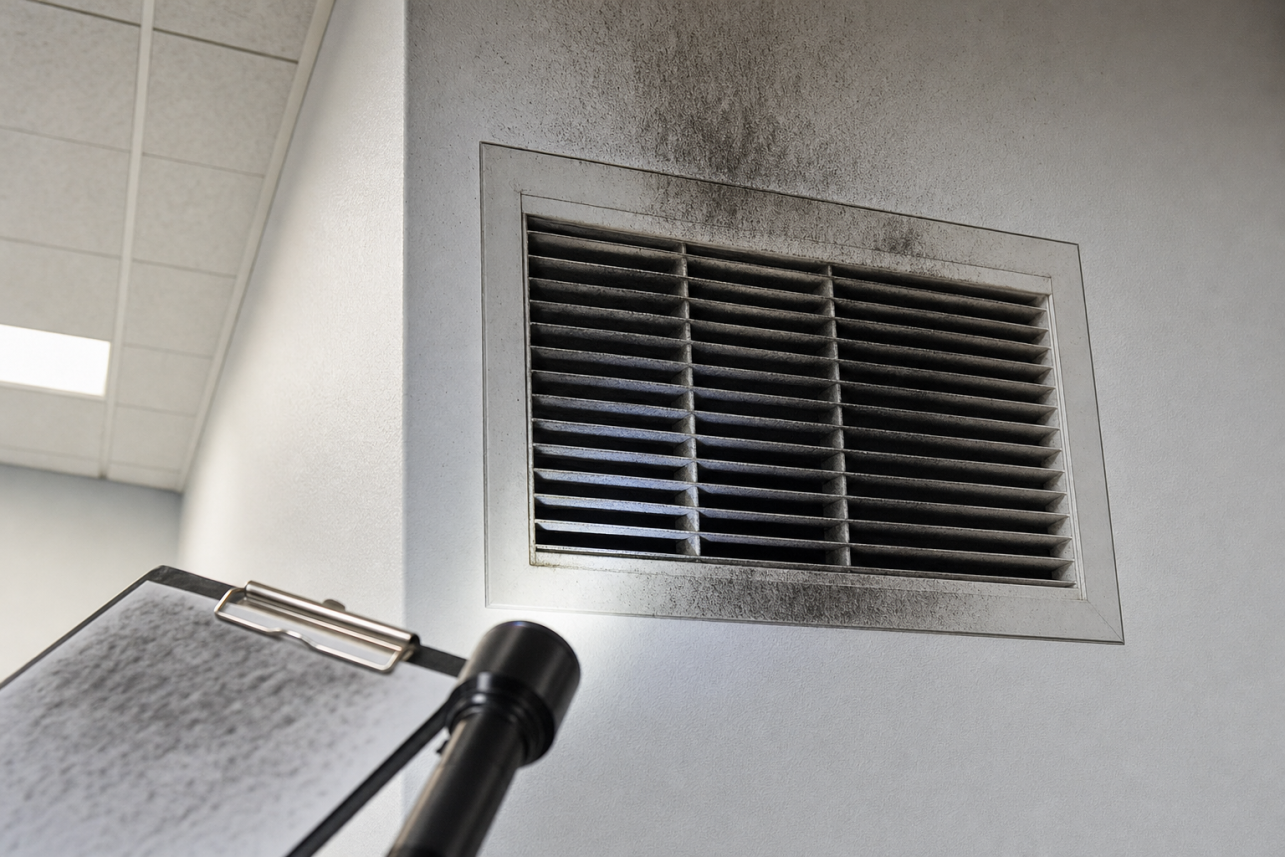
- HVAC systems and ductwork: Air handlers pull smoke through the entire system, coating ducts and coils and redistributing contamination every time the unit runs.
- Insulation: Attic and wall insulation acts like a filter, trapping particulates that cannot be cleaned — it typically must be removed and replaced.
- Fabrics and soft contents: Carpet, upholstery, curtains, mattresses, and clothing hold soot and odor deep in their fibers.
- Metals and electronics: Acidic smoke residue is corrosive and can etch metal finishes and degrade circuit boards over time.
Courts Have Said Odor and Residue Count as Physical Damage
This is not just a remediation-industry talking point. In Farmers Insurance Co. of Oregon v. Trutanich, an Oregon appellate court held that a pervasive odor that had permeated a house constituted direct physical damage to the property, because the odor physically changed the home’s condition and required real work to remove. The policyholder prevailed. The same logic applies to smoke: if soot and odor have altered your walls, air system, and belongings, the damage is physical — even if the structure never caught fire. Experienced professionals, like a fire damage insurance claim adjuster in Rolesville, document exactly this kind of hidden contamination when building a claim.
Why “Just Air It Out” Fails as an Argument
Opening windows may reduce the smell temporarily, but it does nothing about soot embedded in porous materials, corrosive residue on metal and electronics, or particulates trapped in insulation and ducts. Proper remediation often involves sealing, cleaning or replacing materials, and treating the HVAC system — real costs flowing from real damage. If your insurer is minimizing that reality, a licensed and bonded public adjuster near Bynum NC can help ensure the full scope of contamination is professionally documented rather than dismissed.

Why Do Insurers Deny Smoke Damage Insurance Claims in North Carolina?
Insurers most often deny a smoke damage insurance claim by arguing the damage is merely cosmetic or odor-only, that smoke from a distant fire doesn’t count as direct physical loss, or by skipping proper testing and offering a cheap surface cleaning instead of full remediation. These are negotiating positions — not final rulings on your coverage.
North Carolina sees real smoke exposure every year. Western NC wildfire season sends smoke drifting across the mountains and foothills in the fall, chimney and flue fires push soot and creosote-laden smoke through living spaces, and neighboring leaf and brush burns can fill a home with smoke even when no flame ever touches the property. Insurers know these claims are common — and they have a well-worn playbook for minimizing them.
Common Denial Tactics Property Owners See
- “It’s just cosmetic” or “it’s only an odor.” Adjusters may characterize soot staining and smoke smell as a nuisance rather than damage, even though soot residue is acidic and can corrode metals, etch finishes, and embed in drywall, insulation, and HVAC systems.
- “The fire wasn’t on your property.” Some carriers argue smoke that drifted from a wildfire, brush burn, or neighbor’s structure fire isn’t a covered peril. Most policies cover smoke as a named peril or as direct physical loss — the source being miles away doesn’t automatically defeat the claim.
- Inadequate or no testing. A quick visual walkthrough can miss soot, char, and ash particles inside wall cavities, ductwork, attic insulation, and soft contents. Without laboratory testing of wipe or air samples, the insurer’s “no damage found” conclusion rests on guesswork.
- Lowball cleaning-only estimates. Offering a few hundred dollars for a wipe-down when the home actually needs HVAC decontamination, sealing, repainting, insulation replacement, or contents restoration is one of the most frequent shortfalls we see.
Why Documentation Gaps Favor the Insurer
Many denials stand simply because the policyholder didn’t have independent evidence to push back. Carriers rely on their own adjuster’s brief inspection, and if nothing contradicts it, the denial sticks. That’s why experienced help matters — a fire damage insurance claim adjuster in Clayton who works for the policyholder can commission proper testing and build an estimate that reflects the true scope of remediation.
The same tactics show up across the state, from mountain communities dealing with wildfire smoke to Triangle-area homes affected by chimney fires and seasonal burning. If your claim was denied or underpaid, a licensed public adjuster in Pittsboro NC can review the denial letter, identify where the insurer’s investigation fell short, and document the damage the first inspection missed. A denial based on thin evidence is often the starting point of the claim — not the end of it.
What Should I Do If My Smoke Damage Insurance Claim Is Denied?
If your smoke damage insurance claim is denied, request the denial in writing, preserve the evidence before any cleaning, arrange independent soot and particulate testing, document your contents and HVAC system, and review your policy’s exact wording. Then consider having a licensed public adjuster test the denial. A denial is a position, not a verdict.
Insurers sometimes reverse course when a policyholder pushes back with documentation. Courts have sided with policyholders on smoke claims before, so treating the denial as the start of a process — rather than the end of one — is often the smartest mindset. Here is how to build that process step by step.
1. Get the Denial in Writing
Ask the insurer to state, in writing, the specific policy language and factual reasons for the denial. Vague phone explanations are hard to challenge. A written denial pins the company to a position you can test against the actual policy wording and the physical evidence.
2. Preserve Evidence Before You Clean
It is tempting to scrub soot off walls and air out the house immediately. Do what is needed for safety, but photograph and video everything first — walls, ceilings, closets, attic spaces, window sills, and furnishings. Keep soiled filters, damaged items, and cleaning rags. Once the evidence is gone, it is gone.
3. Obtain Independent Soot and Particulate Testing
An environmental hygienist or testing lab can take surface wipe samples and air samples to identify char, soot, and combustion particulates. Independent lab results are often the single most persuasive piece of evidence that smoke caused real, physical contamination — not just an odor.
4. Document Contents and HVAC Contamination
- Inventory affected contents room by room, with photos and estimated values.
- Have the HVAC system and ductwork inspected; smoke residue circulates and settles throughout duct systems.
- Keep every receipt for inspections, temporary cleaning, and related expenses.
5. Review the Policy Language Carefully
Read the definitions of “physical loss or damage,” any pollution or contamination exclusions, and your deadlines for appraisal or suit. Denials sometimes rest on an interpretation of these clauses that the facts — and sometimes the courts — do not support.
6. Bring in a Licensed Professional to Test the Denial
A licensed, bonded public adjuster works for you, not the insurance company, and can re-inspect the property, commission testing, and present a documented counter-claim. If your loss stems from a fire or wildfire event, an experienced fire damage insurance claim adjuster in Clayton can evaluate whether the denial actually holds up against the evidence.
Policyholders in other parts of the Triangle have the same option — for example, working with a public adjuster in Hillsborough to review the denial letter and policy side by side. To be clear, no one can guarantee a specific outcome, but a well-documented, professionally presented claim gives you the fairest possible review.
How Can a North Carolina Public Adjuster Help With a Smoke Damage Insurance Claim?
A public adjuster works only for you, the policyholder — never the insurance company. They review your policy language, independently document and measure the smoke damage, prepare a detailed scope of loss, and negotiate directly with the carrier on your behalf, with the goal of pursuing a fair settlement under the terms of your policy.
A Thorough Policy Review Comes First
Insurance policies are dense legal contracts, and smoke claims often turn on how terms like “direct physical loss” are interpreted. A public adjuster reads your full policy — including endorsements and exclusions — to identify every coverage that may apply, from structural cleaning to contents, odor remediation, and additional living expenses. Many policyholders never realize certain coverages exist until a professional points them out.
Independent Documentation and Scope of Loss
When a carrier’s adjuster says “we don’t see any damage,” independent evidence matters. A public adjuster builds the file the insurer should have built, which may include:
- Room-by-room inspection notes and photo documentation of soot, residue, and staining
- Testing or sampling referrals where appropriate to confirm smoke and soot contamination
- A line-item estimate covering cleaning, sealing, repainting, HVAC remediation, and contents restoration
- An inventory of damaged personal property, including items that absorb odor such as textiles and upholstery
This kind of detailed scope of loss is often the difference between a dismissed claim and a documented one. Smoke-related losses frequently sit alongside fire losses, which is why an experienced fire damage insurance claim adjuster in Clayton will evaluate both the visible burn damage and the less obvious smoke contamination throughout the property.
Negotiating With the Carrier on Your Behalf
Once the damage is documented, the public adjuster presents the claim to the insurer, responds to pushback, and handles the back-and-forth so you don’t have to argue with a claims department alone. While no one can guarantee a specific outcome, having a knowledgeable advocate levels the playing field considerably.
Why Licensed and Bonded Matters
In North Carolina, public adjusters must be licensed, and reputable firms are bonded as well. Licensing means the adjuster has met state requirements and is accountable to regulators — you can verify a license through the North Carolina Department of Insurance. The National Association of Insurance Commissioners also offers consumer resources explaining your rights during the claims process. We are licensed and bonded, and we encourage every policyholder to confirm those credentials before hiring anyone.
Don’t Accept a Questionable Denial
If your smoke damage insurance claim was denied with little explanation or a cursory inspection, that denial deserves a second look. Whether your property is in the Triangle or a smaller community, a local public adjuster in Pittsboro NC can review the denial letter, inspect the damage firsthand, and tell you honestly whether the claim is worth pursuing. A free review costs you nothing — accepting a wrongful denial could cost you a great deal.
Smoke Damage Insurance Claim: How Insurers Often Describe It vs. What the Court Found
| Issue | Common Insurer Position | Court’s View in Oregon Shakespeare Festival v. Great American |
|---|---|---|
| Is smoke ‘physical’ damage? | No — it’s temporary, intangible, or just an odor | Yes — smoke physically infiltrated the premises, causing direct physical loss or damage |
| Must something be burned or destroyed? | Coverage requires visible, structural harm | No — altering the property and making it unusable can be enough |
| Loss of use of the property | Inconvenience, not a covered loss | Smoke rendered the theater unusable for its intended purpose, supporting coverage |
| What should a policyholder do after denial? | Accept the decision as final | Denials based on ‘no physical damage’ can and should be tested against the policy and case law |
Illustrative Example: A Denied Smoke Claim Given a Second Look
Illustrative example
Consider a hypothetical composite scenario: a western North Carolina homeowner’s house fills with thick smoke from a nearby wildfire, leaving persistent odor, soot film on walls and contents, and an HVAC system circulating contaminated air. The insurer denies the smoke damage insurance claim, stating there is no ‘physical damage’ because the structure never caught fire. After a professional review documents the soot residue, contaminated ductwork, and affected contents — and points to court decisions like Oregon Shakespeare Festival v. Great American recognizing smoke infiltration as direct physical loss — the claim is resubmitted with proper evidence. In scenarios like this, a well-documented, properly presented dispute can lead the insurer to reconsider its position, though every claim depends on its own policy language and facts.
Frequently asked questions
Why was my smoke damage insurance claim denied if there was never a fire on my property?
Insurers often argue smoke from a distant fire isn’t ‘direct physical loss or damage’ to your property. Courts have rejected that logic. In Oregon Shakespeare Festival Association v. Great American Insurance Co., a federal judge ruled that wildfire smoke infiltrating a property is real physical damage, not a mere inconvenience. If your denial letter uses similar reasoning, that argument has already lost in court and deserves to be challenged, not accepted.
Does homeowners insurance cover smoke damage from a wildfire that was miles away?
In most cases, yes. Standard homeowners and commercial property policies list fire and smoke as covered perils, and nothing requires the flames to touch your property. What matters is whether smoke actually entered and affected your home, building, or contents — soot on walls, odor in fabrics, residue in HVAC systems. Read your policy’s actual language before assuming distance disqualifies you, because the smoke itself is the covered damage.
What should I do first if my smoke damage claim gets denied?
Request the denial in writing and ask the insurer to cite the exact policy language supporting it. Then document everything: photos of soot and residue, a list of affected contents, and professional inspection or air-quality reports if available. Don’t throw away damaged items yet. A written denial plus solid documentation gives you the foundation to appeal, bring in a licensed public adjuster, or pursue legal review.
How do I prove smoke damage is physical damage and not just a smell?
Physical evidence wins these disputes. Soot and ash residue on surfaces, discoloration, contaminated insulation, residue inside ductwork, and lab testing of wipe samples all demonstrate a physical alteration to the property. Courts have agreed — in Farmers Insurance Co. of Oregon v. Trutanich, an Oregon court found that a persistent odor permeating a house constituted direct physical loss. Professional testing and detailed photos make your claim far harder to dismiss.
What does smoke damage restoration typically include that insurance should pay for?
A properly adjusted claim can include cleaning or sealing walls and ceilings, deodorizing or replacing soft contents like furniture and clothing, cleaning HVAC systems and ductwork, repainting, and in serious cases replacing insulation or drywall that absorbed contaminants. Business policies may also cover lost income if smoke made the premises unusable. Insurers sometimes offer surface cleaning only, so make sure the scope reflects everything the smoke actually reached.
How long does it take to fight a denied smoke damage claim?
It varies with the path you take. A supplemental claim or internal appeal with strong new documentation can resolve in weeks to a few months. Appraisal or litigation takes longer. What matters most is acting promptly — policies contain deadlines for disputing decisions and filing suit, and evidence fades as properties get cleaned. Start the clock working in your favor by documenting and responding quickly rather than letting the denial sit.
What are the biggest mistakes people make after smoke damage?
The most common: cleaning everything before documenting it, discarding smoke-damaged contents without an inventory, accepting the first offer or denial as final, and describing the loss as ‘just a smell’ to the adjuster. Another costly error is skipping professional testing — soot residue is often invisible but measurable. Finally, many people simply miss policy deadlines. Document first, preserve evidence, and get the denial reasoning in writing before you agree to anything.
Should I hire a public adjuster or a lawyer for a denied smoke claim?
It depends on where the dispute stands. A licensed public adjuster works on your behalf to document, value, and negotiate the claim — often the right first step when the insurer undervalued or wrongly characterized the damage. If the insurer refuses to budge on a legal question, like whether smoke counts as physical damage, an attorney may be needed. Many policyholders start with a public adjuster and escalate only if necessary.
Can smoke damage really make a building unsafe or unusable?
Yes. Smoke carries fine particulates and chemical residues that settle into porous materials, ductwork, and insulation, and can pose health concerns long after the air clears. Courts have recognized this for decades — in Western Fire Insurance Co. v. First Presbyterian Church, a Colorado court held that fumes rendering a church building unusable constituted direct physical loss, and the insured won. Unusable is damaged, whether or not anything burned.
Is it worth disputing a small smoke damage claim, or should I just let it go?
Smoke claims are frequently worth more than they first appear. Hidden residue in HVAC systems, attic insulation, and soft furnishings often goes unnoticed until a professional inspection, meaning the ‘small’ claim was never fully scoped. Before walking away, get the property properly evaluated and compare that to what the insurer offered or denied. No outcome can be guaranteed, but a denial based on ‘it isn’t physical damage’ is worth testing.
Flood Insurance Claim help near you
Related local pages
Had a smoke damage claim denied or lowballed in North Carolina? Our licensed and bonded public adjusters will review your denial letter and policy at no obligation — before you accept the insurer’s answer as final. Get in touch.
Last updated: November 8, 2026