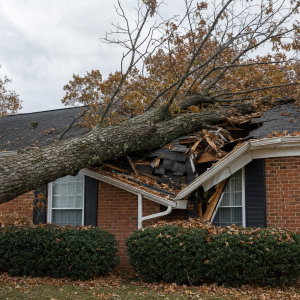

Lowballed by the NC Beach Plan? You Have More Rights Than You Think With NC Beach Plan Claims
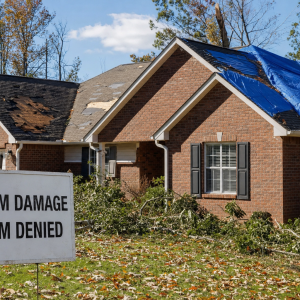
When it comes to NC Beach Plan claims, the Beach Plan is not above the law — coastal policyholders have the legal right to challenge unfair or lowball settlement offers. One Outer Banks family proved this all the way to the North Carolina Supreme Court, and with fall storm season approaching, knowing your rights has never been more urgent.
Key takeaways
- In Gray v. North Carolina Insurance Underwriting Association (2003), the NC Supreme Court confirmed that homeowners can pursue bad-faith and unfair trade practices claims against the Beach Plan after a lowballed Hurricane Fran home damage payout.
- Even as the state’s insurer of last resort, the NC Beach Plan owes coastal policyholders the same duty of good faith and fair dealing as any private carrier.
- A low first offer on a Beach Plan or FAIR Plan claim is a starting point, not a final answer — NC law gives policyholders real leverage to push back.
- Unfair trade practices claims under NC law can expose an insurer to treble damages, which is a powerful incentive for carriers to settle home and building claims fairly.
- Experienced public adjusters document and value Beach Plan claims with the same scrutiny applied to private carriers, because the legal standard of fair dealing is the same.
Many coastal homeowners assume that because the North Carolina Insurance Underwriting Association — better known as the Beach Plan — is the state’s insurer of last resort, its settlement decisions are final. That assumption costs families real money. In Gray v. North Carolina Insurance Underwriting Association, the North Carolina Supreme Court sided with an Outer Banks family whose hurricane damage claim had been handled unfairly, confirming that the Beach Plan can be held accountable for bad-faith claims practices just like any private insurance company. The insured homeowners won, and that precedent still protects coastal policyholders today.
What This Means for You Right Now
If your hurricane or storm damage settlement came back far below what repairs will actually cost, you do not have to simply accept it. You have several options, including:
- Requesting a detailed written explanation of how the Beach Plan calculated your settlement offer.
- Documenting your own damages with photos, contractor estimates, and a complete inventory of damaged contents.
- Hiring a licensed public adjuster to represent your interests, re-inspect the damage, and negotiate on your behalf.
- Pursuing legal remedies if the claim was handled in bad faith — a path the courts have already confirmed is open to Beach Plan policyholders.
Public adjusters work for policyholders, never the insurance company, and that distinction matters enormously when you are facing a take-it-or-leave-it offer. Whether you work with a Public Adjuster in Garner or a firm closer to the coast, the goal is the same: a properly documented claim that reflects the true cost of putting your home and belongings back the way they were.
Why Timing Matters This Fall
Hurricane season peaks in late summer and early fall, and the Outer Banks sits squarely in the path of Atlantic storms. The time to understand your policy, photograph your property, and know who to call is before the next named storm makes landfall — not while you are standing in a flooded living room. Licensed and bonded professionals, like a Public Adjuster in Moncure NC, help homeowners across North Carolina prepare for and push back against undervalued claims. No one can promise a specific outcome, but you deserve an advocate who makes sure every covered dollar of damage is actually on the table.
The rest of this article walks through how the Beach Plan works, what the Gray ruling means for your claim today, and the concrete steps Outer Banks homeowners should take this fall.
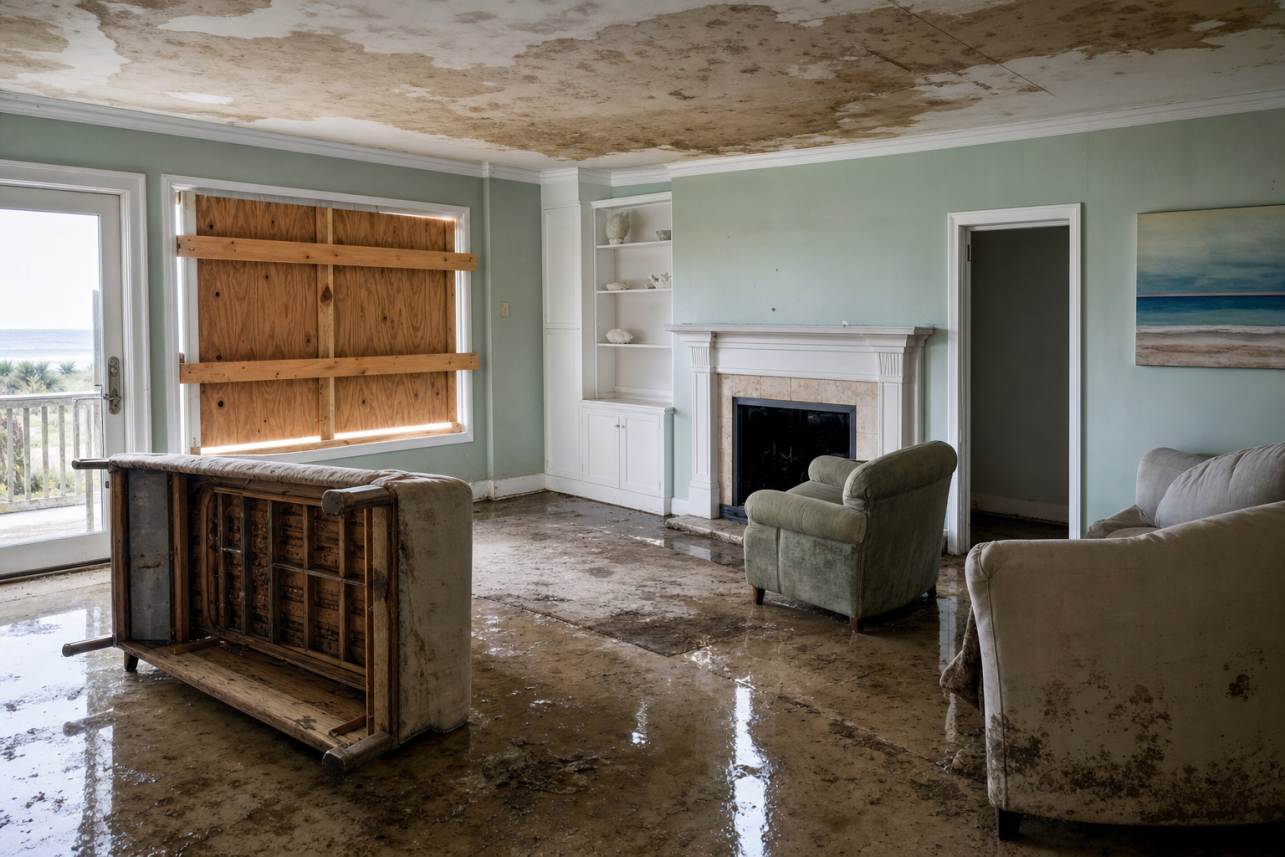
What Is the NC Beach Plan and Why Do Coastal Homeowners End Up On It?
The NC Beach Plan is the common name for the North Carolina Insurance Underwriting Association (NCIUA), a state-created insurer of last resort. It provides windstorm, hail, and essential property coverage to homeowners in the Outer Banks and other coastal areas when private insurance companies refuse to write or renew policies there.
If you own property east of the Intracoastal Waterway or in one of North Carolina’s designated beach and coastal counties, there’s a good chance you didn’t choose the Beach Plan — it chose you. Private carriers have steadily pulled back from hurricane-exposed areas, leaving the NCIUA as the only realistic option for many families. The Beach Plan isn’t a charity or a government handout; it’s an association funded by the insurance companies doing business in North Carolina, created by the legislature so coastal property wouldn’t become uninsurable.
What the Beach Plan Typically Covers
- Wind and hail coverage — the hurricane-driven damage private insurers most often exclude on the coast
- Full homeowners-style policies in beach territories, covering the dwelling, other structures, and contents
- Dwelling and commercial property coverage for rental homes, condos, and coastal businesses
It does not cover flood or storm surge — that falls to flood insurance — which is one reason so many hurricane claims turn into disputes over what was wind damage versus water damage. That dividing line is where NC Beach Plan claims so often get complicated, and where policyholders need to understand exactly what their policy promises.
The Myth: “You Can’t Fight a Quasi-Public Insurer”
Because the Beach Plan was created by statute, many homeowners assume it operates like a government agency whose decisions are final. That’s a misconception. The NCIUA issues a contract of insurance, and like any insurer, it is bound by the terms of that contract and by North Carolina law. Policyholders retain the right to dispute an inadequate estimate, demand a proper investigation, invoke appraisal where available, and pursue legal remedies when a claim is wrongly denied or underpaid. North Carolina courts have made clear that the Beach Plan can be held to account like any other insurer — a point we cover in detail in the section on the Gray ruling below.
Many policyholders only discover their rights after a frustrating lowball offer. That’s often when they first talk to a licensed professional, such as a Public Adjuster in Garner, who works exclusively for the policyholder rather than the insurance company.
And it’s not just full-time coastal residents who face this. Plenty of inland North Carolinians own beach houses and rental properties insured through the Beach Plan. A homeowner working with a Public Adjuster in Fuquay-Varina NC may be fighting over an Outer Banks cottage three hours away. Wherever you live, if the NCIUA insures your coastal property, you have the same contractual rights as any policyholder — and the same ability to push back.
Can the Beach Plan Really Lowball My Hurricane Claim?
Yes — and North Carolina’s highest court has confirmed that when it happens, homeowners can fight back. In Gray v. North Carolina Insurance Underwriting Association, the NC Supreme Court ruled that the Beach Plan can be sued for bad faith and unfair trade practices when it unreasonably underpays a hurricane damage claim.
The Beach Plan is not an ordinary insurance company, and for years it argued that its unusual status shielded it from the consequences other insurers face when they mishandle claims. The Gray case put that argument to rest — and it started with an ordinary family and a storm-battered beach house.
A Hurricane Fran Claim That Went Wrong
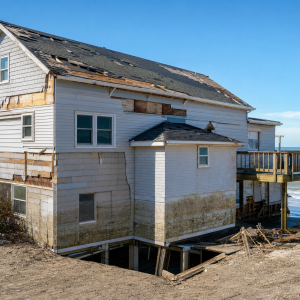
After Hurricane Fran struck the North Carolina coast in 1996, the Gray family’s Outer Banks home suffered serious storm damage. Their property was insured through the North Carolina Insurance Underwriting Association — the Beach Plan. When the family filed their claim, the Association’s payment fell far short of what was actually needed to repair the home. Believing they had been treated unfairly, the Grays refused to simply accept the shortfall and took the Association to court.
The Fight Through the Courts
The Association’s central defense was striking: it claimed that, as a legislatively created entity, it was effectively immune from bad-faith and unfair trade practices claims. In other words, it argued that even if it had underpaid the claim unfairly, homeowners had no real remedy beyond the policy itself. The case worked its way up to the Supreme Court of North Carolina, which decided Gray v. North Carolina Insurance Underwriting Association, 352 N.C. 61 (2000).
The Supreme Court sided with the policyholders on the key questions. It held that the Beach Plan:
- Is not immune from suit simply because it was created by statute;
- Can be held liable for bad faith in handling and paying claims; and
- Can be sued under North Carolina’s unfair and deceptive trade practices law, which allows damages to be trebled.
Why This Case Matters for Your Claim
The Gray ruling means the Beach Plan is held to the same good-faith standards as any private insurer. If your NC Beach Plan claims are undervalued, delayed without reason, or denied on shaky grounds, you are not powerless — the law gives you leverage, and the Association knows it. Many homeowners strengthen their position early by having their damage independently documented, the same way a public adjuster in Knightdale NC would build a claim file for an inland policyholder.
No one can promise a specific outcome on any claim, and every loss is different. But Gray proves that when a homeowner pushes back with solid documentation and persistence, the courts will listen. Whether your property sits on the Outer Banks or you work with a public adjuster near Moncure NC, the principle is the same: an insurer — including the Beach Plan — must treat your claim fairly.

What Does the Gray Ruling Mean for My NC Beach Plan Claims Today?
In Gray v. North Carolina Insurance Underwriting Association, the North Carolina Supreme Court confirmed that the Beach Plan owes policyholders the same duty of good faith and fair dealing as any private insurer — and that homeowners can pursue remedies, including under North Carolina’s Unfair and Deceptive Trade Practices Act, when that duty is breached.
That ruling matters because, for years, some assumed the Beach Plan’s quasi-public status shielded it from the consequences a private carrier would face for mishandling a claim. The Gray case — which arose out of hurricane damage to a coastal home — put that idea to rest. The court made clear that the Association is accountable for how it investigates, evaluates, and pays NC Beach Plan claims, just like any other insurance company doing business in this state.
Your Rights as a Beach Plan Policyholder
In practical terms, the ruling means you are entitled to:
- A good faith investigation — your claim must be evaluated honestly, on the actual evidence of damage, not on assumptions that favor a lower payout.
- Fair dealing throughout the process — unreasonable delays, shifting explanations, or pressure to accept a quick settlement can all be evidence of bad faith.
- Legal remedies with real teeth — North Carolina’s Unfair and Deceptive Trade Practices Act allows courts to award enhanced damages when an insurer’s conduct crosses the line, which gives policyholders genuine leverage.
None of this means every low offer is bad faith, and no one can promise a specific outcome on your claim. But it does mean you are not powerless when a settlement figure doesn’t add up. Many homeowners find that working with a licensed professional — like a public adjuster in Knightdale NC or along the coast — helps them document the true scope of hurricane damage before accepting anything.
Warning Signs Your Settlement Offer Deserves a Second Look
- The estimate is far below what local contractors say repairs will actually cost.
- Entire categories of damage — roof decking, interior water intrusion, contents — are missing from the adjuster’s report.
- The inspection lasted only a few minutes, or no one got on the roof or into the attic at all.
- You receive vague denials or depreciation figures with no clear explanation of how they were calculated.
- You feel rushed to sign a release before you’ve had time to review the numbers.
If any of these sound familiar, the Gray ruling is your reminder that the law is on your side. Getting a second, independent estimate of your damages is a reasonable first step, and licensed, bonded professionals — such as a public adjuster in Clayton NC — can review a Beach Plan offer and help you understand whether it fairly reflects your loss.
How Does a Public Adjuster Handle a Beach Plan or FAIR Plan Claim?
A public adjuster treats a Beach Plan or FAIR Plan offer exactly like any private carrier offer: they independently document every item of damage, review the insurer’s estimate line by line, analyze the policy language, and negotiate for a fair settlement on your behalf. While no adjuster can guarantee a specific outcome, thorough preparation often reveals shortfalls in the original offer.
Some homeowners assume that because the Beach Plan is a state-created insurer of last resort, its estimates must be fixed or beyond question. They are not. The Beach Plan issues policies, collects premiums, and adjusts claims much like any carrier — and as North Carolina’s courts confirmed in the Gray decision, it can be held accountable when it fails to handle claims in good faith. That means NC Beach Plan claims deserve the same careful scrutiny a policyholder would apply to any insurance settlement offer.
Independent Damage Documentation
A public adjuster doesn’t rely on the insurer’s inspection. They conduct their own, which typically includes:
- A room-by-room and exterior inspection, including roofing, siding, windows, and structural elements commonly damaged in hurricanes
- Photographs and measurements to support every damaged item
- A detailed contents inventory, so personal property isn’t overlooked or undervalued
- Documentation of hidden damage, such as moisture intrusion behind walls, that a quick carrier inspection can miss
Line-by-Line Estimate and Policy Review
Lowball offers often come from omissions rather than obvious errors — missing line items, understated quantities, outdated pricing, or overlooked coverages like debris removal, code upgrades, or additional living expenses. A public adjuster compares the carrier’s estimate against their own, then reads the actual policy to confirm every available coverage is being applied. Hurricane claims in particular can involve disputes over wind versus water damage, and experienced adjusters who handle matters like a wind damage claim in Durham NC after a hurricane know how to document the cause of loss so covered damage isn’t wrongly excluded.
Negotiation — With Honest Expectations
Once the documentation is complete, the public adjuster presents the supported claim to the Beach Plan or FAIR Plan and negotiates from evidence, not emotion. It’s important to be candid here: no one — not a public adjuster, attorney, or contractor — can ethically guarantee you a particular result or dollar figure. What a licensed, bonded public adjuster can promise is a professionally prepared claim, a complete accounting of your damages, and an advocate who answers only to you, not the insurer.
If you’re unsure whether your settlement offer reflects your actual loss, a second opinion costs you nothing but a conversation. Many homeowners start by consulting a public adjuster in Chapel Hill NC or another licensed professional near them to have the offer reviewed before signing anything or cashing a check marked as final payment.
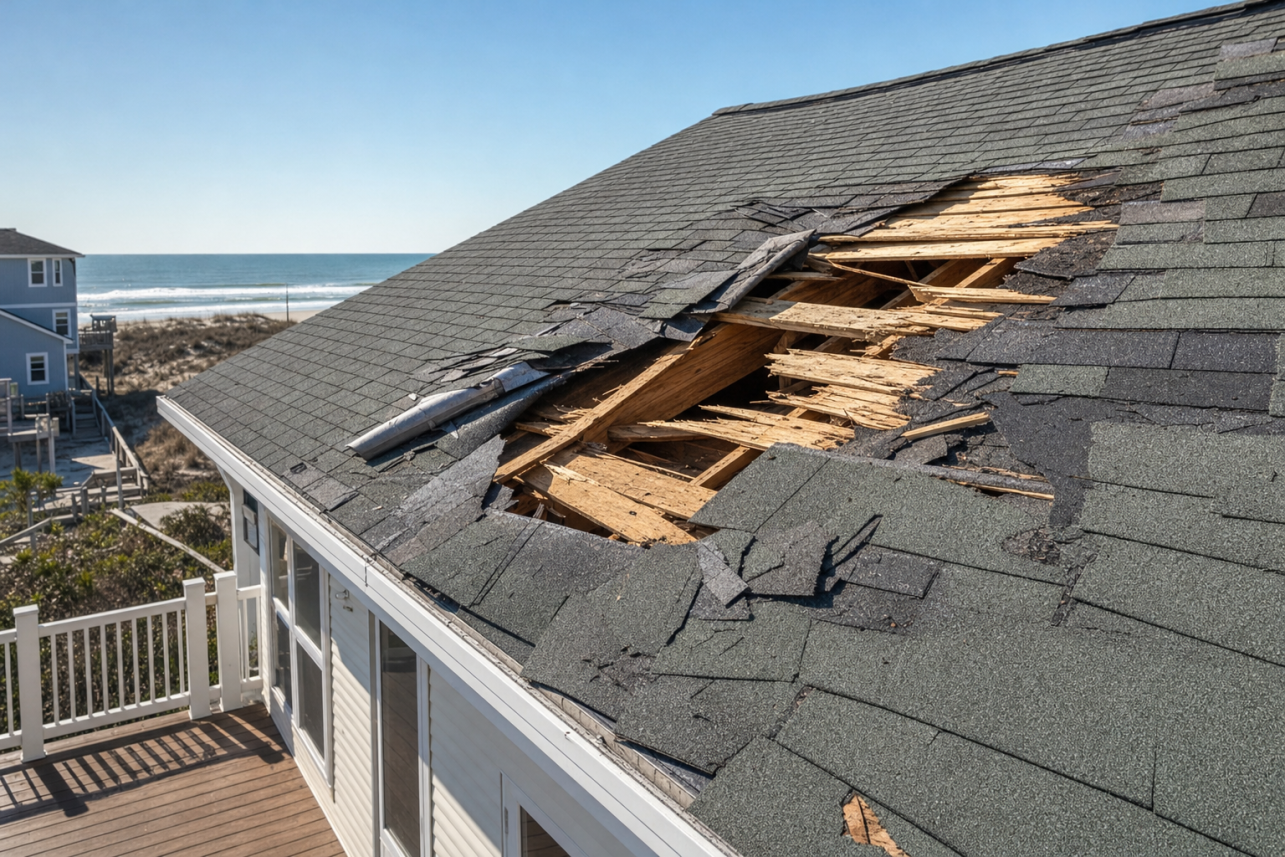
What Should Outer Banks Homeowners Do This Fall Before the Next Storm?
Before the next late-season hurricane or nor’easter, Outer Banks homeowners should photograph and video their home’s current condition, review their Beach Plan policy limits and hurricane deductibles, inspect roofs and gutters as fall weather stresses them, and save a licensed, bonded public adjuster’s contact information so help is one call away after a storm.
The Atlantic hurricane season runs through November 30, and the Outer Banks is no stranger to powerful fall storms — nor’easters can batter the coast well into winter. According to the National Hurricane Center, late-season systems can intensify quickly, leaving little time to prepare. The work you do now, while the sky is clear, is often what separates a fairly paid claim from a lowballed one.
Your Fall Pre-Storm Checklist
- Document your home’s pre-storm condition. Walk every room and the exterior with your phone. Capture the roof, siding, windows, decks, pilings, and major contents. Date-stamped photos and video make it far harder for an insurer to argue your damage was “pre-existing.”
- Review your Beach Plan policy now. Check your dwelling and contents limits, your hurricane or named-storm deductible, and any exclusions. If the numbers haven’t kept pace with today’s rebuilding costs, talk to your agent before a storm — not after.
- Keep records as fall weather arrives. Falling leaves clog gutters, and early cold snaps stress shingles and flashing. Save receipts for gutter cleaning, roof repairs, and tree trimming. A documented maintenance history helps counter “wear and tear” denials on NC Beach Plan claims.
- Trim trees and secure the property. Dead limbs become projectiles in a hurricane. Homeowners inland deal with this constantly — a homeowners tree damage claim in Garner often starts with a limb that could have been removed in October.
- Back up your documentation off-site. Store photos, your policy, and receipts in cloud storage or with a family member away from the coast, so they survive even if your home doesn’t.
- Review flood coverage separately. The Beach Plan does not cover rising water. Confirm your flood policy status through the National Flood Insurance Program, and remember most new flood policies carry a 30-day waiting period.
Know When to Bring In a Professional
If a storm does strike and your settlement offer doesn’t match the damage you’re looking at, you don’t have to accept it. Hurricane-force winds cause the same roof, siding, and structural harm on the coast that we see in a wind damage claim in Durham NC after a hurricane pushes inland — and in both cases, independent documentation of the loss is what drives a fair outcome. A licensed, bonded public adjuster works only for you, never the insurer. While no one can guarantee a specific result, having your own advocate reviewing the estimate ensures your claim is measured on the full scope of your loss, not the carrier’s first number.
NC Beach Plan Claims vs. Private Carrier Claims: What Policyholders Should Know
| Factor | NC Beach Plan / FAIR Plan | Private Insurance Carrier |
|---|---|---|
| Duty of good faith | Yes — confirmed by Gray v. NCIUA (NC Supreme Court, 2003) | Yes — long-established under NC law |
| Bad-faith and unfair trade practices exposure | Policyholders may pursue these claims; treble damages possible under NC law | Same remedies available to policyholders |
| Typical property coverage | Wind and hail for coastal homes, buildings, and contents when private coverage is unavailable | Broader homeowners or commercial property policies |
| How a public adjuster approaches the claim | Full independent damage documentation and estimate — no deference to ‘last resort’ status | Full independent damage documentation and estimate |
Illustrative Example: Pushing Back on a Lowballed Beach Plan Claim
Illustrative example
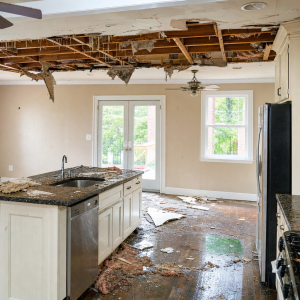
This is a hypothetical composite, not a real client matter. After a hurricane tore roofing and siding from an Outer Banks cottage and let rain soak the interior, the owners received a Beach Plan estimate that covered only surface repairs and overlooked hidden structural and contents damage. A licensed public adjuster re-inspected the home, documented the full scope of wind and water intrusion, and prepared a detailed independent estimate supported by photos and contractor pricing. Armed with that documentation — and the fair-dealing standard confirmed in Gray v. NCIUA — the owners reopened negotiations and reached a settlement that reflected the true cost of restoring their home. While no outcome can ever be guaranteed, thorough documentation and knowledge of your rights consistently put policyholders in a far stronger position.
Frequently asked questions
Can I dispute a lowball offer on NC Beach Plan claims, or do I have to accept what the state plan pays?
You can absolutely dispute it. The Beach Plan is an insurer, not a government handout, and it owes you fair dealing under your policy. In Gray v. North Carolina Insurance Underwriting Association, the NC Supreme Court allowed homeowners to pursue bad-faith and unfair trade practices claims against the Beach Plan itself after their Hurricane Fran-damaged home was underpaid. You have real options: a documented supplemental claim, a licensed public adjuster, or an attorney if bad faith is involved.
How much does it cost to hire a public adjuster for a Beach Plan or FAIR Plan claim?
Public adjusters in North Carolina typically work on a contingency fee — a percentage of what the insurer pays on your claim — so there is usually no upfront cost. Fee percentages vary by firm and claim type, and they must be spelled out in a written contract before work begins. If you receive no additional recovery, a contingency arrangement generally means you owe nothing. Always confirm the exact fee in writing before signing.
How long does it take to settle a disputed hurricane claim with the Beach Plan?
It depends on the dispute. A well-documented supplemental claim may resolve in weeks to a few months. Appraisal, if your policy includes it, often takes several months. Litigation — like the Gray v. NCIUA case that went to the NC Supreme Court — can take years, though most disputes settle long before trial. Responding promptly to requests and keeping organized documentation is the single best way to keep your claim moving.
What are the most common mistakes homeowners make after the Beach Plan underpays a hurricane claim?
The big ones: cashing a check without understanding whether it closes the claim, throwing away damaged contents before they’re documented, accepting the insurer’s estimate as final, missing policy deadlines for proof of loss, and signing releases without reading them. Another costly mistake is assuming a state-created plan can’t be challenged — Gray v. NCIUA proved otherwise when homeowners won the right to pursue bad-faith claims against the Beach Plan after Hurricane Fran.
What’s the difference between hiring a public adjuster and suing the Beach Plan?
A public adjuster documents, values, and negotiates your property claim with the insurer — often resolving disputes without court. An attorney handles litigation, including bad-faith lawsuits like Gray v. NCIUA, where homeowners won the right to sue the Beach Plan for unfair claim handling. Many policyholders start with a public adjuster to build a thorough, well-supported claim; if the carrier still refuses to deal fairly, that documentation becomes valuable evidence for a lawyer.
What should I do first if I think my Beach Plan hurricane claim was lowballed?
Start by requesting the insurer’s full estimate and a complete copy of your policy in writing. Then document everything: photos, videos, contractor estimates, and receipts for damaged contents and emergency repairs. Compare the carrier’s scope of work against independent estimates — underpayments often come from missing line items, not just low prices. From there, you can submit a supplemental claim, invoke appraisal if available, or bring in a licensed public adjuster to re-measure the loss.
Does the Beach Plan have to treat my claim fairly even though it’s the insurer of last resort?
Yes. Being the ‘market of last resort’ does not lower the standard of conduct. In Gray v. North Carolina Insurance Underwriting Association, the North Carolina Supreme Court made clear that Outer Banks homeowners could pursue bad-faith and unfair trade practices claims against the Beach Plan after their Hurricane Fran damage was underpaid. The plan owes you the same good faith and fair dealing as any private carrier — and the same scrutiny of its offers is warranted.
Is it worth fighting a small underpayment on a FAIR Plan or Beach Plan claim?
Often, yes — what looks small at first frequently grows once the full scope of damage is measured. Hidden issues like water intrusion behind walls, roof decking damage, or undervalued contents can turn a modest gap into a significant one. A reputable public adjuster will review your claim and tell you honestly whether the potential recovery justifies the effort. No outcome can be guaranteed, but an underpaid claim rarely corrects itself without someone pushing back.
What does ‘bad faith’ actually mean when an insurance company handles a hurricane claim?
Bad faith generally means the insurer refused to pay a valid claim without a reasonable basis, or handled the claim unfairly — for example, ignoring evidence, dragging out the process, or making an unjustifiably low offer. It’s more than a simple disagreement over value. Gray v. NCIUA is the landmark North Carolina example: homeowners whose Hurricane Fran-damaged house was underpaid by the Beach Plan won the right to pursue bad-faith and unfair trade practices claims.
Will the Beach Plan cancel or non-renew my policy if I challenge their claim offer?
Exercising your rights under your policy — submitting supplements, hiring a public adjuster, or invoking appraisal — is not a lawful basis for retaliation, and insurers can’t cancel coverage simply because you disputed a payment. Cancellations and non-renewals must follow North Carolina’s notice rules and permitted reasons. Keep all correspondence in writing, and if you believe you’re being treated unfairly for asserting your rights, you can file a complaint with the NC Department of Insurance.
Arson Homeowners Claim help near you
Related local pages
Get a free, no-obligation review of your Beach Plan or FAIR Plan claim from a licensed, bonded North Carolina public adjuster today. Get in touch.
Last updated: November 19, 2026