Hurricane Damage Claim Denied Because the Carrier Blames Something Else? Here’s the Quick Answer
If your hurricane damage claim denied letter blames a construction defect, wear and tear, or poor maintenance instead of the storm, you are not automatically out of options. Courts have sided with homeowners when a covered peril — like hurricane wind or wind-driven rain — contributed to the loss, even if an excluded cause played a role too.
Key takeaways
- In Sebo v. American Home Assurance Co., the Florida Supreme Court held that when a covered peril like hurricane wind-driven rain combines with an excluded peril like defective construction to destroy a home, the loss remains covered.
- The concurrent causation doctrine means an insurer cannot escape paying simply by pointing to an excluded cause when a covered cause also contributed to the damage.
- Insurers often blame hurricane losses entirely on excluded causes like construction defects, wear and tear, or pre-existing conditions — Sebo shows that tactic can be defeated.
- Policy language matters: some carriers respond to rulings like Sebo by adding anti-concurrent causation clauses, so homeowners should have denials reviewed by an attorney rather than accepting them.
- If your hurricane damage claim was denied because the carrier says an uncovered cause was involved, you may still have a valid claim when a covered peril contributed to the loss.
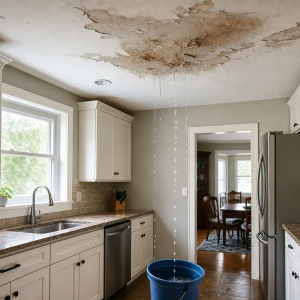
This tactic is one of the most common frustrations homeowners face after a major storm. The wind rips at your roof, water pours into your living room, and weeks later the insurance company’s letter says the “real” cause was faulty flashing, aging shingles, or a builder’s mistake from years ago — all conveniently excluded under your policy. It feels like a dead end. It usually isn’t.
Why This Matters Right Now in North Carolina
With North Carolina heading into the peak of tropical-storm season, denial letters like this are about to land in mailboxes from the coast to the Triangle. Homeowners who understand how these denials work — and how at least one homeowner successfully fought back in court — are far better positioned to challenge a bad decision instead of quietly absorbing the loss. Property owners working with a public adjuster in Raleigh NC and surrounding areas often learn that the carrier’s stated cause of loss is only one interpretation of the evidence, not the final word.
The Short Version of What You Need to Know
- Insurers often shift blame to excluded causes. Construction defects, deferred maintenance, and pre-existing conditions are excluded under most homeowner policies, so pinning the damage there lets the carrier deny the claim.
- Multiple causes can exist at once. A storm loss frequently involves both a covered peril (wind, wind-driven rain) and an excluded one (a defect or old damage). How the law treats that mix can determine whether you get paid.
- Courts have ruled for homeowners. When a covered peril contributes to the loss, homeowners have won coverage disputes — the rest of this article walks through how one homeowner did exactly that.
- A denial is a position, not a verdict. You have the right to challenge the carrier’s cause-of-loss determination with your own inspection, documentation, and expert opinions.
The sections below break down why insurers lean on the construction-defect excuse, how the concurrent causation doctrine works, and the practical steps to take after a denial. If you’re in a smaller community outside the big metros — say you need a public adjuster in Gorman NC — the same principles apply: the carrier’s conclusion about what caused your damage can be questioned, tested, and, when the facts support it, overturned.
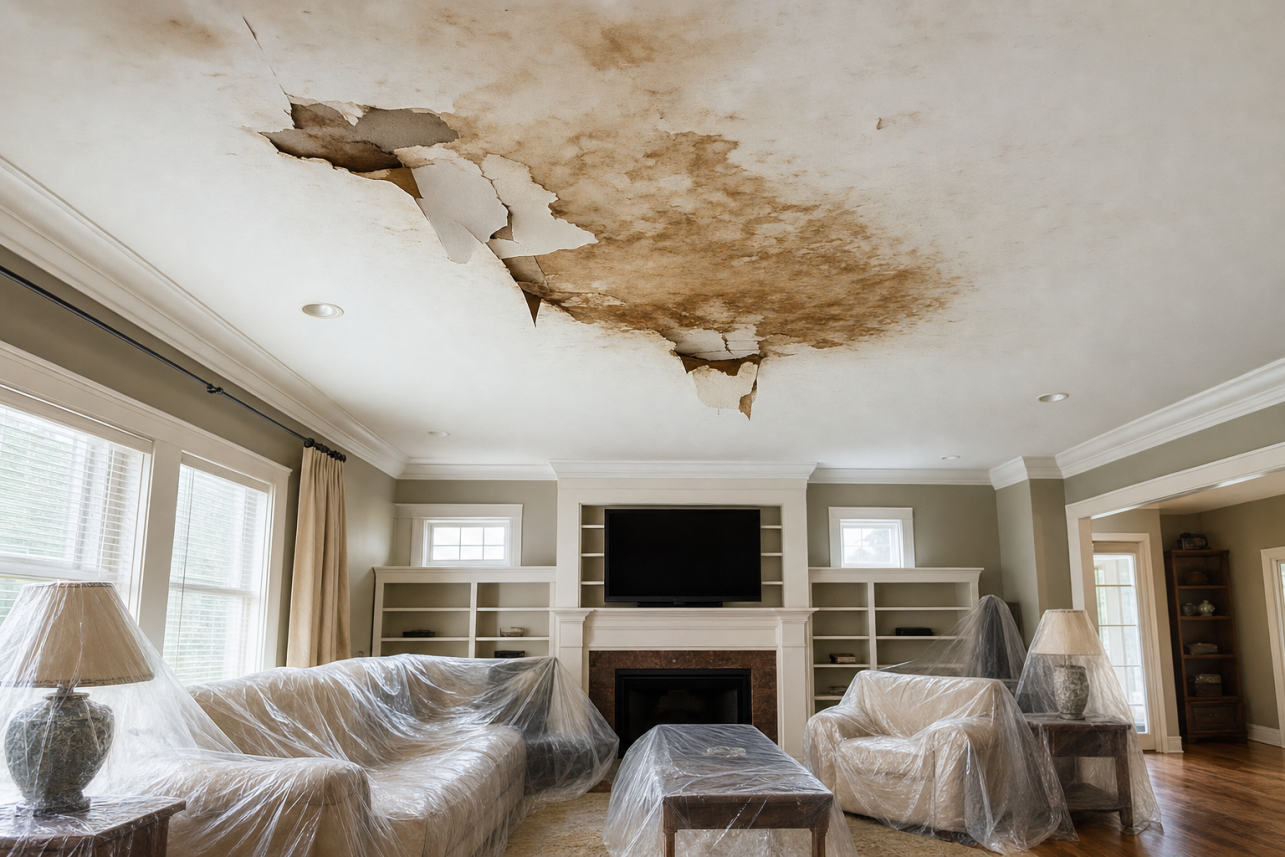
Why Do Insurers Blame Construction Defects Instead of the Storm?
Insurers blame construction defects because most homeowner policies exclude faulty workmanship, wear and tear, and pre-existing damage. If the carrier can attribute your loss to one of these excluded causes rather than the hurricane itself, it can deny the claim entirely — even when a covered peril like wind clearly played a role.
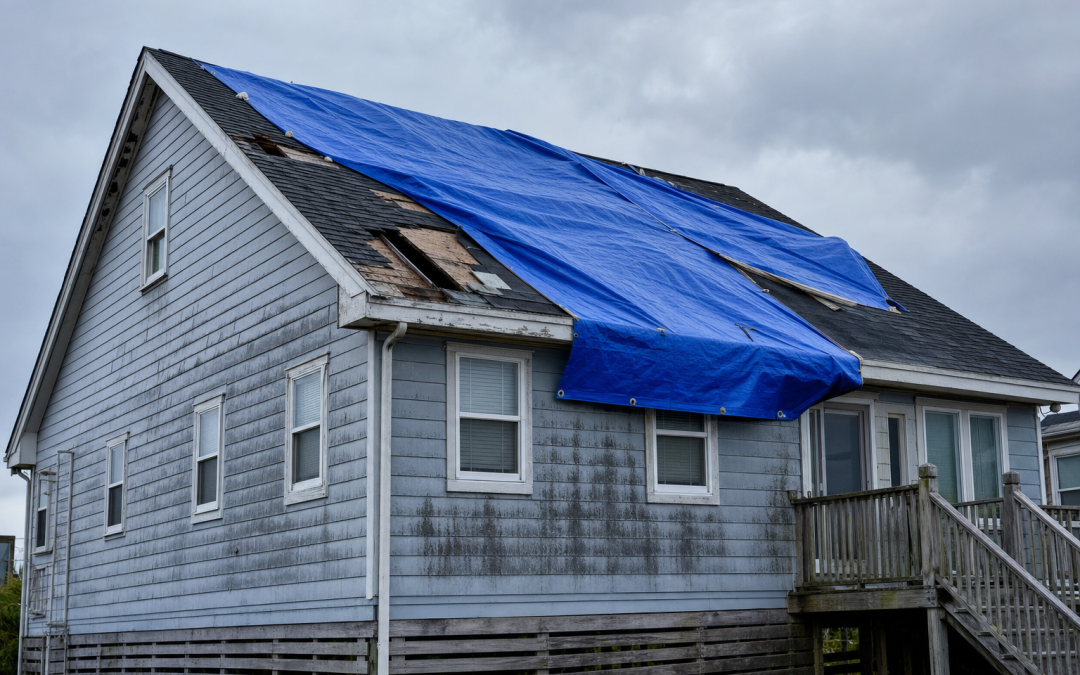
It comes down to how insurance policies are written. Your policy is a list of covered perils paired with a longer list of exclusions. Hurricanes rarely damage a home in one clean, obvious way. Wind lifts shingles, driving rain gets behind siding, water finds its way through flashing and window seals. When the adjuster arrives weeks later, the visible evidence — a deteriorated seal, an aging roof, a gap in the flashing — can be framed as the “real” cause of the loss.
The Exclusions Carriers Lean On Most
After a hurricane, denial letters tend to cite a familiar set of exclusions:
- Faulty workmanship or construction defects: The carrier argues the home was built or repaired improperly, so water intrusion was the builder’s fault, not the storm’s.
- Wear and tear or deterioration: An older roof or weathered sealant becomes the scapegoat, even if it kept water out just fine until hurricane-force winds arrived.
- Pre-existing damage: The insurer claims the damage was already there before the storm, shifting the burden onto you to prove otherwise.
- Seepage or continuous leakage: Water damage gets recast as a slow, long-term leak rather than a sudden storm-created opening.
Notice the pattern: each of these reframes a storm event as a maintenance or construction problem. That reframing matters because it moves your loss from the covered column to the excluded column. Homeowners who work with a public adjuster in Raleigh NC often discover that the carrier’s field adjuster spent only minutes on the roof before settling on an exclusion-based cause of loss.
Why This Tactic Works So Often
Carriers know that most homeowners can’t distinguish wind-created openings from pre-existing gaps, and few hire their own engineers or contractors to push back. A denial letter citing a construction defect sounds authoritative, so many people simply accept it. The insurer also knows that causation in a hurricane is genuinely messy — multiple forces act on a home at once — and that ambiguity gives them room to emphasize the excluded cause and downplay the covered one.
The key thing to understand is that a hurricane damage claim denied on these grounds is an opinion about causation, not a final verdict. The carrier’s conclusion can be challenged with independent inspections, weather data, photos of the home’s pre-storm condition, and expert analysis. Homeowners in smaller communities face the same tactics as those in big cities, which is why a public adjuster in Selma NC can be just as valuable in a rural county as in a metro area when the insurer’s causation story doesn’t match what actually happened to your home.
How Did One Homeowner Beat the Insurance Company in Court?
In Sebo v. American Home Assurance Co., a Florida homeowner whose house was wrecked by hurricane wind-driven rain combined with construction defects fought his insurer’s denial all the way to the Florida Supreme Court — and won. The court adopted the concurrent causation doctrine, ruling the loss was covered even though an excluded cause contributed.
The House, the Storm, and the Denial
John Sebo purchased a large home in Naples, Florida, that turned out to have serious construction and design defects. Shortly after he moved in, the house began leaking badly during rainstorms. Then Hurricane Wilma struck in 2005, and the combination of wind-driven rain and the home’s defective construction caused catastrophic water damage. The house was ultimately damaged beyond reasonable repair and was demolished.
Sebo filed a claim under his all-risk homeowners policy. The insurer, American Home Assurance Company, paid only a small fraction of the loss and denied the rest, pointing to the policy’s exclusion for faulty, inadequate, or defective construction. Its position was simple: because bad construction played a role in the damage, the claim wasn’t covered — even though a hurricane, a plainly covered peril, was also a cause.
The Legal Battle Over Two Causes
The case turned on a single question: when a covered peril and an excluded peril combine to cause a single loss, and neither one alone would have caused it, is the loss covered? The litigation worked through several stages:
- Sebo sued, and a jury sided with him at trial.
- An appellate court reversed, applying the “efficient proximate cause” approach, which asks a jury to pick the single dominant cause of the loss.
- The Florida Supreme Court took the case and, in 2016, reversed again — this time in Sebo’s favor.
Why the Homeowner Won
The Florida Supreme Court held that when independent perils converge and no single cause can fairly be labeled the sole proximate cause, the concurrent causation doctrine applies: if a covered peril contributed to the loss, the loss is covered. The court reasoned that the wind, rain, and construction defects each played a role, and there was no reasonable way to untangle them. Because the insurer had not written clear anti-concurrent-causation language into the policy that would carve out this scenario, the exclusion could not swallow the coverage.
The takeaway for homeowners is powerful: a carrier can’t necessarily escape a hurricane claim just because a pre-existing defect was part of the story. Policy language and state law matter enormously, which is why homeowners often bring in a professional — for example, a public adjuster in Elon — to scrutinize the denial letter and the causation argument behind it.
Sebo also shows that persistence pays. The homeowner lost at one appellate level before prevailing at the state’s highest court. If your own claim has been shortchanged or denied, getting an independent damage assessment early — the kind a public adjuster in Garner provides — can build the factual record you’d need if the dispute ever escalates.
What Is the Concurrent Causation Doctrine and Does It Apply in North Carolina? Understanding Why Your Hurricane Damage Claim Was Denied
The concurrent causation doctrine says that when a loss has two causes — one covered (like wind) and one excluded (like a construction defect) — coverage may still apply because a covered peril contributed to the damage. In North Carolina, the outcome usually depends on your specific policy language, especially whether it contains an anti-concurrent causation clause.
Concurrent Causation vs. Efficient Proximate Cause in Plain English
Courts around the country use two main frameworks when a loss has mixed causes, and the difference matters enormously for hurricane claims:
- Concurrent causation: If a covered cause (hurricane wind) and an excluded cause (a defect or wear and tear) combine to produce the loss, the claim can still be covered because a covered peril played a real role.
- Efficient proximate cause: The court asks which cause set the chain of events in motion — the dominant cause. If the storm is the efficient proximate cause, the loss is covered even if excluded factors contributed along the way.
Under either approach, an insurer generally can’t defeat coverage just by pointing to some non-covered factor. That’s why carriers often lean so hard on defect and maintenance exclusions — they need those arguments to carry the whole denial. Homeowners in storm-affected communities from the coast to the Triangle, including those working with a public adjuster in Garner, run into these mixed-cause disputes regularly after major hurricanes.
How North Carolina Handles Mixed-Cause Losses
North Carolina courts start with the policy itself. Insurance policies are contracts, and NC follows the well-established rules that ambiguous policy language is construed in favor of the insured, exclusions are read narrowly, and the insurer bears the burden of proving an exclusion applies. In a mixed-cause hurricane loss, that means the carrier must actually prove the excluded cause — not just assert it in a denial letter.
Watch for Anti-Concurrent Causation Clauses
Many modern policies contain anti-concurrent causation (ACC) language — wording along the lines of “we do not cover loss caused directly or indirectly by [excluded peril], regardless of any other cause or event contributing concurrently or in any sequence to the loss.” When clearly written, this language is designed to override the concurrent causation doctrine and let an excluded cause defeat coverage even when wind clearly contributed.
This is exactly why you cannot rely on the denial letter’s summary of your coverage. You need to read the actual exclusions and lead-in language in your policy — or have a professional do it. Homeowners in smaller Johnston County communities often benefit from having a public adjuster in Selma, NC review the full policy, because whether an ACC clause exists, and whether it’s worded clearly enough to be enforceable, can be the difference between a valid denial and one worth fighting.
What Should I Do If My Hurricane Damage Claim Is Denied in NC?
If your hurricane damage claim is denied in North Carolina, request the denial in writing, preserve all evidence of the storm damage, document the timeline of the loss, review the exact exclusion language the carrier cited, and get an independent damage assessment before accepting the insurer’s conclusion. A denial is a position, not a final verdict.
Insurance companies expect most policyholders to walk away after a denial letter. The homeowners who recover money are the ones who slow down, get organized, and challenge the carrier’s reasoning point by point. Here is how to do that.
Get the Denial and the Reasoning in Writing
Ask the carrier to state, in writing, the specific policy provisions and exclusions it is relying on and the factual basis for its conclusion. Vague phone explanations are not enough. You cannot rebut a denial until you know exactly what the insurer claims caused the damage and which exclusion it says applies.
Preserve Evidence Before Anything Changes
- Photograph and video everything — roof damage, water intrusion paths, fallen debris, interior staining — before repairs or weather alter the scene.
- Keep damaged materials where safely possible, such as torn shingles, wet drywall sections, or broken flashing. Physical evidence can contradict a carrier’s “pre-existing wear” theory.
- Save all communications — emails, letters, adjuster reports, and notes from every phone call, including dates and names.
Document the Timeline of the Loss
Write down when the storm hit, when you first noticed damage, when you reported it, and when the carrier inspected. Weather reports, neighbors’ accounts, and dated photos from before the storm all help establish that the damage appeared with the hurricane — not gradually over years. Homeowners across the state, from the coast to inland communities served by a public adjuster in Greensboro, have used simple dated photo records to overturn “wear and tear” denials.
Read the Exclusion Language Yourself
Pull your full policy — not just the declarations page — and read the exact exclusion the carrier cited. Look for whether the exclusion contains an exception, whether it uses anti-concurrent causation wording, and whether the carrier’s stated cause actually matches what the exclusion describes. Carriers sometimes stretch exclusions beyond what the language supports.
Get an Independent Assessment Before You Accept Anything
Never rely solely on the insurer’s inspection. An independent evaluation — from a licensed contractor, engineer, or public adjuster — can identify storm-caused damage the carrier’s adjuster minimized or attributed to something else. If you’re in the Triangle area, a public adjuster in Garner can inspect the property, review the denial, and build the documentation needed to reopen or dispute the claim.
Finally, act promptly. Policies contain deadlines for disputes and supplemental claims, and evidence degrades quickly after a storm. Moving fast keeps every option — negotiation, appraisal, or litigation — on the table.
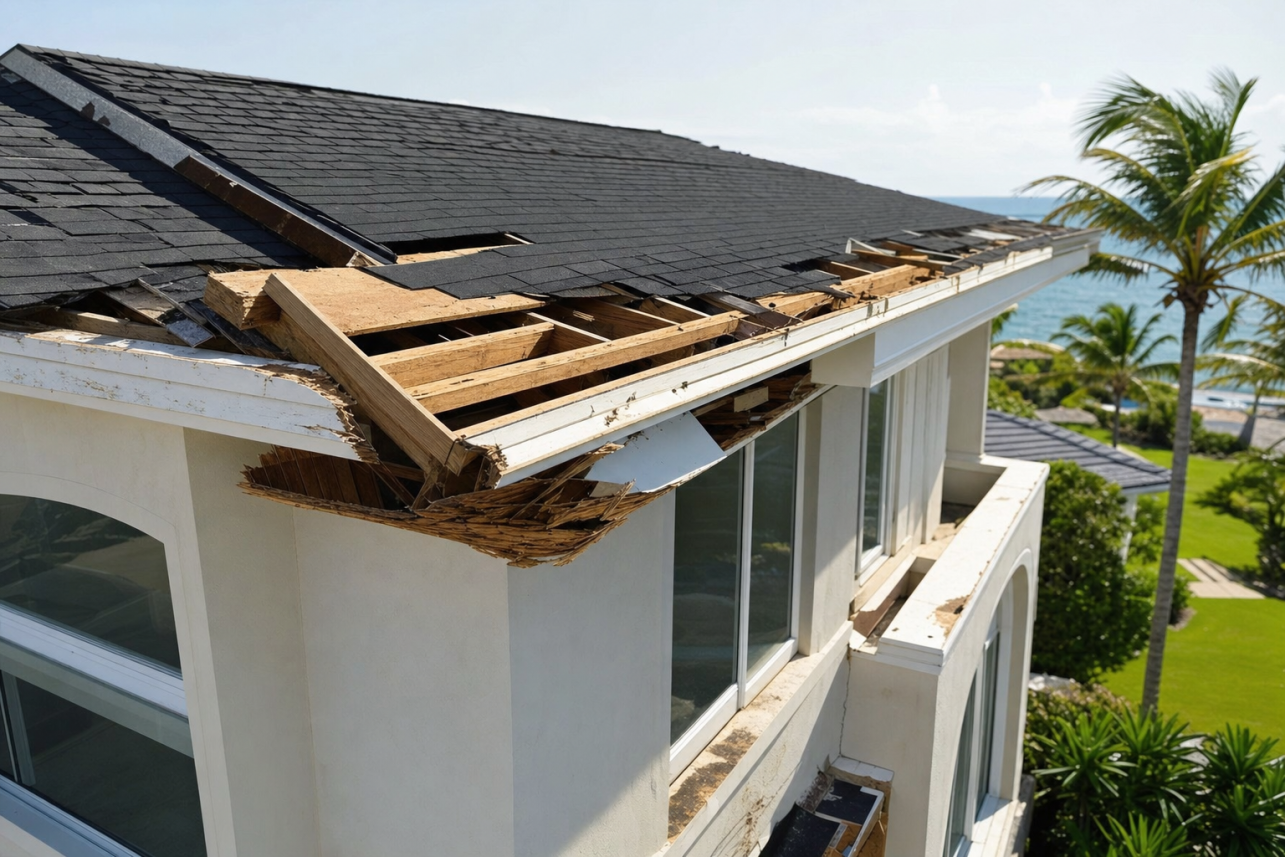
How Can a Public Adjuster Help When Your Hurricane Damage Claim Is Denied Over Causation?
A licensed, bonded public adjuster works only for you, not the insurance company. When a carrier claims your damage came from wear, defects, or an excluded cause, a public adjuster independently investigates the loss, documents the storm’s role with evidence, and negotiates with the carrier to pursue the coverage your policy actually provides.
Causation disputes are rarely settled by opinion alone — they’re settled by documentation. That’s where professional representation changes the conversation.
Independent Investigation of What Actually Caused the Damage
Carriers often rely on a brief inspection or a desk review to attribute damage to something other than the storm. A public adjuster builds a counter-record, which may include:
- A detailed on-site inspection of the roof, envelope, interior, and structure
- Photo and video documentation tied to specific storm events and weather data
- Moisture mapping and damage patterns consistent with wind-driven rain or wind uplift
- Coordination with engineers, contractors, or other specialists when the facts warrant it
This evidence matters because it establishes what the covered peril — the hurricane — actually did to your property, rather than letting the carrier’s narrative stand unchallenged. Homeowners in the Triangle area often bring in a public adjuster in Bahama NC to perform exactly this kind of independent causation review before responding to a denial.
Documenting the Covered Peril and Negotiating on Your Behalf
Once the evidence is assembled, a public adjuster prepares a properly supported estimate, presents the causation analysis to the carrier, and handles the back-and-forth so you aren’t arguing technical points alone. Public adjusters are licensed and regulated in North Carolina — you can verify any adjuster’s license through the North Carolina Department of Insurance. A reputable adjuster will never guarantee a specific outcome; what they provide is a professional, documented case and an advocate who understands how policies and exclusions actually work.
Note that flooding is typically handled under a separate flood policy rather than your homeowners coverage. If storm surge or rising water contributed to your loss, resources from the National Flood Insurance Program explain how flood claims differ, and a public adjuster can help you sort out which damage belongs under which policy.
Why Acting Quickly Matters During Hurricane Season
Time works against homeowners after a storm. Evidence degrades, temporary repairs alter the scene, and policy deadlines for supplementing or disputing a claim keep running. The sooner a professional documents the damage, the harder it is for a carrier to argue the cause was something else. If another storm hits before your dispute is resolved, untangling which event caused what becomes far more difficult. Property owners in central North Carolina, including those working with a public adjuster in Greensboro NC, generally see the strongest results when the investigation starts promptly after the denial — while the evidence still tells the storm’s story clearly.
Hurricane Damage Claim Denied? How Causation Doctrines Affect Your Coverage
| Doctrine | How It Works | Result for the Homeowner |
|---|---|---|
| Concurrent Causation (adopted in Sebo) | If a covered peril (wind-driven rain) and an excluded peril (construction defects) combine to cause the loss, coverage applies | Favorable — the claim stays covered even though an excluded cause contributed |
| Efficient Proximate Cause | Courts look for the single ‘primary’ cause that set the loss in motion and base coverage on that one cause | Mixed — coverage depends entirely on which cause a court deems dominant |
| Anti-Concurrent Causation Clause | Policy language that excludes the loss if an excluded peril contributed in any way, even alongside a covered peril | Unfavorable — carriers use this wording to try to sidestep rulings like Sebo |
| Insurer’s ‘Sole Excluded Cause’ Position | Carrier attributes all damage to an excluded cause (defects, wear, flood) and denies the entire claim | Often challengeable — expert evidence of a covered contributing cause can restore coverage |
Hypothetical Example: When Wind and a Defect Combine
Illustrative example
Consider a hypothetical coastal North Carolina homeowner whose house suffered severe water intrusion during a hurricane, with damage to walls, flooring, and the roof structure. The insurer denied the claim, asserting that faulty window installation — an excluded construction defect — was the sole cause of the water damage. An independent engineer retained by the homeowner’s attorney found that hurricane-force wind-driven rain, a covered peril, was a substantial contributing cause of the loss. Relying on concurrent causation reasoning like that adopted in Sebo, counsel challenged the denial and pushed the carrier to reassess the claim. This composite scenario is illustrative only, but it reflects how a denied hurricane claim can be revived when a covered cause contributed to the damage.
Frequently asked questions
What should I do first if my hurricane damage claim was denied?
Request the denial in writing and ask the insurer to cite the specific policy language it relied on. Then gather your own evidence: photos, videos, repair estimates, and weather reports from the storm date. Don’t repair everything immediately—document first. Review your full policy, including exclusions and anti-concurrent causation clauses. If the denial blames an excluded cause like wear and tear or construction defects, consider getting an independent inspection before accepting the insurer’s version of events.
Can my insurance company deny my whole claim if only part of the damage was from an excluded cause?
Not necessarily. When a covered peril like hurricane wind combines with an excluded one, the outcome depends on your policy language and your state’s causation rules. Under the concurrent causation doctrine, a loss can remain covered when a covered peril contributes to it. However, many policies contain anti-concurrent causation clauses designed to defeat this argument, and courts treat them differently by state, so have a professional review your specific policy wording before accepting a blanket denial.
How much does it cost to hire a lawyer to fight a denied homeowners insurance claim?
Most policyholder attorneys handle these cases on contingency, meaning you pay nothing upfront and the lawyer takes a percentage of what’s recovered—commonly in the range of a third, though it varies by case and stage. Initial consultations are typically free. Some states also have statutes that can shift attorney fees to the insurer in certain circumstances, which a lawyer can explain during your consultation. Always get the fee arrangement in writing.
How long does it take to resolve a disputed hurricane insurance claim?
It varies widely. Supplementing a claim with new evidence might resolve things in weeks or a few months. Invoking appraisal often takes several months. Litigation can take a year or more, and appeals longer. Insurers also face state deadlines to acknowledge, investigate, and pay or deny claims, so keep records of every date. The stronger and better-documented your evidence is early on, the faster disputes tend to resolve.
What evidence do I need to prove hurricane wind caused my damage instead of a pre-existing problem?
Useful evidence includes pre-storm photos or inspection reports showing the home’s prior condition, date-stamped photos and video of the damage, weather data showing wind speeds at your address, neighbors’ damage as comparison, and a report from an independent engineer or licensed contractor identifying wind as a cause. Keep damaged materials when possible. The goal is showing a covered peril contributed to the loss, not proving your home was flawless beforehand.
Should I use appraisal or file a lawsuit when my insurer lowballs or denies my claim?
Appraisal is generally faster and cheaper, but it only resolves disputes about the amount of the loss—not whether the loss is covered at all. If your insurer denied the claim entirely based on an exclusion, appraisal usually can’t fix that; coverage disputes typically require negotiation or litigation. If coverage is admitted but the payment is too low, appraisal can be a good option. A policyholder attorney can tell you which path fits your denial letter.
What are the biggest mistakes homeowners make after a hurricane damage claim is denied?
Common mistakes include accepting the insurer’s causation conclusion without an independent inspection, throwing away damaged materials before documenting them, making full repairs that destroy evidence, giving recorded statements without preparation, missing policy or statutory deadlines to dispute or sue, and assuming a denial letter is final. A denial is the insurer’s opening position, not a court ruling. Many denied claims are later paid after homeowners push back with better evidence or legal help.
Does the concurrent causation doctrine apply in North Carolina?
Causation rules vary by state, and North Carolina courts haven’t addressed the issue as prominently as Florida did in Sebo. Whether a mixed-cause loss is covered in NC depends on your policy’s exact language—especially any anti-concurrent causation clause—and how NC courts interpret it. That’s why a denial blaming an excluded cause shouldn’t be taken at face value; a North Carolina insurance attorney can evaluate whether your policy wording and the facts support coverage.
Can I still dispute my claim if I already accepted a partial payment from the insurance company?
Often, yes. Accepting a partial payment usually doesn’t waive your right to seek more, unless you signed a release stating the payment was full and final settlement. Read anything you signed carefully. You can typically submit a supplemental claim with new estimates or evidence of additional damage. Act promptly, though—policies and state law impose deadlines for supplementing claims and filing suit, and waiting too long can forfeit your rights.
Is it worth hiring a public adjuster instead of a lawyer for a denied claim?
It depends on why the claim was denied. Public adjusters document and value damage and negotiate with insurers, typically for a percentage of the recovery—they’re most useful when coverage isn’t disputed but the payout is too low. If the insurer denied coverage entirely by blaming an excluded cause, that’s a legal dispute about policy interpretation, which usually calls for an attorney. Some homeowners use both: an adjuster to build the damage estimate and a lawyer to fight the coverage denial.
Arson Homeowners Claim help near you
Related local pages
If your carrier is blaming your storm loss on an excluded cause, you don’t have to accept that answer alone. Our licensed and bonded NC public adjusters review your policy, document every covered cause of loss, and advocate for you throughout the claim. Contact us today for a free, no-obligation claim review. Get in touch.
Last updated: September 3, 2026