
Is It Worth Going Through Insurance for Water Damage?
Filing a water damage insurance claim is worth it when the repair cost clearly exceeds your deductible, the cause is a sudden and accidental event your policy covers, and you don’t have a string of recent claims. For small, borderline losses, paying out of pocket often protects your premiums and claim history.
Key takeaways
- Filing a water damage insurance claim usually makes sense when repair costs clearly exceed your deductible by a wide margin.
- Sudden and accidental water damage (like a burst pipe) is typically covered, while gradual leaks and flooding usually are not.
- Even a single claim can raise your premiums for several years, so weigh the payout against long-term cost increases.
- Document the damage with photos and stop the water source immediately — mitigation is required by most policies whether or not you file.
- Get a repair estimate before filing; if the cost is close to your deductible, paying out of pocket often protects your claims history.
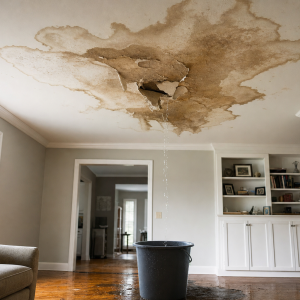
That’s the short answer — but water damage is rarely as simple as it looks on the surface. Water travels behind walls, under flooring, and into insulation, which means the visible stain on your ceiling is often just a fraction of the real loss. Before you decide whether to file, it helps to weigh three factors honestly.
The Three Questions That Decide It
- What caused the damage? Most homeowners policies cover sudden and accidental water damage — a burst pipe, a failed water heater, an appliance supply line letting go. They typically exclude flooding from outside water and damage caused by long-term leaks or neglected maintenance. The cause of loss is usually the first thing an insurer scrutinizes.
- What is the true cost versus your deductible? Don’t compare your deductible to the first repair estimate you get. Compare it to the full scope: water extraction, drying equipment, mold prevention, removing and replacing drywall, flooring, cabinets, and matching finishes. If the honest total is only slightly above your deductible, a claim may not be worth it. If it’s several times your deductible, it usually is.
- What does your claim history look like? Multiple claims in a short window — especially multiple water claims — can affect your renewal terms or insurability. One legitimate, well-documented claim on a clean history is generally a reasonable use of the coverage you’ve been paying for.
Why This Question Matters More in a North Carolina Summer
Summer in North Carolina brings frequent afternoon thunderstorms, wind-driven rain, and persistent humidity — a combination that makes hidden water damage both more common and more expensive. Rain that gets past damaged shingles or flashing can soak attic insulation and wall cavities without any obvious sign for weeks. High humidity slows natural drying, which means moisture lingers in building materials and mold can take hold faster than it would in drier months. By the time you notice a musty smell or a soft spot in the floor, the loss may be far larger than a quick patch job.
That’s why the “is it worth it” decision shouldn’t be based on a glance at the damage. Homeowners who get professional water damage claim help in Burlington and the surrounding area often discover the documented scope of loss is substantially larger than they assumed — which changes the math on filing entirely.
The rest of this article breaks down when to file, when to pay out of pocket, how a claim can affect your rates, and what to do if your insurer denies or underpays you.

When Should You File a Water Damage Insurance Claim?
File a water damage insurance claim when the loss is sudden and accidental — a burst pipe, a storm-driven roof leak, or a failed water heater — and the total cost of drying, repairs, mold prevention, and damaged belongings clearly exceeds your deductible. Large, spreading, or hidden water losses almost always justify a claim.
The key phrase in most homeowners policies is “sudden and accidental.” Insurers generally cover water damage that happens abruptly, not damage from slow leaks or deferred maintenance. If your situation fits that definition and the damage is significant, filing is usually the right call.
Scenarios Where Filing Almost Always Makes Sense
- Burst or ruptured pipes. A pipe that fails inside a wall or ceiling can release hundreds of gallons in minutes, soaking framing, insulation, drywall, and flooring across multiple rooms.
- Storm-driven roof leaks. Summer thunderstorms in North Carolina can drive rain through wind-damaged shingles or flashing. When water enters through storm-created openings, the resulting interior damage is typically covered.
- Appliance and water heater failures. A ruptured water heater tank, a failed washing machine supply hose, or a leaking dishwasher line can flood a floor level quickly — and often while no one is home to catch it.
- Overflow events. A toilet, tub, or sink overflow that spreads beyond the immediate area and reaches subflooring or the ceiling below.
Why the Real Cost Is Usually Bigger Than the Stain
Homeowners often underestimate water losses because they judge them by what’s visible. In reality, the water stain on your ceiling or the wet patch of carpet is frequently the smallest part of the bill. Hidden costs commonly include:
- Professional drying and dehumidification. Industrial equipment often needs to run for days to dry wall cavities, subfloors, and framing.
- Mold remediation. Mold can begin developing within 24–48 hours in damp materials, and remediation adds significantly to the scope of work.
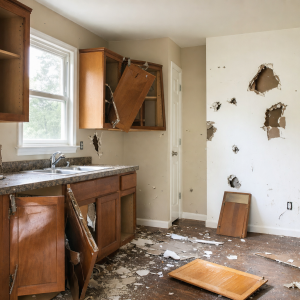
- Tear-out and rebuild. Saturated drywall, insulation, cabinetry, and flooring usually must be removed and replaced, not just dried.
- Contents losses. Furniture, electronics, rugs, documents, and stored belongings damaged by water or humidity add up fast.
- Matching issues. Replacing part of a floor or wall often means addressing adjoining areas so the finished repair looks uniform.
Because these hidden layers routinely push the true loss well past the deductible, a water event that looks minor on day one can be a five-figure repair by the time drying and demolition reveal the full extent. If you’re unsure whether your loss qualifies or how big it really is, getting water damage claim help in Burlington before you file can ensure the full scope of damage — visible and hidden — is documented from the start.
When Is It Smarter to Pay Out of Pocket Instead?
Paying out of pocket usually makes sense when the repair cost is close to your deductible, when the damage stems from a gradual leak or maintenance issue your policy likely excludes, or when a small claim could jeopardize your future insurability. Get a professional repair estimate first — never guess at the total.
When the Loss Is Barely Above Your Deductible
If your deductible is $1,000 or $2,500 and the repair estimate lands only slightly above it, filing a water damage insurance claim may net you very little money while still landing on your claims history. That history follows you: insurers share claim data, and even a small paid claim can affect how carriers view your risk when you renew or shop for coverage. As a rough rule of thumb, many homeowners choose to self-pay unless the loss meaningfully exceeds the deductible — enough that the payout justifies the paperwork and the mark on your record.
When the Damage Comes From a Gradual Leak or Deferred Maintenance
Homeowners policies are generally written to cover sudden and accidental water damage — a burst pipe, an appliance hose that fails, a water heater that lets go. They routinely exclude:
- Slow leaks that developed over weeks or months (under sinks, behind toilets, around tub surrounds)
- Damage caused by lack of maintenance, such as failed caulking, worn roof flashing, or corroded plumbing you knew about
- Long-term seepage through foundations or around windows
Filing a claim for damage that clearly falls into these categories often gets you a denial and a claim entry on your record — the worst of both worlds. If a plumber or contractor tells you the leak has been going on for a while, think carefully before filing.
Get a Real Estimate Before You Decide Anything
The biggest mistake homeowners make is eyeballing the damage and deciding it’s “just a small fix.” Water rarely stays where you can see it. It wicks up drywall, travels along framing and subfloor, and pools under flooring. In humid summer conditions — common across North Carolina — moisture spreads faster and mold can begin developing in damp materials within a day or two, turning a cosmetic repair into a remediation project.
Before choosing between a claim and self-pay:
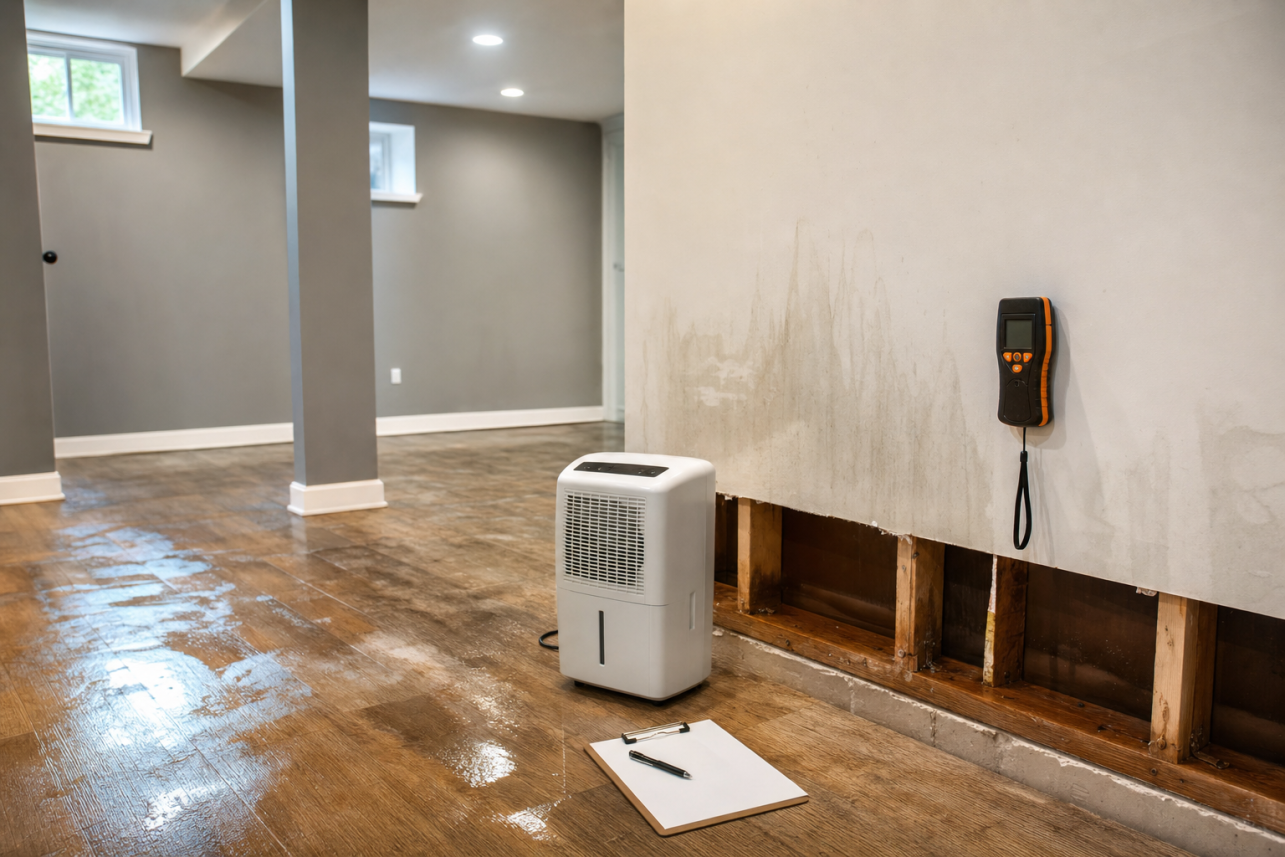
- Have a water mitigation company or contractor inspect with a moisture meter, not just a flashlight
- Ask for a written scope of repairs, including drying, tear-out, and rebuild — not just the visible fix
- Compare that full number to your deductible, not your first guess
If the true scope turns out to be far larger than it looked, filing a claim may be the smarter move after all — and you’ll be deciding with real numbers instead of hope.

Will a Water Damage Claim Raise My Rates or Get Me Dropped?
A single water damage insurance claim can raise your premium at renewal, but it rarely gets you dropped on its own. What insurers worry about most is a pattern — multiple claims in a few years signals ongoing risk. One well-documented claim for a genuine loss is usually a manageable event, not a dealbreaker.
How Claims Show Up on Your CLUE Report
Nearly every claim — and in some cases even an inquiry where you gave details about a loss — gets recorded in the Comprehensive Loss Underwriting Exchange, better known as your CLUE report. Insurers pull this report when you renew or shop for a new policy, and entries typically remain visible for up to seven years. That’s why it matters what gets reported and how:
- Paid claims appear with the type of loss and payout, and carry the most weight in underwriting.
- Denied or withdrawn claims can still appear, which is one reason to think before filing on a borderline loss.
- Water losses specifically tend to draw extra scrutiny, because insurers know one water event often predicts another — think aging plumbing or recurring drainage problems.
You’re entitled to a free copy of your CLUE report each year from LexisNexis, and it’s worth reviewing it for errors, since inaccurate entries can and should be disputed.
Frequency Matters More Than Severity
It may feel backwards, but a single large claim generally hurts your insurability less than several small ones. From an insurer’s perspective, one burst pipe during a cold snap is bad luck. Three water claims in five years looks like a poorly maintained home. In North Carolina, carriers weigh both your claim history and the property’s history — a house with repeated water losses can be harder to insure even under a new owner. Frequency is what triggers non-renewals; severity mostly affects pricing.
How to Protect Your Insurability While Still Using Your Coverage
You pay premiums precisely so coverage is there when a real loss hits — don’t let fear of a rate bump stop you from filing when the damage genuinely warrants it. Instead, be strategic:
- Reserve claims for significant losses. Save your claim history for events well above your deductible, and handle true nuisance repairs yourself.
- Fix the underlying cause. Repairing the source — old supply lines, failing water heaters, grading issues — prevents the repeat claims that actually get people non-renewed.
- Document mitigation efforts. Showing you acted fast to dry out the property and prevent mold demonstrates you’re a responsible policyholder.
- Ask before you assume. If you’re unsure whether a loss justifies filing, get a repair estimate first so you’re comparing real numbers against your deductible and long-term premium impact.
The bottom line: one legitimate, well-handled water damage insurance claim is a normal part of homeownership. It’s the pattern — not the single event — that puts your policy at risk.
What If the Insurer Denies or Underpays My Water Damage Claim?
A denial or lowball offer is not the final word. You have the right to request the denial in writing, challenge the insurer’s reasoning, submit additional evidence, invoke appraisal, or take legal action. Policyholders regularly overturn wrongful denials — especially when the damage is well documented and the insurer’s stated reason doesn’t match the facts.
Common Tactics Insurers Use to Deny or Underpay
Water damage claims are among the most frequently disputed because the difference between a covered loss and an excluded one often comes down to interpretation. Watch for these patterns:
- Calling storm damage “wear and tear.” Wind drives rain through a roof opening, but the adjuster attributes the leak to an aging roof and denies the claim as deferred maintenance.
- Reclassifying a sudden leak as “gradual.” Most policies cover sudden and accidental discharge but exclude long-term seepage. Insurers sometimes label a burst pipe or supply-line failure as a slow leak to trigger the exclusion — even when you had no way of knowing about it.
- Blaming excluded flood or groundwater. If there’s any argument the water came from outside rising water rather than a covered source, some carriers will lean on it, even when the evidence points to a plumbing or roof failure.
- Underscoping the repair. Rather than deny outright, the insurer pays for surface drying but omits demolition, mold remediation, matching flooring, or code-required upgrades — leaving you thousands short of an actual repair.
Policyholders Do Win These Disputes
Courts have repeatedly sided with homeowners in water damage disputes when the facts were documented. In one appellate decision involving denied water damage to a policyholder’s property, the court found the insurer had wrongly characterized the loss to avoid coverage, and the homeowner prevailed — a reminder that an insurer’s initial denial letter is an opinion, not a verdict. The recurring lesson from these cases: judges and juries look at the evidence, not the label the adjuster attached to it. Photos taken immediately after the loss, plumber or roofer reports identifying the cause, moisture readings, and repair invoices are what carry the day.
Steps to Take After a Denial or Low Offer
- Get the denial in writing, including the specific policy language the insurer is relying on.
- Read that language yourself. Exclusions are interpreted narrowly, and ambiguity is generally construed in the policyholder’s favor.
- Gather independent evidence — a licensed plumber, roofer, or water mitigation contractor can document the true cause and scope of the loss.
- Request a re-inspection or invoke appraisal if the dispute is about the amount rather than coverage.
- Escalate if needed. A complaint to your state’s Department of Insurance, help from a public adjuster, or consultation with an attorney can move a stalled water damage insurance claim forward.
The key is refusing to treat the first “no” as the last one. Insurers count on many policyholders simply walking away.
How Can an NC Public Adjuster Help With a Water Damage Claim?
A licensed and bonded North Carolina public adjuster works exclusively for you, the policyholder — not the insurance company. They independently document the damage, map hidden moisture, interpret your policy’s coverage language, and negotiate the settlement on your behalf, helping ensure your water damage insurance claim reflects the full scope of the loss rather than a quick, low estimate.
The adjuster your insurance company sends is employed or contracted by the insurer. A public adjuster levels the playing field by bringing the same expertise to your side of the table. In North Carolina, public adjusters must be licensed through the North Carolina Department of Insurance, which sets standards for conduct, bonding, and continuing education.
What a Public Adjuster Actually Does
- Independent damage documentation: Detailed photos, video, and written inventories of everything the water touched — including contents, flooring layers, and building materials the insurer’s estimate may gloss over.
- Moisture mapping: Using moisture meters and thermal imaging to find water trapped behind walls, under floors, and inside insulation. Water travels far from the visible leak, and undetected moisture leads to mold and structural problems that a surface-level inspection misses.
- Policy interpretation: Water losses are among the most coverage-sensitive claims. A public adjuster reads your specific policy — sudden-and-accidental language, exclusions, endorsements, and deadlines — and frames the claim around what the policy actually covers.
- Scope and estimate preparation: Building a line-item repair estimate that accounts for proper drying, tear-out, matching materials, and code-required upgrades, not just cosmetic patching.
- Negotiation: Handling communication with the insurer’s adjuster, responding to requests for documentation, and pushing back on undervalued line items so you don’t have to argue over drywall pricing while your home is torn apart.
Why Getting One Involved Early Matters — Especially in Summer
Summer water losses in North Carolina move fast. Heat and humidity accelerate mold growth, sometimes within days, and evidence disappears as demolition and drying begin. When a public adjuster is on site before or alongside the insurer’s inspection, the damage is documented while it’s still visible, which makes it much harder for a carrier to justify a lowball offer later. It’s far easier to establish the full scope up front than to reopen a claim after repairs start.
One important note: if your water came from rising water or storm surge rather than a plumbing failure, that’s typically a flood claim handled under a separate flood policy. You can learn how flood coverage works through FEMA’s National Flood Insurance Program.
No public adjuster can guarantee a specific outcome — and you should be wary of anyone who does. What a reputable, licensed professional can promise is a thoroughly documented, properly presented water damage insurance claim and an advocate who answers only to you.
Water Damage Insurance Claim: When to File vs. Pay Out of Pocket
| Scenario | File a Claim? | Why |
|---|---|---|
| Burst pipe causing major damage to floors and walls | Yes | Sudden, accidental damage well above deductible is typically covered |
| Minor leak with repair cost near your deductible | Usually no | Small payout isn’t worth potential premium increases |
| Gradual leak or long-term seepage | Often not covered | Most policies exclude damage from lack of maintenance |
| Flooding from outside water (storm surge, rising water) | Only with flood insurance | Standard homeowners policies exclude flood damage |
| Sewer or drain backup | Depends on policy | Usually requires a separate endorsement or rider |
Illustrative Example: The Burst Pipe Decision
Illustrative example
Consider a hypothetical homeowner who discovers a burst pipe has soaked their kitchen floor and lower cabinets over a weekend away. They shut off the water, photograph everything, and get a contractor’s estimate that comes in several times higher than their deductible. Because the damage was sudden and accidental, their insurer covers the repairs, making the claim clearly worthwhile despite a modest premium increase at renewal. Had the estimate been only slightly above the deductible, paying out of pocket would likely have been the smarter long-term choice.
Frequently asked questions
When is it not worth filing a water damage insurance claim?
It’s usually not worth filing when the repair cost is close to or below your deductible, or only slightly above it. Filing a small claim can raise your premiums for years and goes on your claims history, which insurers review when setting rates. Get a repair estimate first, compare it to your deductible, and consider paying out of pocket if the difference is small.
Will my homeowners insurance rates go up if I file a water damage claim?
Often, yes. Water damage claims are among the most common types insurers see, and filing one can increase your premium at renewal. The claim also stays on your claims record, typically for several years, which can affect rates even if you switch insurers. A single claim may have a modest impact, but multiple claims in a short period can lead to steep increases or nonrenewal.
How long does a water damage insurance claim take to pay out?
Straightforward claims are often resolved within a few weeks, while complex ones involving large losses, disputes over coverage, or extensive repairs can take months. Timelines depend on how quickly you report the damage, provide documentation, and meet with the adjuster. Many states have laws requiring insurers to acknowledge and decide claims within set timeframes, so ask your insurer for their expected schedule upfront.
What types of water damage are typically not covered by homeowners insurance?
Standard policies generally exclude flood damage from outside water, sewer or drain backups (unless you added an endorsement), gradual leaks, and damage caused by poor maintenance or neglect. Sudden and accidental events, like a burst pipe, are usually covered. Damage that developed slowly over weeks or months is often denied, which is why documenting when the damage started matters so much.
What should I do immediately after finding water damage in my house?
Stop the water source if you safely can, such as shutting off the main valve. Take photos and videos of everything before cleanup. Move belongings out of the water, and start drying the area to prevent mold. Keep damaged items and receipts for any emergency repairs. Then notify your insurer promptly, since most policies require you to report damage quickly and take reasonable steps to prevent further loss.
Why do insurance companies deny water damage claims?
Common reasons include damage classified as gradual rather than sudden, evidence of deferred maintenance, exclusions like flooding or sewer backup, late reporting, or insufficient documentation. Insurers may also argue the damage existed before your policy started. Many denials can be challenged, so read the denial letter carefully, request the specific policy language cited, and consider getting an independent assessment before accepting the decision.
Can I dispute a lowball offer on a water damage claim?
Yes. Start by requesting the adjuster’s detailed estimate and comparing it against quotes from independent contractors. Submit your own documentation, photos, and repair bids in writing. If the gap remains, you can request a re-inspection, invoke the appraisal clause in your policy, hire a public adjuster, or file a complaint with your state’s insurance department. Many initial offers increase once homeowners push back with evidence.
Should I call a plumber or my insurance company first for water damage?
Stop the active damage first, which often means calling a plumber or emergency mitigation company right away. Insurers expect you to prevent further loss, and delays can hurt your claim. Then call your insurer as soon as possible, ideally the same day. Just document everything before repairs begin and keep the damaged parts, like a burst pipe section, as evidence for the adjuster.
Does filing a water damage claim affect selling my house later?
It can. Claims are recorded in industry databases that insurers and sometimes buyers’ insurers can access, and a history of water claims may make the home harder or more expensive to insure. In many states, sellers must also disclose known water damage. Properly documented, professionally completed repairs help reassure buyers, so keep records of mitigation work and any mold remediation performed.
Is it better to pay out of pocket for minor water damage?
Often, yes. If drying, minor repairs, or replacing a small section of flooring costs little more than your deductible, paying yourself avoids a claim on your record and potential premium increases. The math changes for major losses involving structural drying, mold remediation, or replacing floors and drywall throughout a room, where costs can far exceed what most people can comfortably absorb. Get an estimate before deciding.
Water Damage Claim help near you
- House Insurance Claim For Water Damage Morrisville
- Water Damage Claims Adjuster Knightdale
- Water Damage Coverage Insurance Fuquay-varina
Related local pages
Not sure if your water damage is worth a claim? Get a free, no-obligation policy and damage review from our licensed and bonded NC public adjusters before you call your insurer. Get in touch.
Last updated: September 5, 2026