State Farm Adjuster Not Responding? Here’s What It Means for Your Claim
A State Farm adjuster not responding does not mean your claim has been denied or forgotten — it usually means the claim is stalled, overloaded, or sitting in a queue. Silence is a delay problem, not a death sentence, and North Carolina homeowners have clear, practical steps they can take to get the claim moving again.
Key takeaways
- If your State Farm adjuster is not responding, put every follow-up in writing (email or letter) so you build a dated record of the delay.
- Escalate past the adjuster by calling State Farm’s main claims line and asking for the adjuster’s team manager or a supervisor by name.
- North Carolina’s Unfair Claims Settlement Practices law (N.C. Gen. Stat. § 58-63-15(11)) prohibits insurers from failing to acknowledge and act promptly on property claims.
- You can file a free complaint with the North Carolina Department of Insurance, which requires the insurer to respond on the record.
- In Gray v. North Carolina Insurance Underwriting Association, the NC Supreme Court allowed homeowners to pursue bad faith and unfair trade practice claims after an insurer mishandled their storm-damage property claim — proof that policyholders can hold insurers accountable.
It’s an unsettling feeling. You’ve reported the damage, sent the photos, maybe even met the adjuster in person — and then nothing. Days turn into weeks, your voicemails go unanswered, and your home still isn’t repaired. Before you assume the worst, it helps to understand why this happens and what it actually signals about your claim.
Why Delays Happen — Especially During Fall Storm Season
In North Carolina, late summer and fall bring hurricanes, tropical remnants, and heavy rain events that generate thousands of claims in a short window. When that happens, adjusters get reassigned, caseloads balloon, and individual files can sit untouched. Common reasons your adjuster has gone quiet include:
- Catastrophe overload: after a major storm, adjusters may carry far more files than they can realistically manage.
- Reassignment: your file may have been handed to a new adjuster without anyone telling you.
- Missing documentation: the claim may be paused waiting on paperwork no one clearly requested from you.
- Internal review: larger or more complex losses often sit with supervisors or specialty units.
None of these excuses your insurer from its obligations. North Carolina courts have made clear that policyholders are not powerless when a carrier mishandles a claim. In Gray v. North Carolina Insurance Underwriting Association, the North Carolina Supreme Court allowed homeowners to pursue the insurer for unfair claim settlement practices after their storm-damaged dwelling claim was mishandled — a reminder that stalling and poor communication can carry real consequences for insurance companies in this state.
Immediate Steps to Regain Control
- Put everything in writing. Follow every call with an email so you build a dated paper trail.
- Log your contact attempts. Note each date, time, and method — this record matters if you escalate.
- Go over the adjuster’s head. Ask State Farm’s claims department for the adjuster’s supervisor or a claim team manager.
- Know your rights. The NC Department of Insurance accepts consumer complaints about unresponsive carriers.
- Get your own expert. A licensed public adjuster in Garner or elsewhere in the Triangle can document your damages independently and communicate with the carrier on your behalf.
The key takeaway: silence from your adjuster is a signal to act, not to wait. Homeowners across the state — from Raleigh’s suburbs to smaller Johnston County communities — face the same stall tactics, which is why working with a licensed and bonded public adjuster near Wilsons Mills NC is often the turning point in a stalled claim. The sections below walk through exactly how long State Farm has to respond in North Carolina and what to do at each stage.
Why Is My State Farm Adjuster Ignoring My Calls and Emails? Common Reasons a State Farm Adjuster Is Not Responding
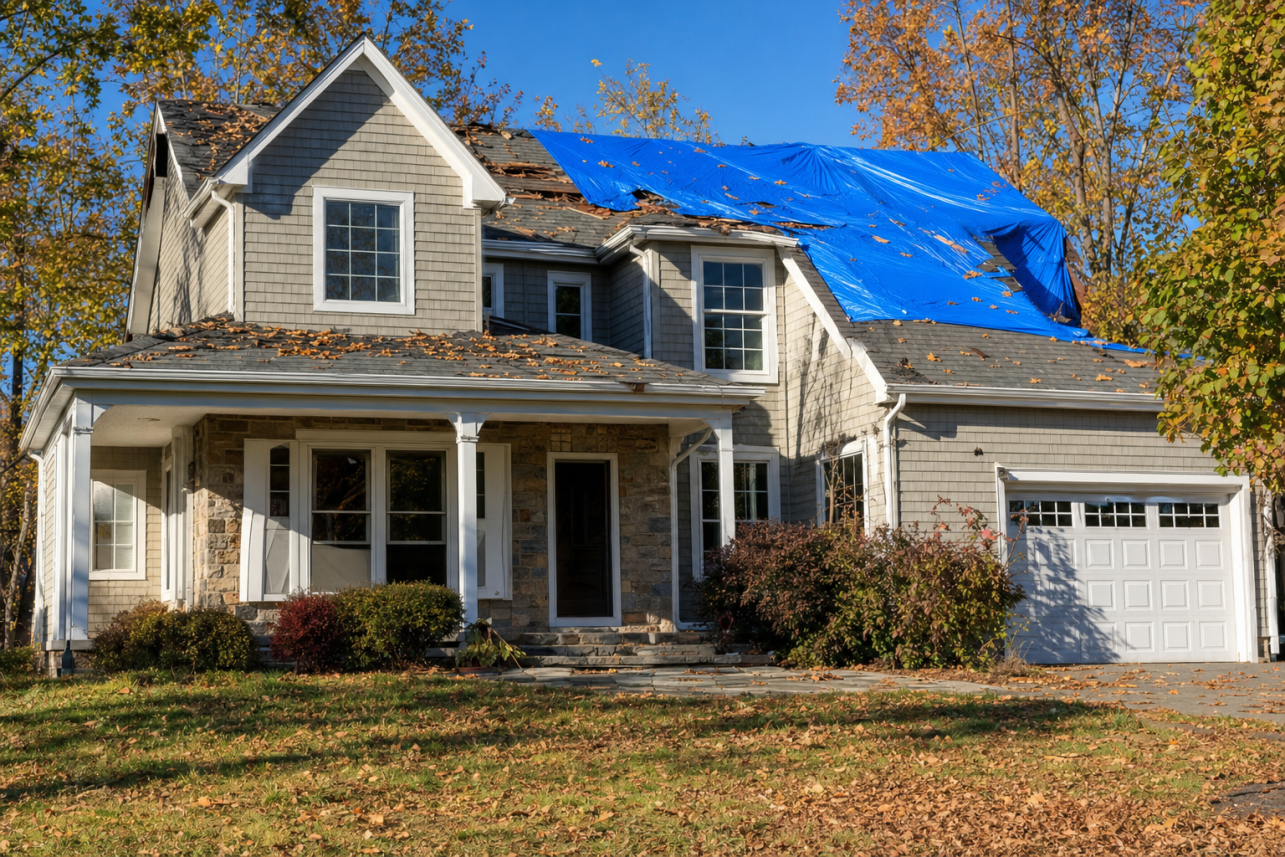
A State Farm adjuster not responding usually comes down to one of four things: an overloaded desk after fall storms and hurricane season, your claim being quietly reassigned to a new adjuster, understaffed catastrophe teams juggling hundreds of files, or — in some cases — deliberate delay. Knowing which one you’re facing helps you decide how hard to push.
Most of the time, the silence isn’t personal. But that doesn’t make it acceptable, and it doesn’t mean you should simply wait. Here’s a plain-language look at what’s likely happening behind the scenes.
Adjuster Overload After Storm Season
In North Carolina, late-summer hurricanes and fall storm systems can generate thousands of property claims in a matter of days. A single desk adjuster may suddenly be responsible for far more files than they can realistically work. Your voicemail isn’t being ignored out of spite — it’s sitting in a queue behind dozens of others. Homeowners who work with a public adjuster in Garner often find that having a licensed professional documenting and pushing the file keeps it from sliding to the bottom of that pile.
Your Claim May Have Been Reassigned
Large carriers reassign claims constantly — adjusters transfer, leave, or get pulled onto catastrophe duty. When that happens, your file can sit unassigned for days or weeks, and the person you’ve been calling may no longer even have access to it. If your emails suddenly go unanswered after steady communication, reassignment is a common culprit. Call the general claims line and ask directly: “Who is the adjuster currently assigned to my claim?”
Understaffed Catastrophe Teams
After a declared catastrophe, insurers deploy temporary “CAT” adjusters, many from out of state. These teams rotate quickly, and files get handed off repeatedly. Each handoff is a chance for your documentation, photos, and estimates to fall through the cracks — which is why keeping your own written record of every contact matters so much.
When Delay Starts to Look Like a Stall Tactic
Sometimes silence is a strategy. Warning signs include:
- Repeated requests for documents you’ve already sent
- A new adjuster who “needs to start the review over”
- Vague promises of a call back that never comes
- Long gaps with no written explanation for the delay
Courts have long recognized that insurers owe policyholders a duty of good faith in handling claims. In the landmark case Gruenberg v. Aetna Insurance Co., the California Supreme Court allowed a policyholder to sue his insurers for bad-faith handling of a fire damage claim to his building, holding that an insurer’s duty of good faith and fair dealing extends to how it investigates and processes a claim — not just whether it eventually pays. The lesson for homeowners: unreasonable claim handling has consequences for insurers.
If you’re seeing these red flags on a stalled claim in Johnston County, talking with a licensed and bonded public adjuster in Wilsons Mills, NC can help you tell the difference between an overwhelmed adjuster and a carrier that’s dragging its feet.
How Long Does State Farm Have to Respond in North Carolina?
In North Carolina, State Farm must acknowledge your claim with reasonable promptness and complete its investigation within a reasonable time under N.C. Gen. Stat. § 58-63-15(11). The statute doesn’t set a fixed number of days, but repeated unreturned calls, weeks of silence, or an investigation that drags on without explanation can qualify as an unfair claim settlement practice.
North Carolina’s unfair claim settlement practices law is the key measuring stick here. It doesn’t matter whether your claim involves fire, water, smoke, or damaged contents — the insurer’s duty to communicate and investigate applies to all of it. If your State Farm adjuster is not responding, the statute gives you the vocabulary to describe exactly what’s going wrong.
What N.C. Gen. Stat. § 58-63-15(11) Requires
Among other things, the statute makes it an unfair practice for an insurer to:
- Fail to acknowledge and act reasonably promptly on communications about a claim
- Fail to adopt and implement reasonable standards for promptly investigating claims
- Refuse to pay a claim without conducting a reasonable investigation based on all available information
- Fail to affirm or deny coverage within a reasonable time after proof of loss is submitted
- Fail to promptly provide a reasonable explanation for denying a claim or offering a compromise settlement
What Counts as an Unreasonable Delay?
Because the law uses “reasonable” rather than hard deadlines, context matters. A complex fire loss legitimately takes longer to investigate than a straightforward contents claim. But silence is never reasonable. Warning signs of an unreasonable delay include weeks passing with no acknowledgment of your calls or emails, an inspection that never gets scheduled, repeated requests for documents you’ve already sent, and no coverage decision long after you’ve submitted your proof of loss. Homeowners dealing with large water losses — like those handled by a public adjuster for water damage in Bear Creek — often see delays worsen as mitigation and repair estimates pile up without a response.
North Carolina Courts Have Backed Policyholders
These rules have real teeth. In Gray v. North Carolina Insurance Underwriting Association, the North Carolina Supreme Court sided with homeowners whose beach houses were damaged by a hurricane, holding that an insurer’s violation of § 58-63-15(11) in handling their property claim could support a claim for unfair and deceptive trade practices — which carries the possibility of treble damages. In other words, a pattern of stonewalling isn’t just frustrating; it can create legal exposure for the carrier.
Document every unanswered call and email with dates and times. That paper trail is what turns “my adjuster is slow” into evidence of an unreasonable delay. If you’re unsure whether the timeline on your claim has crossed the line, a licensed and bonded public adjuster in Selma NC can review your file and tell you honestly where things stand.
What Should I Do If My State Farm Adjuster Is Not Responding?
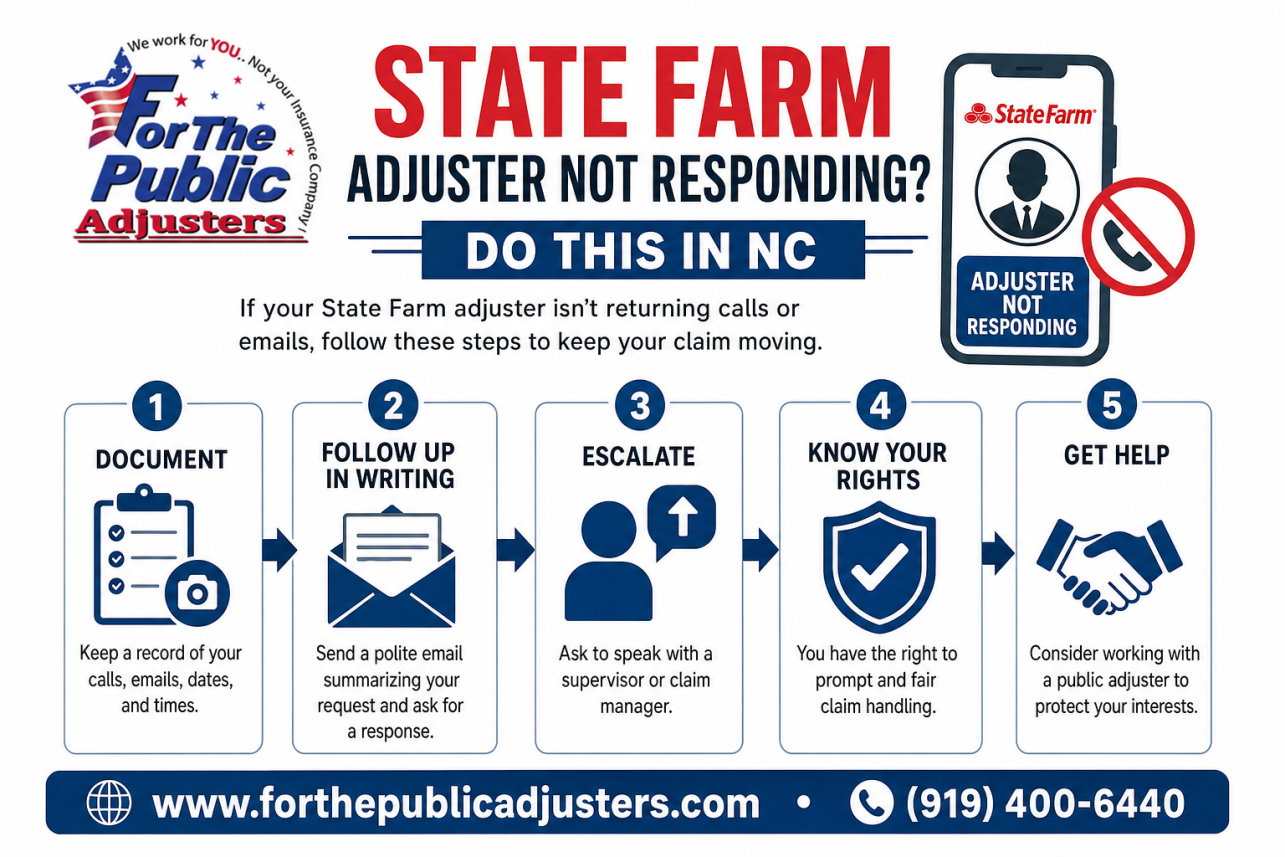
If your State Farm adjuster won’t call you back, document every contact attempt, switch all communication to writing, ask for the adjuster’s supervisor, and file a complaint with the North Carolina Department of Insurance if silence continues. While you escalate, take reasonable steps to protect your home from further damage, keeping receipts for everything.
A State Farm adjuster not responding is frustrating, but the way you respond in the next few weeks can strengthen your claim significantly. Here is the escalation path that tends to get results in North Carolina.
Step 1: Build a Paper Trail
Start a simple log today. Every phone call, voicemail, email, and letter should be recorded with the date, time, who you tried to reach, and what happened. This record matters because North Carolina’s unfair claim settlement practices rules prohibit insurers from failing to acknowledge communications with reasonable promptness — but you have to be able to prove the silence.
Step 2: Put Everything in Writing
Stop relying on phone calls. Send a short, polite email or letter referencing your claim number, summarizing your unanswered attempts, and requesting a written status update by a specific date. Written requests create accountability that voicemails never will, and they become evidence if the delay turns into a bad-faith dispute. Courts have long recognized that insurers owe policyholders fair dealing — in Gruenberg v. Aetna Insurance Co., a landmark fire-loss case, the court allowed the insured to pursue the insurer for bad-faith handling of a property claim.
Step 3: Go Over the Adjuster’s Head
- Ask for a supervisor or team manager by name, in writing, and copy them on your status request.
- Call State Farm’s main claims line and ask whether your file can be reassigned to a different adjuster.
- Reference your written log so the supervisor understands the delay is documented.
Step 4: File a Complaint with the NC Department of Insurance
If written requests and supervisor escalation don’t break the silence, file a consumer complaint with the North Carolina Department of Insurance. It’s free, can be done online, and insurers are required to respond to the Department. A regulator’s inquiry often gets a stalled file moving quickly. Many homeowners also bring in a licensed Public Adjuster in Silk Hope NC at this stage to take over communication entirely.
Step 5: Protect Your Home in the Meantime
Your policy requires you to prevent further damage, and fall weather in North Carolina — heavy rain, falling limbs, and early cold snaps — can make an open roof or broken window much worse. Tarp exposed areas, remove hazards, and photograph everything before and after. If a storm has dropped limbs on your roof, professional tree damage insurance claim help in Carrboro can ensure that damage is documented properly. Keep every receipt for tarps, temporary repairs, and mitigation work — those costs are typically reimbursable under your policy.
Can Homeowners Actually Win Against a Stalling Insurance Company?
Yes. North Carolina homeowners have taken stalling insurers to court and won. In Gray v. North Carolina Insurance Underwriting Association, the North Carolina Supreme Court upheld a bad-faith verdict — including punitive damages — for homeowners whose Hurricane Fran damage claim was delayed and underpaid. Courts in this state do not tolerate unjustified claim delays.
If your State Farm adjuster is not responding, it can feel like the company holds all the cards. The Gray case is proof that it doesn’t. When an insurer drags its feet, lowballs a legitimate home damage claim, or ignores clear evidence of loss, North Carolina law gives policyholders real remedies — and juries have used them.
What Happened in Gray v. North Carolina Insurance Underwriting Association
After Hurricane Fran struck in 1996, the Gray family’s coastal home suffered serious damage. Instead of promptly and fairly paying the claim, the insurer delayed and offered far less than the loss was worth. The homeowners sued, and the case ultimately reached the North Carolina Supreme Court, which held that the insurer’s conduct could support claims for bad faith and unfair and deceptive trade practices — and that punitive damages were appropriate. Storm losses like these often involve fallen trees and structural damage, the same kinds of losses seen in a tree damage insurance claim in Carrboro and across the state.
Why This Case Matters for Your Stalled Claim
- Delay itself can be evidence of bad faith. An insurer that sits on a valid claim without a legitimate reason is taking a legal risk, not just an administrative shortcut.
- Underpayment plus stalling is a dangerous combination for insurers. The Gray court looked at the whole pattern of conduct, not just one missed phone call.
- Punitive damages are on the table in North Carolina. When bad faith is aggravated by unfair conduct, homeowners can recover more than the policy amount — a powerful incentive for insurers to act fairly.
- Documentation wins cases. The homeowners’ records of the damage, their communications, and the insurer’s responses were central to proving their claim.
What This Means for You Right Now
You don’t have to file a lawsuit to benefit from this precedent. Insurers and their attorneys know cases like Gray exist, and a well-documented, professionally presented claim signals that you understand your rights. That alone often changes how quickly a stalled file gets attention. Many homeowners level the playing field long before court by working with a licensed public adjuster in Moncure, NC or elsewhere in the state who can document the loss thoroughly and press the claim forward.
The takeaway is simple: silence from an adjuster is not the end of your claim. North Carolina’s courts have already shown that homeowners who stand their ground — with solid evidence and persistence — can prevail against even the largest insurance companies.
When Should I Bring In a Public Adjuster for a Stalled State Farm Claim?
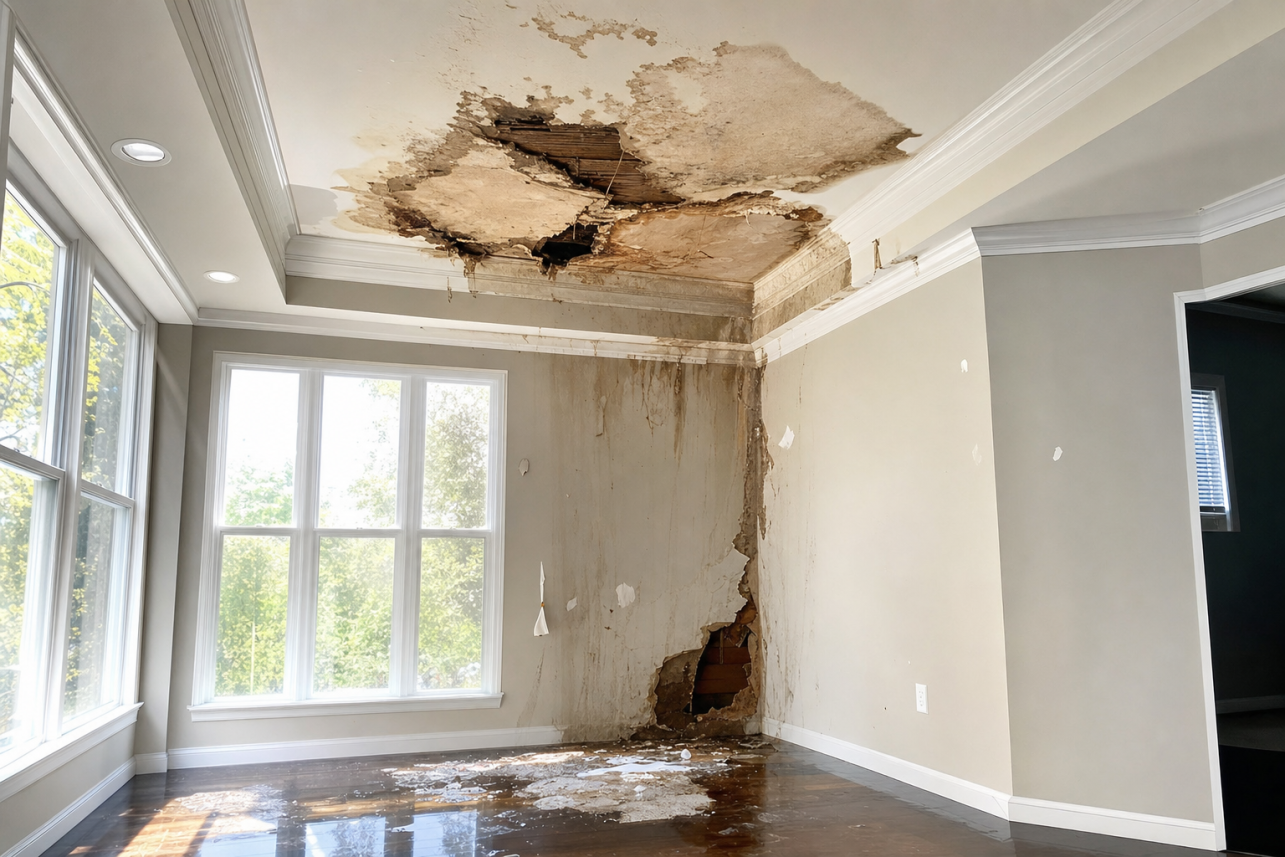
Bring in a licensed public adjuster when weeks of silence have passed, your documented follow-ups are going unanswered, and your home, building, or contents claim has stopped moving. A public adjuster works only for you — not the insurer — documenting the loss, managing all communication with State Farm, and pushing the claim toward resolution.
If your State Farm adjuster is not responding despite your best efforts, the real question is whether you have the time, records, and policy knowledge to keep pressing on your own. Public adjusters do this every day, and in North Carolina they must be licensed by the North Carolina Department of Insurance and bonded — a meaningful layer of accountability that a random “claims consultant” doesn’t carry.
Signs It’s Time to Get Professional Help
- Your calls and emails have gone unanswered for weeks, even after escalating.
- The claim involves significant structural, water, fire, or smoke damage where an incomplete estimate could cost you.
- State Farm has requested the same documents more than once or keeps reassigning your file.
- You’ve received a lowball estimate and the adjuster won’t discuss the differences.
- Deadlines in your policy — like proof-of-loss requirements — are approaching and you’re getting no guidance.
What a Public Adjuster Actually Does for a Stalled Claim
A public adjuster inspects and documents the full scope of your loss — structure, systems, and contents — then prepares a detailed, line-item estimate to support your claim. From there, they handle communication with State Farm in writing, respond to information requests promptly so the insurer can’t blame delays on you, and negotiate the claim on your behalf. For losses like a burst pipe or slow leak, a water damage adjuster in Mebane can also identify hidden damage — saturated insulation, subfloor damage, mold risk — that a rushed inspection often misses.
Fire and smoke losses deserve the same thoroughness, because smoke, soot, and odor damage frequently extend far beyond the burn area. Homeowners dealing with a stalled or underpaid fire loss can get fire damage claim help in Garner to make sure the entire loss — including contents and additional living expenses — is properly presented.
Honest Expectations — No Guarantees
A reputable public adjuster will never promise a specific outcome or dollar figure, and you should be wary of anyone who does. What they can do is ensure your loss is fully documented, your policy rights are asserted, and State Farm has no procedural excuse to sit on your file. Before hiring anyone, verify their license and review consumer guidance from the National Association of Insurance Commissioners. Most public adjusters work on a contingency fee, so make sure the agreement is in writing and the percentage is clear before you sign.
State Farm Adjuster Not Responding: Your Escalation Options in NC
| Option | What It Involves | Best When |
|---|---|---|
| Written follow-up to the adjuster | Email or certified letter requesting a status update and response deadline | Silence has lasted more than a few business days |
| Ask for a supervisor | Call State Farm claims and request the adjuster’s team manager | Repeated calls and emails go unanswered |
| NC Department of Insurance complaint | Free complaint that requires State Farm to formally respond | Delays continue after written follow-ups |
| Hire a licensed public adjuster | A licensed, bonded professional manages the claim and communications for you | The claim is complex or you feel outmatched |
| Consult an attorney | Review possible breach of contract or bad faith claims under NC law | The delay is causing real financial harm |
Illustrative Example: Breaking Through the Silence on a Water Damage Claim
Illustrative example
Consider a hypothetical Raleigh homeowner whose kitchen suffered significant water damage from a burst pipe, and whose State Farm adjuster stopped returning calls for several weeks after the initial inspection. Rather than waiting, she sent a dated email summarizing every unanswered call, requested a written status update, and asked for the adjuster’s supervisor by name. When the silence continued, she filed a complaint with the North Carolina Department of Insurance and brought in a licensed public adjuster to document the full scope of damage to the home and its contents. Within weeks, communication resumed and the claim moved forward to a resolution she felt fairly reflected her documented losses. This is a composite scenario for illustration only — every claim is different and outcomes are never guaranteed.
Frequently asked questions
Why is my State Farm adjuster not responding to my calls and emails?
The most common reasons are heavy caseloads after storms, staff turnover, or your file being reassigned without anyone telling you. Sometimes the adjuster is waiting on an internal review or an engineer’s report and simply hasn’t communicated that. None of these excuse silence, but they explain it. Start by calling State Farm’s main claims line, confirm who currently owns your file, and ask for a status update in writing.
Is a State Farm adjuster not responding a sign my claim will be denied?
Not necessarily. Silence more often signals a backlogged or reassigned file than a coming denial. That said, long unexplained delays can hurt you, because evidence of your home or contents damage can degrade over time. Treat the silence as a prompt to act: document every contact attempt, put your requests in writing, and escalate to a supervisor. A quiet file is a stalled file, and stalled files need pressure to move.
How long should I wait before escalating past the adjuster?
If you’ve left two or three messages over a week or two with no reply, it’s reasonable to escalate. Call the claims department, ask for the adjuster’s team manager, and request a written status update. North Carolina law expects insurers to handle claims with reasonable promptness, so persistent silence is worth pushing back on. Keep a simple log of every call, email, and letter with dates — it becomes powerful evidence later.
Can I file a complaint against State Farm with the North Carolina Department of Insurance?
Yes, and it’s free. The NC Department of Insurance accepts consumer complaints online or by mail, and the insurer must respond to the Department about your file. A complaint often gets a stalled claim moving because it creates a paper trail regulators can see. Include your claim number, a timeline of your contact attempts, and copies of any written correspondence. Filing a complaint does not prevent you from pursuing other remedies.
Can State Farm cancel my policy or retaliate because I complained?
Insurers cannot lawfully retaliate against you for filing a Department of Insurance complaint or for asserting your rights under the policy. North Carolina’s unfair claim settlement practices law prohibits insurers from pressuring policyholders through delay or intimidation. In practice, complaints usually get files more attention, not less. Stay factual and professional in everything you send — a calm, well-documented policyholder is the hardest one to ignore.
Can I sue an insurance company in North Carolina for delaying or mishandling my property claim?
Yes. In Gray v. North Carolina Insurance Underwriting Association, the North Carolina Supreme Court allowed homeowners whose hurricane-damaged home claim was mishandled to pursue claims for unfair and deceptive trade practices, which can carry treble damages. Every case turns on its own facts, so talk to a North Carolina attorney about your specific situation. Before suing, most policyholders try escalation, a Department of Insurance complaint, or professional claim help first.
What does it cost to hire a public adjuster for a stalled State Farm claim?
Licensed public adjusters in North Carolina typically work on a contingency fee — a percentage of the claim settlement that must be spelled out in a written contract before any work begins. There’s usually no upfront cost, and fees are regulated by the state. Because the adjuster only earns a fee from what the claim pays, their interest is aligned with yours. Always confirm the adjuster is licensed and bonded before signing anything.
Should I hire a public adjuster or a lawyer when the adjuster goes silent?
It depends on where the claim stands. If the claim is stalled, underpaid, or the damage to your home, building, or contents hasn’t been fully documented, a licensed public adjuster can re-open communication, prepare a detailed estimate, and negotiate on your behalf. If State Farm has formally denied the claim or you believe the insurer acted in bad faith, an attorney is usually the right next step. Many policyholders start with a public adjuster and escalate only if needed.
What are the biggest mistakes people make when their adjuster stops responding?
The big ones: communicating only by phone with no written record, waiting months hoping the adjuster calls back, throwing away damaged contents before they’re documented, making permanent repairs before the damage is inspected, and accepting the first offer just to end the frustration. Also, missing policy deadlines for proof of loss can jeopardize the whole claim. Put everything in writing, photograph everything, and keep receipts for temporary repairs and living expenses.
What should I send State Farm in writing to get my claim moving again?
Send a short, dated letter or email that includes your claim number, the date of loss, a summary of your contact attempts, and a specific request — for example, a written status update, the current adjuster’s name, or a date for reinspection. Ask them to respond in writing by a reasonable deadline. Send it to the adjuster, their supervisor, and keep a copy. A clear written record is your best protection if the delay continues.
Related local pages
Tired of chasing your adjuster? Get a free claim review from our licensed and bonded NC public adjusters today. Get in touch.
Last updated: September 27, 2026