Why a Delayed Business Interruption Claim Can Kill a Healthy Business
A delayed business interruption claim can destroy an otherwise healthy business, because this coverage only works if it pays quickly — and a landmark policyholder victory established that courts can hold insurers financially accountable when the delay itself, not just the original disaster, is what puts a company out of business.
Key takeaways
- In Bi-Economy Market v. Harleysville (2008), New York’s highest court held that an insurer can owe consequential damages beyond policy limits when its bad-faith delay of a business interruption claim destroys the policyholder’s business.
- Business interruption coverage exists to keep a company alive after a disaster, so courts recognize that slow-walked payments can defeat the very purpose of the policy.
- Consequential damages for bad-faith claim handling can include the lost value of the business itself, not just the amounts owed under the policy.
- North Carolina business owners facing a delayed business interruption claim have their own remedies, including unfair claim settlement practices statutes that can support treble damages.
- Document every communication, deadline, and financial loss during a claim delay — that paper trail is what turns a frustrating claim into a winnable bad-faith case.
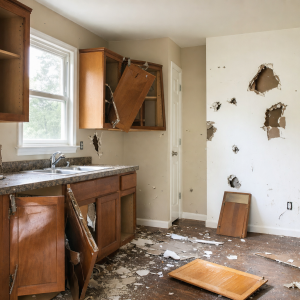
Business interruption insurance exists for one reason: to keep money flowing when your operations stop. Rent, payroll, loan payments, and supplier obligations don’t pause while an insurer reviews paperwork. When a small business like a deli, restaurant, or retail shop suffers a fire or storm loss, every week without payment drains reserves that may never come back. Owners max out credit cards, lose key employees, and watch loyal customers drift to competitors. By the time a slow-moving claim finally pays, the business the policy was supposed to protect may no longer exist.
Delay Is the Damage
This is the cruel math of business interruption coverage: the harm compounds daily. A structure claim delayed six months means a building repaired six months late. A business interruption claim delayed six months can mean a business that never reopens at all. That’s why the case at the center of this article matters so much — a court recognized that an insurer’s unreasonable delay can itself cause a separate, foreseeable injury beyond the policy limits. Property owners recovering from a blaze often discover this the hard way, which is why many turn to fire damage claim help in Garner and similar professional support early, before the delay spiral begins.
A Timely Warning for North Carolina Business Owners
The timing of this lesson matters here in North Carolina. Summer brings a familiar mix of risks that trigger business interruption losses:
- Severe thunderstorms and high winds that tear off roofs and knock out power
- Lightning strikes and electrical fires that gut kitchens, stockrooms, and offices
- Fallen trees and water intrusion that force temporary closures during peak revenue months
When one of these events shuts your doors, the clock starts immediately — on your expenses, your lease, and your customers’ patience. An insurer that requests document after document, reassigns your file repeatedly, or sits silent for weeks is transferring that financial pressure onto you. Working with an experienced public adjuster in High Point NC or elsewhere in the state can help you document the loss thoroughly and push the claim forward before delay becomes destruction.
In the sections that follow, we’ll look at the case that changed how courts view claim delays, what North Carolina law says about insurer accountability, the warning signs your claim is being slow-walked, and the concrete steps you can take to fight back.

What Happened in the Bi-Economy Market Case — and Why Policyholders Won?
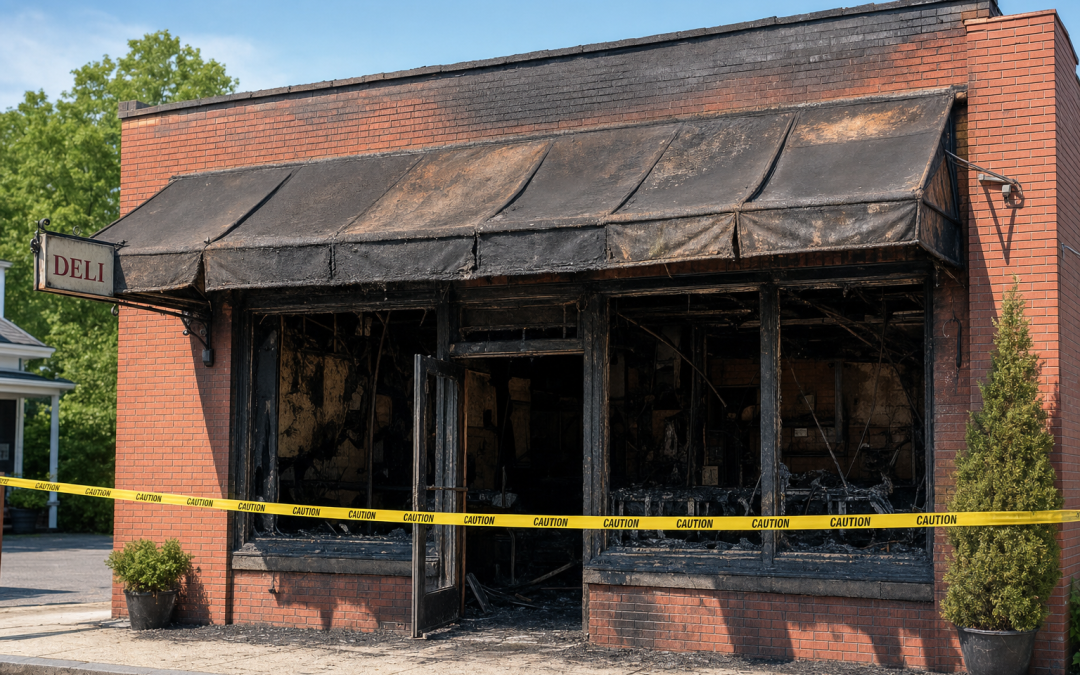
In Bi-Economy Market v. Harleysville, a fire destroyed a family-run deli in New York, and the insurer paid business interruption benefits slowly and in fragments for over a year. The deli never recovered and closed for good. New York’s highest court ruled the insurer could be held liable for consequential damages caused by its bad-faith delay — even beyond the policy limits.
The story is painfully familiar to any small business owner. Bi-Economy Market was a family-owned meat market and deli that suffered a devastating fire, losing its building, equipment, and inventory. The owners had done everything right: they carried a commercial policy that included business interruption coverage specifically designed to keep the doors open — or at least keep the business alive — while repairs were made.
How the Delay Destroyed the Business
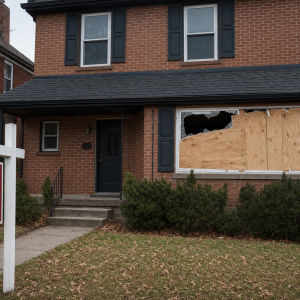
Instead of promptly funding the loss so the deli could rebuild, the carrier disputed the property damage figures and dripped out business interruption payments over an extended period. By the time meaningful money arrived, the damage was done. A deli with no location, no inventory, and no cash flow cannot hold onto customers, suppliers, or employees indefinitely. The business collapsed — the exact outcome the coverage was purchased to prevent. Situations like this are why owners facing a fire loss often seek professional Fire Damage Claim Help in Garner and elsewhere before the claim stalls out.
Why the Court Sided With the Policyholder
New York’s Court of Appeals made a ruling that still echoes through insurance law. Its reasoning came down to a few key points:
- The purpose of the coverage matters. Business interruption insurance exists to sustain a business after a disaster. Both sides knew, when the policy was sold, that a delayed payout could kill the business.
- Good faith is part of every policy. Insurers have an implied duty to investigate, evaluate, and pay covered claims promptly and fairly.
- Consequential damages can be recovered. When a bad-faith delay causes foreseeable harm — like the total collapse of the business — the insurer can owe damages beyond the policy limits themselves.
In plain terms: the court refused to let the insurer treat late payment as a cost-free strategy. That principle gives policyholders real leverage when pushing back against a delayed business interruption claim, because the carrier’s exposure can grow the longer it drags its feet.
While Bi-Economy is a New York decision and doesn’t automatically bind courts in other states, it is widely cited as a warning to insurers everywhere — and a reminder that documenting delay matters. That documentation is exactly the kind of work a licensed Public Adjuster in Carrboro NC handles for business owners while a claim is still open, when the evidence is easiest to preserve.
Can an Insurance Company Be Held Liable for Delaying My Claim in North Carolina?
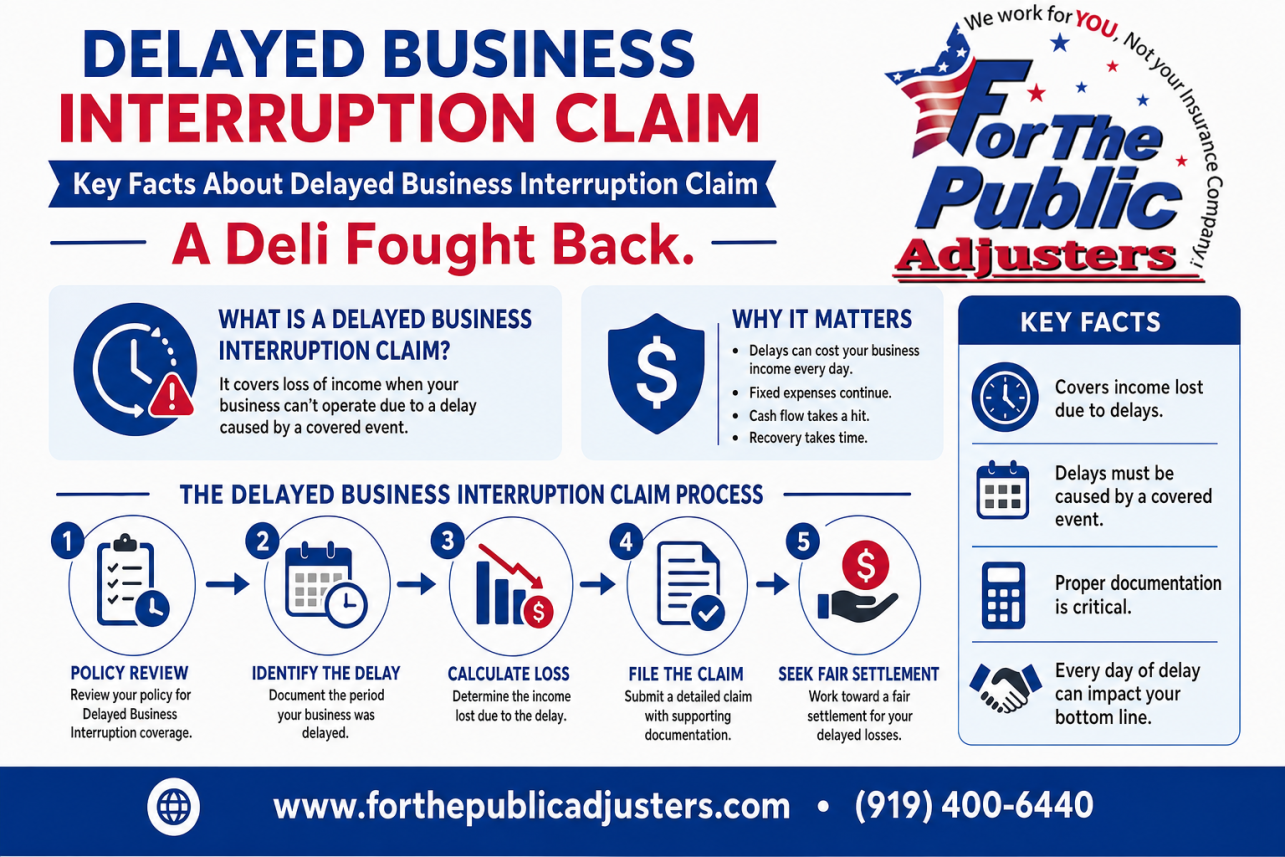
Yes. North Carolina law imposes a duty of good faith and fair dealing on insurers, and unreasonable claim delays can violate the state’s Unfair and Deceptive Trade Practices Act and unfair claim settlement practices statutes. Business owners harmed by a delayed business interruption claim may pursue contract damages, bad faith claims, and potentially treble damages.
The principle at the heart of Bi-Economy — that an insurer who drags its feet can be responsible for the harm the delay itself causes — has a real footing in North Carolina, even though the legal framework here is its own. Every insurance policy in the state carries an implied covenant of good faith and fair dealing. When a carrier slow-walks a commercial property or business interruption claim without a legitimate reason, it isn’t just being unhelpful; it may be breaching that duty.
The Key Legal Tools for NC Policyholders
- Breach of contract. The policy is a contract. Failing to pay covered losses within a reasonable time is a straightforward breach, entitling you to the benefits owed under the policy.
- Unfair claim settlement practices — N.C. Gen. Stat. § 58-63-15(11). This statute lists conduct the state considers improper, including failing to acknowledge and act reasonably promptly on communications, failing to promptly investigate claims, and not attempting in good faith to settle claims once liability is reasonably clear.
- Unfair and Deceptive Trade Practices Act — N.C. Gen. Stat. § 75-1.1. North Carolina courts have held that conduct violating the unfair claim settlement practices statute can also support a UDTPA claim. This matters enormously, because the UDTPA allows treble (triple) damages and, in some cases, attorney’s fees.
- Bad faith. Where an insurer’s refusal or delay is accompanied by aggravated conduct, a separate bad faith claim may open the door to punitive damages.
What This Means in Practice
Holding a carrier accountable requires proof: a documented timeline of delays, unanswered correspondence, shifting requests for information, and evidence of the financial harm the delay caused your business. That’s why building a meticulous claim file matters from day one — something a licensed public adjuster in Garner or elsewhere in the Triangle does as a matter of routine when representing policyholders.
It’s also worth remembering that these legal remedies are a backstop, not a first resort. Many delayed claims resolve once the policyholder demonstrates — with organized documentation and a properly supported proof of loss — that they understand their rights and won’t accept indefinite stalling. Business owners who bring in professional representation early, such as a public adjuster in Elon, often shift the dynamic before litigation ever becomes necessary.
If your carrier’s delay has already cost your business income, customers, or vendor relationships, don’t assume you simply have to absorb that loss. North Carolina law gives commercial policyholders genuine leverage — but only if the delay and its consequences are documented while they’re happening.
What Are the Warning Signs an Insurer Is Slow-Walking My Commercial Claim?
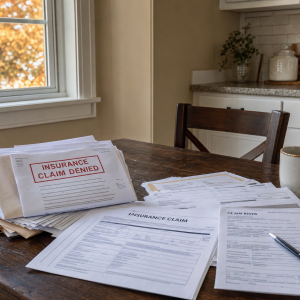
The clearest red flags are endless requests for documents you already sent, a revolving door of adjusters, small partial payments framed as generosity, long stretches of silence, and vague “still under review” letters. Individually each can seem routine; together they form a pattern designed to wear you down while your revenue losses mount.
Insurers rarely say “no” outright on a business interruption claim. Delay works better for them: every week you go unpaid, the pressure grows on you to accept less just to keep the lights on. Learning to spot the pattern early is the first step toward stopping it.
Five Red Flags That Point to Deliberate Delay
- Endless document requests. You send tax returns, profit-and-loss statements, and payroll records — then get asked for the same items again, or for records with no clear connection to your loss. Legitimate review doesn’t loop forever.
- Rotating adjusters. Each new adjuster “needs time to get up to speed,” resetting the clock. If you’ve explained your loss to three different people, that’s not bad luck; it’s a system.
- Lowball partial payments. A small advance can feel like progress, but it’s sometimes used to signal the claim is “being handled” while the bulk of your loss sits unpaid.
- Unexplained silence. Calls go unreturned for weeks, and emails get boilerplate replies. Reasonable claims handling includes regular, substantive updates.
- Repeated “still under review” letters. Form letters that acknowledge your claim without deciding anything let the insurer appear compliant while nothing actually moves.
Why Delay Hurts Most After Summer Storms and Lightning Fires
These tactics are especially damaging after summer lightning fires, severe thunderstorms, and tropical-storm damage, when whole regions file claims at once and carriers are stretched thin. Peak season is often when a restaurant, deli, or retail shop earns the revenue that carries it through the year — so a month of stonewalling can erase profits you can’t recover later. After a fire loss, having an experienced fire claims adjuster in Apex document the full scope of both property damage and lost income early makes it much harder for a carrier to justify dragging things out.
Storm-season backlogs also give insurers cover: “we’re overwhelmed” becomes the standing excuse for silence. That’s exactly when independent pressure matters. Business owners working with a public adjuster in Garner or elsewhere in the Triangle typically have someone tracking every request, deadline, and response in writing — which turns a vague delay into a documented pattern the insurer has to answer for.
If two or more of these warning signs describe your situation, treat it as a signal to act, not to wait politely for the next form letter.
What Should I Do If My Business Interruption Claim Is Being Delayed?
If your business interruption claim is being delayed, start documenting every communication with your insurer, demand written explanations for the delay, keep detailed records of your ongoing financial losses, request advance payments in writing, verify your policy deadlines, and bring in professional help before the delay does permanent damage to your business.
Taking these steps early does two things at once: it protects your cash flow right now, and it builds the paper trail you may need later if the insurer’s conduct crosses the line into bad faith.
Step 1: Put Everything in Writing
- Log every contact. Note the date, time, name of the representative, and what was said in every phone call. Follow up important calls with a confirming email.
- Demand written explanations. If the adjuster says more information is needed or the claim is “still under review,” ask them to state exactly what is outstanding and why — in writing.
- Send requests by email or certified mail. Verbal promises are hard to prove. A written record is not.
Step 2: Track Your Ongoing Losses in Detail
A delayed business interruption claim grows in value the longer your doors stay closed, but only if you can prove it. Keep copies of lost sales projections, payroll records, rent and loan payments, canceled orders, and any expenses you incur trying to stay afloat. Contemporaneous records carry far more weight than reconstructions made months later.
Step 3: Request Advance Payments in Writing
Many commercial policies allow partial or advance payments on undisputed portions of a claim. Ask for one in writing, and if the insurer refuses, ask them to explain the refusal in writing. Either way, you gain — you receive money you need now, or you strengthen the record of unreasonable delay.
Step 4: Know Your Deadlines Before They Pass
Policies typically contain time limits for submitting proof of loss and for filing suit, and these deadlines do not pause just because the insurer is dragging its feet. Read your policy carefully, calendar every deadline, and never assume the insurer will remind you.
Step 5: Bring in Professionals Before It’s Too Late
You do not have to navigate a stalled claim alone. An experienced Public Adjuster in Garner or elsewhere in the Triangle can take over communication with the carrier, prepare a properly documented proof of loss, and apply pressure that individual policyholders often cannot.
If the delay continues despite complete documentation, or the insurer’s explanations stop making sense, it may be time for legal counsel. Consulting insurance dispute lawyers in Morrisville or your local area can help you understand whether the insurer’s conduct supports a bad faith or unfair claims practices action — and the earlier that evaluation happens, the more options you keep open.
How Can a Public Adjuster Help With a Delayed Business Interruption Claim?
A licensed, bonded public adjuster works for the policyholder — not the insurance company. On a delayed business interruption claim, they document your lost income, prepare and submit a complete claim package, respond to carrier requests promptly, and push back on stall tactics in writing. No one can guarantee a specific outcome, but professional representation shifts the burden back onto the carrier.
Business interruption claims stall most often when the carrier says it needs “more documentation” — over and over. A public adjuster short-circuits that cycle by building the financial proof up front, so there is less for the insurer to question and less room to delay.
Documenting Lost Income the Right Way
Proving business interruption losses is an accounting exercise as much as an insurance one. A public adjuster typically assembles:
- Pre-loss profit-and-loss statements, tax returns, and sales records to establish your normal earnings
- A projection of what the business would have earned during the shutdown or slowdown
- Continuing expenses — rent, payroll, loan payments — that keep accruing while you’re closed
- Extra expenses you incurred to stay open or reopen faster, which many policies also cover
Presenting this in the format claims departments expect removes the most common excuse for delay: an “incomplete” file.
Countering Delay Tactics and Keeping the Pressure On
Public adjusters know the difference between a legitimate information request and a stall. They respond to carrier correspondence quickly, confirm every conversation in writing, set reasonable deadlines for the insurer to act, and cite the policy language and the state’s claim-handling standards when things drag. In North Carolina, the North Carolina Department of Insurance regulates carrier conduct and accepts consumer complaints, and a well-documented file makes any complaint or escalation far more effective.
If your loss stems from a specific peril — for example, a kitchen fire that shut down your deli or restaurant — a specialist such as a fire claims adjuster in Apex can tie the physical damage claim and the business interruption claim together, since delays on one often hold up the other.
Leveling the Playing Field
The insurance company has professional adjusters, accountants, and attorneys working its side of the file. Hiring your own representative — such as a public adjuster in High Point NC or elsewhere in the state — puts an experienced advocate on yours. Before hiring anyone, verify their license through your state regulator; the National Association of Insurance Commissioners provides links to every state’s insurance department.
To be clear: no public adjuster can promise a particular settlement or timeline, and you should walk away from anyone who does. What professional representation does deliver is a properly documented, actively managed claim — one where the carrier, not you, has to justify every day of delay.
Delayed Business Interruption Claim: Routine Processing vs. Warning Signs of Bad Faith
| Claim Behavior | Normal Claim Handling | Potential Bad-Faith Red Flag |
|---|---|---|
| Initial response | Prompt acknowledgment and adjuster assignment | Weeks of silence or repeated reassignment of adjusters |
| Information requests | One clear, reasonable document request | Endless, repetitive demands for records already provided |
| Partial payments | Timely advances on undisputed amounts | Withholding undisputed sums to pressure a lowball settlement |
| Investigation pace | Steady progress with explained timelines | Open-ended ‘investigation’ with no decisions or deadlines |
| Communication | Written explanations for any denial or delay | Vague verbal excuses and shifting justifications |
Illustrative Example: When Delay Becomes the Real Damage
Illustrative example
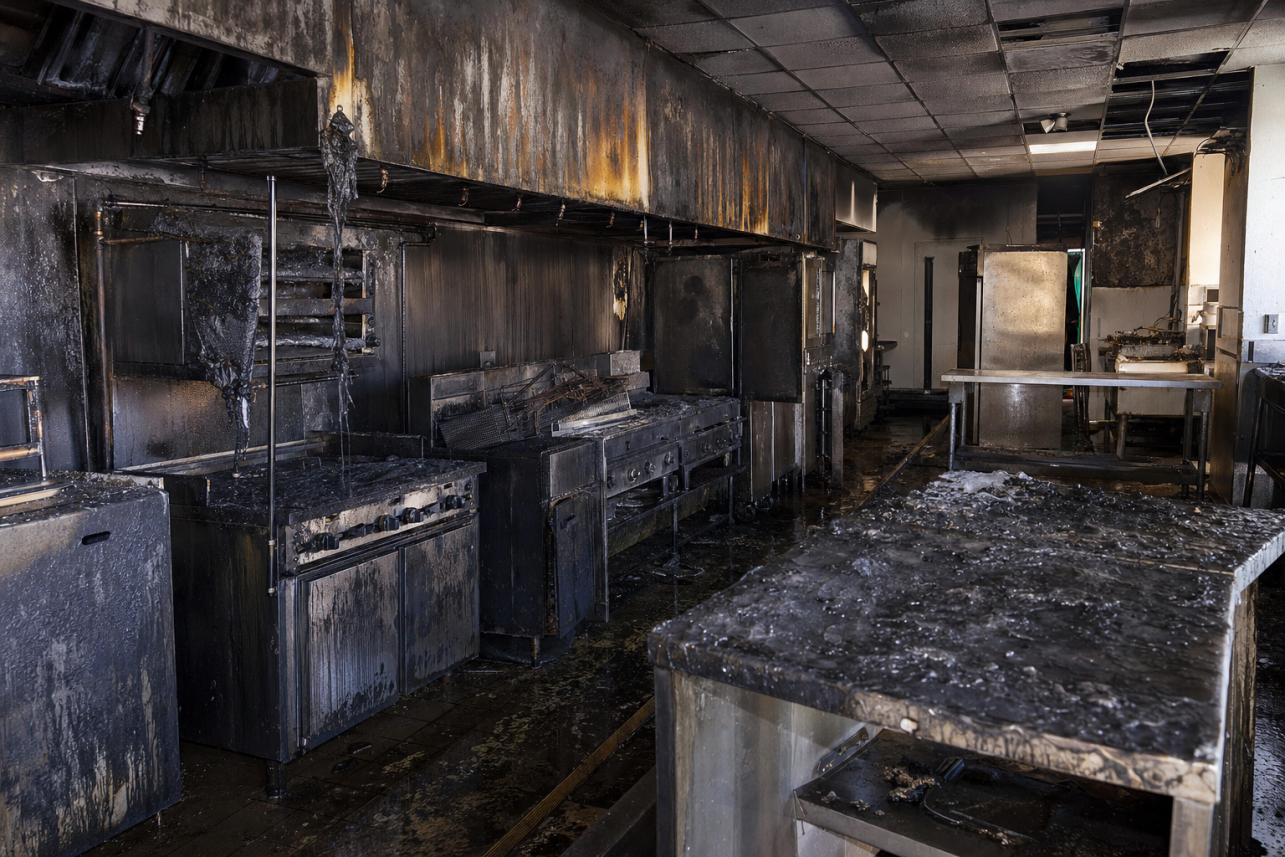
Consider a hypothetical composite: a family-owned restaurant in North Carolina suffers a kitchen fire and files a business interruption claim under a policy it has paid on for years. The insurer requests the same financial records three separate times, rotates through multiple adjusters, and pays only a small fraction of the undisputed losses over many months. Unable to cover rent and payroll while waiting, the owners lose their lease, their staff, and ultimately the business itself. With counsel, they pursue not just the unpaid policy benefits but consequential damages for the destruction the delay caused — the same theory the deli in Bi-Economy used to fight back. The lesson: the harm from a slow-walked claim can far exceed the claim itself, and the law increasingly recognizes that.
Frequently asked questions
What can I do if my insurer keeps delaying my business interruption claim?
Document everything in writing: every call, email, and information request. Respond promptly to the insurer’s requests so delays can’t be blamed on you, and ask for written explanations of any holdup. Check your state’s unfair claims practices laws, which often set deadlines for acknowledging and deciding claims. If the delay is starving your business, consult a policyholder attorney early—waiting until the business fails limits your options and may run up against deadlines to sue.
Can I sue my insurance company for damages beyond my policy limits if a delayed business interruption claim destroys my business?
In some states, yes. In Bi-Economy Market v. Harleysville, New York’s highest court held that an insurer’s bad-faith delay in paying business interruption benefits can make it liable for consequential damages—including the collapse of the business—even beyond policy limits, if those losses were foreseeable when the policy was issued. Other states have their own bad-faith and unfair-practices remedies, so what you can recover depends on where your claim arises.
What are consequential damages in an insurance claim?
Consequential damages are losses that flow from the insurer’s breach beyond the policy benefits themselves—for example, a business that fails because it never received the interruption payments it needed to survive. Courts allowing these damages reason that the whole point of business interruption coverage is keeping the business alive, so a foreseeable result of wrongful delay is the loss of the business itself. They differ from punitive damages, which punish misconduct rather than compensate loss.
How long should an insurance company take to pay a business interruption claim?
There’s no single national deadline, but most states have prompt-payment or unfair claims settlement statutes requiring insurers to acknowledge claims, investigate, and pay or deny within reasonable timeframes. Complex commercial claims legitimately take longer than simple ones, but repeated requests for documents already provided, unexplained silence, or partial payments strung out over months are warning signs. Ask the insurer in writing for its timeline and the specific legal or policy basis for any delay.
Does the Bi-Economy ruling apply to business owners in North Carolina?
Not directly—Bi-Economy is a New York decision and binds New York courts. But North Carolina has its own protections, including unfair and deceptive trade practices law and unfair claims settlement statutes, which can expose insurers to significant liability for bad-faith claim handling, sometimes including trebled damages. The lesson for NC owners is the same: courts recognize that slow-walking a commercial claim can itself cause compensable harm, so document delays and get legal advice about your state’s remedies.
What counts as bad faith when an insurer handles a commercial claim?
Bad faith generally means more than an honest disagreement over value. Hallmarks include denying or delaying payment without a reasonable basis, ignoring evidence supporting the claim, lowballing far below documented losses, endless repetitive document demands, failing to investigate promptly, or misrepresenting policy terms. A single slow response usually isn’t bad faith; a pattern of stalling while your business bleeds cash can be. State law defines the exact standard, so where your claim sits matters.
What is business interruption insurance actually supposed to cover?
Business interruption coverage replaces income your business loses while it’s shut down or impaired by a covered event like a fire, and typically covers continuing expenses such as rent, payroll for key staff, and taxes during the restoration period. Many policies add extra expense coverage for costs to speed reopening. Its core purpose is bridging the gap so the business survives—which is exactly why courts have treated wrongful delay in paying it as especially harmful.
What evidence do I need to prove my business interruption losses?
Insurers will want financial records showing what the business earned before the loss and what it lost after: tax returns, profit-and-loss statements, sales records, payroll, leases, and ongoing expense documentation. Keep receipts for extra expenses incurred to stay open or reopen faster. For larger claims, a forensic accountant can prepare the loss calculation—and if the dispute escalates, contemporaneous records of the insurer’s delays become evidence of bad faith.
Should I hire a lawyer or a public adjuster for a stalled business interruption claim?
They serve different roles. A public adjuster documents and negotiates the claim itself, usually for a percentage of the recovery, and is useful when the dispute is about measuring the loss. An attorney is the right call when the insurer is acting in bad faith, denying coverage, or when delay threatens the business’s survival—because pursuing consequential or statutory damages requires legal action. Many owners start with one and add the other as the dispute escalates.
What mistakes do business owners make when their insurance claim is delayed?
Common mistakes: relying on phone calls instead of creating a written record, missing the insurer’s document requests and giving it an excuse to stall, accepting a small partial payment without reserving rights, letting the business fail before seeking legal help, and overlooking policy deadlines for filing suit, which can be shorter than standard statutes of limitation. Another is assuming policy limits cap recovery—bad-faith delay can open the door to broader damages in many states.
Commercial Business Claim help near you
Related local pages
If your insurer is slow-walking your commercial claim, talk to our licensed and bonded NC public adjusters today for a free policy and claim review. Get in touch.
Last updated: August 31, 2026