
What Are Unfair Claims Settlement Practices in NC & VA?
Unfair claims settlement practices are specific insurer behaviors — like lowballing, unreasonable delays, or misrepresenting your policy — that both North Carolina (N.C.G.S. § 58-63-15) and Virginia (Va. Code § 38.2-510) prohibit by law. If your carrier commits these acts on a property claim, you may have legal remedies beyond the claim itself.
Key takeaways
- Unfair claims settlement practices include lowball offers, unexplained delays, misrepresenting policy language, and denying claims without a reasonable investigation.
- North Carolina prohibits these practices under N.C. Gen. Stat. § 58-63-15(11), and policyholders may pursue treble damages through the state’s Unfair and Deceptive Trade Practices Act.
- Virginia prohibits the same conduct under Va. Code § 38.2-510, with enforcement handled primarily by the Bureau of Insurance at the State Corporation Commission.
- In Gray v. North Carolina Insurance Underwriting Ass’n (N.C. 2000), the state’s highest court allowed hurricane-damaged homeowners to pursue unfair claims practices claims against their property insurer.
- Documenting every call, letter, and inspection is the single most effective step a policyholder can take to prove unfair claims handling.
In plain terms, when you file a claim for fire, water, hurricane, or other covered damage to your home or building, your insurance company is required to handle that claim fairly, promptly, and in good faith. Both states spell out exactly what carriers may not do. These statutes exist because the relationship is lopsided: the insurer holds the money, writes the policy language, and employs the adjusters — while you’re standing in a damaged home trying to understand a settlement offer.
What the NC and VA Statutes Prohibit
While the wording differs slightly between the two states, the core prohibited behaviors overlap substantially. Both statutes bar insurers from:
- Misrepresenting policy provisions or coverage facts relevant to your claim
- Failing to acknowledge and act reasonably promptly on claim communications
- Failing to adopt reasonable standards for prompt investigation of claims
- Refusing to pay claims without conducting a reasonable investigation
- Not attempting in good faith to make a prompt, fair settlement once liability is reasonably clear
- Forcing policyholders to sue by offering substantially less than the claim is worth
- Failing to explain, with reference to the policy, why a claim was denied or a compromise offer was made
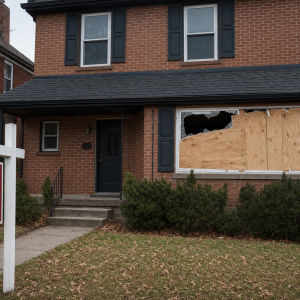
These aren’t just guidelines — North Carolina courts have held insurers accountable under them. In Gray v. North Carolina Insurance Underwriting Association, the North Carolina Supreme Court allowed homeowners to pursue unfair claims practices claims against their carrier after hurricane damage to their coastal property was mishandled, confirming that policyholders have real teeth behind these statutes. We’ll look at more examples of homeowners prevailing in court later in this article.
Why This Matters Right Now
Fall storm season and the first hard freezes of the year generate a surge of property claims across both states — roof damage from hurricane remnants, tree strikes, and burst pipes once temperatures drop. When claim volume spikes, so do rushed investigations, delayed responses, and inadequate offers. Homeowners dealing with something like a frozen-pipe loss often benefit from water damage insurance claim help in Bennett and surrounding communities precisely because these pressures tend to work against the policyholder.
Knowing your rights under N.C.G.S. § 58-63-15 and Va. Code § 38.2-510 is the first step. The second is recognizing the warning signs — which is exactly what the next section covers. And if you’d rather have a licensed professional review how your claim is being handled, working with a public adjuster in Garner or your local area can help you document the file properly from the start.

What Are the Top 5 Unfair Claims Settlement Practices Insurance Companies Commit?
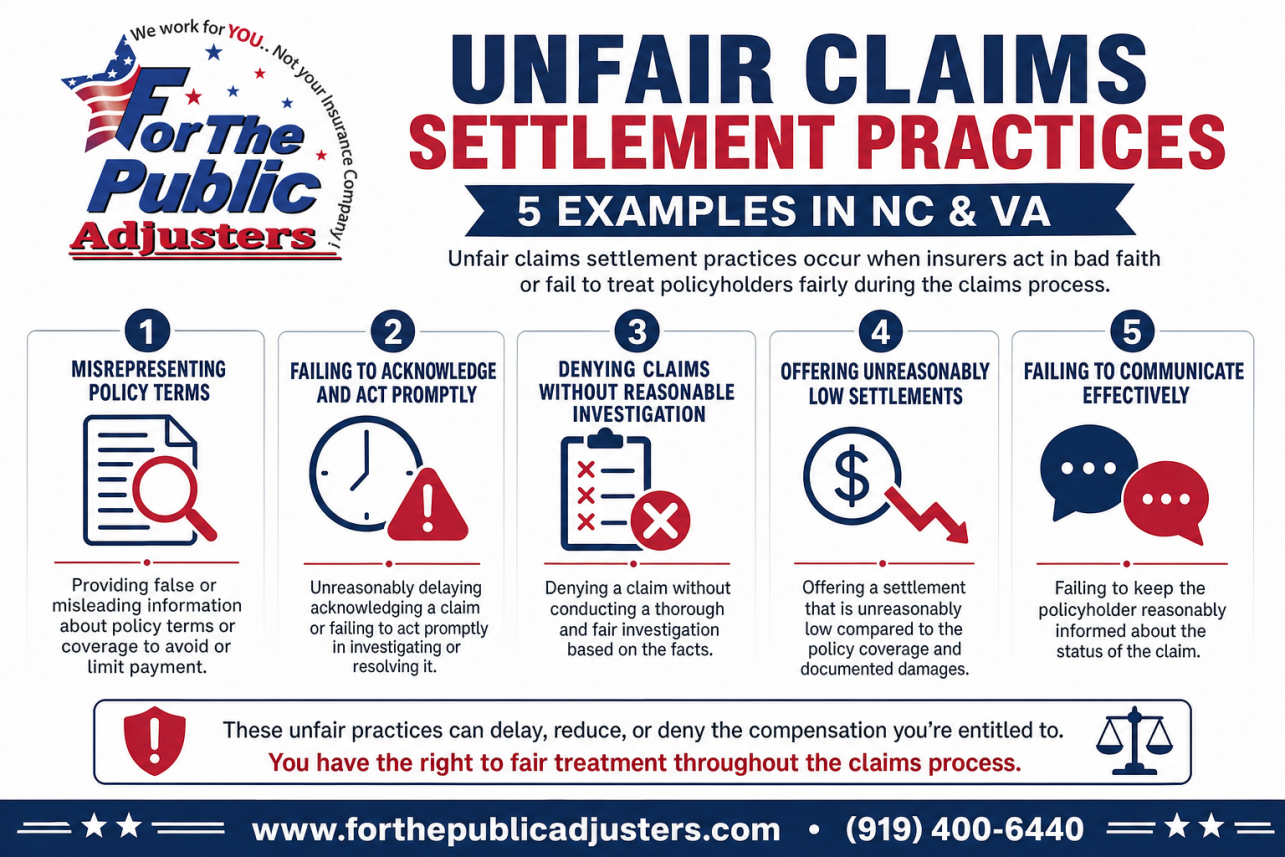
The five most common unfair claims settlement practices in North Carolina and Virginia are: misrepresenting policy provisions, failing to acknowledge or act on a claim promptly, denying a claim without a reasonable investigation, offering a lowball settlement far below the actual loss, and denying or delaying payment without a reasonable written explanation.
Both states’ insurance codes spell these duties out, and carriers that ignore them can face real consequences. In Gray v. North Carolina Insurance Underwriting Association, the North Carolina Supreme Court held that a homeowner whose hurricane-damaged beach properties were mishandled could pursue unfair trade practice claims against the insurer — a reminder that these rules have teeth. Here’s what each violation looks like in real life.
1. Misrepresenting Policy Provisions or Coverage
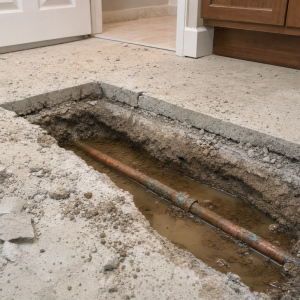
The adjuster tells you something your policy doesn’t actually say. Example: a burst supply line soaks your kitchen, and the carrier claims “water damage isn’t covered” — when the policy excludes only flood, not sudden pipe failures. Homeowners dealing with this kind of runaround often seek water damage insurance claim help in Bennett and similar communities to get the policy language read correctly.
2. Failing to Acknowledge or Act Promptly on a Claim
You report a tree through your roof after a storm, then hear nothing for weeks while rain pours into the attic. Silence is not a tactic you have to accept — prompt acknowledgment and reasonably timely action are required by law in both states.
3. Denying a Claim Without a Reasonable Investigation
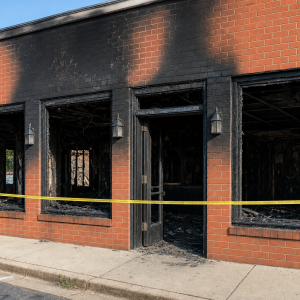
A desk adjuster denies your smoke and soot damage without ever sending anyone to inspect the home, or an inspector spends ten minutes on site and misses hidden structural charring. Property owners pursuing fire insurance claim help in Siler City frequently discover the original “investigation” never looked behind a single wall.
4. Lowballing the Settlement
The carrier offers a fraction of what repairs genuinely cost — pricing drywall and paint while ignoring matching requirements, code upgrades, contents, or additional living expenses. Common signs include:
- Estimates that omit entire rooms or trades
- Depreciation applied far beyond what’s reasonable
- Pressure to accept quickly “before the offer expires”
5. Denying or Delaying Without a Reasonable Written Explanation
You receive a one-line denial letter — or no letter at all — with no reference to the policy language relied on. Both NC and VA require insurers to promptly provide a reasonable explanation, tied to the policy and the facts, for any denial or compromise offer. If you can’t tell why you were denied, that alone may be a violation worth documenting.
Have Homeowners Ever Won in Court Against Their Insurer Over Unfair Claims Settlement Practices?
Yes. North Carolina courts have ruled in favor of policyholders in cases like Gray v. North Carolina Insurance Underwriting Association and Country Club of Johnston County v. USF&G, allowing enhanced damages for mishandled property claims. Virginia law also permits courts to award attorney fees against insurers that deny claims in bad faith under Va. Code § 38.2-209.
If you feel outmatched by your insurance company, these cases are reassuring proof that the law is on the side of policyholders who are treated unfairly. Courts in both states have made clear that an insurer’s duty of good faith is not optional — and that breaking it carries real consequences.
Gray v. North Carolina Insurance Underwriting Association
In this North Carolina case, a homeowner’s dwelling was damaged by a hurricane, and the claim was mishandled by the insurer. The North Carolina Supreme Court held that unfair claim handling practices can support a claim under the state’s Unfair and Deceptive Trade Practices Act — which allows treble damages, meaning the insurer can be ordered to pay three times the actual damages. The homeowner prevailed, and the case remains a cornerstone precedent for storm-damage disputes in North Carolina.
Country Club of Johnston County v. USF&G
Here, a building fire claim was mishandled by the carrier, and the North Carolina Court of Appeals upheld a verdict finding the insurer’s conduct constituted an unfair trade practice. The decision reinforced that unfair claims settlement practices during the adjustment of a fire loss — not just a wrongful denial at the end — can expose an insurer to liability. Property owners dealing with a serious fire loss, like those who seek fire damage insurance claim help in Hillsborough, can take real comfort in that precedent.
What These Cases Mean for You
- Mishandling itself is actionable. You don’t have to wait for an outright denial — unfair conduct during the claim process can violate the law.
- Treble damages are possible in NC. Courts can triple the award when an unfair trade practice is proven, which gives insurers a strong incentive to settle fairly.
- Virginia has remedies too. Under Va. Code § 38.2-209, a court that finds an insurer acted in bad faith in denying a claim can order the insurer to pay the policyholder’s attorney fees and costs.
It’s worth noting that one of these landmark wins arose right in Johnston County — the same communities where homeowners still face difficult claims today. If your own claim is being delayed or lowballed, working with a public adjuster in Benson NC or the surrounding area is one practical way to document your loss properly before a dispute ever reaches a courtroom.
No two claims are identical, and no outcome is ever guaranteed — but these rulings show that policyholders who stand their ground, keep good records, and push back on unfair treatment have won before, and can win again.
Why Do Unfair Claim Tactics Spike After Fall Storms and Cold Snaps?
Unfair claim tactics spike in autumn because hurricane remnants, falling leaves, and early freezes trigger a sudden wave of property claims across North Carolina and Virginia. Overwhelmed carriers facing thousands of files at once often respond with delays, rushed inspections, and blanket “wear and tear” denials — shortcuts that can cross the line into unfair claims settlement practices.
Fall is one of the busiest claim seasons in both states, and the reasons are predictable. Late-season hurricanes and their remnants push inland, soaking roofs and toppling trees onto homes. Leaves clog gutters and downspouts, forcing water under shingles and behind siding. Then the first hard cold snap arrives, and pipes that were fine all summer suddenly burst inside walls and crawl spaces. Each of these events produces real, covered damage — but they also produce claim volume that insurers are rarely staffed to handle carefully.
How Claim Surges Change Insurer Behavior
When a carrier’s local claim count triples overnight, the pressure to close files quickly grows. That pressure often shows up in ways homeowners can see:
- Long silences and missed deadlines — adjusters juggling hundreds of files simply stop communicating, even though both NC and VA expect prompt responses.
- Drive-by or rushed inspections — a ten-minute visit that misses hidden water intrusion behind walls or under flooring.
- Blanket “wear and tear” or “maintenance” denials — storm-driven water damage or a tree strike gets labeled a long-term maintenance issue without any real investigation.
- Lowball estimates written from photos alone — pricing that ignores the true scope of tear-out, drying, and rebuild work.
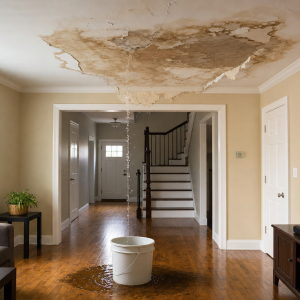
These shortcuts hit water losses especially hard, because moisture damage spreads and worsens while a file sits untouched. If a burst pipe or gutter-overflow loss is being brushed off as “maintenance,” it helps to understand how water damage coverage insurance in Pittsboro and similar policies actually define sudden and accidental damage — the distinction carriers often blur during busy seasons.
When a Seasonal Backlog Becomes an Unfair Practice
A busy season does not excuse an insurer from its legal duties. Both states require carriers to investigate promptly, communicate reasonably, and base decisions on the actual evidence — not on a template denial letter. A denial issued without a genuine inspection, or a months-long delay with no explanation, can be more than poor service; it may violate the unfair claims settlement statutes covered earlier in this article.
Tree losses are a common flashpoint after fall storms, because carriers sometimes dispute whether the tree, the roof, or the interior damage is covered. Getting documentation right from day one — photos, arborist notes, and a detailed scope — matters, which is why many homeowners seek help with a tree damage home insurance claim in Mebane and surrounding communities rather than relying on the carrier’s rushed assessment alone.
The takeaway: if your claim stalls or gets denied in the weeks after a storm or freeze, don’t assume the insurer’s answer is final. Seasonal overload explains the behavior — it doesn’t justify it.
What Should I Do If My Insurance Company Is Treating Me Unfairly?
Start by putting everything in writing. Document every conversation, request all denials and explanations in writing, and track your policy deadlines. If the insurer won’t budge, file a complaint with the North Carolina Department of Insurance or the Virginia Bureau of Insurance, and consider bringing in a licensed professional to review your claim.
Unfair claims settlement practices thrive on poor documentation and missed deadlines. The good news is that homeowners who stay organized and assert their rights in writing are far harder to brush aside. Here is a practical roadmap.
Document Everything in Writing
- Keep a claim diary: note the date, time, name, and summary of every phone call with your adjuster or carrier.
- Follow up verbal conversations with a short email confirming what was said. This creates a paper trail the insurer cannot dispute later.
- Photograph and video all damage before any repairs, and save receipts for emergency repairs, hotel stays, and replaced contents.
- Request every denial, partial denial, or claim decision in writing, along with the specific policy language the insurer is relying on. In both NC and VA, you are entitled to a reasonable explanation of the basis for a denial.
Know Your Deadlines
Your policy sets time limits for submitting proof of loss, and state law sets deadlines for filing suit. These vary by policy and claim type, so read your policy’s “Duties After Loss” and “Suit Against Us” sections carefully. Missing a deadline can sink an otherwise valid claim, so calendar every date the moment your claim is opened.
File a Complaint With Your State Regulator
- North Carolina: File a consumer complaint with the NC Department of Insurance, online or by mail. The Department will contact your insurer and require a written response.
- Virginia: File with the Virginia Bureau of Insurance (part of the State Corporation Commission), which handles complaints in a similar way.
A regulator complaint doesn’t guarantee a specific result, but it creates an official record and often prompts the carrier to take a second, more careful look at your file.
Know When to Bring in Professional Help
If your claim is being delayed, lowballed, or denied without a clear explanation, it may be time to get an independent expert on your side. A licensed public adjuster in Selma NC or anywhere in the region works for you — not the insurance company — to document the loss, interpret the policy, and negotiate on your behalf.
Professional help is especially valuable when coverage language is in dispute. For example, questions about water damage coverage insurance in Pittsboro and surrounding areas often turn on exactly how the loss occurred — details a trained adjuster knows how to document properly. No one can promise a particular outcome, but having an experienced advocate ensures your claim is presented accurately, completely, and on time.

How Can a Public Adjuster Level the Playing Field Against Unfair Claims Settlement Practices?
A licensed, bonded public adjuster works only for you, the policyholder — never the insurance company. They thoroughly document damage to your home, building, and contents, prepare an independent estimate of your loss, and negotiate directly with the carrier, helping ensure your claim is evaluated fairly rather than on the insurer’s terms alone.
When you file a claim, the insurance company sends its own adjuster — someone trained, paid, and directed by the carrier. Most homeowners have never read their full policy, let alone measured a roof or priced out smoke-damaged contents. That imbalance is exactly where unfair claims settlement practices tend to flourish. A public adjuster closes that gap by bringing professional expertise to your side of the table. Public adjusters are regulated and licensed at the state level; you can verify any adjuster’s license through the North Carolina Department of Insurance.
What a Public Adjuster Actually Does for You
- Documents everything. Detailed photos, moisture readings, structural notes, and a room-by-room contents inventory — the evidence an insurer cannot easily dismiss.
- Reads your policy line by line. Coverages, endorsements, and deadlines are identified so nothing you paid premiums for gets overlooked.
- Prepares an independent estimate. Rather than accepting the carrier’s numbers, your adjuster builds a professional valuation of the repair and replacement costs.
- Handles the negotiation. All calls, letters, and meetings with the carrier go through someone who speaks the industry’s language and knows the tactics described earlier in this article.
This matters whether you’re dealing with a kitchen fire, a burst pipe, or hail damage after a fall storm. For example, disputes over water damage coverage insurance in Fuquay-Varina often hinge on how the loss is documented in the first few days — precisely where professional help pays off.
A Fair Process, Not a False Promise
No honest adjuster can guarantee a specific outcome, and you should be wary of anyone who does. What a reputable public adjuster can do is make sure your claim is complete, well-supported, and presented with authority — so the settlement reflects your actual loss, not the carrier’s first offer. The National Association of Insurance Commissioners encourages policyholders to understand their rights and to push back when a claim is mishandled; a public adjuster gives you the knowledge and leverage to do exactly that.
If you own property in North Carolina and your claim feels stalled, underpaid, or wrongly denied, you don’t have to face the carrier alone. Reaching out to a licensed public adjuster in Garner or anywhere across the region costs you nothing to explore — and it may be the step that finally puts you on equal footing. Take a breath, gather your paperwork, and get a professional in your corner.
Unfair Claims Settlement Practices: How NC and VA Compare
| Issue | North Carolina | Virginia |
|---|---|---|
| Governing statute | N.C. Gen. Stat. § 58-63-15(11) | Va. Code § 38.2-510 |
| Examples of prohibited conduct | Misrepresenting coverage, failing to promptly investigate, not attempting fair settlement when liability is clear | Same core list: misrepresentation, delay, failure to explain denials in writing |
| Policyholder remedies | Private lawsuit possible; treble damages available via Unfair and Deceptive Trade Practices Act (Ch. 75) | Primarily regulatory enforcement through the Bureau of Insurance; bad-faith attorney fees possible under § 38.2-209 |
| Who enforces | NC Department of Insurance plus private actions | State Corporation Commission, Bureau of Insurance |
| Key property case | Gray v. NC Insurance Underwriting Ass’n (hurricane damage to coastal homes; insureds’ claims allowed to proceed) | Enforcement actions typically resolved at the regulatory level rather than in published court opinions |
Illustrative Example: A Hurricane Claim That Stalled
Illustrative example
Consider a hypothetical, composite scenario drawn from common patterns we see: a coastal North Carolina homeowner files a claim after a hurricane damages her roof and interior contents. The carrier takes months to send an adjuster, then offers a settlement far below documented repair estimates without explaining how it reached that figure. After the homeowner gathers independent contractor estimates, a detailed contents inventory, and a written timeline of every unanswered call, the pattern of delay and unsupported undervaluation becomes clear. With professional representation, the claim is re-opened, properly re-inspected, and resolved on terms reflecting the documented damage. This example is illustrative only — every claim is different, and no specific outcome can ever be guaranteed.
Frequently asked questions
What are unfair claims settlement practices and how do I know if my insurer is committing them?
Unfair claims settlement practices are prohibited behaviors defined by law — in North Carolina under N.C. Gen. Stat. § 58-63-15(11) and in Virginia under Va. Code § 38.2-510. Warning signs include unexplained delays, denials without a written reason, lowball offers far below repair estimates, failure to investigate your home or contents damage, and misrepresenting what your policy covers. If your carrier’s actions feel evasive or inconsistent, document everything and ask for explanations in writing.
Can I sue my insurance company for unfair claims settlement practices in North Carolina?
Yes. North Carolina courts allow policyholders to bring claims under the Unfair and Deceptive Trade Practices Act, which can permit treble (triple) damages. In Gray v. North Carolina Insurance Underwriting Association, a homeowner whose beach house was damaged by hurricanes prevailed against the carrier, and the courts recognized that unfair claims handling can support an unfair trade practices claim. Speak with an attorney about whether your facts fit.
Can I sue my insurance company for unfair claims practices in Virginia?
Virginia is different from North Carolina. Virginia’s Unfair Claims Settlement Practices Act generally does not give policyholders a private right to sue under that statute itself — enforcement runs through the State Corporation Commission’s Bureau of Insurance. However, you can still sue for breach of your policy contract, and Va. Code § 38.2-209 allows courts to award attorney fees when an insurer acted in bad faith. A Virginia attorney can explain which path fits your claim.
How do I file a complaint against my insurance company in NC or VA?
In North Carolina, file with the N.C. Department of Insurance; in Virginia, file with the Bureau of Insurance at the State Corporation Commission. Both accept complaints online or by mail at no cost. Include your policy number, claim number, a timeline of events, and copies of letters, emails, estimates, and photos of the property damage. The regulator will require the insurer to respond, which often gets stalled claims moving again.
What should I do if the insurance company lowballs my home damage claim?
Don’t accept the first offer if it won’t actually repair your home. Request the carrier’s full written estimate and the specific policy language behind the figure. Then get independent repair estimates from contractors, document all damage to the building and contents with photos and receipts, and consider hiring a licensed public adjuster to prepare a detailed counter-claim. Keep every communication in writing so you have a record if the dispute escalates.
How long is too long for an insurance company to settle my property claim?
Both states require insurers to act with reasonable promptness — acknowledging your claim, investigating, and either paying or explaining a denial without unnecessary delay. There’s no single number that fits every claim, since complex fire or water losses take longer than simple ones. The red flag is silence: if weeks pass without updates, requests for the same documents repeat, or adjusters keep changing, put your concerns in writing and consider a regulator complaint.
What evidence do I need to prove unfair claims settlement practices?
Build a paper trail. Keep every letter, email, and denial notice from the carrier, plus notes of phone calls with dates and names. Photograph and video all damage to the structure and contents before repairs. Save contractor estimates, receipts, and your policy. A simple timeline showing when you reported the claim, what the insurer promised, and what actually happened is often the most persuasive document in a regulator complaint or lawsuit.
Is it worth hiring a public adjuster if my insurer is handling my claim unfairly?
For significant home, building, or contents losses, it often is. A licensed public adjuster works only for you — not the carrier — documenting the full scope of damage, preparing the estimate, and negotiating on your behalf. Most work on a contingency fee, a percentage of the settlement, so costs scale with your recovery. No one can guarantee a specific result, but professional documentation frequently changes how seriously a carrier treats a claim.
What mistakes do homeowners make when fighting a denied or delayed claim?
The most common mistakes: accepting the first offer without independent estimates, throwing away damaged contents before they’re documented, relying on phone calls instead of written communication, missing policy deadlines for proof of loss, and signing releases without understanding them. Another big one is waiting too long — evidence fades and legal deadlines approach. Document everything from day one and get professional help early if the carrier’s conduct seems unfair.
How long do I have to take legal action against my insurer in NC or VA?
Deadlines vary by state and by the type of claim — breach of contract and unfair trade practices claims carry different statutes of limitations, and many policies also contain their own suit-limitation clauses that can be shorter than state law. Missing any of these deadlines can end your case entirely. Because the clock may already be running from the date of loss or denial, consult an attorney promptly rather than waiting out negotiations.
Related local pages
If your home or building claim feels stalled, lowballed, or wrongly denied, you don’t have to face the insurance company alone. Our licensed and bonded public adjusters serve North Carolina policyholders and will review your claim at no obligation. Contact us today for a free claim review. Get in touch.
Last updated: October 13, 2026