When Your Insurer Mishandles a Claim, Insurance Bad Faith Law May Be on Your Side
Insurance bad faith occurs when a carrier delays, lowballs, or denies a claim without a reasonable basis — and in North Carolina, that conduct can trigger Chapter 75’s unfair and deceptive trade practices statute, which allows a policyholder to recover three times their actual damages. The key is proving misconduct in how the claim was handled, not simply that the check was too small.
Key takeaways
- North Carolina’s Chapter 75 lets commercial policyholders recover treble (triple) damages when an insurer’s claim handling is unfair or deceptive.
- Courts focus on documented claim-handling failures — delays, misrepresentations, inadequate investigations — not merely the fact that a claim was underpaid.
- A violation of N.C. Gen. Stat. § 58-63-15(11), the state’s unfair claims settlement practices statute, can serve as the basis for a Chapter 75 claim.
- Detailed records of every call, letter, inspection, and delay are often the difference between a simple contract dispute and a treble damages case.
- Chapter 75 claims can also allow recovery of attorney’s fees, shifting significant leverage to the policyholder in settlement negotiations.
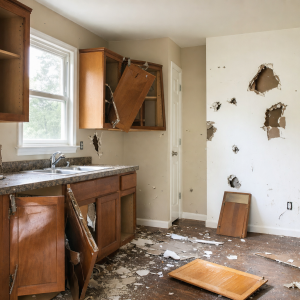
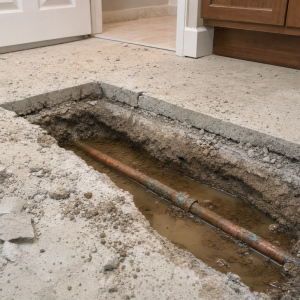
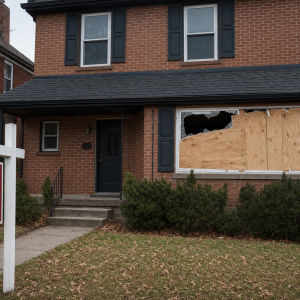
Right now, summer thunderstorms and tropical-season systems are pounding commercial buildings across North Carolina and Virginia. Roofs get peeled open, water pours into inventory and equipment, and business owners file claims expecting their insurer to hold up its end of the contract. Many carriers do. But when an adjuster sits on a file for months, demands the same documents over and over, or issues an estimate that ignores obvious damage, the problem may go beyond an ordinary claim dispute — it may be insurance bad faith.
Why Chapter 75 Matters to Business Policyholders
North Carolina’s Unfair and Deceptive Trade Practices Act (Chapter 75 of the General Statutes) applies to conduct in or affecting commerce — and courts have applied it to insurance claim handling. When an insurer’s conduct also violates the unfair claim settlement practices provisions of the state’s insurance code, that violation can support a Chapter 75 claim. The remedy is what makes this powerful: treble damages, meaning three times the actual harm caused, and in some circumstances attorney’s fees.
What Bad Faith Looks Like in Practice
Not every disagreement over value is bad faith. Warning signs that claim handling has crossed the line include:
- Unexplained delays — long stretches of silence, missed deadlines, or repeated requests for information already provided.
- Lowball offers with no reasonable basis — estimates that omit visible damage or ignore your documentation without explanation.
- Denials that misstate the policy — refusing coverage by citing exclusions that don’t actually apply to your loss.
- Failure to investigate — deciding the claim before conducting a genuine inspection or review.
- Pressure tactics — pushing a quick, inadequate settlement while your business is losing revenue.
The Quick Takeaway
If your commercial property was damaged this storm season and the claim process feels like an obstacle course, start documenting everything now: every call, email, estimate, and delay. That paper trail is what separates a garden-variety underpayment from provable misconduct. Storm and wind losses are especially prone to disputes over scope and causation — if a hurricane remnant or severe storm opened your roof and the payout doesn’t match the damage, resources like this guide to wind damage claim help in Burlington NC explain how policyholders can push back. The sections below break down exactly what Chapter 75 requires and whether policyholders have actually won treble damages against insurers.
What Is Insurance Bad Faith Under North Carolina’s Chapter 75?
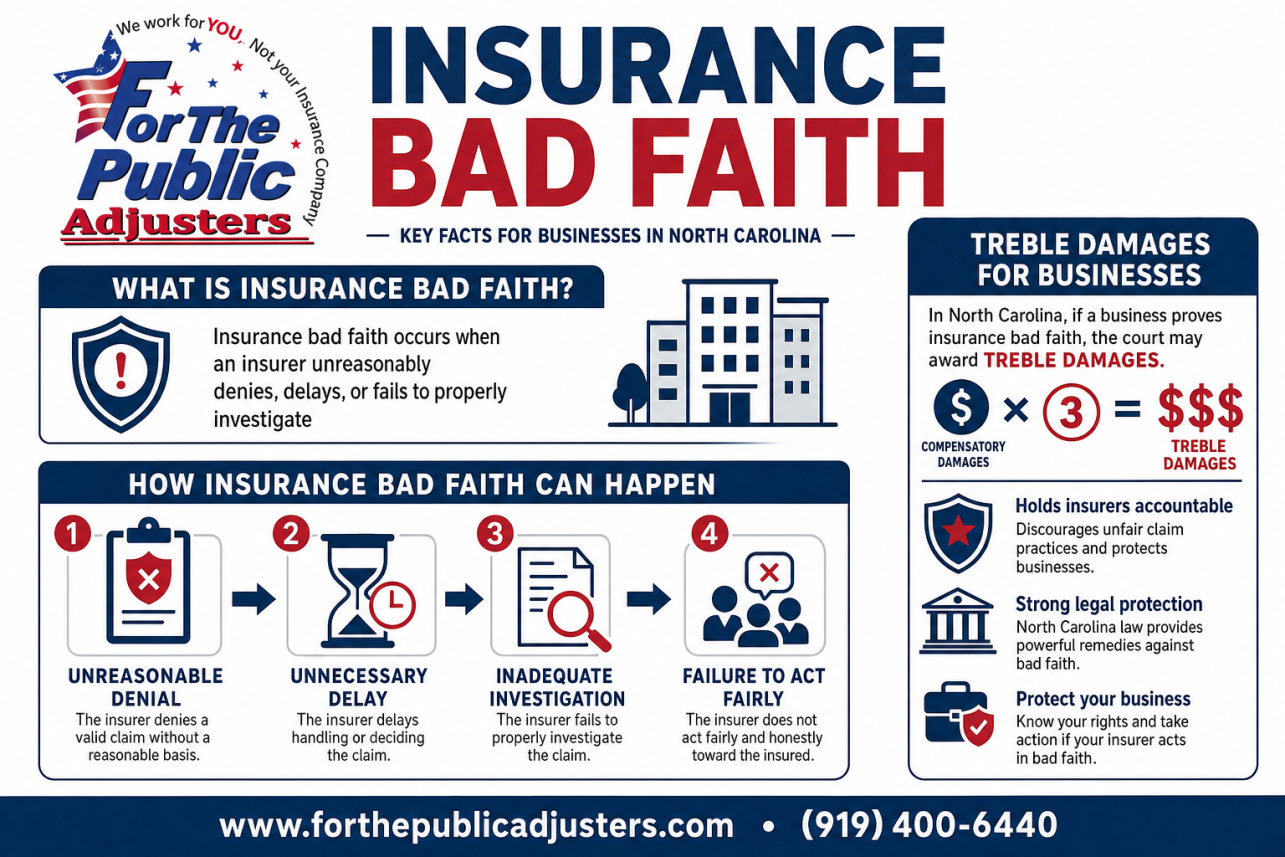
Insurance bad faith under Chapter 75 occurs when an insurer’s unfair or deceptive claim handling — such as refusing to pay without a reasonable investigation — violates North Carolina’s Unfair and Deceptive Trade Practices Act. If that conduct harms the policyholder, the court must triple the actual damages and may award attorney’s fees.
North Carolina doesn’t leave “bad faith” to guesswork. Two statutes work hand in hand. The first, N.C.G.S. Chapter 75 (the Unfair and Deceptive Trade Practices Act, or UDTPA), broadly prohibits unfair or deceptive acts affecting commerce. The second, N.C.G.S. § 58-63-15(11), is part of the state’s insurance code and spells out specific unfair claim settlement practices. North Carolina courts have held that conduct violating § 58-63-15(11) is, as a matter of law, an unfair trade practice under Chapter 75 — meaning a policyholder generally does not have to separately prove the behavior was “unfair.” The statutes do the heavy lifting.
Claim Practices the Insurance Code Prohibits
Section 58-63-15(11) lists more than a dozen prohibited practices when done with enough frequency to indicate a general business practice. Examples that matter most to homeowners and property owners include:
- Misrepresenting policy provisions or the facts relevant to your coverage
- Failing to acknowledge or act reasonably promptly on claim communications
- Refusing to pay a claim without conducting a reasonable investigation based on all available information
- Not attempting in good faith to reach a prompt, fair settlement once liability has become reasonably clear
- Forcing policyholders to file suit by offering substantially less than what they ultimately recover
- Failing to promptly explain, with reference to the policy, why a claim was denied
Why a Violation Can Trigger Treble Damages
Here’s what makes Chapter 75 unusually powerful: treble damages are not discretionary. To prevail, a policyholder generally must show (1) an unfair or deceptive act — which a § 58-63-15(11) violation supplies — (2) in or affecting commerce, and (3) actual injury caused by that conduct. Once those elements are established, the statute directs the court to automatically triple the actual damages. A judge doesn’t weigh whether tripling is deserved; the multiplication is built into the law. Chapter 75 also allows the court to award reasonable attorney’s fees when the insurer’s refusal to settle was willful and unwarranted, which can shift much of the cost of the fight onto the carrier.
For a homeowner, this framework changes the math. A dispute over an underpaid fire or water claim is no longer just about the shortfall — mishandled badly enough, it can expose the insurer to three times that amount. That’s also why careful documentation of every delay, lowball offer, and unexplained denial matters from day one. Policyholders who work with a public adjuster on the policyholder’s side often build exactly the kind of paper trail that reveals whether an insurer’s conduct crossed the line from a hard-nosed negotiation into a statutory violation.

Have Policyholders Actually Won Treble Damages Against Insurers?
Yes. North Carolina courts have allowed policyholders to pursue — and in some cases win — treble damages against insurers under Chapter 75. Two notable property damage decisions, Gray v. North Carolina Insurance Underwriting Association and Country Club of Johnston County v. USF&G, show that insurance bad faith claims are more than a theoretical remedy.
Gray v. North Carolina Insurance Underwriting Association
In Gray, homeowners suffered hurricane damage to their coastal property and became locked in a dispute with their insurer over the claim. The case ultimately reached the North Carolina Supreme Court, which allowed the insureds’ Chapter 75 unfair and deceptive practices claim to move forward. The decision matters for everyday property owners for a few reasons:
- It confirmed that the way an insurer handles and settles a claim can itself give rise to Chapter 75 liability — not just an outright wrongful denial.
- It reinforced that conduct violating North Carolina’s unfair claim settlement practices standards can support a claim for treble (tripled) damages.
- It involved an ordinary homeowner’s storm claim, not a sophisticated commercial dispute — proof that these protections extend to residential policyholders.
Because hurricane losses often involve both wind and water, homeowners in coastal counties should also understand how flood coverage works separately from their homeowners policy. The National Flood Insurance Program (FloodSmart.gov) explains what flood policies cover and how flood claims are handled, and FEMA’s flood insurance resources are worth reviewing before storm season.
Country Club of Johnston County v. USF&G
In this case, a country club suffered a fire loss and sued its insurer over the handling of the property claim. The North Carolina Court of Appeals upheld findings that the insurer’s claims conduct amounted to unfair and deceptive trade practices, exposing the carrier to trebled damages under Chapter 75. Key takeaways for business and property owners:
- Delay tactics, lowball valuations, and failure to conduct a reasonable investigation can all become evidence in a Chapter 75 case.
- Commercial policyholders — not just homeowners — can hold insurers accountable when claims handling crosses the line.
- Documentation is critical: correspondence, adjuster reports, estimates, and timelines often decide these cases.
What These Wins Mean for You
These decisions do not mean every disputed claim will result in treble damages — outcomes always depend on the specific facts, and no one can guarantee a particular result. What they do show is that North Carolina law gives policyholders real leverage when an insurer acts unfairly. If you believe your claim is being mishandled, keep thorough records and consider filing a complaint with the North Carolina Department of Insurance, which regulates insurer conduct and assists consumers with claim disputes.
Insurance Bad Faith vs. Breach of Contract Claims in North Carolina
| Factor | Breach of Contract | Chapter 75 / Insurance Bad Faith |
|---|---|---|
| What you must prove | Insurer failed to pay what the policy owes | Unfair or deceptive claim-handling conduct affecting commerce |
| Available damages | Unpaid policy benefits plus interest | Actual damages trebled (tripled), potentially plus attorney’s fees |
| Evidence courts focus on | Policy language and valuation of the loss | Documented conduct: delays, misrepresentations, inadequate investigation |
| Typical leverage in settlement | Limited — insurer risks only what it owed anyway | Significant — insurer faces triple exposure and fee-shifting |
Illustrative Example: A Warehouse Owner Fights Back
Illustrative example
Consider a hypothetical composite scenario: a small distribution company suffers significant roof and water damage to its warehouse after a storm. The insurer takes months to inspect, relies on a cursory drive-by estimate, misstates what the policy covers in written correspondence, and offers a fraction of the documented repair costs.
Because the owner kept meticulous records of every phone call, email, delayed inspection, and inconsistent explanation, counsel is able to frame the case not just as an underpayment but as a pattern of unfair claim-handling practices under Chapter 75. Faced with potential treble damages and attorney’s fees rather than a simple contract dispute, the insurer resolves the claim on far more favorable terms. The lesson: the documentation of the insurer’s conduct, not the underpayment alone, is what created the leverage.
Frequently asked questions
What counts as insurance bad faith under North Carolina law?
In North Carolina, insurance bad faith generally means an insurer refused to pay or settle a valid claim without a legitimate, honest reason — for example, denying coverage without a reasonable investigation, misrepresenting policy provisions, or unreasonably delaying payment. Importantly, a simple disagreement over the amount owed is usually not enough. Courts look for evidence of how the claim was handled: ignored communications, failure to inspect the damage properly, shifting explanations for a denial, or lowball offers made without any factual basis. That’s why documenting the insurer’s conduct throughout the claim is often more important than the underpayment itself.
How do treble damages work under Chapter 75 for a mishandled commercial property claim?
North Carolina’s Unfair and Deceptive Trade Practices Act (Chapter 75 of the General Statutes) allows a court to triple — or ‘treble’ — the actual damages proven by a business that was harmed by an insurer’s unfair or deceptive conduct. In the insurance context, courts often look to the unfair claim settlement practices listed in the state’s insurance statutes as examples of conduct that can violate Chapter 75. If a policyholder proves an unfair or deceptive practice that caused its loss, trebling of actual damages is generally automatic, and the court may also award attorneys’ fees in appropriate cases. This is what gives commercial policyholders real leverage when an insurer mishandles a building damage claim.
Is an underpaid or denied claim by itself enough to sue for bad faith?
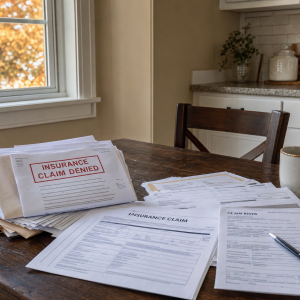
Usually not. North Carolina courts distinguish between an ordinary coverage dispute — where the insurer has a reasonable, good-faith basis for its position — and bad faith or unfair claim handling. An insurer can be wrong about coverage or value without acting in bad faith. What moves a case into bad faith or Chapter 75 territory is evidence of improper conduct in the claim-handling process: failing to investigate, refusing to explain a denial, misrepresenting what the policy says, or delaying without justification. Business owners should keep every letter, email, adjuster report, and estimate, because that paper trail is typically what proves the case.
What should a business owner do if they suspect their building damage claim is being handled in bad faith?
Start by documenting everything: save all written communications with the insurer, take notes on phone calls (date, who you spoke with, what was said), photograph the damage, and keep copies of your own contractor estimates and repair invoices. Put important requests and disputes in writing so there’s a record. Ask the insurer to explain any denial or low valuation in writing, citing the specific policy language it relies on. Then consult an attorney experienced in policyholder-side insurance litigation — claims under Chapter 75 and for bad faith are fact-intensive and subject to time limits, so getting advice early helps preserve both evidence and legal options.
Related local pages
- Public Adjuster Burlington NC: Fire, Water & Storm Damage Claims Handled On The Policyholder’s Side
- Public Adjuster Elon NC — Fire & Water Claim Help For Alamance County Homeowners
- Public Adjuster Haw River NC — Fire, Flood & Storm Claim Help For Older Mill-Town Homes Along The Haw
If your commercial property claim has stalled, been lowballed, or been unfairly denied, our licensed and bonded public adjusters serve business owners across North Carolina and Virginia. We document your damage and your insurer’s claim-handling conduct so you can pursue every dollar your policy allows. Contact us today for a free claim review. Get in touch.
Last updated: August 4, 2026