Why Was My Vandalism Claim Denied for Vacancy?
A vacancy clause vandalism claim is typically denied because most homeowners policies exclude vandalism and malicious mischief losses when the home has been “vacant” for more than 60 consecutive days before the damage. But the denial only holds up if your property actually meets the policy’s own definition of vacant — and that definition is narrower than many adjusters suggest.
Key takeaways
- Insurers must prove a home met the policy’s own definition of ‘vacant’ — not just ‘unoccupied’ — before denying a vandalism claim under a vacancy clause.
- A house being renovated, actively listed for sale, or between tenants often still contains furnishings or contractor activity that defeats a vacancy finding.
- Most policies require vacancy for a set consecutive period (commonly 30 or 60 days) immediately before the loss, and the insurer bears the burden of proving that timeline.
- Courts in North Carolina and Virginia construe ambiguous policy terms against the insurer, so an undefined or vague vacancy clause is often read in the homeowner’s favor.
- A vacancy clause vandalism claim denial letter is the start of the conversation, not the end — you can demand the carrier’s evidence, invoke appraisal or bad-faith remedies, and consult counsel.
If you just opened a denial letter citing a vacancy exclusion, take a breath before accepting it. Insurers lean heavily on this clause after vandalism losses because it’s one of the few exclusions that can wipe out coverage entirely — no payment for the broken windows, graffiti, stolen copper, or interior destruction. That gives the carrier a strong financial incentive to label your home vacant even when the facts are murky.
How the 60-Day Vacancy Exclusion Works
Most standard homeowners forms, including those commonly used in North Carolina and Virginia, contain language stating that vandalism and malicious mischief are not covered if the dwelling has been vacant for more than 60 consecutive days immediately before the loss. A few key points matter here:
- The clock must run continuously. The exclusion generally requires 60 straight days of vacancy right before the vandalism occurred — not scattered periods of absence over the year.
- Vacant is not the same as unoccupied. Under most policy definitions, a home that still contains furniture and personal property sufficient for someone to live there is unoccupied, not vacant. Unoccupied homes are usually still covered for vandalism.
- The burden is on the insurer. Exclusions are the carrier’s to prove. If the insurance company can’t establish that your home met the policy’s definition of vacant for the full period, the exclusion shouldn’t apply.
Why Insurers Reach for This Exclusion So Quickly
Vandalism claims on empty-looking homes raise red flags for carriers, and the vacancy clause is their fastest exit. Common triggers for a vacancy-based denial include a neighbor telling the adjuster “nobody lives there,” utilities that were shut off, a for-sale sign in the yard, or a home sitting between tenants. None of these facts, standing alone, proves the home was vacant under the policy language — yet claims are routinely denied on exactly this kind of thin evidence.
The Key Takeaway
A vacancy denial is a starting position, not a final verdict. The specific wording of your policy controls, and courts in many states have read vacancy provisions narrowly against insurers. Homeowners in the Triangle area who push back — often with help from a public adjuster in Durham NC or elsewhere in the region — frequently find that their home was never truly “vacant” as the policy defines it. The sections below break down exactly what that definition requires and how to challenge a denial that doesn’t meet it.
What Counts as ‘Vacant’ Under an NC or VA Vacancy Clause Vandalism Claim?
Under most homeowners policies in North Carolina and Virginia, a home is “vacant” only when it is essentially empty of the furniture and contents needed for someone to live there — and it typically must stay that way for a set period, often 60 consecutive days, before vandalism coverage is restricted. A home that is furnished but temporarily empty of people is usually “unoccupied,” not vacant.
That distinction is the whole ballgame in a vacancy clause vandalism claim, and it is exactly where many denials fall apart. Adjusters sometimes use “vacant” and “unoccupied” interchangeably. Your policy almost never does.
Vacant vs. Unoccupied: Why the Words Matter
- Vacant generally means the home lacks enough furnishings, appliances, and personal property for normal day-to-day living. Think bare rooms, no bed, no working kitchen setup.
- Unoccupied means no one is currently staying there, but the home is still set up for living. A furnished house while you’re traveling, in the hospital, or splitting time between residences is unoccupied — not vacant.
Most standard forms restrict vandalism coverage only for vacancy, not mere unoccupancy. If your home still contained furniture, clothing, kitchenware, or other meaningful contents when the vandalism occurred, the vacancy exclusion may not apply at all — regardless of how long you were away.
How the 60-Day Clock Is Supposed to Work
Many policies exclude vandalism and malicious mischief only when the dwelling has been vacant for a specified number of consecutive days — commonly 60 — immediately before the loss. Two details matter here:
- The clock must actually run. The insurer generally needs to show the home met the policy’s definition of vacant for the entire period, not just that it looked empty on the day the adjuster visited.
- Activity can interrupt it. Regular visits, ongoing maintenance, stored belongings, active utilities, and work being done at the property are all facts that cut against a finding of continuous vacancy.
NC and VA Policy Language Can Differ From What the Adjuster Says
There is no single universal vacancy clause. Definitions and time periods vary by insurer, by policy form, and by endorsement, and older or non-standard policies sold in North Carolina and Virginia can read very differently from the version the adjuster is describing over the phone. Some policies define vacancy narrowly; others add endorsements that modify or even remove the restriction. Landlord and dwelling-fire policies often treat vacancy differently than a standard homeowners form.
The takeaway: never accept a verbal summary of your vacancy clause. Ask for the denial in writing, request a complete certified copy of your policy, and read the actual definition of “vacant” in your specific form. If your home was furnished, being maintained, or visited regularly, the policy language — not the adjuster’s characterization — controls whether the exclusion applies.
Can Insurers Deny a Vacancy Clause Vandalism Claim Without Proof?
No. Vacancy is a policy exclusion, and under long-standing insurance law the insurer bears the burden of proving that the exclusion applies. If the carrier cannot demonstrate — with actual evidence — that your property met the policy’s definition of vacant for the required period, it cannot lawfully deny your vandalism claim on that basis.
This is a point many homeowners never hear from their adjuster. When you file a claim, you have the burden of showing that a covered loss occurred — in this case, vandalism damage. But once you’ve done that, the roles reverse. If the insurer wants to escape payment by invoking an exclusion like the vacancy clause, courts consistently require the insurer to prove every element of that exclusion. Ambiguities in the policy language are construed against the carrier, because the insurer wrote the contract.
What the Insurer Must Actually Prove
To sustain a vacancy clause vandalism claim denial, the carrier generally needs evidence establishing:
- The property met the policy’s specific definition of “vacant” — not just “unoccupied” or “nobody home,” which are legally distinct concepts.
- The vacancy lasted for the full period required by the policy — typically a consecutive number of days (often 30 or 60) immediately before the loss.
- The exclusion applies to the specific loss claimed — the timeline of the vandalism must actually fall within the vacancy window.
A denial letter that simply asserts the home “appeared vacant” or relies on a neighbor’s offhand comment falls well short of this standard. Speculation is not proof.
Courts Have Sided With Policyholders
A frequently cited example is TRB Investments, Inc. v. Fireman’s Fund Insurance Co., where the insurer denied a vandalism loss by arguing the building was vacant. The court disagreed, finding that the property was undergoing renovation and therefore was not “vacant” within the meaning of the policy — and the carrier was required to pay the vandalism loss. The decision reflects a broader judicial pattern: when a property contains materials, equipment, or activity connected to a legitimate purpose, courts are reluctant to let insurers stretch the word “vacant” to defeat coverage.
Why This Matters for Your Denial
If your claim was denied under a vacancy clause, ask the insurer — in writing — what evidence supports the denial. You are entitled to know:
- The exact policy language being invoked;
- The factual basis for concluding the home was vacant;
- How the carrier established the duration of the alleged vacancy.
If the answers amount to assumptions rather than documented facts, the denial is vulnerable to challenge. Insurers know their burden of proof — and a well-supported pushback often changes the outcome.
Does a Home Under Renovation, For Sale, or Between Tenants Count as Vacant?
Usually not. A home under active renovation, listed for sale with furniture or staging inside, or in a normal rental turnover period typically does not meet the policy definition of “vacant.” Regular visits, stored belongings, and ongoing contractor activity are all evidence of use and occupancy that can defeat a vacancy denial.
Insurers sometimes treat any home without a full-time resident as vacant, but most policies require more than an empty bedroom to trigger the exclusion. Vacancy generally means the property is devoid of contents and abandoned as a residence — not simply that no one slept there last night. Here is how the three most common scenarios in North Carolina and Virginia tend to play out.
Homes Under Active Renovation
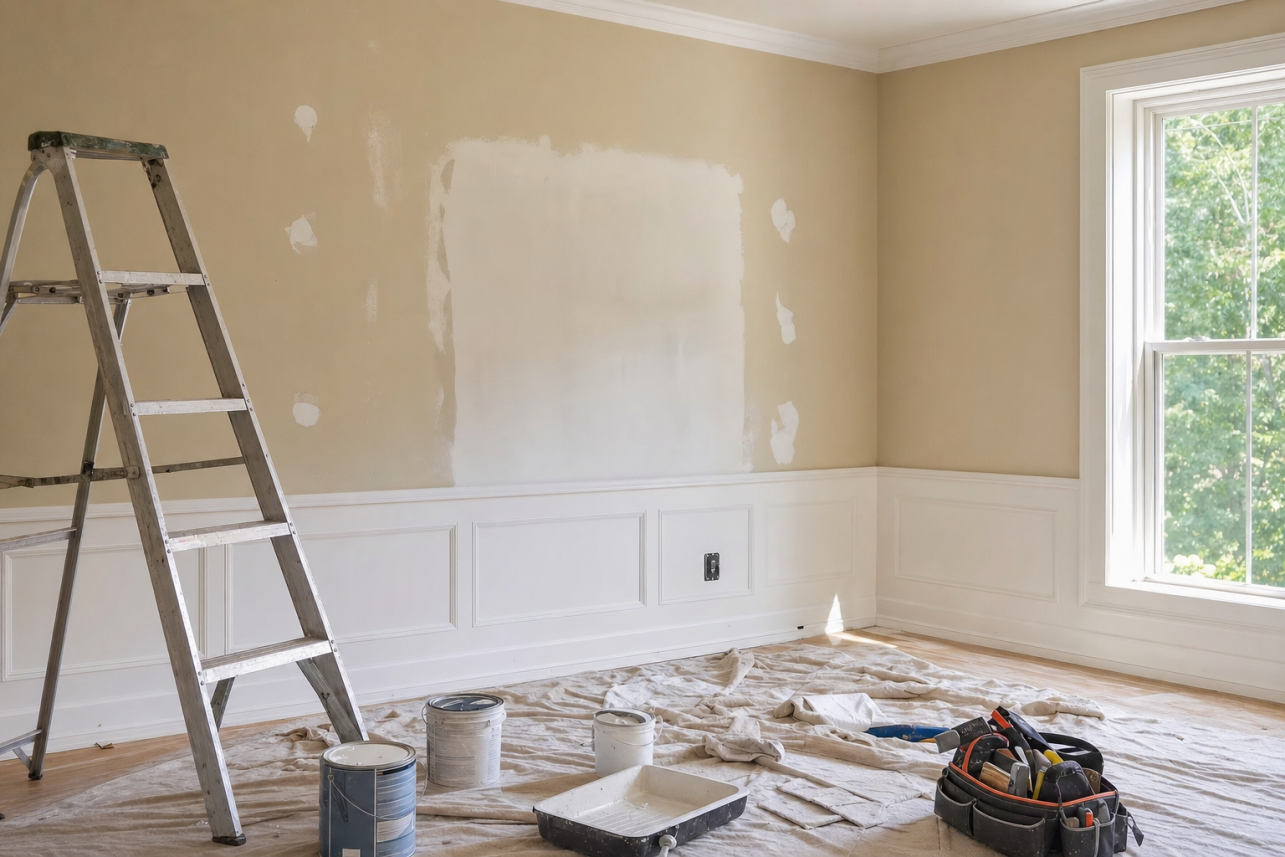
A remodel is one of the strongest defenses against a vacancy finding. When contractors, tradespeople, or the owner are on site regularly, the property is being actively used — just for construction rather than sleeping. Evidence that helps includes:
- Signed contractor agreements and work schedules
- Building permits pulled for the project
- Invoices, material deliveries, and dated progress photos
- Utility usage showing power and water remained on
Some policies even contain specific language addressing homes “under construction or renovation,” which can carve those properties out of the vacancy exclusion entirely. Read your policy’s exact wording before accepting a denial.
Homes Listed for Sale
A house on the market is not automatically vacant. If the home still contains furniture, staging pieces, appliances, or personal property, most courts and policy definitions treat it as unoccupied at most — a different and far less damaging status than vacant. Showings by real estate agents, open houses, lockbox access logs, and MLS listing photos showing furnished rooms all demonstrate the home was being visited and maintained, not abandoned.
Rental Properties Between Tenants
Turnover periods are a normal part of owning rental property, and a gap of a few weeks between tenants rarely satisfies a vacancy clause on its own. Many policies require the property to be vacant for a continuous period — often 30 or 60 consecutive days — before the exclusion applies. Landlord activity during turnover can interrupt or prevent that clock from running, including:
- Cleaning, painting, and repair visits between leases
- Showings to prospective tenants and application processing
- Advertising records proving you were actively seeking a renter
- Appliances, window coverings, and maintenance supplies left on site
Why These Details Matter to Your Claim
In a vacancy clause vandalism claim dispute, the burden often comes down to documentation. If you can show consistent visits, contents in the home, and a clear intent to occupy, sell, or re-rent the property, the “vacant” label frequently does not hold up under scrutiny. Gather your records early — they are the foundation of any successful challenge.
What Should I Do If My Vandalism Claim Was Denied for Vacancy?
If your vandalism claim was denied under a vacancy clause, don’t accept the denial at face value. Request the denial and full policy in writing, gather evidence showing the home was occupied or actively used, document all vandalism damage thoroughly, and formally challenge the insurer’s decision before signing anything or walking away.
Insurers sometimes apply vacancy exclusions broadly, and the burden of proving the exclusion applies typically rests with them. A methodical response gives you the best chance of overturning the decision. Here’s a step-by-step plan.
Step 1: Get Everything in Writing
Ask the insurer to provide the denial in writing, citing the exact policy language and the specific facts they relied on to conclude the property was vacant. Also request a complete certified copy of your policy, including all endorsements. Vague verbal denials are hard to fight; written ones lock the insurer into a position you can examine and challenge.
Step 2: Gather Evidence of Occupancy and Activity
The heart of most vacancy clause vandalism claim disputes is whether the home was truly vacant under the policy’s definition. Collect anything that shows people were living in, using, or regularly attending to the property, such as:
- Utility bills showing electricity, water, or gas usage during the relevant period
- Furniture, appliances, and personal belongings in the home (photos and receipts help)
- Statements from neighbors, contractors, landscapers, or a property manager who saw activity
- Mail delivery records, security system logs, or smart-home and doorbell camera data
- Lease agreements, listing records, or contractor invoices showing the home was between tenants or under active work
- Dated photos, texts, or calendar entries showing visits to the property
Step 3: Document the Vandalism Damage Thoroughly
Even while the denial is disputed, preserve your proof of loss. Photograph and video every area of damage before making repairs, keep the police report and report number, save receipts for emergency board-up or securing measures, and get written repair estimates. If the denial is reversed, you’ll need this documentation to be paid fairly.
Step 4: Challenge the Denial Before Accepting It
Respond to the insurer in writing, pointing out where their vacancy determination conflicts with the policy language or your evidence. Ask them to identify how they defined “vacant” versus “unoccupied,” since many policies treat these differently. If the insurer won’t reconsider, you can escalate by:
- Requesting an internal appeal or supervisor review of the claim
- Filing a complaint with your state’s Department of Insurance
- Consulting a public adjuster or an attorney experienced in property claim disputes
Keep a log of every call, email, and letter, including names and dates. A well-documented paper trail often changes how seriously an insurer treats your dispute, and it becomes essential evidence if the disagreement goes further.
How Can a Public Adjuster Help Fight a Vacancy Denial in NC or VA?
A licensed, bonded public adjuster works only for you — not the insurance company. They review your policy’s actual vacancy definition, gather evidence showing the home was occupied or exempt, document and value the full vandalism loss including contents, and negotiate directly with the insurer. Results depend on your specific facts and policy language.
When an insurer denies a vacancy clause vandalism claim, they’re relying on their interpretation of your policy and the facts as they see them. A public adjuster levels the playing field by building a documented, professional counter-argument on your behalf. Both North Carolina and Virginia require public adjusters to be licensed, and you can verify a license through the North Carolina Department of Insurance or Virginia’s Bureau of Insurance.
Reviewing the Policy Language That Actually Applies
Insurers sometimes apply a generic vacancy standard rather than the precise wording in your policy. A public adjuster reads your specific form and endorsements to determine:
- How your policy actually defines “vacant” versus “unoccupied” — the distinction often decides the claim
- Whether a time threshold (such as a consecutive-day requirement) was truly met
- Whether any endorsement, renovation provision, or exception preserves your vandalism coverage
Assembling Occupancy Evidence
Vacancy denials often fail when confronted with real proof of occupancy or intent to occupy. A public adjuster helps compile:
- Utility records, mail delivery, and service visits showing ongoing activity at the property
- Photos and inventories showing furnishings and personal property in the home
- Contractor records, listing agreements, or lease documents showing the property’s actual status
- Neighbor statements and maintenance records demonstrating the home was cared for
Valuing the Full Loss — Not Just the Obvious Damage
Even when coverage is restored, vandalism losses are frequently undervalued. A public adjuster prepares a detailed estimate covering structural damage, stolen or destroyed contents, cleanup, and code-required repairs, so you’re not negotiating from the insurer’s numbers alone.
Advocating Through the Claims Process
Your adjuster handles communications, responds to the insurer’s reservation-of-rights or denial letters, and pushes for reconsideration based on documented facts. If the dispute continues, they can help you understand options like appraisal or filing a complaint with your state insurance regulator. Consumer guidance from the National Association of Insurance Commissioners (NAIC) can also help you understand your rights during a disputed claim.
An Honest Word About Outcomes
No public adjuster can guarantee a denial will be overturned — anyone who promises that should raise a red flag. What a qualified, licensed, and bonded adjuster can do is make sure your claim is judged on complete evidence, accurate policy interpretation, and a full accounting of your loss, rather than on assumptions made during a quick inspection.
Vacancy Clause Vandalism Claim Denials: ‘Vacant’ vs. ‘Unoccupied’ and Why It Matters
| Situation | Typically ‘Vacant’ Under Policy? | Why It Matters for a Vandalism Denial |
|---|---|---|
| Home under active renovation with tools, materials, and contractors on site | Often no | Ongoing construction activity and stored property usually show the home was not devoid of contents |
| Furnished home listed for sale while owners live elsewhere | Usually no — ‘unoccupied,’ not vacant | Furniture and personal property generally defeat vacancy; many policies distinguish the two terms |
| Rental emptied between tenants, utilities on, landlord visiting regularly | Depends on contents and timeline | Insurer must prove the vacancy period ran continuously up to the date of loss |
| Fully emptied home, utilities off, no visits for months | Often yes | This is closest to true vacancy — but the carrier still must prove it under the policy’s definition |
Illustrative Example: A ‘Vacant’ Home That Wasn’t
Illustrative example
Consider a hypothetical composite scenario: a Virginia homeowner inherits a house, spends two months renovating it with contractors coming and going, and lists it for sale fully staged with furniture. Vandals break in and damage the kitchen and copper plumbing, and the insurer denies the claim citing a 60-day vacancy clause. When the homeowner’s attorney gathers contractor invoices, utility records, showing logs from the listing agent, and photos of the furnished interior, the evidence shows the home was unoccupied but never vacant under the policy’s own definition. Faced with proof it could not carry its burden, the carrier reverses course and pays the covered vandalism loss. This composite reflects a common pattern, not any actual client matter.
Frequently asked questions
What is a vacancy clause vandalism claim denial, and why did my insurer use it?
Most homeowners policies exclude or limit coverage for vandalism if the home was ‘vacant’ for a set period—commonly around 60 days—before the loss. Insurers use this clause because vacant homes face higher vandalism risk. However, the denial is only valid if your home actually met the policy’s specific definition of ‘vacant,’ which is often narrower than the everyday meaning of the word. If you receive a denial letter citing vacancy, ask the insurer to identify the exact policy language and the evidence it relied on.
My house was being renovated or was listed for sale when it was vandalized. Does that count as vacant?
Often not. Many policies distinguish ‘vacant’ (empty of furnishings and not being used) from ‘unoccupied’ (furnished but no one living there temporarily). A home undergoing active renovation, staged for sale, or holding furniture and personal property between tenants may not be ‘vacant’ under the policy’s own definition. Courts in various jurisdictions have required insurers to prove the property truly met the policy definition of vacancy before a vandalism denial can stand, so the specific wording of your policy matters a great deal.
Who has to prove the home was vacant—me or the insurance company?
Generally, when an insurer relies on an exclusion like a vacancy clause to deny a claim, the insurer bears the burden of proving the exclusion applies. That means the carrier typically must show, under the policy’s own definition, that the home was vacant for the full period required before the vandalism occurred. Ambiguous policy language is usually construed against the insurer. Evidence like utility usage, contractor activity, furniture and belongings on site, and regular visits can all undercut a vacancy finding.
What should I do if my vandalism claim on a North Carolina or Virginia home was denied under a vacancy clause?
First, get the denial in writing and request a complete copy of your policy, including the vacancy definition. Gather evidence of use and occupancy: photos, renovation contracts and invoices, listing records, utility bills, and witness statements from neighbors or contractors. Then consider consulting an attorney experienced in insurance coverage disputes in your state, since deadlines apply to both appeals and lawsuits. An attorney can evaluate whether the insurer actually met its burden under the policy language and applicable NC or VA law.
Related local pages
- Public Adjuster Burlington NC: Fire, Water & Storm Damage Claims Handled On The Policyholder’s Side
- Public Adjuster Elon NC — Fire & Water Claim Help For Alamance County Homeowners
- Public Adjuster Haw River NC — Fire, Flood & Storm Claim Help For Older Mill-Town Homes Along The Haw
If your vandalism claim was denied because the insurer says your home was ‘vacant,’ don’t accept that answer at face value. Our licensed and bonded public adjusters serve homeowners across North Carolina and Virginia, and we know how to hold carriers to their own policy definitions. Contact us today for a free, no-obligation review of your denial letter. Get in touch.
Last updated: October 8, 2026