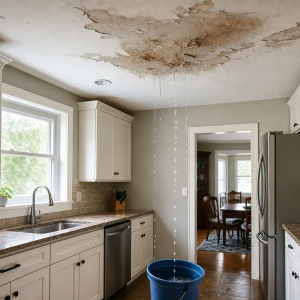
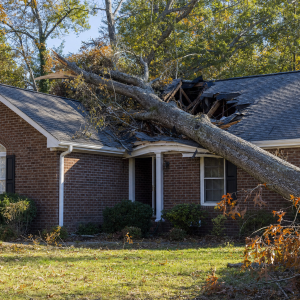
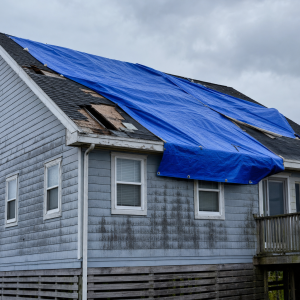
You paid premiums for a safety net. Then a fire, wind loss, water damage, or storm closure hits, revenue stops, and the insurance company starts talking in accounting language, policy clauses, and narrow interpretations. That's when most owners ask the underlying question behind the keyword: what is Business Income Insurance, and why does it suddenly feel so hard to collect?
The short answer is this. Business income insurance is supposed to help keep your business alive after covered property damage shuts down or slows operations. The frustrating part is that many claim disputes don't center on whether you bought the coverage. They center on how the insurer measures your loss, what they call a continuing expense, how long they think repairs should take, and what they try to subtract from the claim.
If you're dealing with a denied claim, a low-ball offer, or an adjuster who acts like your shutdown is just a math problem, you're not overreacting. This coverage is technical. Insurers know that. You need to know it too.
Table of Contents
- Your Business Is Shut Down Now the Real Fight Begins
- What Business Income Insurance Actually Covers
- Decoding Your Policy's Hidden Traps and Clauses
- How Insurers Use Denied and Low-Ball Claim Tactics
- Building Your Bulletproof Claim Documentation
- Case Study From Low-Ball to Full Recovery in NC
- Don't Fight Your Insurer Alone Get Expert Claim Help
Your Business Is Shut Down Now the Real Fight Begins
A business owner usually sees the loss in real-world terms first. The dining room is dark. The shop is boarded up. Staff are texting to ask when work resumes. Vendors still want payment. The landlord still wants rent. The bank still wants the note paid.
The insurance company often sees the same loss very differently. Their adjuster looks for limits, offsets, delays, and reasons to narrow the period they owe. That gap is where most business income disputes begin.
Business income coverage has grown because businesses know a shutdown can destroy them even after the building gets repaired. The global business income insurance market was valued at approximately $14.93 billion in 2021 and is projected to reach $33.54 billion by 2031, growing at a CAGR of 8.8%, according to Allied Market Research's business income insurance market analysis. Growth in the market doesn't make claims easier. It just shows how many businesses depend on this protection.
The promise in the policy and the reality in the claim
Owners often think the coverage means, “If I can't operate, the insurer will make me whole.” That's not how the claim gets handled in practice.
The carrier starts asking narrower questions:
- What physical damage triggered the shutdown
- Which operations were fully suspended versus partially reduced
- Which expenses continued and which stopped
- How quickly they think repairs should have been completed
- Whether your records support your income projection
Practical rule: The day your business shuts down is also the day the financial dispute starts. Treat the income portion of the claim like a contested case, not a routine reimbursement.
A hardware store after a storm, a restaurant after a kitchen fire, a retail shop after water damage, they all run into the same problem. Property damage is visible. Lost income is argued over. The carrier may agree that the building was damaged and still fight hard over how much operating loss it owes.
Why owners get blindsided
Most owners are busy surviving the interruption. They're talking to contractors, customers, employees, and landlords. Meanwhile, the insurer is building its file.
That's why a business income claim can feel unfair so quickly. You bought coverage for the moment when revenue stops, but the insurer may treat every line item as suspect unless you prove it. If you don't understand the formula and the policy language, you're negotiating from behind.
What Business Income Insurance Actually Covers
Business income insurance does not mean the insurer pays back all the sales you missed. That misunderstanding causes a lot of anger when the first estimate arrives.
The industry definition is narrower and more technical. The standard ISO definition of business income is the sum of “net income… that would have been earned or incurred” plus “continuing normal operating expenses incurred, including payroll”, as explained in Insurance Journal's discussion of ISO business income language. That means the policy is aimed at lost net profit plus continuing expenses, not gross revenue.

The core formula insurers use
A simple way to understand it is this:
| Coverage piece | What it means in plain English |
|---|---|
| Lost net income | The profit the business would likely have earned if the loss had not happened |
| Continuing operating expenses | Bills that keep coming even while operations are shut down or reduced |
| Extra expense | Reasonable costs spent to reduce downtime or keep operating in some form |
That's why clean financials matter. If your profit and loss statements are disorganized, the insurer has room to challenge your baseline. Business owners who need a refresher on reading the numbers should review understanding P&L statements from Steingard Financial, because your claim lives or dies on what those records show.
What counts and what doesn't
Some expenses continue whether you're open or closed. Others stop when the business stops. The fight often turns on that distinction.
Typical continuing expenses can include:
- Rent or lease obligations if they remain due during repairs
- Payroll for key employees you need to retain
- Utilities and loan payments that don't disappear because the doors are shut
- Costs to operate from a temporary location if that helps reduce the interruption
Some losses don't belong in a business income claim at all. The building repair itself belongs under property coverage, not income coverage. If you also have rental exposure tied to the property, that's a separate issue and worth comparing with loss of rents coverage guidance.
Business income coverage is about keeping the business financially alive during a covered shutdown. It is not a blank check for every dollar that stops coming through the front door.
Owners usually get into trouble when they submit a top-line sales decline and assume that equals the claim. It doesn't. The insurer will work backward from your financial records, your normal expense structure, and its own view of what kept running versus what stopped.
That's why understanding what business income insurance is matters so much in a dispute. Once you know the formula, you can see where the carrier is likely to push back.
Decoding Your Policy's Hidden Traps and Clauses
Your policy isn't just a promise to pay. It's a contract full of timing rules, definitions, and limitations that can shrink recovery if you don't catch them early.
Many business owners don't discover the actual restrictions until the carrier cites them in a reservation letter, estimate, or reduced payment explanation. By then, the insurer has already framed the numbers in its favor.
The restoration clock is a battleground
One of the biggest pressure points is the period of restoration. Standard Business Owners Policies often include a 12-month limit for business income coverage, and the policy can cover lost net income, ongoing costs like rent and utilities, and extra expenses needed to minimize the shutdown, but only during that restoration period, according to The Coyle Group's explanation of business income coverage.
That sounds straightforward until the insurer decides the clock should stop sooner than your actual recovery.
Common dispute points include:
- Repair speed: The carrier may argue the work could have been completed faster.
- Partial reopening: They may say limited operations mean the interruption is effectively over.
- Temporary workarounds: They may insist you should have moved or adapted sooner.
- Contractor timing issues: They may treat supply or scheduling problems as outside the covered timeline.
If your business can technically reopen in a limited way but can't operate at anything close to normal, that often becomes a fight. The insurer may treat “open enough” as the end of the loss. The owner sees an operation that's still bleeding cash.
Limits can cut off recovery before your business is stable
A separate problem is the policy limit itself. A 12-month limit may sound generous until you're dealing with major rebuild delays, permit complications, specialty equipment replacement, or code-related repair issues.
Here's how that tension often shows up:
| Policy issue | How the insurer uses it | Why owners push back |
|---|---|---|
| Time limit | Stops payments at the contractual cutoff | Recovery may still be incomplete |
| Restoration definition | Uses an “ideal” repair timeline | Real-world construction rarely runs ideally |
| Extra expense review | Questions whether costs were necessary | Fast mitigation often prevents a worse loss |
The carrier's timeline is often cleaner than the contractor's timeline, the city's timeline, or reality.
Owners should also watch for language that treats extra expense as something the carrier will scrutinize hard. If you rented temporary equipment, paid for short-term space, or accelerated repairs to reduce the interruption, those choices need to be documented as reasonable and necessary.
The hidden trap isn't just the wording. It's the insurer's interpretation. They drafted the form, they know where the pressure points are, and they use them when the claim gets expensive.
How Insurers Use Denied and Low-Ball Claim Tactics
When owners complain that the insurer “knows what they're doing,” they're usually right. Business income underpayments follow patterns. Once you know the playbook, you can spot the pressure tactics earlier.
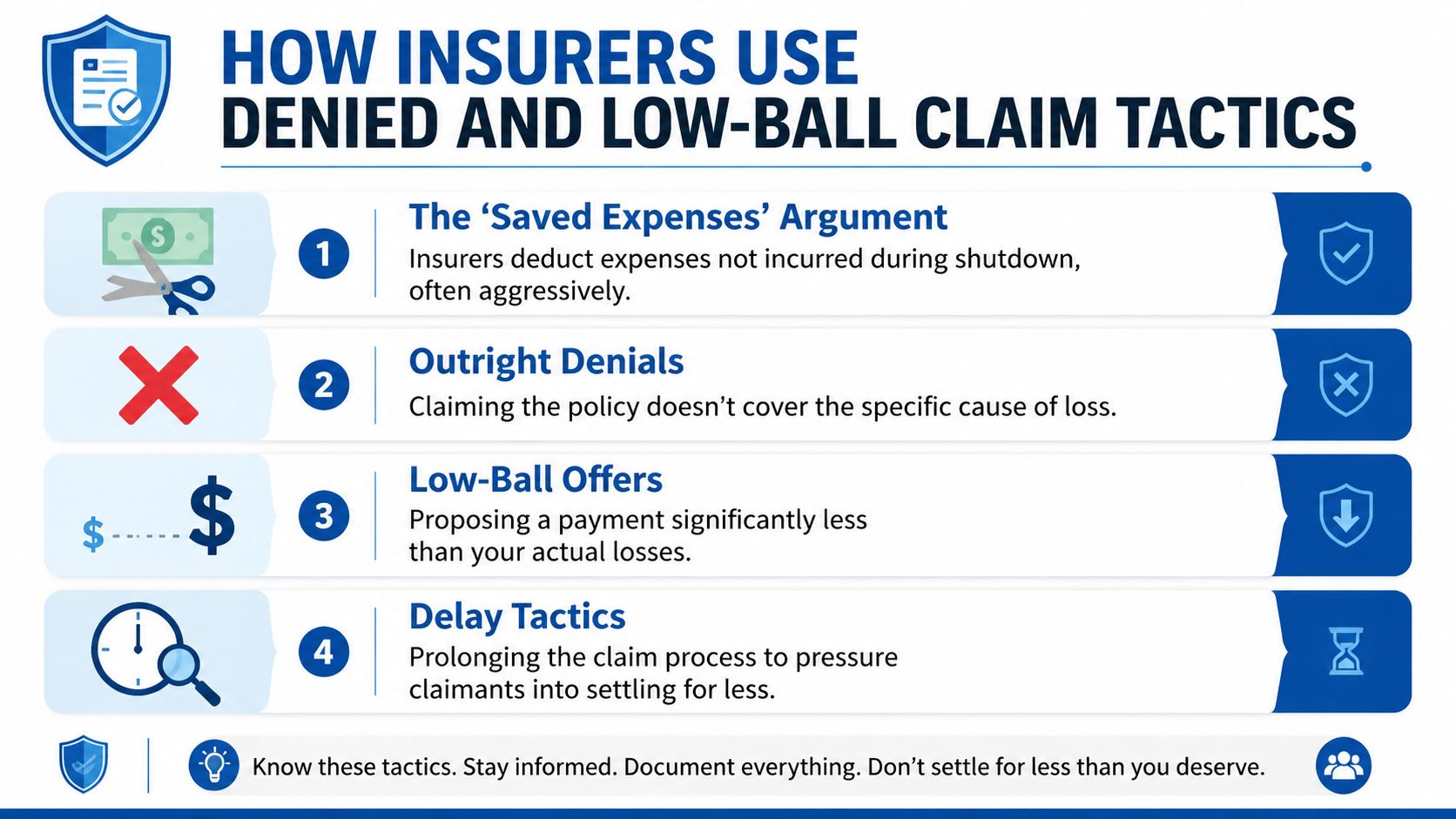
One of the most common tactics is shrinking the claim through accounting adjustments that sound technical enough to intimidate people into accepting less.
The saved expense squeeze
A major trap is the saved expenses argument. Some insurers take the position that because certain costs weren't incurred during shutdown, they should be deducted from the loss calculation aggressively. The problem is that this often goes too far.
A business income claims checklist published by Siegel notes that the formula is lost revenues minus saved expenses equals lost business income, and warns that insurers may use saved expense calculations to slash claims by 20% to 40% in some disputes, especially where owners assume revenue loss will be reimbursed more directly, as described in the business income insurance checklist from Siegel Agency.
That doesn't mean every deduction is improper. Some costs really do stop. Raw materials you never bought may be legitimately treated differently from rent, debt service, or critical payroll that continued.
Mislabeling costs to shrink the claim
Another tactic is cost misclassification. Insurers frequently try to reduce payouts by categorizing variable costs as continuing expenses, and policyholders need to document which costs are variable and can stop so the calculation reflects only genuine continuing expenses, as explained by United Policyholders' guidance on business interruption recovery.
That sounds backward to many owners at first, so here's the practical issue. If the insurer blurs the line between a stoppable cost and a continuing one, the final claim number changes.
Watch for these moves:
- Raw materials treated loosely: Costs tied to halted production may be handled in a way that distorts the actual loss.
- Payroll assumptions: The carrier may argue some employees didn't need to be retained.
- Utility simplification: They may assume utility costs dropped more than they did.
- Repair timeline compression: The adjuster may shorten the downtime on paper to cap the claim.
A related tactic is tying the business income discussion to property valuation concepts that don't belong there cleanly. If the insurer starts blurring replacement issues with depreciation logic, it helps to understand actual cash value in insurance so you can keep the categories straight.
If an insurer's math changes every time you document more loss, the problem usually isn't your business. It's their theory of the claim.
Delay is also part of the playbook. A carrier that drags out document requests, asks for duplicative records, or keeps revising its position can wear owners down. Many accept less just to get cash moving. That's exactly why documentation has to be assembled with purpose, not dumped into the file at random.
Building Your Bulletproof Claim Documentation
A business income dispute is won with records, timelines, and disciplined organization. Not outrage. Not assumptions. Not rough estimates scribbled on a legal pad.
The insurer will ask for proof because proof is where it can often find gaps. If your records are incomplete, inconsistent, or scattered across email threads and desktop folders, the carrier gains an advantage.

The records that matter most
To substantiate a business income claim, policyholders are often required to submit a sworn proof of loss within 60 days of the insurer's request, along with detailed financial records, including profit and loss statements for at least two years prior to the loss, according to the Insurance Information Institute's guidance on filing a business insurance claim. Miss that deadline and you may hand the carrier a procedural excuse to limit or deny the claim.
Build your file around the documents insurers use to test the numbers:
- Profit and loss statements: Show the business's operating pattern before the loss.
- Balance sheets: Help verify financial condition and recurring obligations.
- Daily or monthly revenue records: Support seasonality, trend, and shutdown impact.
- Payroll records: Show who remained on payroll and why.
- Invoices for extra expense: Temporary relocation, emergency equipment, rush repairs, cleanup support.
- Lease, loan, and utility records: Prove what kept running while revenue stopped.
How to organize proof so the carrier can't sidestep it
Don't send records in a pile. Create a structure the adjuster can't easily ignore.
A practical document system should include:
A damages timeline
Start with date of loss, shutdown date, mitigation date, contractor milestones, partial reopening dates, and remaining operational limits.A financial baseline folder
Keep pre-loss statements, sales summaries, tax-supporting records, and payroll reports together.An ongoing expense folder
Save rent, utilities, financing obligations, retained labor costs, and any recurring contracts that remained active.An extra expense folder
Separate temporary location costs, emergency equipment rentals, expedited repair charges, and similar mitigation spending.A communications log
Track every adjuster call, email, inspection, request, and response.
For owners passing sensitive records between accountants, attorneys, consultants, and claim representatives, using secure document collection solutions from Superdocu can help keep financial records organized and protected instead of floating through unsecured email chains.
Field advice: If a record helps explain why the business lost money, why an expense continued, or why repairs took as long as they did, preserve it.
One more point gets missed all the time. Preserve the damaged materials and operational evidence when possible. Don't toss equipment, invoices, or repair-related records too early. The insurer may later question causation, scope, or timeline. A clean evidence trail gives you something solid to point to when the carrier starts shifting its position.
Case Study From Low-Ball to Full Recovery in NC
A Raleigh restaurant suffered a kitchen fire that forced it to shut down for six months. The building damage was obvious, but the bigger problem was cash flow. Payroll pressure built fast, fixed costs kept coming, and the carrier focused on minimizing the income portion of the claim.
The insurer, a major national carrier, offered $85,000 on the business income portion. Its reasoning was familiar. It argued that several expenses were saved during the shutdown and claimed the repair work should have wrapped up much sooner than it did.
That number didn't reflect how the restaurant operated. The owner brought in a public adjuster who rebuilt the claim from the ground up, using the restaurant's actual financial records, expense structure, and a contractor-backed repair timeline. The analysis showed that many of the so-called saved expenses were in fact continuing fixed costs the business still had to carry to survive.
The restoration timeline also had to be corrected. The carrier's paper schedule ignored real repair sequencing and the practical delays involved in getting the kitchen back to a usable condition.
After a hard dispute, the final settlement reached $275,000.
The lesson isn't that every claim resolves that way. It's that a low-ball offer can be wildly disconnected from the actual loss when the insurer controls the assumptions. The business owner who accepts the first theory of the claim often absorbs the gap personally. The owner who challenges the math has a chance to recover what the policy truly owes.
Don't Fight Your Insurer Alone Get Expert Claim Help
Most business owners aren't prepared to argue policy wording, accounting methodology, restoration timelines, and expense classifications while also trying to save the company. That's why these disputes become so one-sided.
A public adjuster works for the policyholder, not the carrier. If you're dealing with a denied, delayed, or underpaid loss, getting informed help can change the tone of the entire claim.

For property owners in North Carolina and Virginia, that means getting someone who understands building damage, business interruption, documentation standards, and the insurer's tactics. It also means getting someone who knows how to challenge the carrier's assumptions instead of accepting them as final.
If you're unsure what that advocate does day to day, review what a public adjuster does and compare it to the role of the insurance company's adjuster. They are not the same.
What experienced claim help changes
Good representation doesn't magically create coverage. It does something just as important. It forces the claim to be measured correctly.
That includes:
- Reading the policy as a contract: Not just relying on the adjuster's summary
- Documenting the loss thoroughly: So the carrier has less room to manipulate the numbers
- Challenging weak assumptions: Especially on saved expenses and restoration period
- Negotiating from evidence: Not from frustration
One client, J. Miller, put it plainly: “They found coverage I didn't even know I had and doubled the insurance company's initial offer.”
For a closer look at the claim fight from the policyholder side, watch this:
If your business has been shut down by fire, storm, water, or another covered property loss, don't let the insurance company define the claim without a challenge. Business income coverage can keep a company alive, but only if the numbers are built and defended properly.
Have your water damage claim questions answered at NO COST. Call 919-400-6440 to speak with a licensed Public Insurance Adjuster or Contact Us here with questions. WE Work For YOU… NOT Your Insurance Company!
If your commercial property claim has been delayed, denied, or low-balled, For The Public Adjusters, Inc. helps business owners in North Carolina and Virginia understand coverage, document losses, and fight for a fair settlement. When the insurance company's numbers don't match reality of your shutdown, having a licensed public adjuster on your side can level the field.