Copper Theft Insurance Claim Denied? Here’s the Quick Answer
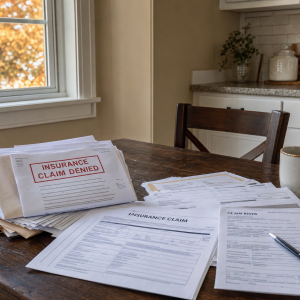
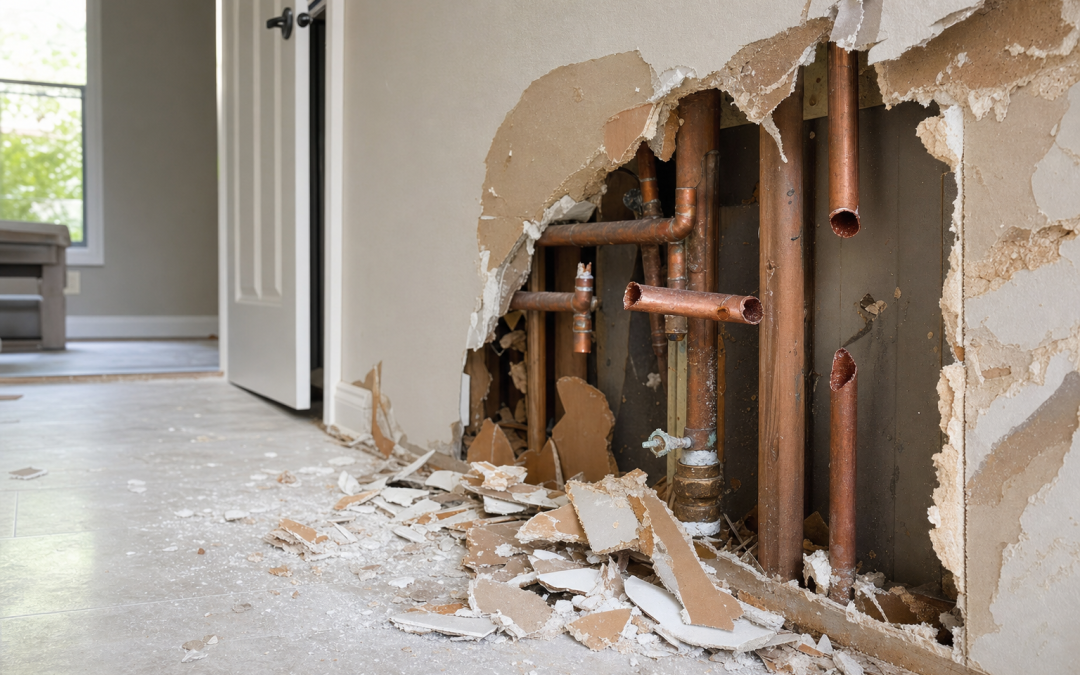
If your copper theft insurance claim was denied because your policy excludes theft, don’t accept that answer at face value. Courts have repeatedly held that the destruction thieves leave behind — torn-out walls, cut plumbing, and gutted electrical systems — is covered “vandalism and malicious mischief,” not excluded theft. The damage, not the missing copper, is often the real loss.
Key takeaways
- Courts have repeatedly held that the destruction copper thieves leave behind — cut pipes, torn walls, ripped-out wiring — is covered ‘vandalism and malicious mischief,’ not excluded theft.
- The stolen copper itself may fall under a theft exclusion, but the far larger cost is usually the physical damage to the building, which vandalism coverage should pay.
- How the claim is framed matters: a demand centered on ‘stolen metal’ invites denial, while one documenting willful property destruction supports vandalism coverage.
- Vacant-property clauses can complicate coverage, so policyholders should verify occupancy definitions before assuming a vacancy exclusion applies.
- A public adjuster documents the destruction room by room — plumbing, electrical, drywall, and water damage — to keep an NC copper theft claim positioned as covered vandalism.
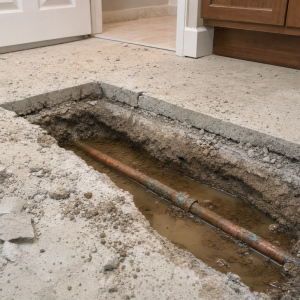
Here’s the distinction that matters. When thieves target a home for its copper, the pipes and wire they haul away are usually worth a few hundred dollars as scrap. The destruction they cause getting to it — smashed drywall, sawed-open walls, severed water lines, ripped-out HVAC coils, and stripped electrical panels — can cost tens of thousands of dollars to repair. Insurance companies frequently deny these claims by pointing to a theft exclusion, particularly on vacant or vacation properties. But many courts have reasoned that ripping apart a building is an act of vandalism and malicious mischief, and vandalism is often still covered even when theft is excluded.
Why This Matters Right Now in North Carolina
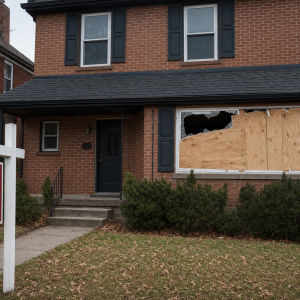
Summer is prime season for copper theft across North Carolina. Vacation homes sit empty for weeks, rental properties turn over between tenants, and rural houses in areas served by a public adjuster in Bahama NC can go unchecked long enough for thieves to work undisturbed. The longer a property sits vacant, the more likely an insurer is to lean on theft or vacancy exclusions to deny the claim.
The Short Version of Your Rights
- Read the denial letter carefully. If the insurer cites a theft exclusion, check whether your policy separately covers vandalism and malicious mischief — most do.
- Separate the two losses. The stolen copper itself may be excluded, but the destruction caused while stealing it is a different category of damage.
- Don’t repair everything before documenting. Photos, videos, and a police report characterizing the event as vandalism can be critical evidence.
- Get help before you appeal. How the claim is framed and documented often determines whether it’s paid.
This isn’t a loophole or a trick — it’s a recognized legal distinction that homeowners have successfully used to overturn denials. Property owners in small towns and rural communities, where vacant homes are common targets, should be especially alert; a public adjuster in Goldston NC or elsewhere in the state can help reframe a denied claim under the correct coverage before deadlines pass.
The rest of this article walks through why insurers deny these claims, how courts have ruled, what counts as vandalism damage versus the stolen copper itself, and the exact steps NC property owners should take right now to protect a claim.
Why Do Insurance Companies Deny a Copper Theft Insurance Claim as ‘Theft’?
Insurers deny these claims by labeling the entire loss as “theft,” then pointing to a theft exclusion — common in vacant-property, landlord, and dwelling-fire policies. By framing torn-out walls, cut pipes, and stripped wiring as part of the stealing rather than as vandalism or malicious mischief, the carrier can deny coverage for everything, not just the missing metal.
It’s a subtle but powerful move. Most policies that exclude theft still cover vandalism, so how the loss is labeled often decides whether you get paid at all. Adjusters know this, and the path of least resistance for the carrier is to file the whole event under the excluded category.
The Theft Exclusion Playbook
Here’s how the denial typically unfolds when you file a copper theft insurance claim:
- The policy type sets the trap. Vacant-home policies, landlord (dwelling-fire) policies, and builder’s risk forms frequently exclude theft entirely, or exclude it once a property has been vacant beyond a set period.
- The adjuster writes one word on the file: theft. Once the loss is coded as theft, the exclusion appears to apply to the entire claim — even the destruction the thieves left behind.
- The denial letter quotes the exclusion, not the damage. The letter often never distinguishes between the stolen copper and the ruined structure it was ripped out of.
Why This Framing Shortchanges You
The scrap value of stolen copper is usually a small fraction of the loss. The real cost is the destruction: drywall and ceilings cut open, plumbing systems severed, HVAC line sets hacked out, electrical panels and wiring gutted, and water damage when thieves cut pressurized or drain lines. Repairing that damage can run into the tens of thousands, while the metal itself might have fetched thieves only a few hundred dollars at a scrapyard. When a carrier denies the whole claim as “theft,” it avoids paying for the expensive part of the loss — the destruction — by hiding it under the cheap part. Property owners in smaller communities are not immune; a public adjuster in Bear Creek NC sees this pattern regularly in rural rental and inherited properties that sit vacant between tenants or during estate settlement.
The Question the Denial Letter Avoids
The key question is whether the thieves’ destruction constitutes vandalism or malicious mischief — a peril your policy likely still covers even when theft is excluded. Insurers rarely raise that question on their own, because answering it honestly would reopen coverage for the bulk of your damages. That’s why owners often need an advocate to reframe the claim; for example, a public adjuster serving Pine Level NC can push the carrier to separate the excluded theft of the metal from the covered destruction of the building. The next sections look at how courts have treated that distinction and where the line actually falls.
Have Homeowners Actually Won These Cases in Court?
Yes. Courts in multiple states have ruled in favor of property owners, holding that the destruction intruders cause while ripping out copper pipes and wiring is covered vandalism or malicious mischief — even when the policy excludes theft. The stolen metal itself may be excluded, but the damage done to get it often is not.
This distinction is not a loophole invented by policyholder attorneys. It flows from a basic principle of insurance law: exclusions are read narrowly, and ambiguities in a policy are construed against the insurer that drafted it. When a thief tears open walls, cuts pipe stubs flush with the slab, and floods a house in the process, judges have repeatedly recognized that this conduct looks a lot more like vandalism than a simple taking of property.
Bomser v. American Home Assurance Co.
A frequently cited example is Bomser v. American Home Assurance Co., decided by a New York appellate court. Intruders broke into an insured home and stripped out its copper plumbing, and the insurer denied the claim under a theft exclusion. The court disagreed, ruling that the destruction inflicted on the home while removing the plumbing constituted covered vandalism and malicious mischief. In other words, the theft exclusion could bar recovery for the value of the copper that walked out the door — but not for the wreckage the intruders left behind.
How Courts Have Drawn the Line
Other decisions have reached similar conclusions, and a few common threads run through them:
- Narrow reading of exclusions: Courts generally refuse to stretch a theft exclusion to swallow every act connected to a theft.
- Two distinct losses: Judges often separate the excluded loss (the copper itself) from the covered loss (torn drywall, severed lines, water damage, damaged HVAC systems, and other destruction).
- Malicious mischief coverage matters: Where a policy affirmatively covers vandalism or malicious mischief, deliberate destruction by intruders frequently fits that grant of coverage.
None of this means every denied copper theft insurance claim automatically becomes a winner — policy language varies, and how the loss is characterized in the claim file matters enormously. That is one reason property owners in places like Chatham County often bring in a Public Adjuster in Siler City NC before accepting a denial at face value.
The practical takeaway from the case law is encouraging: a denial letter citing a theft exclusion is often the insurer’s opening position, not the final word. If your claim was denied and the damage to your building was never separately evaluated, a Public Adjuster serving Fearrington Village NC can review the policy language and the denial against how courts have actually treated these losses — and push to have the vandalism damage recognized for what it is.

What Counts as Vandalism Damage vs. the Stolen Copper Itself in a Copper Theft Insurance Claim?
The stolen copper itself — the pipe, wire, or coil the thieves carried away — is typically the excluded piece under a theft exclusion. Everything the thieves destroyed to get it — torn drywall, cut supply lines, ripped-out panels, damaged HVAC line sets, and the water and mold damage that follows — is vandalism damage, and it usually represents most of the claim’s value.
This distinction matters more than most property owners realize. When you separate a copper theft insurance claim into these two buckets, the excluded portion is often surprisingly small. A few hundred feet of copper pipe or an air conditioner’s copper line set has modest replacement value on its own. The destruction left behind is where the real money sits.
The Excluded Piece: The Copper That Walked Out the Door
If your policy excludes theft (common on vacant or rental properties), the carrier can legitimately decline to pay for the copper itself:
- Copper plumbing pipe removed from walls, crawlspaces, or ceilings
- Copper wiring pulled from conduit or junction boxes
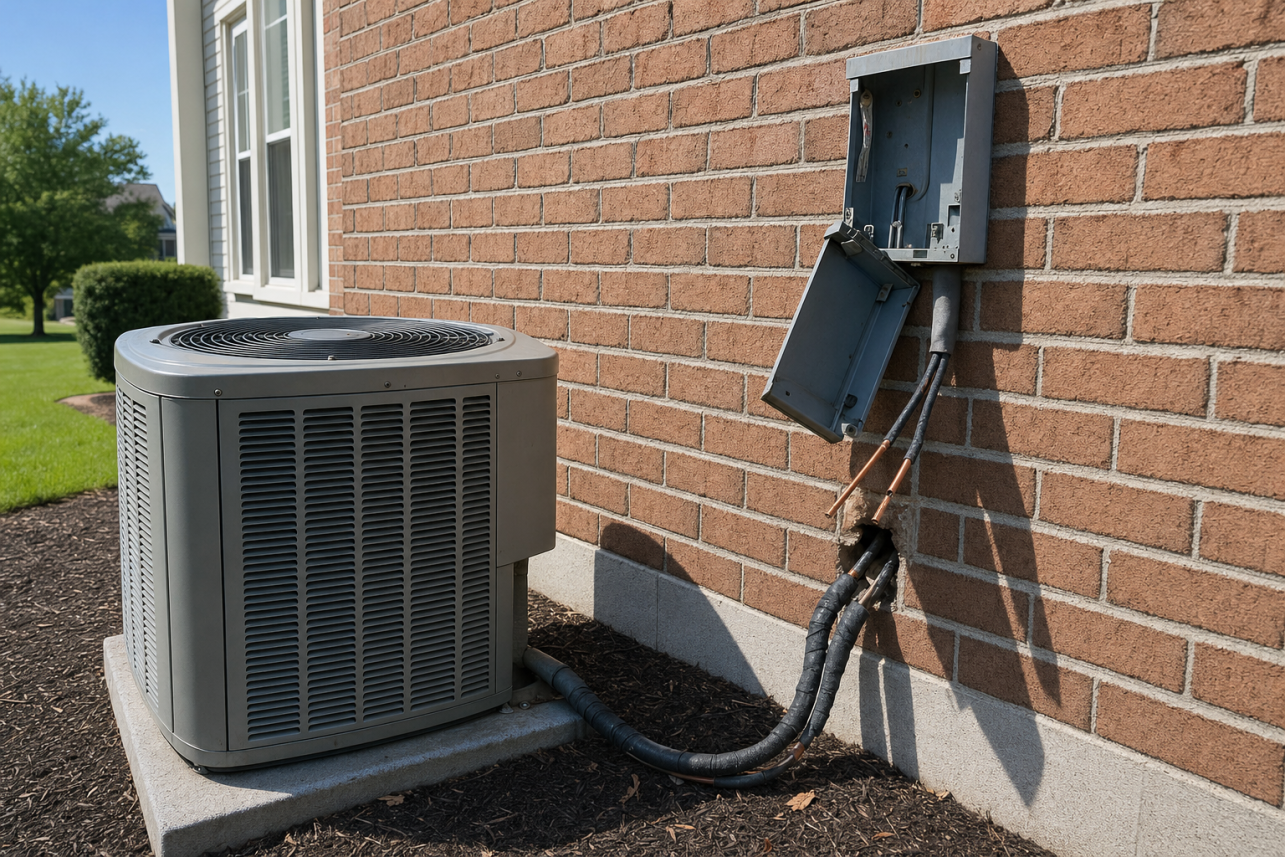
- Refrigerant coils and line sets stripped from HVAC condensers and air handlers
- Copper flashing, gutters, or downspouts taken from the exterior
The Covered Piece: Everything Destroyed to Get the Copper
Thieves do not remove copper carefully. They smash, cut, and rip, and that malicious destruction is the vandalism component:
- Structural and finish damage: smashed drywall and plaster, broken doors and locks used for entry, damaged framing where pipe was torn out
- Plumbing system damage: severed supply lines, broken fittings and valves left behind, water heaters damaged when connections were hacked off
- Electrical damage: ripped-out breaker panels, cut service entrances, damaged fixtures and outlets left dangling
- HVAC damage: condensers rendered worthless once their coils and line sets are cut — often a total loss of the unit, not just the copper
- Resulting water damage: when supply lines are cut on a pressurized system, water can run for days before anyone notices, soaking floors, subfloors, and ceilings below
Don’t Overlook the Moisture and Mold That Follow
In North Carolina’s humid climate, a severed plumbing line is rarely a dry event for long. Standing water and saturated materials in a closed-up building breed mold quickly, especially through a Carolina summer. That secondary damage flows from the vandalism, and an experienced water damage claims adjuster in Wake Forest will scope it as part of the covered loss rather than letting it get lumped in with the excluded theft.
When you tally it honestly, the covered side almost always dwarfs the excluded side. A public adjuster in Greensboro or elsewhere in the state can itemize the estimate line by line, so the carrier cannot use the small excluded portion as an excuse to deny the entire claim.
How Does a Public Adjuster Document a Copper Theft Insurance Claim as Vandalism?
A public adjuster builds the file around destruction, not the stolen metal. That means a correctly worded police report, room-by-room photo and video evidence of forced entry and tear-out damage, licensed plumber and electrician repair scopes, moisture readings from cut pipes, and a policy-language review that frames the loss under vandalism and malicious mischief coverage.
The order of these steps matters. Insurers often lock onto the first word used to describe a loss, so a public adjuster works to make sure the vandalism story is documented from day one, not bolted on after a denial.
Step 1: Get the Police Report Worded Correctly
If the report says only “theft of copper,” the carrier has an easy hook for a denial. An adjuster will ask the responding officer, or request a supplement to the report, to describe the forced entry, broken doors or windows, torn-open walls, and severed pipes and wiring — the vandalism and malicious destruction that accompanied the theft.
Step 2: Photograph and Video the Destruction Room by Room
- Pry marks, broken locks, and damaged entry points
- Walls and ceilings ripped open to reach pipe runs
- Cut pipe stubs, dangling wire, and damaged HVAC line sets
- Water staining and debris left behind by the intruders
Wide shots establish each room; close-ups tie every cut and hole to the loss. A professional working as a public adjuster in Greensboro NC will typically pair this visual record with a written damage inventory so nothing is left to the carrier’s imagination.
Step 3: Get Trade Scopes and Moisture Readings
Licensed plumbers and electricians write repair scopes describing what it actually takes to restore the systems — often re-piping or rewiring entire sections, plus opening and repairing more drywall than the thieves damaged. If pipes were cut while charged with water, moisture meter readings and thermal imaging document hidden water damage before it turns into a mold problem.
Step 4: Match the Damage to the Policy Language
The adjuster reads the actual policy — not a summary — comparing any theft exclusion against the vandalism and malicious mischief provisions, and noting how the policy treats vacant versus occupied property. The claim is then presented on the covered peril: the deliberate destruction of the building.
Step 5: Negotiate on the Covered Damage
Finally, the adjuster presents the documented file and negotiates the settlement around the building damage rather than the missing copper. Whether you’re dealing with a rental house or a vacant commercial building, a public adjuster in High Point NC handles those back-and-forth discussions so the carrier responds to evidence, not assumptions.
One honest caveat: no adjuster can guarantee a specific outcome. Every policy, loss, and carrier is different. What thorough documentation does is give a legitimate vandalism claim its strongest possible footing.

What Should NC Property Owners Do Right Now to Protect a Copper Theft Insurance Claim?
Report the break-in to police immediately, photograph everything before any cleanup, stop active water intrusion, secure the property against repeat entry, and review your policy’s vandalism and vacancy clauses. Then talk to a licensed, bonded North Carolina public adjuster before you give the insurance company a recorded statement about your copper theft insurance claim.
Summer is when these losses get worse fast. North Carolina heat and humidity can turn a wet crawl space or ceiling cavity into a mold problem within days, and insurers routinely argue that any damage you failed to mitigate is your responsibility. The steps below protect both the property and the claim.
Take These Steps in the First 48 Hours
- File a police report right away. A prompt report establishes the date of loss and supports the vandalism characterization of the damage.
- Document before you touch anything. Photograph and video cut pipes, torn drywall, damaged HVAC units, pried doors, and water staining. Repairs made before documentation are nearly impossible to prove later.
- Mitigate water and moisture fast. Shut off the water supply, extract standing water, and run dehumidifiers. The EPA’s mold guidance notes that mold can begin growing on wet materials within 24 to 48 hours, and summer humidity accelerates that timeline.
- Secure the building. Board openings, change or add locks, and consider temporary lighting or monitoring. Copper thieves frequently return to properties they know are vacant, and a second break-in complicates the claim.
- Keep receipts for everything. Emergency mitigation costs are typically part of the claim, but only if you can prove them.
Review Your Policy Before You Talk to the Adjuster
Pull your policy and read the vandalism, theft, and vacancy provisions carefully. Many policies restrict or exclude coverage if a property has been vacant beyond a stated period, so how the loss is framed matters. If anything is unclear, the North Carolina Department of Insurance offers consumer resources and handles complaints against carriers operating in the state.
Before giving a recorded statement, consider having your own representative involved. Property owners in the Triangle can reach a public adjuster in Morrisville NC who works exclusively for policyholders, not the insurance company. A recorded statement given without preparation is often where a copper theft insurance claim gets steered toward a denial.
Vacant and rural properties are frequent targets, and owners in smaller communities face the same documentation burden as anyone else. If your damaged building is in Johnston County, a public adjuster serving Benson NC can inspect the loss, inventory the vandalism damage, and present the claim in the policy’s own language. Acting this week, while the evidence is fresh and before summer moisture compounds the damage, gives your claim its strongest possible footing.
Copper Theft Insurance Claim: Theft Exclusion vs. Vandalism Coverage
| Loss Component | Insurer’s Likely Position | Policyholder’s Strongest Argument |
|---|---|---|
| Stolen copper pipe and wire (the metal itself) | Excluded under the theft exclusion | Often a small fraction of the total loss; may concede this portion |
| Cut plumbing, flooded floors, water damage | Attempts to lump it in as ‘part of the theft’ | Willful destruction of property = vandalism and malicious mischief, a covered peril |
| Torn-out walls, ceilings, and drywall | May argue damage was ‘incidental to theft’ | Courts have ruled destruction left behind is a separate, covered vandalism loss |
| Destroyed electrical panels and HVAC systems | May cite vacancy or theft exclusions | Document as malicious damage; challenge whether vacancy definitions actually apply |
Illustrative Example: Reframing a Denied Copper Theft Claim as Vandalism
Illustrative example
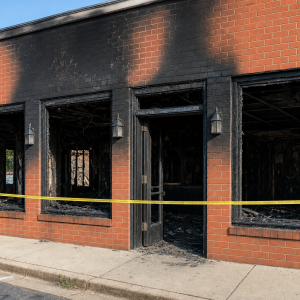
Consider a hypothetical composite scenario: the owner of a small commercial building in North Carolina discovers thieves have stripped copper piping and wiring, cutting through walls, flooding a bathroom, and gutting the electrical panel. The insurer denies the claim, citing the policy’s theft exclusion. A public adjuster re-documents the loss, itemizing the destroyed plumbing, drywall, water damage, and electrical systems as willful property destruction — vandalism — rather than as stolen metal. Presented with photographs, a police report, and case law treating this damage as covered malicious mischief, the insurer reverses course and pays for the building repairs, excluding only the modest value of the copper itself. This composite reflects how these claims commonly resolve when the destruction, not the theft, is the focus.
Frequently asked questions
Why was my copper theft insurance claim denied when I have full coverage?
Denials usually happen because the insurer classifies the entire loss as ‘theft,’ which many vacant or commercial property policies exclude or limit. The stolen copper itself is often a small fraction of the loss — the real damage is ripped-open walls, cut pipes, and destroyed wiring. If the claim was framed as theft rather than vandalism, the insurer may have applied the wrong exclusion. A denial letter citing a theft exclusion is often worth challenging.
How much does copper theft damage typically cost to repair compared to the value of the metal stolen?
The stolen copper is usually worth only a few hundred dollars as scrap, but repairing the destruction thieves leave behind frequently costs tens of thousands. Rewiring, replacing plumbing runs, repairing HVAC systems, patching walls, and fixing water damage from cut supply lines all add up quickly. This gap is exactly why claim framing matters: the loss isn’t the metal, it’s the demolished building systems around it.
How long does it take to resolve a vandalism claim for copper theft damage?
Straightforward claims with good documentation can resolve in one to three months. Claims that start as denials or disputes over the theft exclusion often take considerably longer, especially if appraisal or litigation becomes necessary. In North Carolina, insurers must acknowledge and investigate claims within reasonable timeframes, but reopening a wrongly denied claim adds time. Involving a public adjuster early, before the first denial, generally shortens the process.
Should I hire a public adjuster or a lawyer after my claim is denied?
Start with a public adjuster if the dispute is about how the loss is documented, categorized, or valued — they work on contingency, typically 10% or less of the recovery in many states, and can often get a denial reversed by reframing the claim as vandalism. Move to an attorney if the insurer refuses to budge on a clear coverage position or you suspect bad faith. Many public adjusters coordinate with attorneys when a claim needs to escalate.
What should I do first when I discover copper has been stolen from my property?
Call the police and get a report number — insurers require it, and the report should describe the physical destruction, not just missing metal. Photograph everything before touching it: cut pipes, torn drywall, ripped panels, water damage. Take reasonable steps to prevent further loss, like shutting off water and securing entry points. Keep receipts for emergency repairs. Then report the claim, describing the damage as vandalism and property destruction.
Does homeowners insurance cover copper theft if the house was vacant?
This is the biggest trouble spot. Standard policies often exclude vandalism and theft after a home has been vacant beyond a set period — commonly 30 or 60 days, depending on the policy. If your property was vacant, check whether you had a vacancy endorsement or vacant-property policy. If you were between tenants or renovating, the property may qualify as ‘unoccupied’ rather than ‘vacant,’ which is a meaningful legal distinction worth examining before accepting a denial.
What mistakes do people make when filing a claim for copper theft damage?
The most common mistake is telling the insurer ‘my copper was stolen’ instead of ‘my property was vandalized and my plumbing and electrical systems were destroyed.’ Others include cleaning up or repairing before documenting, filing a police report that only mentions theft, accepting the adjuster’s first categorization without question, missing vacancy clauses, and giving a recorded statement without preparation. How the loss is described in the first 48 hours often shapes the entire claim.
Can the insurance company deny my whole claim just because the stolen copper itself isn’t covered?
Generally no. Even if a theft exclusion applies to the missing metal, the physical destruction thieves caused — cut pipes, smashed walls, damaged panels, resulting water damage — is a separate, typically covered peril under vandalism and malicious mischief. Courts in multiple jurisdictions have rejected insurers’ attempts to sweep the entire loss under a theft exclusion. A denial should itemize what’s excluded; blanket denials that ignore the vandalism damage are frequently overturned.
How does a public adjuster get paid on a copper theft vandalism claim?
Public adjusters work on contingency — a percentage of the insurance payout, with no upfront fee. North Carolina regulates public adjuster fees and licensing, so confirm your adjuster is licensed in the state and get the fee percentage in writing before signing. On a denied claim, you pay nothing unless they recover money. Because copper theft claims hinge on documentation and framing, their fee often pays for itself many times over.
What evidence do I need to prove the damage was vandalism and not just theft?
Focus on the destruction, not the missing metal: photos and video of every cut pipe, torn wall, pulled wire, and damaged fixture; a police report describing property destruction; a contractor or plumber’s written scope detailing what must be repaired or replaced; and documentation of secondary damage like flooding from severed water lines. Itemized repair estimates that separate system damage from the value of stolen copper make it hard for an insurer to apply a theft exclusion to the whole loss.
Vandalism Homeowners Claim help near you
Related local pages
If thieves tore out your pipes or wiring and the insurance company is pointing to a theft exclusion, don’t accept that answer at face value. Our licensed and bonded NC public adjusters will review your policy and the damage at no cost and explain how the vandalism angle may apply to your claim. Call today for a free claim review. Get in touch.
Last updated: September 4, 2026