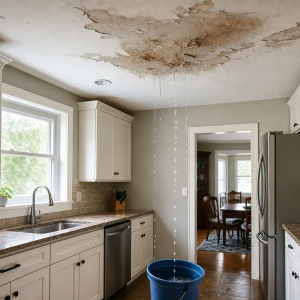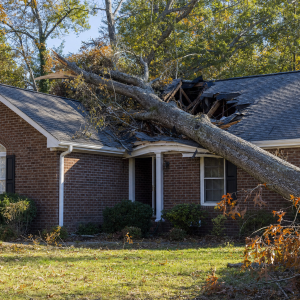

You opened the claim letter expecting help. Instead, you got a number that won't rebuild the kitchen, won't replace the roof, and won't get your business back open. That gut-punch usually has one label behind it: Actual Cash Value, or ACV.
If you're searching what is Actual Cash Value in insurance, don't settle for a dictionary answer. You need to know how carriers use ACV to shrink payments, how adjusters defend low numbers with depreciation, and how homeowners and business owners can push back when the offer doesn't come close to the true cost of repair.
Table of Contents
- The Low-Ball Offer The Shocking Reality of ACV Claims
- What Is Actual Cash Value The Insurer's Math Explained
- How Adjusters Manipulate ACV Calculations
- ACV vs Replacement Cost Value A High Stakes Comparison
- The ACV Trap in North Carolina and Virginia Policies
- Case Study How Allstate's ACV Offer on a Fire Claim Was Overturned
- Your Battle Plan How to Fight a Low ACV Settlement
The Low-Ball Offer The Shocking Reality of ACV Claims
The check arrives after the fire, storm, or water loss. You've already lived through the damage, the disruption, and the endless calls with the insurance company. Then you see the number, and it's nowhere near what your contractor says it will take to repair the property.
That's the moment many policyholders first learn what ACV really means in practice. It doesn't mean the amount you need. It means the amount the carrier says your damaged property was worth in used condition right before the loss.

Homeowners see this after roof claims, kitchen fires, burst pipe losses, and hurricane damage. Business owners see it when damaged fixtures, inventory, flooring, and build-outs are valued like worn-out leftovers instead of property that must be replaced to reopen. The result is the same. The carrier's number leaves a gap, and you're expected to absorb it.
Why the first offer feels insulting
Purchasers of property insurance often believe it will put them back where they were before the loss. ACV often does the opposite. It pushes part of the cost back onto the insured through depreciation.
That's why the first offer often feels less like help and more like a negotiation tactic.
Practical rule: The first ACV offer is not the final word unless you treat it that way.
The insurer already knows ACV is one of the strongest tools it has for controlling claim costs. The adjuster can point to age, wear, condition, and “useful life” to justify deductions that most policyholders aren't prepared to challenge line by line.
Why this matters in disputed claims
A low ACV number doesn't just reduce the check. It diminishes your influence. If you can't afford repairs, you can't rebuild quickly. If you can't rebuild quickly, delays grow. That pressure benefits the carrier, not you.
You need to understand the math, the methods, and the pressure points. Once you do, the claim stops being a mystery and starts becoming a dispute you can fight.
What Is Actual Cash Value The Insurer's Math Explained
Actual Cash Value is the number the insurer uses to say your damaged property was worth one minute before the loss. In many claims, that means replacement cost minus depreciation. Openly's explanation of Actual Cash Value states it plainly: ACV = Replacement Cost − Depreciation.

That formula looks clean on paper. In a real claim, it gives the carrier room to cut your payment in two places at once.
The formula behind the check
Start with replacement cost. That is the price to buy or rebuild property of like kind and quality today. If the insurer starts with a cheap price for inferior materials, the claim is already short before depreciation is even applied. That is why pricing support matters. On flooring and other finish materials, an ITEL report for matching and pricing building materials can help prove what was present.
Then comes depreciation. The insurer subtracts value based on age, condition, prior wear, and claimed useful life. Those inputs sound technical. They are still judgment calls, and judgment calls can be pushed hard against the policyholder.
A simple household example shows how ACV works. A couch that would cost $3,000 to replace today may be valued at only $1,500 after depreciation. The gap does not disappear because you still need a usable couch. You pay it, unless your policy and claim handling let you recover replacement cost later.
Here is the math in plain terms:
- Step 1: Set today's replacement price. What would a comparable new item or building component cost now?
- Step 2: Apply depreciation. How much value does the insurer say was lost because of age, wear, or obsolescence?
- Step 3: Issue the ACV payment. That reduced figure becomes the starting payment on the claim.
The same method gets used on roofs, cabinets, flooring, appliances, tenant improvements, machinery, office furniture, and inventory. On building claims, one bad assumption about quality or age can drag down dozens of line items at once.
To see the concept explained visually, this video breaks down the issue in plain terms:
Why ACV creates such a large gap
Depreciation is not just an accounting concept. It is the part of the estimate that turns a repair problem into a cash flow problem.
A washing machine destroyed in a fire still has to be replaced with a working machine, not with a used-value theory. An older roof still has to be torn off and rebuilt at current labor and material prices. ACV ignores that practical reality. It values property as old while your recovery costs are new.
ACV pays what the insurer says the old property was worth at the time of loss. Your contractor, supplier, and restoration company charge current prices.
That difference is why ACV disputes get ugly fast. If your policy pays only ACV, or pays ACV first and holds back depreciation, every valuation decision matters. You need to review the replacement pricing, the condition assumptions, the age assigned to the property, and the useful life the carrier used. If any of those are wrong, the ACV number is wrong too.
How Adjusters Manipulate ACV Calculations
ACV isn't just a formula. It's a battlefield over assumptions. The adjuster controls the estimate, chooses valuation inputs, and decides how hard to push depreciation. That gives the carrier room to reduce the claim without ever calling it a denial.
The industry recognizes three primary methods for calculating Actual Cash Value: replacement cost minus depreciation, fair market value, or the broad evidence rule, according to IRMI's definition of Actual Cash Value. Every one of those methods leaves room for argument.
Three methods, plenty of room to argue
Replacement cost minus depreciation is the method most policyholders run into first. It sounds objective, but the adjuster still has to decide what replacement cost should be and how much depreciation to apply. If the adjuster prices your damaged kitchen with lower-grade materials than what was there, the starting point is already too low before depreciation even hits.
Fair market value can be even more slippery. Market value for used building components isn't always easy to pin down, especially when the damaged property is built into the home or business. Carriers can lean on a low interpretation and then act like it's a neutral number.
The broad evidence rule allows consideration of all relevant evidence of value. In theory, that can help policyholders in unusual or custom property claims. In practice, an insurer may count on the fact that many policyholders have never heard of it and won't know what evidence should be presented.
Where the low-ball usually happens
The core issue is rarely over the label. It's over the inputs.
Adjusters often push ACV downward in these ways:
- They understate replacement cost: Builder-grade numbers get used for custom finishes, specialty materials, or higher-quality components.
- They overstate age-related decline: A roof, cabinet set, or floor may be treated as if it was near the end of useful life when its actual condition was much better.
- They ignore condition before the loss: Property that was maintained well gets valued like neglected property.
- They strip detail from the scope: Missing line items lead to a smaller replacement number, which then leads to a smaller ACV number.
One practical way to fight this is to inspect how the carrier classified and priced your materials. If the estimate relies on wrong product assumptions, challenge those assumptions with model numbers, photos, invoices, and expert input. For flooring disputes, cabinetry grades, and finish identification, tools and services like ITEL claim matching support can help show whether the insurer priced the right material in the first place.
If the carrier gets the material wrong, the depreciation argument starts from a false foundation.
A low ACV offer often looks polished because it came from software and tables. Don't mistake formatting for accuracy. The estimate may still be loaded with cheap substitutions, missing items, and aggressive depreciation.
ACV vs Replacement Cost Value A High Stakes Comparison
The coverage difference becomes concrete when considering how Replacement Cost Value, or RCV, pays the amount needed to replace damaged property with a new equivalent without depreciation deductions. Actual Cash Value pays less because depreciation gets taken out.
That gap can wreck a recovery plan. As The Payne Law Firm's explanation of ACV vs. RCV notes, ACV in homeowner and dwelling policies is calculated by taking replacement cost and subtracting depreciation for age, wear, and condition, while RCV pays the full replacement cost without those deductions.
What each coverage actually does after a loss
If your home suffers major storm damage, RCV coverage is what gives you a real path to replacing damaged components with new equivalents. ACV coverage leaves part of the bill on your shoulders.
That's why roof claims become so contentious. Roofs age. Carriers know that. A roof claim paid on ACV can leave a homeowner trying to bridge a huge shortfall while prices for labor and materials keep moving. If roofing is central to your claim, practical guidance on Western Washington roof insurance coverage is worth reviewing because roof disputes often turn on scope, quality, and policy language rather than just surface damage.
For a deeper breakdown of the policy difference itself, this explanation of Actual Cash Value vs. Replacement Cost is useful if you're trying to compare what your own policy promises after a covered loss.
ACV vs RCV payout comparison for a major claim
The table below shows how the payout logic differs. The replacement cost amounts are shown qualitatively because claim pricing depends on the actual property, materials, and local market at the time of loss.
| Item | Replacement Cost | Depreciation (Example) | ACV Payout (RC – Dep.) | RCV Payout |
|---|---|---|---|---|
| Roof | Current cost to install a new like-kind roof | Deduction based on age, wear, and condition | Reduced payment after depreciation | Full replacement amount without depreciation deduction |
| Kitchen appliances | Current cost for new comparable units | Deduction for age and use | Used-value style payment | Cost to replace with new comparable units |
| Cabinets and countertops | Current cost for like-kind materials and installation | Deduction based on age and condition | Lower amount that may not fund rebuild | Full cost to replace with new comparable materials |
| Business computers and equipment | Current cost for equivalent replacement items | Deduction for age and obsolescence | Lower amount reflecting depreciated value | Full current replacement amount |
| Flooring and interior finishes | Current cost for new materials and installation | Deduction for wear and age | Reduced settlement | Full replacement amount |
Bottom line: ACV pays for what the insurer says the property was worth used. RCV pays what it costs to replace it with new equivalent property.
If you own an older home or an older commercial building, don't assume your claim will cover the full rebuild cost just because the damage is clearly covered. The payment method matters as much as the cause of loss.
The ACV Trap in North Carolina and Virginia Policies
A carrier approves your roof claim after a storm, then cuts the payment so hard you still cannot hire a contractor. That is the ACV trap in plain English. Coverage gets accepted, but valuation gets squeezed.
North Carolina and Virginia policyholders see this after wind, hail, hurricane, water, and fire losses, especially on older homes, older commercial buildings, and tenant build-outs. Age gives the carrier room to argue wear, prior condition, shorter remaining life, and heavier depreciation. If you do not challenge those assumptions, the insurer turns a covered loss into a partial out-of-pocket rebuild.
Policy wording matters more than people think
ACV shifts cost back onto you. The insurer pays a depreciated amount now, and the gap between that number and the actual repair bill becomes your problem unless the policy gives you a clear path to recover replacement cost later.
That gap is where underpayment lives.
In North Carolina and Virginia, this hits roofs, siding, flooring, cabinetry, drywall finishes, and business fixtures hard because none of those items can be replaced with used labor or used building materials. Yet carriers often value them as if a damaged building can be restored at secondhand prices. It cannot.
Read the loss settlement language line by line. Then read the definitions, endorsements, and any depreciation language tied to roofs, surfacing, or tenant improvements. One endorsement can change the entire claim.
Labor is another pressure point. Some carriers have tried to exclude or reduce labor-related amounts in ACV calculations, especially in roof and storm claims. If the policy does not clearly authorize that treatment, challenge it. Materials alone do not put property back together. Tear-out, installation, overhead, and related repair costs are part of the core valuation fight.
Why local disputes get expensive fast
The legal rules matter, but the carrier's estimate is still just a position paper.
Florida offers a useful example because policyholders there often fight over whether an insurer's ACV number should control. Courts and statutes can shape that fight, as discussed in this Florida property insurance analysis. The lesson for North Carolina and Virginia is simple. Do not treat the insurer's first estimate like a final ruling.
A carrier estimate is an argument. It is not a verdict.
That mindset changes everything. Once you see the estimate as an argument, you start testing it. Did the adjuster use the right materials? Did they account for local pricing? Did they apply excessive age discounts? Did they ignore code-related work, custom finishes, or the actual scope required to restore function?
Regional catastrophe claims make the problem worse. After a major storm, carriers push files through fast. Fast claims handling produces copied scopes, broad depreciation assumptions, missed line items, and valuations built for volume instead of accuracy.
Treat ACV as a separate dispute inside the claim. If the insurer underpaid your roof, siding, interiors, equipment, or commercial build-out on an ACV basis, do not argue only about coverage. Attack the numbers, the depreciation logic, and the policy support for every deduction. That is how low-ball ACV offers get overturned.
Case Study How Allstate's ACV Offer on a Fire Claim Was Overturned
A Raleigh family suffered a kitchen fire that damaged cabinets, countertops, appliances, and surrounding finishes. The carrier responded quickly and produced an ACV estimate. The speed looked good. The number didn't.
The offer valued the kitchen like a tired, near-expired room instead of a functioning custom space that had to be rebuilt with like-kind materials to restore the home. That's a common move in fire claims. Carriers know smoke, heat, and tear-out costs make proper restoration expensive, so they lean hard on depreciation.

What the carrier did
The estimate treated major kitchen components as heavily worn and assigned aggressive depreciation across the board. The cabinetry was not priced as true like-kind custom work. The countertop valuation didn't reflect the actual finish and installation standard. Appliances were valued in a way that didn't match what the family needed to restore function.
That combination matters. When the carrier lowers replacement cost and then depreciates it aggressively, the final ACV number collapses fast.
The family did what many people do at first. They assumed the adjuster's numbers must be backed by some fixed rule. After comparing the estimate against contractor pricing and the actual pre-loss kitchen, they realized the issue wasn't a small discrepancy. It was a scope and valuation problem from top to bottom.
What changed the outcome
The dispute turned when the loss was rebuilt on paper correctly.
The family gathered contractor input, product information, photos, and evidence of the kitchen's actual materials and condition before the fire. The challenge focused on three points:
- Scope accuracy: What exactly had to be removed, replaced, cleaned, sealed, and rebuilt.
- Like-kind pricing: Whether the estimate reflected the actual quality of cabinets, tops, finishes, and related work.
- Depreciation logic: Whether the carrier's depreciation assumptions were fair given the condition and nature of the components.
Once those issues were documented clearly, the carrier's ACV position became much harder to defend. The dispute moved from “we think this is low” to “your estimate is using the wrong materials, the wrong assumptions, and the wrong depreciation logic.”
This is why experienced claim advocacy matters in fire losses. You're not just arguing over one number. You're attacking the foundation underneath it.
A lot of policyholders describe the same experience after bringing in outside help: the insurer's estimate missed items, substituted cheaper components, or treated serviceable property like it was near the end of its life. That's why strong claim documentation often changes the conversation more than angry phone calls ever will.
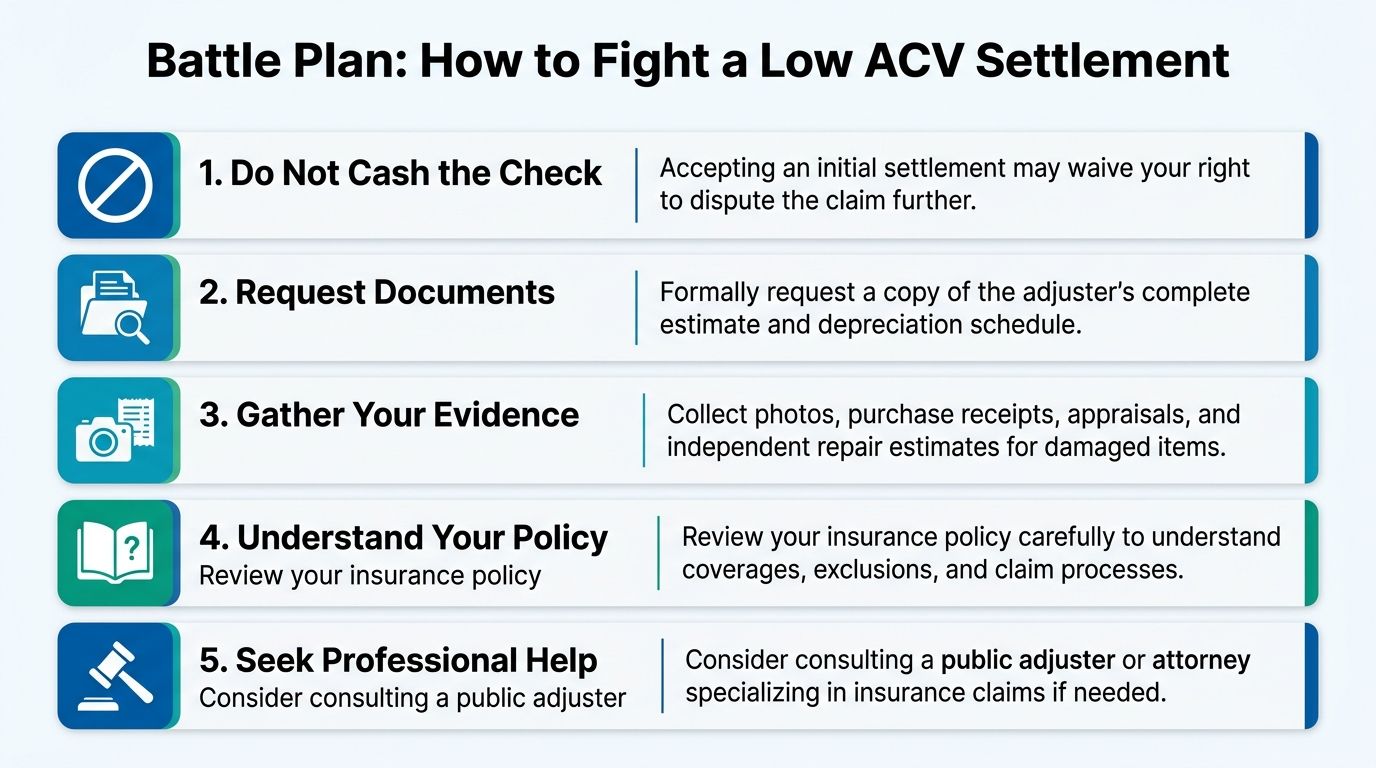
Your Battle Plan How to Fight a Low ACV Settlement
The check arrives. The number looks official. It is still often wrong.
A low ACV offer is a pressure tactic as much as a valuation decision. Carriers know many policyholders are tired, underfunded, and ready to move on. That is why you should treat the first ACV number like an opening position in a dispute, not the amount your loss is worth.
Start by getting the carrier's full file on valuation
Do not argue with a summary sheet. Demand the estimate, depreciation breakdown, measurements, photos, notes, and any pricing or valuation support the adjuster used. If they will not show their math, that alone tells you the number needs scrutiny.
Then audit the file like you expect mistakes, because you should. Check every line item against what was damaged, what must be removed, and what it costs to put back property of like kind and quality. ACV disputes are usually lost or won in the details. The wrong cabinet grade, missing detach and reset work, weak labor pricing, or lazy depreciation can strip thousands out of a claim.
Your first actions should look like this:
Pause the closeout
Do not sign releases, cash a payment marked as final, or say the claim is resolved until you understand exactly what the carrier paid and what it left out.Force a line-by-line explanation
Ask the adjuster to identify how each major depreciation figure was calculated, what age was assigned, what condition was assumed, and what source supported that judgment.Audit scope before arguing price
A cheap estimate with missing items will stay cheap even if some unit costs go up. Fix the scope first.Tie every disputed item to proof
Use photos, invoices, prior remodel records, contractor bids, spec sheets, maintenance records, and model numbers.
Build a claim file the insurer cannot ignore
Anger does not move a claim. Documentation does.
Put every dispute in writing. Organize it by category so the adjuster cannot dodge the issue with vague responses. Roof. Flooring. Cabinets. Electrical. Contents. Business personal property. Lost tenant improvements. Make the carrier answer each item directly.
Focus your challenge on the points that change value fast:
- Wrong material grade: insurer priced builder-grade, but the property had upgraded or custom finishes
- Missing work steps: no demo, no hauling, no code-related tasks, no detach and reset, no painting of adjoining areas
- Bad depreciation: useful life assumptions do not match actual condition, maintenance, or the type of property
- Below-market pricing: labor and material pricing does not reflect what qualified local contractors will charge
- Bundled denials inside the estimate: items omitted or reduced without a clear coverage explanation
If you need a practical framework for the back-and-forth with the adjuster, read this guide on how to negotiate a property damage insurance settlement. Use it to structure your letters, your evidence, and your demands.
Push the dispute where the carrier is weakest
Insurance companies prefer broad statements. You win with specifics.
Do not say, "Your offer is too low." Say, "Line 42 prices laminate counters, but the pre-loss kitchen had solid-surface tops shown in photos 18 through 24 and confirmed by the 2021 contractor invoice." Do not say, "The depreciation is unfair." Say, "You applied heavy depreciation to cabinets that were serviceable, maintained, and not near the end of their useful life. Identify the age, condition rating, and source for that deduction."
That changes the fight. Now the adjuster has to defend assumptions instead of repeating a number.
If the carrier keeps stalling, widen the pressure. Bring in qualified contractors. Get a competing scope. Use an engineer if the insurer is minimizing structural or technical damage. For larger losses or stubborn valuation disputes, a licensed public adjuster can document, value, and negotiate the claim from the policyholder side.
The carrier has trained people protecting its money. You need someone protecting yours.
Have your water damage claim questions answered at NO COST. Call 919-400-6440 to speak with a licensed Public Insurance Adjuster or Contact Us here with questions. WE Work For YOU… NOT Your Insurance Company!
If your homeowners, dwelling, or business owner claim was underpaid because the insurer used Actual Cash Value to cut the settlement, get someone on your side who understands valuation disputes, depreciation fights, and policy language. For The Public Adjusters, Inc. helps policyholders review low-ball estimates, document the full scope of damage, and challenge unfair ACV calculations. Have your water damage claim questions answered at NO COST. Call 919-400-6440 to speak with a licensed Public Insurance Adjuster or Contact Us here with questions. WE Work For YOU… NOT Your Insurance Company!