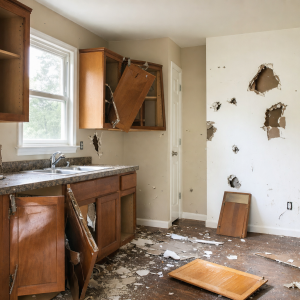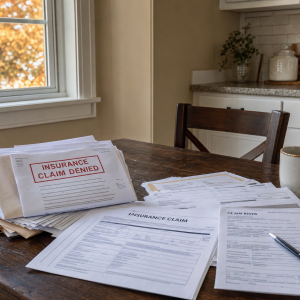
You’re staring at a denial letter or a low settlement offer, and the carrier is acting like the damage on your roof, ceiling, or business property is your problem now. In Raleigh, that’s a familiar fight after wind, hail, water, or storm loss, and it’s usually not a clean coverage question, it’s a claim handling fight. The insurer has already chosen its lane, now you need to choose yours.
Table of Contents
- Why Your Insurance Claim Dispute in Raleigh Is Worth Fighting
- Building a Bulletproof Documentation Package for Your Claim
- Navigating the Appeal and Escalation Process in North Carolina
- When and How to Hire a Public Adjuster for Your Dispute
- Fighting NFIP Flood Claim Disputes in North Carolina
- Your Action Plan for Winning an Insurance Claim Dispute in Raleigh
Why Your Insurance Claim Dispute in Raleigh Is Worth Fighting
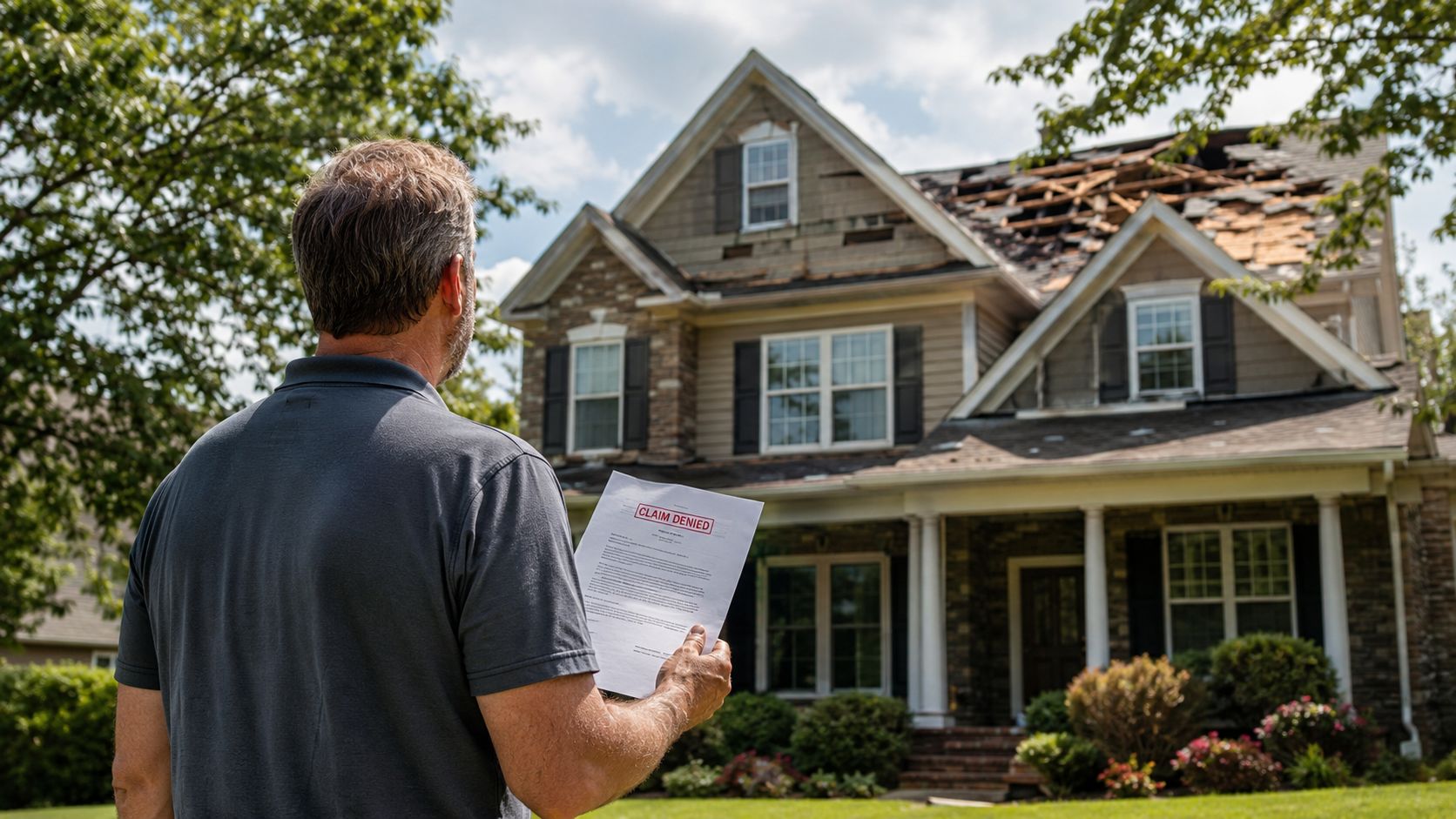
A Raleigh homeowner gets hit by a storm, sees lifted shingles, leaks, or interior staining, and files the claim expecting a fair repair check. Instead, the carrier sends a denial, a tiny supplement, or an offer that won’t even touch the actual repair scope. That’s not rare, and it’s not a sign you should fold.
The fight is usually about handling, not the policy existing
The cleanest way to think about an insurance claim dispute is this, the policy is only half the story. A 2024 NAIC-based analysis found that 65.2% of closed insurance complaints were about claim handling, with delays at 22.2% and unsatisfactory settlements or offers at 12.2%, and 26.2% of complaints ended with the insurer’s position overturned ValuePenguin complaint analysis. That is exactly why so many homeowners feel boxed in, the issue is often how the file was evaluated, documented, or priced.
I see the same pattern in North Carolina and Virginia all the time. The adjuster says the roof damage is “old,” the water damage is “limited,” or the commercial loss “doesn’t match the carrier’s scope,” and the first number out of the carrier is the number they hope you’ll accept. That’s a low-ball tactic, plain and simple.
Practical rule: if the carrier is arguing scope, timing, or documentation, you’re in a dispute over evidence, not a dead claim.
Most claims are paid, which is why the disputes matter so much
A long-running ASIC review of 1,176,621 motor vehicle insurance claims in 2009 found only 3,317 claims, or 0.28%, were formally denied, which means about 99.72% were accepted at the initial stage ASIC review. That sounds like a narrow denial rate, but on large books of business it still creates thousands of disputes. The point for homeowners and business owners is simple, a denial is not proof you’re wrong, it’s proof the carrier has chosen a position.
That’s why Raleigh policyholders should stop treating the first answer as final. The carrier’s job is to control loss severity, yours is to force the file back to the policy language and the actual damage. When you do that with photos, estimates, communications, and the right escalation path, you’re no longer begging for reconsideration, you’re building a record.
Building a Bulletproof Documentation Package for Your Claim
Most weak disputes collapse before the carrier ever has to defend the denial. The file is thin, the photos are scattered, the estimates do not match the scope, or nobody can prove who said what and when. If you want an insurer to take your Raleigh claim seriously, you need a package, not a pile of attachments.
A bad file gives the adjuster an easy excuse to stall, underpay, or deny.
Start with the policy and the denial reason
The dispute belongs in the policy language, not in general frustration. One claims-dispute guide says to identify the exact reason for the denial, reduction, or delay, then line the facts up against the declarations page, endorsements, exclusions, deadlines, and duties after loss claims-dispute guide. That is the first move because the carrier will defend its section numbers, not your feelings.
Pull the denial letter and mark three things, the specific coverage basis, the date issue if lateness is alleged, and the exact policy form or endorsement being cited. If the insurer says the loss was not covered, your answer has to point back to the policy form, not a vague statement that the damage was obvious. The more tightly your response matches the carrier’s stated reason, the harder it is for them to brush it off.
Build the evidence file like a claim examiner will read it
Independent repair estimates matter because they let you challenge the carrier’s pricing line by line. One property-claims guide says to obtain at least two itemized estimates from independent contractors, and another describes those estimates as the main tool against a low offer because they show the market-rate cost of repairs independent estimate guidance. Do not send a one-page ballpark. Send detailed line-item scopes that can be compared to the insurer’s estimate.
A usable dispute file usually includes:
- Dated photos and video, shot before any demolition or repair
- Contractor estimates, line-itemized and separate from the insurer’s scope
- Receipts and invoices, tied to emergency mitigation or repairs
- Weather, permit, or inspection records, when they support the cause of loss
- Claim notes and emails, showing delays or shifting explanations
Keep every conversation in writing after the first contact. A communication log with dates, names, and the substance of each call becomes critical when the carrier changes its story.
That advice matches the practice of keeping a communication log for every call, email, and letter, because delays and changing explanations become part of the proof insurance dispute communication log guidance. A separate guide says to request the insurer’s written explanation with exact page numbers and keep all communication in writing, then submit the dispute with exhibits attached.
Organize the package so the carrier cannot dodge it
The best disputes read like a file review, not a complaint letter. Put each exhibit in a labeled folder, then reference it in the body of your dispute letter by number or tab. If you are dealing with a property claim, that is where a practical checklist helps, and the documentation tips from Restore Heroes documentation tips reinforce the same hard truth, incomplete files create delay.
For a formal proof package, I would use this structure:
- Denial letter and policy excerpts
- Photo set with dates and captions
- Independent estimates and reports
- Communications log
- Receipts, invoices, permits, and weather support
- A short cover letter that ties each exhibit to the denial reason
If the carrier says the file is incomplete, your job is to make that excuse look weak. Strong documentation does not just support the appeal, it forces the adjuster to answer real evidence instead of hiding behind general objections. That is the difference between a nuisance complaint and a real claim dispute.
A detailed proof-of-loss framework is available at a detailed proof-of-loss framework, and it is worth using when your claim has already moved from conversation to formal dispute.
Navigating the Appeal and Escalation Process in North Carolina
A denial letter is not the finish line. It is the carrier’s first written position, and that position can be pushed back on if you move fast, keep your record tight, and answer the denial with proof. The mistake I see all the time is waiting too long, then trying to clean up a weak file after the deadline has already passed.
Hit the internal deadline first, then build the record
Appeal windows are often 30 days, and some claim types allow 30-180 days depending on jurisdiction and policy form appeal workflow source. Do not guess. Read the denial letter, mark the deadline immediately, and get your response in before the clock runs out.
The response should be point by point. If the denial cites a policy form or section, answer with that same form, that same section, and the exact facts that contradict the carrier’s position. A 2026 claims-response guide says the denial should be tied to a specific form number and section, such as an HO-3 or ISO commercial property form, plus the exact policy provision number and verbatim language, not a paraphrase claims-response guide. That level of precision turns a complaint into a real dispute record.
Escalate in the order that gives you leverage
The practical workflow is straightforward. First, read the denial and identify the exact coverage basis. Second, assemble the policy, claim file, photos, estimates, reports, and expert opinions. Third, file the insurer’s internal appeal or complaint within the deadline. Fourth, escalate to external review, mediation, arbitration, the state regulator, or litigation if the carrier stays dug in appeal workflow source.
Do this in writing only. Oral promises and off-the-record explanations disappear fast, written submissions stay in the file.
North Carolina policyholders also need to think in terms of stronger negotiating power. If the carrier’s estimate ignores matching, mitigation, or obvious line items, the internal appeal should force a direct answer to each omission. If the insurer still will not move, the next step is outside the carrier, not another round of vague back-and-forth.
The appeal should attach labeled exhibits and include a short timeline of the loss, reporting date, inspections, communications, and the exact points you dispute. For the strongest disputes, the record should include a documented timeline, photographs, receipts, contractor estimates, invoices, weather data, and permit records claims-response guide. That level of specificity is what changes the file from a grumble into a documented claim dispute.
Use the outside channels when the file deserves it
Consumer dispute reviews show that outcomes can improve when cases are properly escalated. Australian consumer-loss data show that in 2021-22, about 42,956 home insurance claims were denied, roughly one quarter of denied home claims went into internal dispute resolution, and 47% of resolved complaints were later overturned in favor of the consumer Australian claims review. That does not mean every appeal wins, it means a well-built escalation path matters once the file is structured correctly.
A second benchmark from claims-dispute literature notes about a 95% success rate for resolving flood insurance claims in the referenced process discussion Australian claims review. The lesson is clear, the earlier you force a structured review, the better your odds of getting the carrier off a bad position.
A practical filing path for Raleigh disputes is:
- Internal appeal, when the carrier still has a chance to correct the file
- Mediation or appraisal, if the policy and facts support a valuation fight
- Department of Insurance complaint, when the insurer is ignoring process
- Litigation, when the carrier will not respond to the evidence
For a more detailed roadmap on the carrier-side process, the insurance appeal guide lays out the escalation sequence policyholders use when the first answer is wrong.
When and How to Hire a Public Adjuster for Your Dispute
Some claims are manageable on your own. Many aren’t. If the loss is large, the coverage fight is technical, or the adjuster keeps moving the goalposts, you need someone who does this full-time and knows how carriers build a denial from the inside.
Bring in help before the carrier hardens its position
A public adjuster brings damage assessment, policy interpretation, and negotiation to the policyholder side. That matters because the insurer’s adjuster works for the carrier’s file, not for your recovery. A public adjuster’s job is to document the loss, challenge scope, and push the claim toward the amount the policy owes.
There’s also a practical timing issue. If you wait until after the file is underpaid and the carrier has locked into its narrative, you’re trying to reverse an already-built position. If you bring in a public adjuster early, the documentation and estimating are stronger from the start. That said, a denial or low-ball offer is still a perfectly good time to bring one in.
Why a contingency-based structure changes the equation
A public adjusting fee is typically contingency-based, meaning the adjuster gets paid from the recovery rather than from an upfront fee. That lines up incentives with the policyholder, which is exactly what’s missing when a carrier’s own adjuster is writing the scope. In a disputed property claim, that difference is often underestimated.
I’ve seen homeowners try to negotiate alone against an insurer’s estimate that leaves off matching, understates interior work, or mislabels storm damage as wear and tear. I’ve also seen business owners get stuck because the carrier keeps requesting the same documents while the loss sits unresolved. A good public adjuster cuts through that by building the claim file the way an examiner has to read it.
For a plain explanation of the role, the what a public adjuster does guide is a useful reference point for policyholders who want to compare representation options before they sign anything.
Use representation when the file is too important to guess on
The strong use cases are obvious. A fire loss, major water intrusion, commercial downtime, repeated supplement fights, or a denial that cites a technical exclusion all justify a serious look at representation. For The Public Adjusters, Inc. is one option in North Carolina for homeowners and business owners who want a licensed public insurance adjuster to assess, document, and negotiate the property claim on their behalf.
If the adjuster’s estimate and your contractor’s estimate don’t even live in the same universe, the dispute is already technical enough to justify outside help.
That’s the point. You don’t hire a public adjuster because you’re angry. You hire one because the carrier has made the claim a numbers-and-language fight, and you want someone who knows how to answer in that same language.
Fighting NFIP Flood Claim Disputes in North Carolina
Flood claims are a different animal. They’re not handled like standard homeowner disputes, and the carrier structure makes the process feel more bureaucratic than a typical roof or water-loss fight. If the property sits in the flood zone and the claim is under the NFIP system, you need to deal with the rules that come with that program, not the rules you wish applied.
Treat NFIP claims like a separate dispute track
NFIP claims are handled either directly by FEMA or through Write Your Own carriers, and the adjuster standards are often narrower than homeowners expect. The comparison matters because the argument is not just about damage, it’s about whether the claimed damage fits the federal flood framework and the proof available in the file. The dispute process is also more document-driven, which means casual explanations don’t carry much weight.
If you want a plain-English view of how claim handling often unfolds on the roof and interior side before the argument becomes formal, the roof insurance claim process is a useful comparison point. Flood claims are even more technical, so the margin for sloppy documentation is thin.
Build a flood file that separates covered damage from everything else
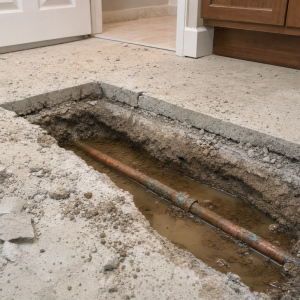
The biggest mistake in flood disputes is mixing flood-caused damage with pre-existing wear, unrelated moisture, or later repair confusion. The insurer will use that confusion to shrink the scope or delay the file. Your evidence needs to separate cause, timing, and condition with as much clarity as possible.
Use:
- Pre-loss and post-loss photos
- Room-by-room damage notes
- Cleanup and mitigation records
- Independent repair estimates
- Any inspection notes that identify waterline or saturation evidence
In practice, a flood dispute falls apart when the file doesn’t prove what got damaged, when it was damaged, and what part of the loss is tied to the flood event. The carrier will call that a documentation gap and slow-roll the file until you fix it. Don’t give them that opening.
Escalate through the flood process, not around it
A flood denial or underpayment has its own appeal path, and the deadline control matters just as much here as it does in a homeowner dispute. The tighter the file, the more likely the review is to focus on the policy and the evidence instead of a generic carrier objection. That’s where a public adjuster with NFIP experience can be useful, because the claim has to be framed in the language the program uses.
The right approach is simple. Document the loss early, keep the file organized, respond to the denial with the exact policy basis the insurer used, and escalate before your deadline closes. Flood disputes aren’t won by emotion, they’re won by clean proof and disciplined follow-through.
Your Action Plan for Winning an Insurance Claim Dispute in Raleigh
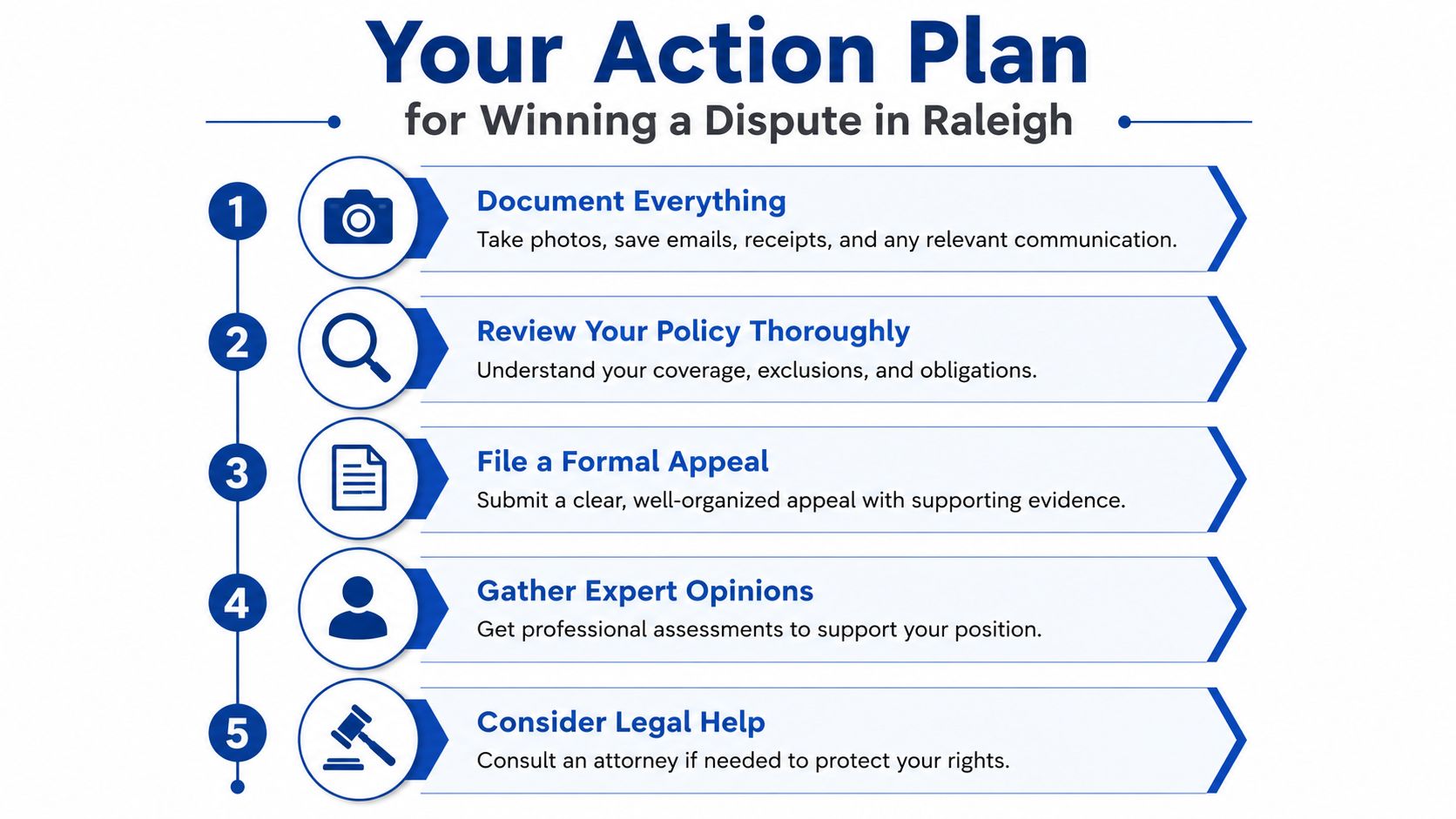
A good Raleigh dispute starts with the same four moves every time. Read the denial letter, mark the policy basis, assemble the proof, and get your response in before the deadline passes. If the carrier still won’t move, escalate to the next level with a file that makes the insurer’s position look weak on paper.
Use this sequence and don’t skip steps
- Document everything, because photos, estimates, receipts, and logs are what the carrier has to answer.
- Review your policy thoroughly, because the declarations page, endorsements, exclusions, and deadlines control the fight.
- File a formal appeal, because silence gets treated like acceptance.
- Gather expert opinions, especially when scope, cause, or pricing is being twisted.
- Consider legal help, when the carrier refuses to treat the file like a real claim dispute.
If you want another practical resource on loss documentation and property damage claims, the Utah storm damage help page is a helpful example of how homeowners can think about storm-loss paperwork before the carrier hardens its position. The core idea is the same everywhere, the claim wins or loses on proof.
How does hiring a Public Adjuster instantly shift the leverage in my favor during a dispute?
Hiring a Public Adjuster immediately signals that the policyholder is represented by a licensed expert who understands the policy, the industry's estimating software (Xactimate), and the legal framework. This shifts the insurer from dealing with an inexperienced policyholder to dealing with a knowledgeable adversary.
If my insurer sends a "Reservation of Rights" (ROR) letter, what is the immediate strategic response?
An ROR letter is a warning that the insurer is investigating but reserves the right to deny the claim later. The immediate strategic response is to engage a Public Adjuster to provide an overwhelming amount of objective evidence that satisfies all policy conditions, narrowing the insurer's window for a technical denial.
What is the critical difference between the Proof of Loss document I submit and the one the insurer wants me to sign?
The Proof of Loss is your sworn statement of the damages claimed. The insurer wants you to sign a form agreeing to their low valuation. A Public Adjuster prepares a detailed, maximized Proof of Loss backed by expert estimates, creating a contractual benchmark for the full value of your dispute.
How is the Appraisal Clause used as the most effective tool for resolving disputes over the amount of loss?
The Appraisal Clause is a contractual right for resolving disagreements only over the cost of the damage (not coverage). Both sides hire an appraiser, and their neutral umpire's decision is binding, often achieving a full settlement faster and cheaper than litigation, as the Public Adjuster acts as your appointed appraiser.
If the insurer delays my claim unnecessarily, how does that constitute a "bad faith" dispute?
Unreasonable delay (slow-walking the investigation, failure to respond timely) can be evidence of bad faith. A Public Adjuster meticulously documents every communication and delay, citing the state's Fair Claims Settlement Practices Act timelines to pressure the insurer and preserve the policyholder's right to legal action.
What specific evidence must a Public Adjuster use to rebut a "gradual damage" or "wear and tear" exclusion?
The rebuttal requires a forensic engineering report that scientifically concludes the loss was caused by a sudden and accidental event (e.g., latent defect, pressure failure) rather than the long-term deterioration excluded by the policy. This expert analysis reframes the claim from excluded to covered.
Can a Public Adjuster reopen a previously disputed or closed claim, and what is the process?
Yes. A Public Adjuster specializes in filing a Supplemental Claim or formally challenging a denial, provided the loss is within the state's statute of limitations. The process involves gathering all-new forensic evidence and submitting a professional, corrected scope of loss.
How does a Public Adjuster ensure the final settlement fully covers all local building code upgrade costs?
The Public Adjuster verifies the presence of the Ordinance or Law endorsement and incorporates the costs of all current, legally required upgrades (e.g., modern wiring, stricter foundations) into the settlement demand, preventing the insurer from only paying for the cheaper, non-compliant pre-loss construction.
Should I appeal my dispute directly to the State Department of Insurance (DOI)?
You can file a complaint with the DOI, which documents the dispute and triggers a regulatory review of the insurer's conduct. However, the DOI cannot force the insurer to pay or determine the value of your claim. The best strategy is to appeal internally with a Public Adjuster while simultaneously filing the DOI complaint for leverage.
If I accept the insurer's low settlement under duress, can a Public Adjuster still help me recover the remaining money?
If you signed a release, it complicates the case, but the claim may still be recoverable if the amount was grossly inadequate or if the insurer misrepresented facts. A Public Adjuster will review the settlement documents to determine if the release can be challenged due to unfair claims practices.
What is the measurable financial advantage of hiring professional help for a claim dispute?
Independent studies consistently show that policyholders who hire Public Adjusters receive settlements that are significantly higher—often by hundreds of percent—than the insurer's initial offer, ensuring the contingent fee is more than offset by the increased final recovery.
The smartest move is to stop arguing in circles and make the insurer respond to a clean package. If you’re in Raleigh and the carrier has denied, delayed, or underpaid a homeowner or business property claim, For The Public Adjusters, Inc. can review the loss, organize the evidence, and push the claim through the dispute process with the paperwork it takes to win. Visit For The Public Adjusters, Inc. and get the claim moving before the deadline and the damage both get worse.
For The Public Adjusters, Inc. handles property claim disputes for homeowners and businesses across North Carolina, including denied, delayed, and underpaid losses. If your carrier is hiding behind a weak estimate or a bad coverage call, get a no-cost review and let a licensed public insurance adjuster take a hard look at the file, because you shouldn’t have to fight the carrier alone.