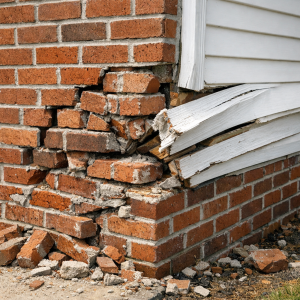
That first settlement offer you get for your flood damage claim isn’t a mistake. It’s a strategy. When you see that insultingly low number, you need to understand it’s just the opening move from an overwhelmed government program whose primary duty is to save money.
Pushing back isn’t just an option; it’s the only way to get the money you’re actually owed. This guide is not about how to file a claim; it’s about how to fight back and win when your insurance company is playing games.
Why Your Flood Damage Claim Is an Uphill Battle
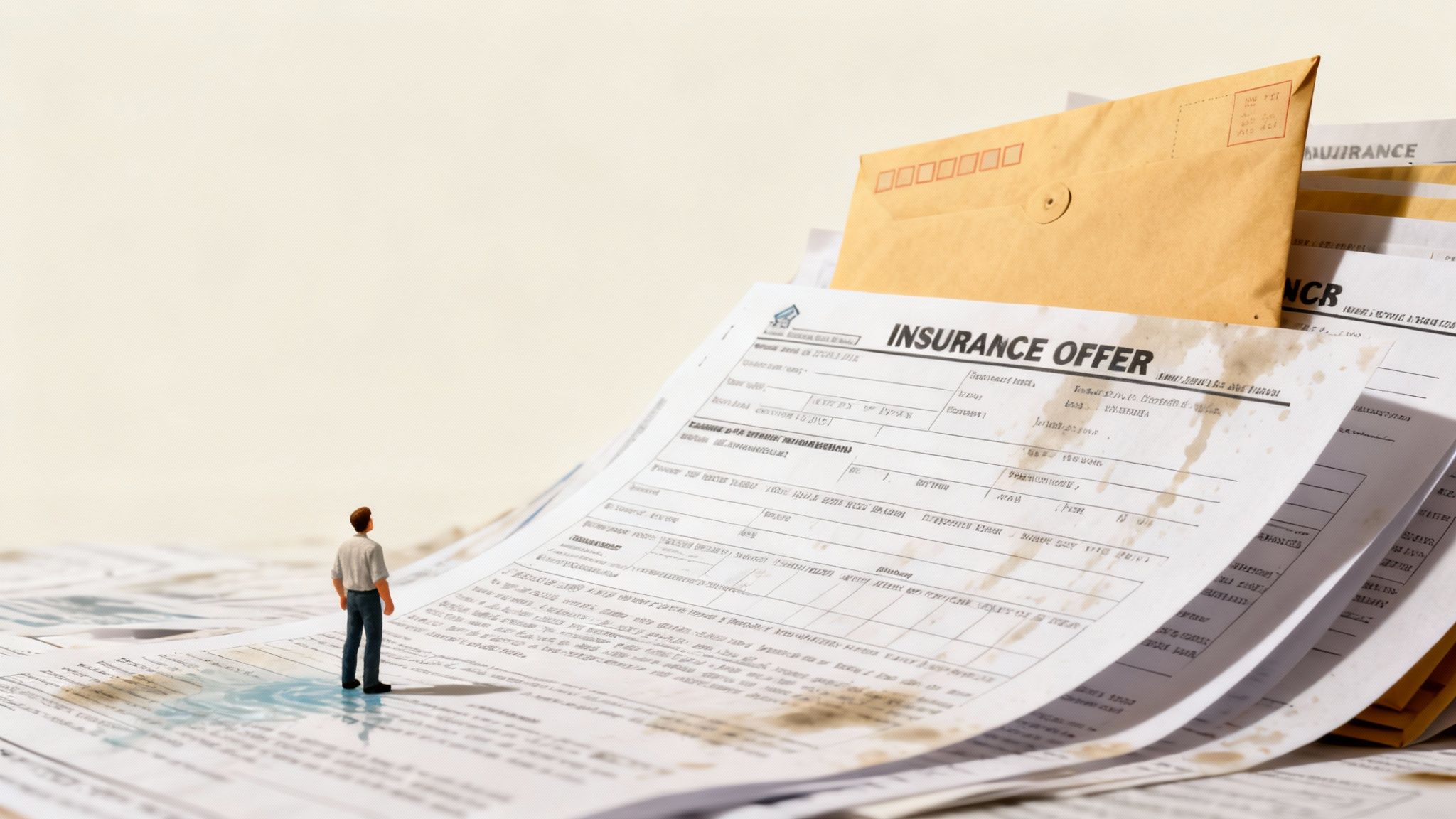
The feeling of seeing your home or business torn apart by floodwaters is just gut-wrenching. In that moment, you’re vulnerable, and you expect the insurance company you’ve faithfully paid for years to have your back.
That’s rarely how it plays out.
Carriers like Allstate and State Farm have built their empires by perfecting the art of the lowball payout. Their entire claims process is engineered to delay, deny, and underpay. That first offer is a test—a calculated bid to see if your exhaustion and inexperience will make you settle for pennies on the dollar.
They are betting you’ll give up.
The Profit-Driven Playbook
Insurance companies send out armies of adjusters who are trained to protect the company’s bottom line. They might seem friendly and concerned, but their real job is to find any reason to undervalue your damages, deny parts of your coverage, and close your claim for cheap.
It all boils down to a few common tactics you’ll almost certainly run into:
- The Quick Walk-Through: The company adjuster breezes through your property in 15 minutes, missing the deep, hidden damage like soaked insulation, warped framing, and the mold that’s just starting to grow behind the walls.
- Unrealistic Estimates: They use their own pricing software loaded with bulk-rate, low-quality material costs—numbers that have no connection to what it actually costs to hire a good, local contractor to do the work right.
- Delay and Intimidate: They’ll drag the process out for months, burying you in paperwork requests or just flat-out ignoring your calls. The goal is to wear you down until you accept their unfair offer out of pure frustration.
This isn’t personal, but it feels deeply personal when your family’s home or your business’s future is hanging in the balance. It’s a systemic part of their business model.
The numbers behind this are staggering. Globally, floods make up a massive 35–40% of all weather-related disasters. In just the last five years, flood losses soared past $325 billion, but a shocking $70 billion of that was insured.
This huge gap—what experts call the global protection gap—puts immense pressure on insurers to clamp down hard on the claims they do have to pay.
To give you a better idea of what you’re up against, I’ve seen these moves countless times. Here’s a quick breakdown of what they do and how you can prepare to fight back.
Insurer Tactics vs Your Counter-Moves
| Insurer’s Tactic | What It Really Means | Your Proactive Counter-Move |
|---|---|---|
| The Rushed Inspection | They’re hoping to miss hidden or developing damage that will cost them more money later. | Get your own independent inspection from a trusted contractor or public adjuster who will document everything. |
| Issuing a Lowball Offer | This is their opening bid, not their final offer. They are testing you to see if you’ll accept it and go away. | Never accept the first offer. Treat it as the start of a negotiation and present your own detailed estimate as a counter. |
| Using Confusing Policy Language | They cite vague exclusions or complex clauses to justify underpaying or denying your claim. | Demand they show you the exact language in your policy that supports their decision, in writing. |
| Delaying Communication | They’re trying to wear you down and make you desperate enough to accept any offer they throw at you. | Document every single phone call, email, and letter. Set firm deadlines for responses and follow up relentlessly. |
This isn’t just about getting your home repaired. It’s about refusing to let a powerful system take advantage of you when you’re at your weakest.
Knowing their playbook is the first and most critical step toward leveling the playing field. It’s how you begin the fight to secure the fair settlement you and your family deserve.
Building an Undeniable Evidence Package
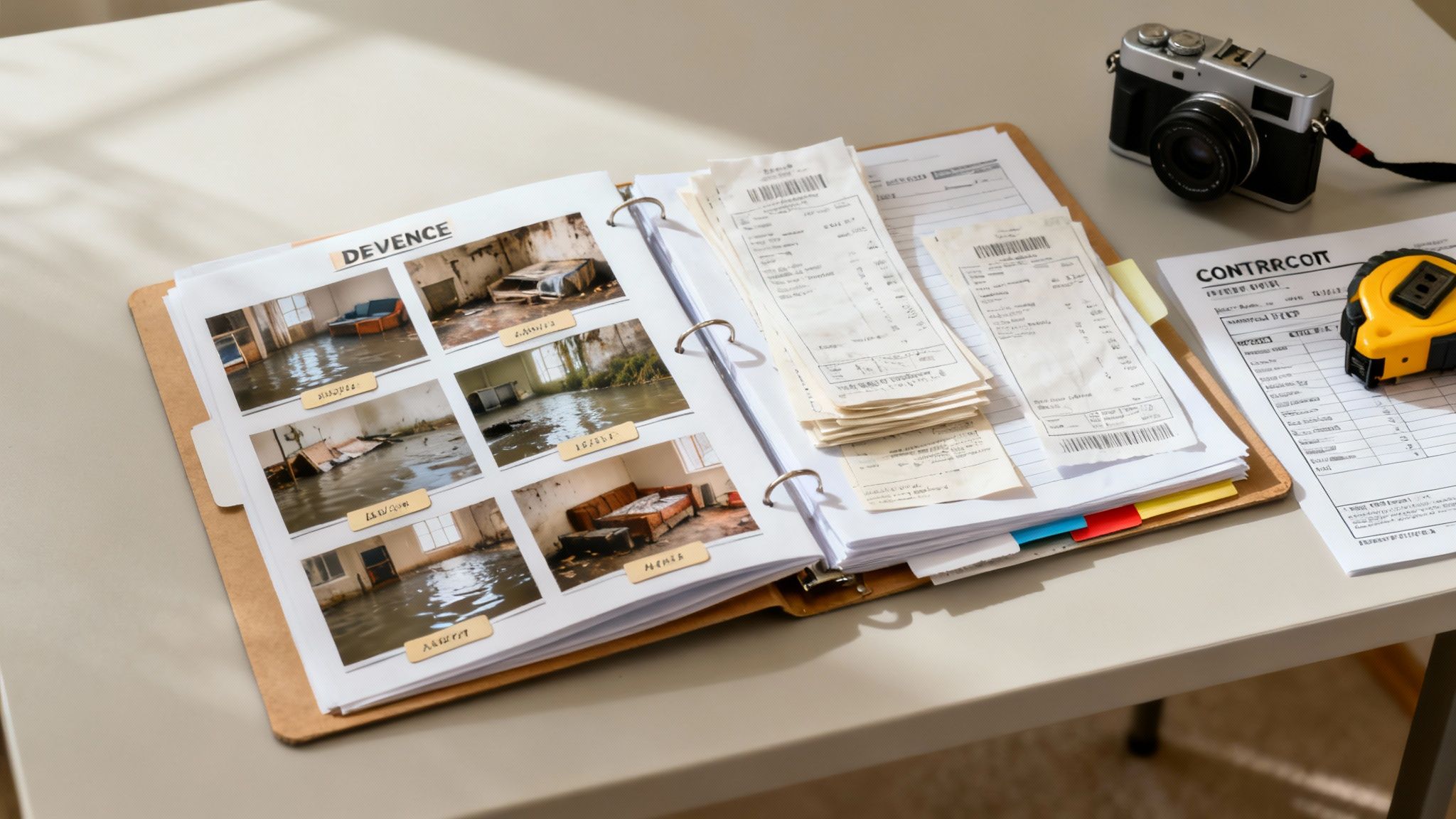
When an insurer slides a lowball offer across the table for your flood damage claim, they’re betting on you being too overwhelmed to fight back. They assume you don’t have the proof to challenge their numbers. Your best move? Build an evidence package so solid, so undeniable, that their flimsy assessment just falls apart.
This is about more than snapping a few pictures on your phone. You need to become the lead investigator of your own claim, documenting every warped floorboard, every ruined piece of furniture, every square inch of damage. The goal is to leave absolutely no room for them to argue.
Catalog Every Single Thing You Lost
First things first: create a master list of all your damaged personal and business property. Don’t be vague. “Damaged furniture” won’t cut it. It needs to be “one ‘Brand Name’ three-seat leather sofa, brown, purchased in 2019.”
Get a spreadsheet going and make columns for:
- Item Description: Get specific. Include the brand, model, and even the size.
- Original Purchase Date: If you don’t have receipts, give your best estimate.
- Original Cost: Dig through old bank statements or email confirmations. It’s worth the effort.
- Replacement Cost: Now, go find out what it costs to buy that exact item brand new today.
- Link to Replacement: Grab the URL to the store page selling the new item.
Doing this stops the adjuster from trying to replace your high-end belongings with cheap, generic junk in their estimate. It anchors your claim in reality, not in their biased pricing software. For a deeper dive, check out our essential guide on handling an insurance claim for flood damage.
Document the Damage Like a Pro
Your photos and videos have to tell the full story of the devastation. The adjuster’s pictures? They’re often shot quickly, framed to make the damage look minimal. You need to do the exact opposite.
Get in close. Show the warped baseboards, the swollen door frames, the water stains creeping up the drywall. Grab a yardstick or a tape measure and put it in your photos to show just how high the floodwaters got. This is called establishing the “waterline,” and it’s critical evidence.
When you take videos, narrate what you’re seeing. For example: “This is the master bedroom closet. The water came up 18 inches, you can see the line right here. It destroyed all these shoes, these storage boxes, and the drywall is completely soaked through.”
It’s not just about what’s obviously destroyed. Your strongest evidence is often the hidden damage the adjuster hopes you’ll miss—things like early signs of mold, new cracks in the foundation, or buckled subflooring.
Insurers deal with so many claims they can justify systemic lowballing. In 2023 alone, the National Flood Insurance Program (NFIP) paid out on nearly 16,400 claims for a staggering $968 million. That volume gives them an incentive to shave a few thousand dollars off every single claim, which adds up to millions for them and leaves families like yours short.
Get Your Own Independent Estimates
Whatever you do, never rely on the insurance adjuster’s estimate or their list of “preferred” contractors. The adjuster’s estimate isn’t an objective report; it’s a budget designed to support the lowest possible payout. And those contractors? They have a cozy relationship with the insurer, creating a massive conflict of interest.
It’s time to bring in your own team.
- Call at least two reputable local contractors. Find people with a solid reputation in your community for flood restoration work.
- Demand itemized bids. A one-page summary is worthless. You need a detailed, line-by-line breakdown of costs for materials, labor, and permits for every task.
- Compare and conquer. Lay your independent bids right next to the insurer’s lowball estimate. This is where you’ll see it all laid bare—the cheap materials, the slashed labor rates, the conveniently “missed” repairs.
This comparison is your smoking gun. It turns the argument from your word against theirs into a battle of expert facts. When you can show them two professional quotes proving the real cost to fix your home is double what they offered, their position becomes impossible to defend. This is how you win a flood damage claim appeal.
Decoding Your Policy to Find Hidden Coverage
Let’s be blunt: insurance companies like Allstate and State Farm don’t write policies for you to understand. They’re dense, jargon-filled documents designed to give them legal loopholes to limit what they pay on your flood damage claim.
Think of your policy not as a safety net, but as a rulebook for a game where they wrote all the rules. To win, you have to learn how to read between the lines and find the coverage you’re entitled to—the same coverage the adjuster might just “forget” to mention.
Finding Coverage Beyond the Obvious Damage
Your policy is usually broken down into a few key areas. The company adjuster will want to focus on the most obvious stuff—the drywall, the flooring. They often gloss over other huge financial losses you’ve suffered. It’s up to you to identify and fight for every dollar.
Two of the most frequently “overlooked” coverage types are:
- Building Property Coverage: This is about more than just the four walls. It’s supposed to cover everything physically attached to your house—built-in appliances, kitchen cabinets, your HVAC system, even permanently installed carpets. Adjusters love to try and misclassify these items as “personal property,” which often has much lower coverage limits. Don’t let them.
- Personal Property Coverage: This is for your belongings—your furniture, electronics, clothing, everything. A classic move is for insurers to slap a ridiculously steep depreciation value on your stuff, claiming your five-year-old couch is worthless. You have to fight back by showing proof of what you paid for it and what it costs to replace it today.
Knowing this is your first line of defense against an insurer trying to nickel-and-dime you back to zero.
When your home is uninhabitable, your policy may cover the costs of temporary housing, meals, and other essential services. This is a critical lifeline that adjusters often fail to explain properly, hoping you won’t use it.
Don’t Fall for the “Groundwater Seepage” Trick
One of the most dishonest tactics insurers use to deny a flood damage claim is playing games with the source of the water. They will dig through your policy’s exclusions to find any excuse to avoid paying.
They might argue the damage came from “groundwater seepage” or a sewer backup—both of which are often excluded—when the real cause was “overland flooding,” which is almost always covered.
Here’s a real-world example: A massive storm causes a nearby river to spill its banks. Water floods your street and pours into your basement through the windows. The insurance adjuster shows up, sees water in the basement, and immediately labels it “seepage” to trigger that exclusion in your policy.
That is a deliberate misinterpretation. If the water came from an external, overflowing source and entered your home, that’s a flood. Period. You must challenge any attempt to reclassify the source of the water.
Uncovering Your Additional Living Expenses
If the flood has forced you and your family out of your home, your policy almost certainly includes something called Additional Living Expenses (ALE), or “Loss of Use.” This is probably the most powerful—and most underutilized—part of any homeowner’s policy.
ALE is there to cover the increase in your living costs while your home is being rebuilt. This isn’t a blank check, but it can cover:
- Rent for a temporary apartment or house.
- Hotel bills for short-term stays.
- The extra cost of eating at restaurants if you don’t have a kitchen.
- Laundry services if you can’t do it yourself.
- The cost to rent furniture for your temporary place.
Insurers often make using this benefit a nightmare. They’ll offer absurdly low limits or bury you in paperwork, hoping you’ll just give up. To learn more about how this works, check out our guide on what is loss of use coverage. Keep every single receipt to build an undeniable case for these funds—you’ve earned them.
Navigating Adjuster Games and Delay Tactics
After a flood, the insurance adjuster who shows up at your door might look like a helping hand, but you need to understand their real job. They aren’t your advocate. They work for the insurance company, and their primary goal is to protect their employer’s bottom line by paying out as little as possible on your flood damage claim.
These are trained negotiators, and they come armed with a playbook of psychological tricks and procedural roadblocks. They count on your stress, your lack of claims expertise, and your desperation to get back to normal. But once you know their game, you can turn their own tactics against them and build a stronger case.
Common Manipulation Tactics and How to Counter Them
The adjuster’s playbook is surprisingly predictable. They run the same plays repeatedly because, frankly, they work on homeowners who don’t know any better. Your job is to be ready for them.
Right out of the gate, an adjuster might push for a recorded statement. It sounds official and routine, but it’s a trap. They’re hoping you’ll say something they can twist later—even a simple “I’m doing okay” can be used to argue the flood’s impact wasn’t that bad.
Your Firm Response: “I’m not comfortable giving a recorded statement right now. I will provide all the necessary information in writing to make sure it’s accurate.”
Another classic move is the rushed inspection. The adjuster zips through your devastated home in 20 minutes, barely glancing at the water lines before saying they’ve seen all they need to see. This is intentional. They’re ignoring the hidden damage—the soaked insulation, the compromised wiring, and the mold that’s just starting to grow behind the walls.
This tactic flows right into the “preferred contractor” recommendation. They’ll hand you a list of contractors they have on speed dial. These contractors know that to keep getting referrals, their repair estimates have to align with the insurance company’s lowball figures. It’s a massive conflict of interest.
Adjusters are masters at using specific language and pressure to control the conversation and, ultimately, your settlement. They rely on you not knowing how to push back. Below is a breakdown of their common tactics and exactly how you should respond to shut them down.
Adjuster Tactics and How to Respond
| Adjuster’s Tactic | Their Goal | Your Firm Response |
|---|---|---|
| Requesting a recorded statement. | Get you on record with vague or contradictory statements they can use to deny or downplay your claim. | “I’m not providing a recorded statement. All communication needs to be in writing to ensure accuracy.” |
| Conducting a rushed, superficial inspection. | Overlook hidden or complex damage to create a lower initial estimate and anchor the settlement talks low. | “That seems too quick. I have a list of specific damages I need you to document before you leave. Let’s walk through it together.” |
| Offering an immediate, on-the-spot settlement. | Pressure you into accepting a lowball offer out of desperation before you know the full extent of your damages. | “I appreciate the offer, but I won’t be accepting anything until I have independent estimates from my own contractors.” |
| Using vague language and making verbal promises. | Avoid creating a paper trail, giving them wiggle room to “forget” what was said or deny making a commitment. | “Thanks for letting me know. Can you please confirm that for me in an email right now?” |
| Delaying responses to your calls and emails. | Wear you down and increase your financial pressure, hoping you’ll give up and accept whatever they offer. | “Per my email on [Date], I am still awaiting your response. Please provide an update within 48 hours, or let me know who I should escalate this to.” |
Knowing what they’re going to say before they say it gives you all the power. Stick to your script, and don’t let them rattle you.
Setting the Rules of Engagement
You have to take control of this process from day one. Don’t let the adjuster run the show. The best way to do this is by creating an airtight paper trail and setting firm, professional deadlines.
Here are the rules you need to establish immediately:
- All Communication in Writing: After your first call to report the claim, insist that every significant conversation happens over email. This creates a time-stamped log of every request, promise, and interaction.
- Demand Written Justifications: If an adjuster denies part of your claim or gives you a low offer, don’t get into a shouting match on the phone. Instead, send a calm email asking them to point to the exact policy language they’re using to justify their position.
- Set Your Own Deadlines: Never accept a vague “we’ll get back to you soon.” When you send them documents, give them a reasonable deadline. For example: “Here are the repair estimates from my contractor. I expect a revised settlement offer within seven business days.”
These simple moves flip their delay tactics on their head. When they miss your deadlines or refuse to put things in writing, their behavior becomes documented evidence of bad faith—a powerful weapon if you need to escalate the fight.
Why They Fight So Hard to Pay Less
It helps to understand the massive financial pressure insurance companies are under. It’s what drives these aggressive tactics. In the last five years, global flood losses have hit a staggering $325 billion, but only about $70 billion of that was insured. That gap shows you just how motivated insurers are to limit what they pay on every single flood damage claim.
When you see the numbers, it’s clear why fighting for what you’re owed is a necessity, not just an option.
By understanding their strategies, you can level the playing field. For more detailed scripts and strategies, check out our guide on how to negotiate with an insurance adjuster. Remember, this is a business negotiation. You have every right to demand fair treatment and the full value of the policy you paid for.
Escalating Your Claim When the Insurer Ignores You
So, your polite emails have gone unanswered and your mountain of evidence is met with deafening silence. Let’s be clear: this isn’t just an oversight. It’s a classic delay tactic. The insurance company is betting on your frustration, hoping you’ll either give up on your flood damage claim or just take the insulting lowball offer they threw your way.
This is the moment the game changes. You stop asking nicely and start demanding what you’re owed. Escalating the fight is no longer just an option—it’s the only move you have left.
Taking formal action is like setting off a fire alarm in their system. It jolts your file out of the “ignore” pile and lands it on a manager’s desk as a high-risk problem. Big names like Allstate and State Farm have perfected the art of the stall, but the one thing they truly hate is a paper trail documenting their bad faith. It’s time to give them one.
The Power of a Formal Demand Letter
Your first real power move is to draft a formal demand letter. This isn’t just another email they can ignore. Think of it as a pre-litigation document that puts the insurer on official notice. It’s a clean, professional summary of your claim, the evidence you’ve provided, and your non-negotiable stance that their offer is a joke.
Your letter needs to be firm, factual, and impossible to misinterpret. Make sure you hit these key points:
- A Clear Timeline: Map out every single interaction. Start from the day the flood hit and go all the way to your last unanswered phone call.
- Evidence Summary: Briefly remind them of the contractor estimates, photo and video proof, and the detailed list of lost items you’ve already sent.
- Your Specific Demand: Don’t be vague. State the exact dollar amount required to make you whole again, based on your evidence.
- A Firm Deadline: Give them a hard deadline, like 10 business days, to respond with a revised, acceptable settlement. This isn’t a suggestion.
A letter like this sends a clear message: you’re organized, you’re serious, and you’re fully prepared for the next step if they continue to stonewall you.
Invoking Your Right to Appraisal
If the demand letter doesn’t break the logjam, your policy has a secret weapon you can deploy: the appraisal clause. It’s a powerful but frequently overlooked tool that lets you force a binding decision when the only thing left to argue about is the amount of money they owe you.
Here’s how it works. You hire your own independent, expert appraiser. They hire theirs. Those two appraisers then agree on a neutral third appraiser to serve as an umpire. A final decision agreed upon by any two of the three is binding.
This process rips the decision-making power right out of the insurance company’s hands and gives it to impartial experts. It’s one of the most effective ways to shatter a lowball offer on your flood damage claim.
The infographic below gives you a simple roadmap for dealing with common adjuster games.
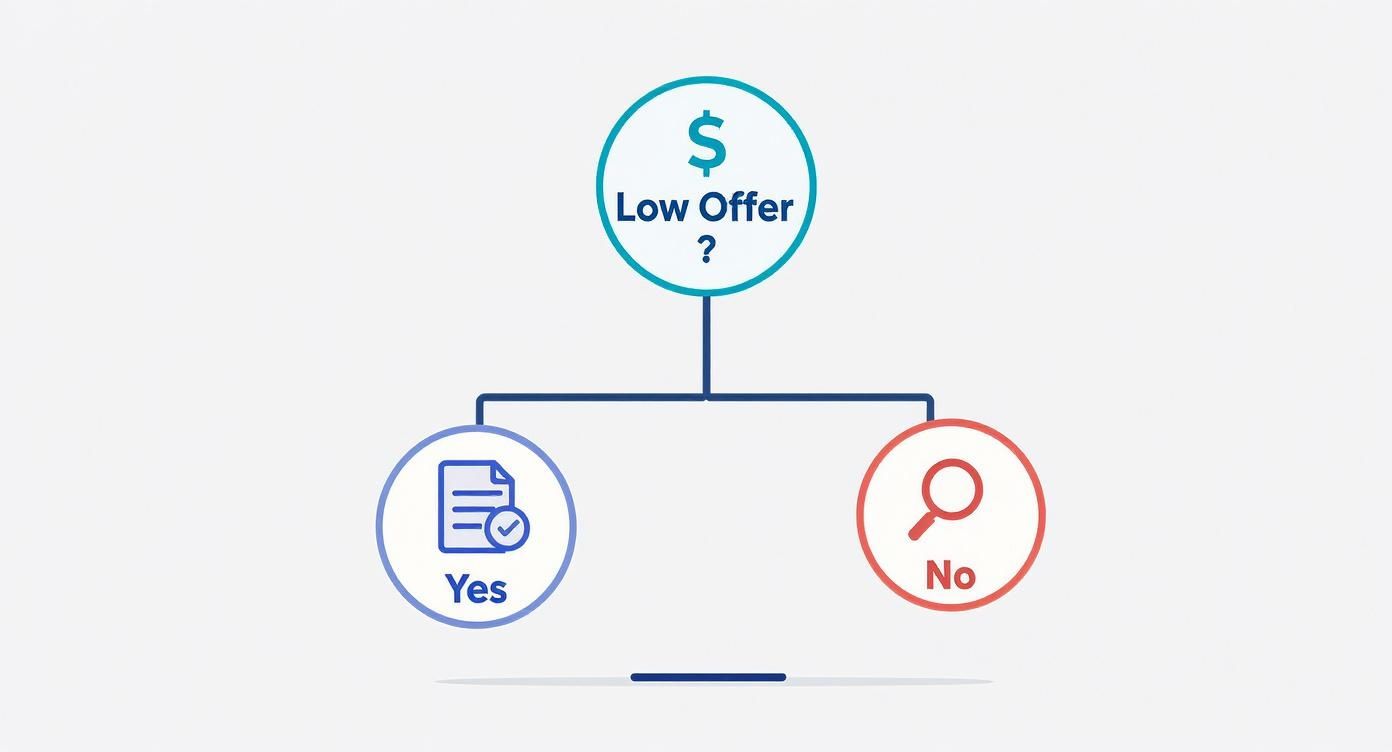
As you can see, demanding written justification for a low offer is a crucial step before you have to escalate things further.
Filing a State Department of Insurance Complaint
When you’ve exhausted all other avenues, it’s time to call in the regulators. Every state has a Department of Insurance (DOI) that polices insurance companies and investigates consumer complaints. Filing a formal complaint costs you nothing, and it legally forces the insurer to answer to a government body.
An official complaint creates a public record of the insurer’s bad behavior. Insurance companies absolutely hate this kind of scrutiny because a pattern of complaints can trigger painful audits, hefty fines, and other regulatory nightmares for them.
The DOI isn’t going to cut you a check, but the pressure they bring is often all it takes to get a dead-in-the-water claim moving. Suddenly, a senior claims manager—someone with the actual authority to override the adjuster and do the right thing—will be calling you. It’s a powerful lever that tells them you won’t be ignored.
Your Top Flood Damage Claim Questions Answered
Trying to rebuild after a flood is hard enough. The last thing you need is a fight with your insurance company, but that’s exactly what happens to far too many homeowners. When you’re staring down a denied flood damage claim or a ridiculous lowball offer, questions come up fast.
Here are the straight answers to the most common problems policyholders run into when they have to stand up and fight.
The Insurer Sent a Check, But It’s Way Too Low. What’s My First Move?
Whatever you do, do not cash that check. Don’t even deposit it. Cashing that check is often seen in the eyes of the law as you accepting their offer as a full and final settlement. Game over.
Your first real move is to push back—in writing. An email is your best friend here because it creates a permanent, time-stamped record. You need to state clearly that you’ve received their offer, but you believe it’s incomplete and you’re having it reviewed by your own experts.
Now it’s time to build your case. Call at least two reputable, local flood restoration contractors and get them to write up detailed, line-item bids to restore your property the right way. These independent estimates are the most powerful tool you have.
Once you have those bids in hand, sit down and compare them, line by line, against the flimsy estimate the insurance adjuster gave you. You’ll immediately see where they cut corners—lowballing material costs, slashing labor rates, or just “forgetting” to include entire sections of the damage. This comparison is the bedrock of your entire dispute.
My Adjuster Is Ghosting Me. What Can I Do?
Let’s be clear: this is not an accident. It’s a classic delay tactic. Big insurers like Allstate and State Farm know that the longer they drag things out, the more financial pressure you’re under. They’re hoping you’ll get so frustrated that you just give up and take whatever they offered. Don’t fall for it.
From this moment on, stop calling and move every single communication to writing. Send a formal email that politely but firmly details your previous attempts to contact them. Then, you set a deadline.
Here’s what to say: “I am following up on the voicemails I left on [Date] and [Date] regarding my claim. I need a substantive update on the status of my claim by the end of business on [Date, 3-5 days from now]. If you are not the right person to handle this, please forward this to your direct supervisor immediately.”
If they ignore that deadline, you escalate. Find the contact info for the claims department manager and forward the entire email chain. Show them exactly how unresponsive their adjuster has been. If you still get radio silence, it’s time to file a formal complaint with your state’s Department of Insurance. That gets their attention.
Should I Hire a Public Adjuster or an Attorney?
This is a huge decision, and the right choice really depends on where you are in the claims process. They are both powerful allies, but they serve different, and sometimes complementary, roles in your fight for a fair flood damage claim.
- You should hire a public adjuster if: You’re completely overwhelmed, the insurer’s offer is miles away from your contractor’s bids, or you just have a gut feeling you’re being taken for a ride. A public adjuster is a licensed claims expert who works only for you, not the insurance company. They dive deep, documenting every bit of damage, building an ironclad estimate, and negotiating directly with the insurer. They work on a contingency fee, which means they only get paid a small percentage of the money they recover for you.
- You should hire an attorney if: Your claim was flat-out denied for a bogus reason (like blaming the damage on “groundwater seepage”), the insurance company is accusing you of fraud, or the damage is so massive that a lawsuit feels inevitable. An attorney brings the hammer of legal action for “bad faith.” The threat of a bad faith lawsuit—which can force an insurer to pay damages far beyond your policy limits—is often the only thing that will make them pay what they owe.
For many people, a public adjuster is the perfect first step. They level the playing field and show the insurer you mean business. If the insurance company still refuses to be reasonable, that’s when your public adjuster will often recommend bringing in an attorney to finish the fight.
Does my standard homeowner's insurance policy cover flood damage?
No, standard homeowner's insurance policies do not cover flood damage. Flood damage, defined as water coming from the ground up, requires a separate NFIP (FEMA) Flood Insurance Policy or a private flood insurance policy.
Who is responsible for inspecting my property if I have NFIP (FEMA) flood insurance?
Your NFIP claim will be assigned to an adjuster hired by the private insurance company that services your NFIP policy (called a WYO carrier). Crucially, this adjuster represents the carrier, while your Public Adjuster represents you. You should always consider speaking with a Public Adjuster for a flood damage claim due to the scale of the loss and the difficulty with flood damage coverage issues.
What is the "Proof of Loss" document and why is it so critical in a flood claim?
The Proof of Loss (POL) is the policyholder’s sworn, legally binding statement detailing the total dollar amount of the flood damage. It must be submitted accurately within 60 days of the loss to the insurer; missing this deadline is the most common reason for claim denial.
How does a Public Adjuster document hidden water damage that the NFIP adjuster might miss?
A Public Adjuster uses advanced equipment like moisture meters, thermal imaging cameras, and drone imagery to locate and document water intrusion and hidden damage (e.g., behind walls or under flooring) to ensure the full scope of loss is covered.
Can I start cleaning up and making repairs before the flood adjuster arrives?
Yes, you have a duty to mitigate from further damage (e.g., removing saturated items, starting dry-out), but you must photograph/video everything first and keep detailed records of discarded items, receipts, and professional remediation invoices. It's best to consult with a State Licensed Public Adjuster about this process before you discard any evidence you may need down the road.
What does NFIP flood insurance cover in a basement?
NFIP coverage in a basement is highly limited, typically only covering essential equipment like furnaces, water heaters, air conditioners, and permanently installed items. A Public Adjuster works to ensure the adjuster doesn't misclassify covered items as excluded.
How can I get extra money to rebuild to current building codes after a flood?
You may be eligible for Increased Cost of Compliance (ICC) coverage, which provides up to $30,000 to elevate or mitigate future flood damage if your local official deems the property "substantially damaged." A Public Adjuster facilitates the complex ICC claim process.
My NFIP flood claim was denied. Can a Public Adjuster appeal or re-open the case?
Yes. A Public Adjuster specializes in reviewing denial letters and can appeal the decision by submitting a corrected, fully documented Proof of Loss or a comprehensive appeal package to FEMA, often leading to a reversal of the denial.
If my home was damaged by both wind and floodwater, who pays for which damage?
This is a complex Wind vs. Water dispute. A Public Adjuster hires engineers to determine the proximate cause of loss for specific damages (e.g., wind damage to the roof vs. flood damage to the foundation), ensuring both your homeowner's and flood policies pay the maximum benefit.
When your insurance company puts its profits ahead of your recovery, you need an expert on your side. The team at For The Public Adjusters, Inc. fights for one side and one side only: homeowners and business owners. We work to get you the full and fair settlement you’re entitled to. Don’t let them get away with undervaluing your flood damage claim—get a free, no-obligation claim review today by visiting us at https://forthepublicadjusters.com.