Public Adjuster vs Attorney: Which Does a Garner Homeowner Need?
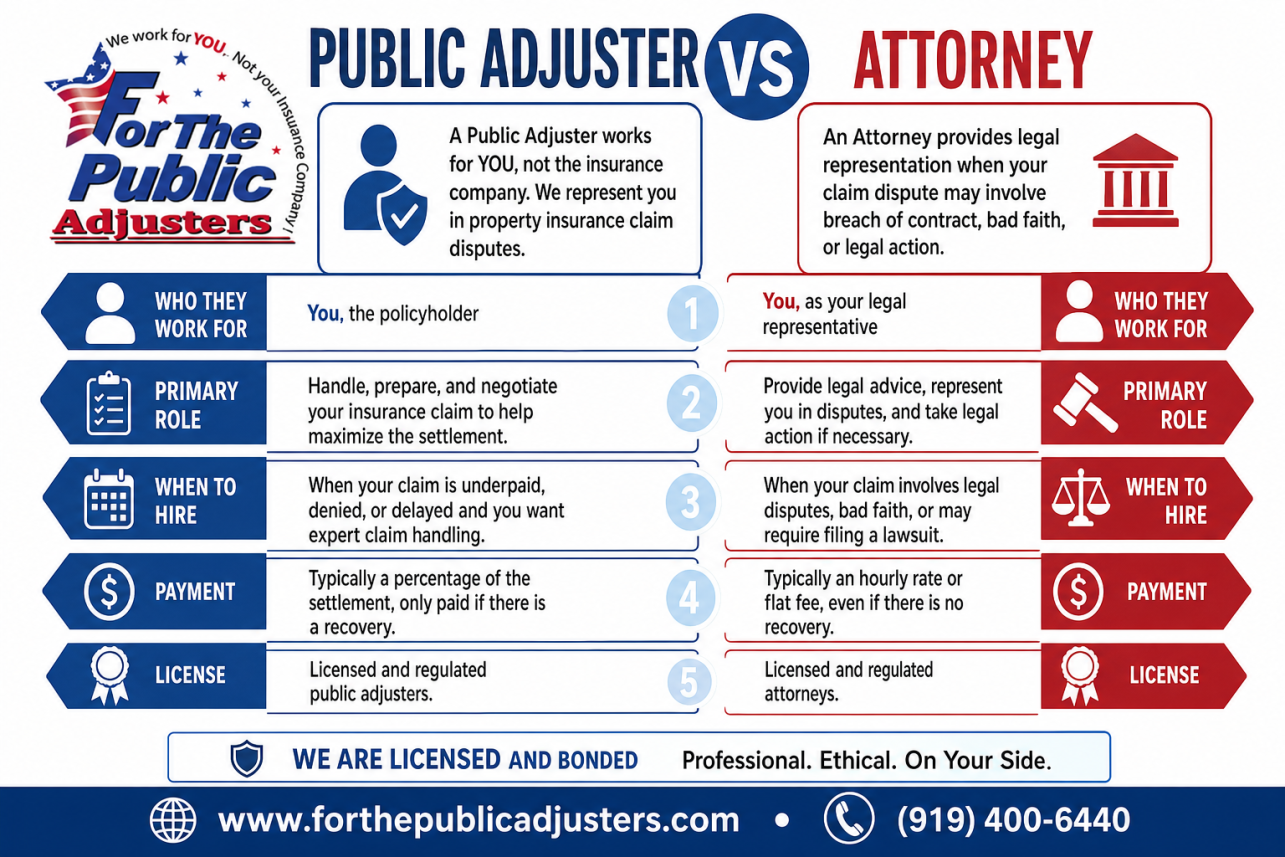
In the public adjuster vs attorney decision, the short answer is this: a public adjuster documents, values, and negotiates your property damage claim with the insurance company, while an attorney handles legal disputes such as bad faith, breach of contract, or denied claims that need litigation. Most disputed Garner claims start with a public adjuster; attorneys step in when the fight becomes legal rather than financial.
Key takeaways
- Public adjusters handle documentation and negotiation for a percentage of the payout, while attorneys are needed when your insurer acts in bad faith or denies a valid claim outright.
- In North Carolina, public adjuster fees are capped by state regulation, making them a predictable cost for straightforward underpayment disputes.
- Hire an attorney when the dispute involves a claim denial, policy interpretation, or suspected bad faith — situations a public adjuster cannot litigate.
- Many Garner homeowners start with a public adjuster and escalate to an attorney only if negotiations stall or the insurer refuses a fair settlement.
- Acting quickly matters: North Carolina imposes deadlines on property insurance lawsuits, so delaying a decision can forfeit your legal options.
Both professionals work on your side against the insurance company — but they solve very different problems. Choosing the wrong one first can cost you time, money, or both. Understanding what each actually does makes the decision much simpler.
What Each Professional Handles
- Public adjuster: A licensed claims professional who inspects your damage, prepares detailed estimates, interprets your policy coverage, and negotiates directly with your insurer’s adjuster to reach a fair settlement. Their job is proving what your loss is actually worth.
- Attorney: A legal advocate who handles claim denials, allegations of bad faith, breach of contract disputes, appraisal or litigation proceedings, and situations where the insurer refuses to negotiate at all. Their job is enforcing your legal rights when negotiation has failed or the insurer has acted improperly.
The Simple Way to Decide
Ask yourself one question: is the disagreement about how much the damage is worth, or about whether the insurer will pay at all?
- It’s a valuation dispute — the insurer accepted the claim but the offer is too low, the scope of damage is incomplete, or hidden damage was missed. This is public adjuster territory. A licensed public adjuster serving Garner can re-document the loss and negotiate the numbers upward.
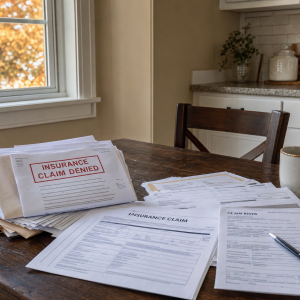
- It’s a legal dispute — the claim was denied outright, the insurer is accusing you of misrepresentation, deadlines have passed without payment, or you suspect bad faith handling. That’s when an attorney becomes the right call.
Why This Matters for Garner Homeowners
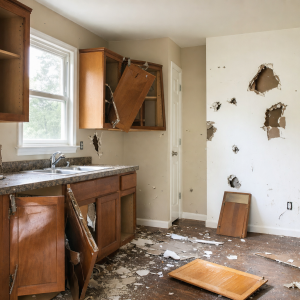
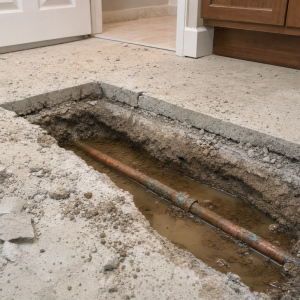
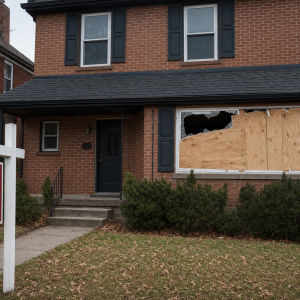
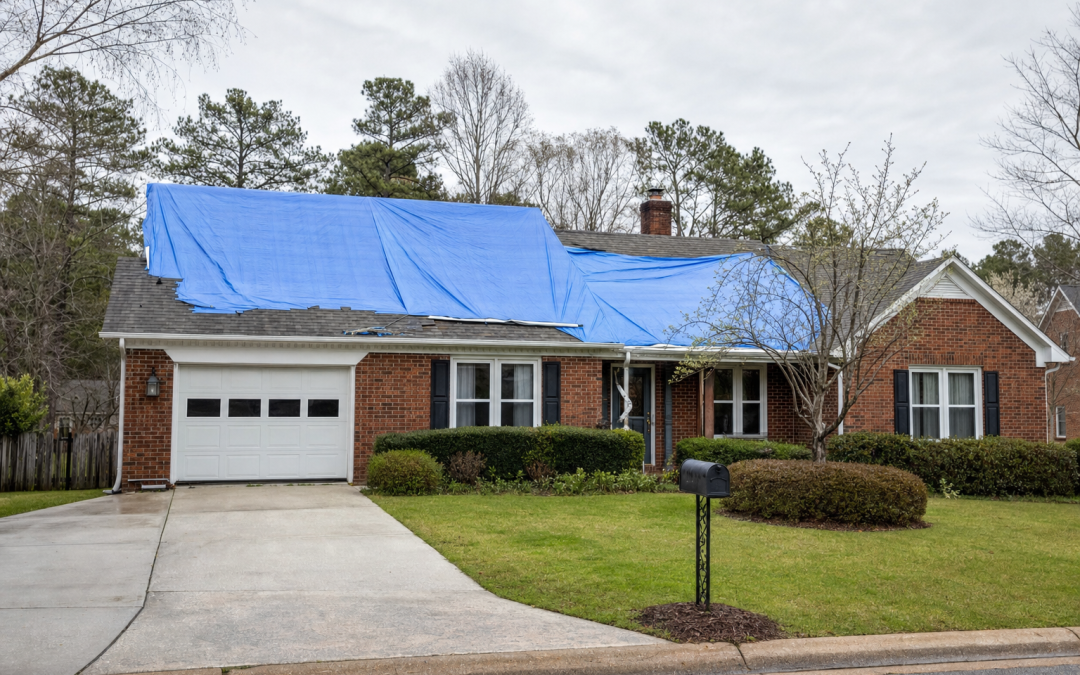
Wake County homes deal with the full range of claim types — summer storm and wind damage, tree strikes, burst pipes, roof leaks, and house fires. In the majority of these situations, the insurer isn’t refusing to pay; they’re simply paying less than the repair actually costs. That gap is a negotiation problem, not a legal one, which is why a public adjuster is typically the first and most cost-effective step.
That said, the two options aren’t mutually exclusive. As we’ll cover later in this guide, public adjusters and attorneys often work together — the adjuster builds the documented value of the claim, and the attorney uses that documentation if the dispute escalates. The sections below break down exactly what each professional does, what they cost, and how to decide where your claim stands right now.
What Does a Public Adjuster Actually Do in a Disputed Claim?
A public adjuster is a licensed, bonded claims professional who works for you — not the insurance company. In a disputed claim, they re-inspect your property, build an independent estimate of the damage to your home, other structures, and contents, and then negotiate directly with the carrier to close the gap between what was offered and what your policy actually owes.
That description sounds simple, but the work behind it is where low-balled claims get turned around. When you’re weighing a public adjuster vs attorney for a Garner claim dispute, it helps to understand exactly what the adjuster’s process looks like.
Step 1: A Full Re-Inspection of the Damage
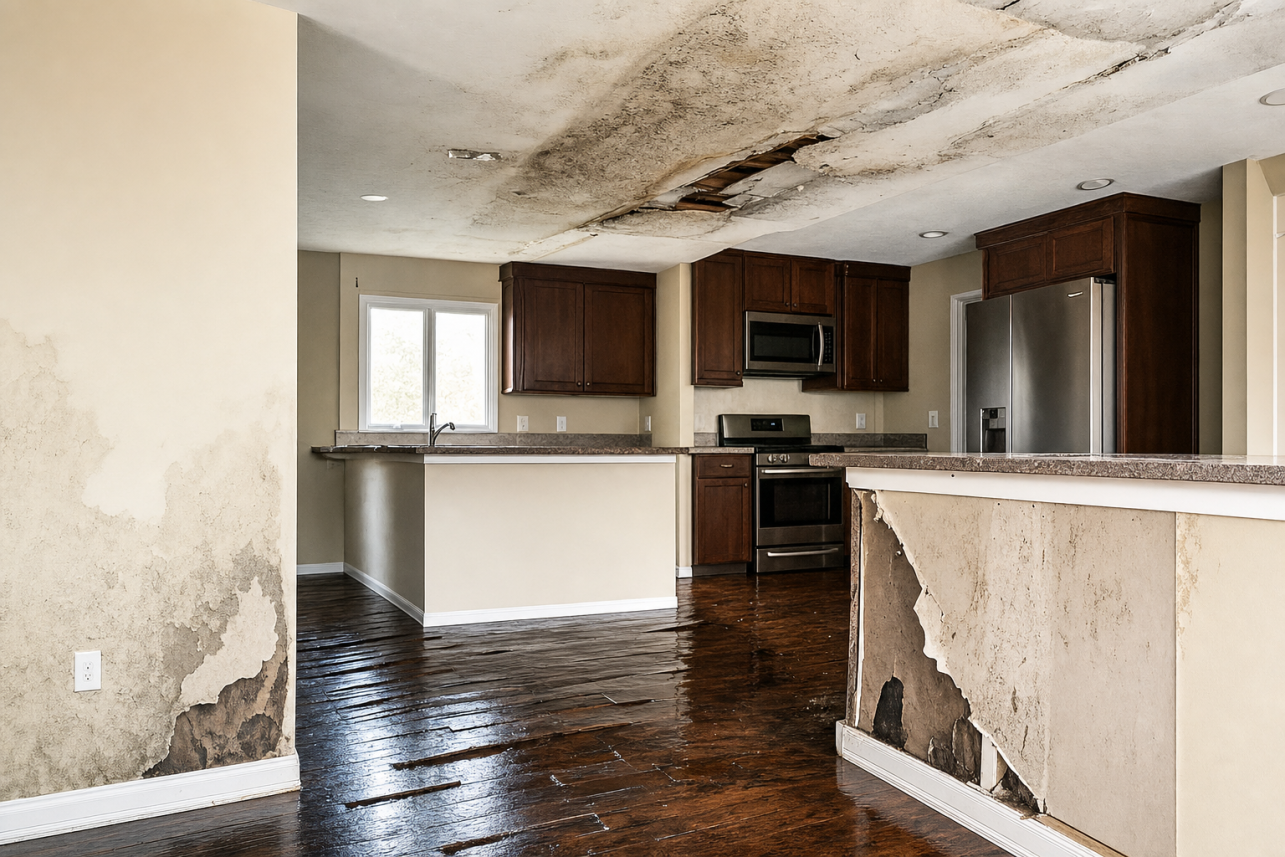
The insurance company’s adjuster often spends a limited amount of time on site. A public adjuster goes back through the property methodically, documenting what the first inspection missed — hidden water intrusion behind walls, smoke and soot damage in rooms far from a fire’s origin, roof decking damage that isn’t visible from the ground, and damaged contents that were never inventoried.
Step 2: Independent Estimates for Structure and Contents
Instead of accepting the carrier’s numbers, the public adjuster prepares their own line-item estimates covering:
- Dwelling damage — repairs priced at realistic local labor and material costs, not generic software defaults
- Other structures — detached garages, fences, sheds, and outbuildings
- Personal property — a room-by-room contents inventory with replacement values
- Additional living expenses — costs of living elsewhere while your home is unlivable
Step 3: Negotiating With the Carrier on Your Behalf
Armed with that documentation, the public adjuster handles the back-and-forth with the insurance company — responding to pushback, arranging joint re-inspections, and pressing the carrier to justify any line items it wants to deny or underpay. You stop being a homeowner arguing alone against a claims department and instead have a licensed professional speaking the carrier’s language.
Where This Makes the Biggest Difference
Re-documentation matters most in claims where damage is easy to underestimate. Hurricane and wind claims are frequently low-balled because water intrusion spreads behind siding and under roofing where a quick inspection won’t find it. Fire claims are underpaid when smoke, soot, and firefighting water damage throughout the house are treated as minor cleaning items rather than the extensive remediation they actually require. In both scenarios, a thorough re-inspection and a properly built estimate routinely reveal damage the original settlement never accounted for — and give you the leverage to demand it be paid.
For Garner homeowners specifically, a local public adjuster serving Garner, NC will also know Wake County construction costs and common claim patterns in the area, which strengthens the estimate the carrier has to answer to.
When Should You Hire an Attorney Instead of a Public Adjuster?
Hire an attorney instead of a public adjuster when your claim has been outright denied, the insurer accuses you of violating your policy, you suspect bad-faith conduct, or a legal deadline is approaching. Public adjusters negotiate claim value; attorneys handle legal disputes, coverage fights, and litigation that adjusters legally cannot pursue.
The public adjuster vs attorney decision usually comes down to one question: is the disagreement about how much your claim is worth, or about whether the insurer will pay at all? If it’s the latter — or if the insurer’s conduct crosses into unfair territory — you’ve moved beyond what an adjuster is licensed to handle in North Carolina.
Red Flags That Signal a Legal Fight
- Outright denial of your claim. If the insurer says your loss isn’t covered — citing an exclusion, a coverage gap, or a dispute over the cause of damage — that’s a legal question about policy interpretation, not a valuation dispute.
- Accusations that you violated the policy. If the company alleges misrepresentation, fraud, failure to cooperate, or late notice, you need legal representation. These accusations can void your coverage entirely, and anything you say may be used against you.
- Signs of bad-faith conduct. Unreasonable delays, ignored correspondence, repeated demands for the same documents, shifting explanations for a denial, or lowball offers made without any real investigation can all point to unfair claim handling.
- Missed or looming deadlines. Insurance policies and North Carolina law impose time limits on filing suit. Once a deadline passes, even a strong claim can become worthless — and only an attorney can file suit to protect it.
- The insurer has lawyered up. If the company involves its own counsel, requests an examination under oath, or hires an engineer to dispute causation, the playing field has changed.
What Gray v. North Carolina Insurance Underwriting Association Means for Homeowners
North Carolina courts have shown they will hold insurers accountable for unfair claim handling. In Gray v. North Carolina Insurance Underwriting Association, North Carolina homeowners whose property suffered hurricane damage prevailed against their insurer over its unfair handling of their claim. The case stands as a reminder that insurers in this state face real legal consequences — including exposure under North Carolina’s unfair and deceptive practices laws — when they mistreat policyholders.
That matters for the public adjuster vs attorney question because a public adjuster cannot bring those legal claims for you. Only an attorney can pursue bad-faith or unfair-practices remedies, which can be worth substantially more than the underlying claim itself.
A Simple Rule of Thumb
If the fight is over dollars and documentation, an adjuster may be enough. If the fight is over coverage, conduct, or deadlines, call a lawyer — and do it before you sign anything or give a recorded statement.
How Much Does Each Option Cost Garner Homeowners?
Public adjusters typically charge a contingency fee — a percentage of your claim payout, often somewhere in the 10–20% range depending on the claim. Attorneys usually charge either hourly rates or a litigation contingency fee that is often a larger percentage, commonly in the 25–40% range if the case settles or wins at trial.
Public Adjuster Fees: A Percentage of Your Recovery
Most public adjusters work on contingency, meaning they only get paid if they recover money for you. The exact percentage varies based on the size and complexity of your claim, and whether they’re handling it from the start or stepping in after a dispute. Before signing anything, confirm:
- The exact percentage and whether it applies to the entire payout or only the amount recovered above the insurer’s initial offer
- Whether North Carolina licensing rules apply — always verify your adjuster is licensed with the North Carolina Department of Insurance and get the fee agreement in writing
- Any additional costs, such as fees for third-party experts or engineers, and who pays them
Attorney Fees: Hourly Rates or Litigation Contingency
Attorneys handling insurance disputes generally offer two fee structures:
- Hourly billing — common for consultations, demand letters, and policy reviews. Rates vary widely by experience and firm size, so ask for an estimate of total hours upfront.
- Contingency fees — common when a claim heads toward litigation. These percentages are typically higher than a public adjuster’s because litigation involves more risk, time, and cost for the attorney. Court filing fees, expert witnesses, and deposition costs may be billed separately, so ask whether expenses come out of your share or the attorney’s.
Timelines Matter as Much as Percentages
Cost isn’t just about the fee — it’s about how long your money is tied up:
- Public adjuster route: Renegotiating a claim often resolves in weeks to a few months, since it stays within the insurer’s claims process.
- Attorney route: A demand letter may resolve things quickly, but if your dispute goes to litigation, expect the process to stretch from many months to potentially years.
Weighing Cost Against Your Dispute
In the public adjuster vs attorney cost comparison, the right choice usually tracks the nature of the dispute. If the disagreement is about the amount of damage — say, a Garner hail or water claim that was undervalued — a public adjuster’s lower percentage and faster timeline often make financial sense. If the insurer has denied coverage outright or you suspect bad faith, the higher cost of an attorney may be justified by what’s at stake. Neither professional can guarantee an outcome, so compare fee agreements carefully and get every term in writing before you commit.
What Should You Do First if Your Insurance Claim Is Disputed or Low-Balled?
Start by requesting the insurer’s denial or estimate in writing, then review your policy language, document all damage thoroughly, and get an independent repair or damage evaluation. In North Carolina, you can also file a complaint with the NC Department of Insurance before escalating to a public adjuster or attorney.
Many Garner homeowners jump straight to the public adjuster vs attorney decision before building the foundation that makes either professional effective. The steps below cost little or nothing, and they create the paper trail you’ll need no matter which direction the dispute takes.
Step 1: Get Everything in Writing
Ask your insurer for a written explanation of the denial or a copy of their estimate, including the specific policy provisions they’re relying on. Verbal explanations from an adjuster over the phone aren’t enough. Keep a log of every call, email, and letter, noting dates, names, and what was said.
Step 2: Review Your Policy Carefully
Request a complete certified copy of your policy if you don’t have one. Pay close attention to:
- Coverage limits for the dwelling, other structures, and personal property
- Exclusions the insurer cited in its decision
- Deadlines for supplementing your claim or disputing the outcome
- Any appraisal clause, which may offer a formal path to resolve disagreements over the value of the loss
Step 3: Document the Damage Yourself
Don’t rely on the insurance company’s photos. Take your own detailed photos and video of structural damage, and create a room-by-room inventory of damaged contents with descriptions, approximate ages, and receipts where available. If repairs can’t wait, keep all invoices and photograph conditions before work begins.
Step 4: Get an Independent Evaluation
A written estimate from a reputable local contractor, roofer, or restoration company gives you a concrete number to compare against the insurer’s figure. If the gap is significant, that estimate becomes leverage in negotiations and evidence if you later hire professional help.
Step 5: Know Your NC Department of Insurance Options
The North Carolina Department of Insurance accepts consumer complaints against insurers and will contact the company on your behalf to request a response. Filing a complaint is free, and while the Department can’t force an insurer to pay a disputed amount or act as your lawyer, the process sometimes prompts a second look at a claim and documents your good-faith efforts to resolve it.
When These Steps Aren’t Enough
If the insurer won’t budge after you’ve gathered documentation and an independent estimate, that’s the point where hiring outside help makes sense. Whether that means a public adjuster to fight over valuation or an attorney to address bad-faith conduct depends on the nature of the dispute — but everything you’ve assembled in these five steps will make either professional faster and more effective on day one.
Can a Public Adjuster and Attorney Work Together on Your Claim?
Yes. Public adjusters and attorneys often work together, and the most common path is sequential: the public adjuster documents and negotiates the claim first, and an attorney steps in later if the insurer still refuses fair payment. The adjuster’s detailed damage file then becomes the evidentiary backbone of any legal action.
The Typical Escalation Path for Garner Homeowners
In the public adjuster vs attorney conversation, it’s rarely an either/or choice — it’s often a question of sequence. Most disputed claims follow a pattern like this:
- Step 1: Public adjuster builds the claim. A licensed, bonded public adjuster inspects the property, prepares a line-by-line estimate, documents every damaged item with photos and measurements, and negotiates directly with the insurance company’s adjuster.
- Step 2: Negotiation runs its course. Many disputes resolve at this stage once the insurer is presented with a professionally documented claim value it can’t easily dismiss.
- Step 3: Attorney escalates if needed. If the carrier still denies, delays, or underpays, an attorney can pursue appraisal enforcement, bad-faith claims, or litigation — using the adjuster’s file as evidence.
Why Adjuster Documentation Matters in Court
When property-damage disputes reach litigation, cases are frequently won or lost on the quality of the loss documentation. In contested property valuation cases — the Whitaker Farms line of disputes being one example courts and commentators point to — the party with thorough, contemporaneous records of the property’s condition and damage was positioned far more strongly than the party relying on estimates assembled after the fact. A public adjuster’s scope of loss, photographs, moisture readings, and itemized inventories give an attorney concrete evidence to work with rather than starting from scratch.
North Carolina requires public adjusters to be licensed, and you can verify credentials through the North Carolina Department of Insurance before hiring anyone to represent your claim.
A Note on Flood Claims
If your dispute involves flood damage under a National Flood Insurance Program policy, the rules differ from standard homeowners claims — NFIP claims have specific proof-of-loss deadlines and federal procedures, so both your adjuster and attorney need to understand that framework. FEMA outlines the process at its flood insurance resource page.
How the Two Professionals Divide the Work
- Public adjuster: damage scoping, estimating, claim documentation, and negotiation with the carrier.
- Attorney: legal strategy, contract interpretation, bad-faith allegations, and courtroom representation.
Used together in the right order, they complement rather than compete with each other. No professional can guarantee a specific outcome, but starting with a well-documented claim gives you the strongest possible foundation — whether the dispute ends at the negotiating table or in front of a judge.
Public Adjuster vs Attorney: Which Fits Your Garner Claim Dispute?
| Factor | Public Adjuster | Attorney |
|---|---|---|
| Best for | Underpaid or undervalued claims | Denied claims, bad faith, legal disputes |
| Typical cost structure | Percentage of claim payout (capped in NC) | Contingency fee or hourly rates |
| Can file a lawsuit | No — negotiation and documentation only | Yes — full litigation authority |
| Core expertise | Damage assessment and claim valuation | Policy law, negotiation, and court advocacy |
| When to engage | Early, before or during the claim process | After denial, lowball final offer, or bad faith conduct |
Illustrative Example: A Garner Storm Damage Dispute
Illustrative example
Consider a hypothetical Garner homeowner whose roof and interior suffered significant storm damage, but the insurer’s initial estimate covered only a fraction of the visible repairs. The homeowner first hired a licensed public adjuster, who documented hidden water intrusion and produced a detailed independent estimate that substantially exceeded the insurer’s figure. When the insurance company still refused to move meaningfully off its lowball offer, the homeowner retained an attorney who raised the prospect of a bad faith claim. Faced with litigation exposure, the insurer returned to the table and negotiated a settlement far closer to the documented repair costs. This composite scenario shows how the two roles can work in sequence rather than as an either-or choice.
Frequently asked questions
Public adjuster vs attorney: which one should I hire for my disputed claim in Garner?
It depends on the nature of the dispute. A public adjuster is typically best when the disagreement is about the amount of damage or the cost to repair it—they document losses, prepare estimates, and negotiate with the insurer. An attorney is the better choice when the insurer has denied the claim outright, is alleging policy exclusions, has accused you of misrepresentation, or is acting in bad faith. Because Garner is in North Carolina, check with the North Carolina Department of Insurance about how public adjusters are regulated in the state before hiring one, as rules vary significantly by state.
How are public adjusters and attorneys paid differently?
Public adjusters generally work for a percentage of the insurance settlement they help you recover, so they only get paid if you receive money. Attorneys handling insurance disputes often work on contingency as well, though some charge hourly rates or flat fees. Attorney contingency percentages are usually higher than public adjuster fees, reflecting the added cost of potential litigation. Always get the fee agreement in writing and ask exactly what services are included before signing.
Can I hire a public adjuster first and then an attorney later if the dispute isn’t resolved?
Yes, and this is a common path. Many homeowners start with a public adjuster to document the loss and negotiate, then bring in an attorney if the insurer still refuses a fair settlement or denies the claim. The documentation a public adjuster creates can also be useful evidence if the dispute goes to litigation. Just be mindful of your policy’s deadlines for filing suit and any state statutes of limitations—consult an attorney early if a denial seems likely, so you don’t run out of time.
What should I do before hiring either a public adjuster or an attorney?
First, review your denial or settlement letter and your policy so you understand the insurer’s stated reasons. Document everything: photos, repair estimates, and all correspondence with the insurance company. Then verify credentials—confirm any attorney is licensed with the North Carolina State Bar and check with the North Carolina Department of Insurance regarding public adjuster regulations. Finally, get a written agreement spelling out fees and scope of work, and be wary of anyone who pressures you to sign on the spot, especially after a storm.
Related local pages
- Public Adjuster Burlington NC: Fire, Water & Storm Damage Claims Handled On The Policyholder’s Side
- Public Adjuster Elon NC — Fire & Water Claim Help For Alamance County Homeowners
- Public Adjuster Haw River NC — Fire, Flood & Storm Claim Help For Older Mill-Town Homes Along The Haw
Get a free claim review from our licensed and bonded public adjusters serving Garner and all of NC and VA. Get in touch.
Last updated: July 22, 2026