
You're standing in a wet living room at 2 a.m., the carpet is still squishing under your shoes, and your carrier's claim line is already open on speakerphone. This is the moment most homeowners lose ground without realizing it. Emergency mitigation services are not just about stopping damage, they're about creating the paper trail that decides whether the insurer pays fairly or starts trimming the claim later.
Carriers love the first 72 hours because that's when the record gets built. If the scope is loose, the photos are weak, or the authorization is sloppy, the insurer gets room to call later work unnecessary, overpriced, or outside coverage. If the mitigation is tight, documented, and properly authorized, you've already boxed in the arguments they usually use to low-ball the loss.
The difference between those outcomes is huge, and the economics behind mitigation prove why. A congressionally mandated National Institute of Building Sciences study found that every $1.00 invested in mitigation saves $4.00 to society, and its later Mitigation Saves 2019 report said public-sector mitigation investments of $27 billion are expected to save $160 billion, or about $6 saved for every $1 invested. Public programs treat mitigation as a serious investment category, not a convenience, and policyholders should think the same way. When you treat mitigation like evidence, you protect the payout.
Table of Contents
- Why the First 72 Hours Decide Your Insurance Payout
- What Emergency Mitigation Services Actually Cover
- Emergency Response Steps for Water, Fire, Wind, and Storm Damage
- How Mitigation Coverage Works Inside Your Insurance Policy
- The Documentation and Evidence Checklist That Protects Your Claim
- How to Choose a Certified Mitigation Contractor in NC and VA
- Why a Public Adjuster Changes the Outcome of a Mitigation Claim
- Your Next Move After a Loss in North Carolina or Virginia
Why the First 72 Hours Decide Your Insurance Payout
The clock starts the second you know the loss isn't stopping on its own. Water spreads, smoke migrates, wind-driven rain keeps finding openings, and every hour without stabilization gives the carrier a cleaner argument that the damage expanded because the owner waited too long or approved the wrong work.
The best homeowners understand this before the adjuster even shows up. They document everything, authorize only what's necessary, and push for immediate mitigation that's narrow, reasoned, and backed by photos. That's how you keep the loss from turning into a fight about avoidable damage.
One homeowner does it right, one gets buried
A representative North Carolina homeowner gets a burst pipe, calls for extraction, keeps every moisture reading, and signs a clear work authorization before anything gets removed. Months later, the carrier can't credibly say the drying was optional, because the record shows active loss control from the start.
Another homeowner takes the first contractor's verbal promise, signs whatever gets put in front of them, and lets debris disappear before the adjuster documents it. The result is predictable. The insurer questions the scope, treats parts of the work as maintenance, and drags the dispute out until the owner is tired enough to accept less.
Practical rule: if the mitigation crew can't explain why each step was needed and document it on the spot, the carrier will eventually use that gap against you.
The first 72 hours are also when the insurer begins framing the entire claim. They're looking for weak photos, missing authorizations, and any hint that temporary protection crossed into permanent repair. Once that narrative forms, every later estimate gets judged through that lens.
Emergency mitigation services are critical because they create evidence before the paper battle starts. If you control that evidence, you control the ceiling on the claim.
What Emergency Mitigation Services Actually Cover
Emergency mitigation services are the temporary actions taken to stop a loss from getting worse. They are not the same thing as full restoration or reconstruction, and carriers often try to blur that line so they can push real protection work into a lower-paid bucket.
The clean separation carriers want to blur
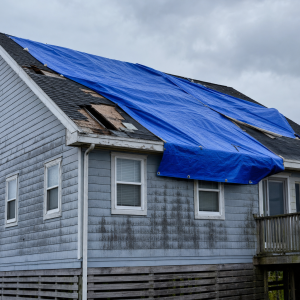
Think of mitigation as stabilization. That includes water extraction, structural drying, emergency board-up, tarping, smoke sealing, contents pack-out, and mold containment when secondary damage is starting. Restoration comes later, when the property is being returned to pre-loss condition. Reconstruction goes even further, because it involves rebuilding structural elements.
A mitigation invoice should show what stopped the damage from spreading, not a vague lump sum for “cleanup.” If the line item is for drying equipment, board-up labor, or temporary shoring, that's mitigation. If the line item is for new cabinetry, finish carpentry, or permanent rebuild work, that's a different phase entirely.

Carriers usually attack the border between reasonable emergency measures and permanent repairs. That's the line that gets underpaid claims cut down. If the contractor can't separate temporary protection from final repair, the insurer will try to classify more of the work as non-covered or deductible-heavy.
Bottom line: the mitigation scope should read like a loss-stoppage plan, not a remodel estimate.
A homeowner should be able to repeat the definition without sounding unsure. Mitigation is the emergency work that protects the property right now. Restoration and reconstruction come later. If your contractor or carrier won't keep those categories straight, expect a claim dispute.
Emergency Response Steps for Water, Fire, Wind, and Storm Damage
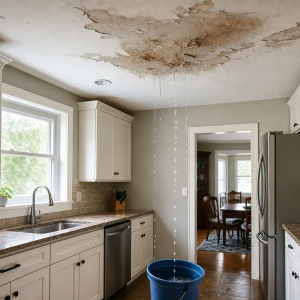
Water damage usually gets the fastest wrong response because people think drying is simple. It isn't. Proper extraction starts with stopping active intrusion, then removing standing water, then mapping wet materials so the crew knows what can dry in place and what has to come out.
Water damage needs control, not guesswork
The crew should document affected surfaces before demolition starts. That means pre-mitigation photos, moisture maps, and daily monitoring as conditions change. If contents are affected, the contractor should separate salvageable items from pieces that need pack-out or disposal, because once something disappears, the carrier may argue it was never necessary to remove.
For burst-pipe losses, homeowners often benefit from reviewing a focused claim guide like this burst-pipe water damage resource, especially when the insurer tries to minimize drying time or deny secondary damage.
Fire and smoke are a different fight. Soot travels where the flames didn't, and deodorization is not the same thing as superficial cleaning. Contents may need cleaning, sealing, or replacement depending on what the smoke did to porous materials and electronics.
A good fire mitigation team also boards up openings quickly so weather doesn't complicate the loss. That matters because once stormwater gets into a fire-damaged structure, the carrier gets another excuse to split responsibility between perils and slow the claim.
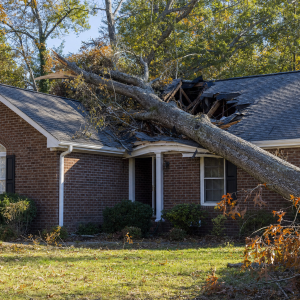
Wind and storm damage demand immediate exterior control. Tarping, window and door board-up, temporary shoring, and coordination around fallen trees all exist to stop the next round of damage. In hurricane and tornado events, documentation has to be especially tight because emergency work and disaster recovery can overlap fast when a large area is hit.
The most important document after the crew finishes is the completion certificate or final work summary. That paper tells the carrier what was stabilized, what was removed, and why the emergency work had to happen before permanent repair.
If the certificate is weak, the carrier will act like the job was just an overblown cleanup. If it's detailed, the claim file gets much harder to attack.
How Mitigation Coverage Works Inside Your Insurance Policy
The policy language matters more than the field crew's sales pitch. Dwelling coverage, other structures, contents, and loss of use all sit in one part of the claim, but emergency mitigation often gets treated through a separate clause or endorsement, and that's where carriers hide the fight.
Read the emergency measures language before work starts
Some Florida policies have a Reasonable Emergency Measures provision that sits apart from standard dwelling coverage. One published example capped payment at the greater of $3,000 or 1% of the home's insured value unless the insured asked for an increase first, and the insurer had 48 hours to approve or reject that request. If the carrier blows past that deadline, they can still be pushed to pay the reasonable emergency measures incurred. That's the kind of clause that decides whether the mitigation bill gets honored or chopped. Published discussion of the Florida emergency-measures provision
Carriers also like to depreciate mitigation equipment or strip overhead and profit from contractor estimates, even though the work was necessary to stop ongoing loss. They'll call mitigation a maintenance issue when they want to reduce payment. Policyholders should reject that framing immediately.
Before the crew starts, pull these sections from the policy:
- Dwelling coverage, because the structure itself still matters.
- Contents coverage, because damaged items can be packed out, cleaned, or inventoried.
- Loss of use, because temporary habitability problems create real consequences.
- Emergency measures or endorsement language, because the carrier may cap the response work.
For commercial properties, the same logic applies, just with a tighter focus on business interruption exposure and continuity of operations. The insurer wants to separate temporary protection from permanent repair, because that separation can reduce what they owe.
If there's a separate emergency-clause dispute brewing, the gas safety side of the property can matter too. A practical resource on CNG and LNG emergency protocol can help owners understand how shutdown and safety steps fit into a larger response plan without confusing them with claim paperwork.
Know the clause before anyone starts billing. Once mitigation begins, the policy language is already shaping the fight.
The Documentation and Evidence Checklist That Protects Your Claim
Documentation wins or loses the mitigation dispute. If the insurer can say the work wasn't necessary, wasn't priced right, or wasn't tied to the loss, they'll try to trim it. Your job is to build the file so that argument falls apart.
Collect the evidence in the right order
Start with timestamped pre-mitigation photos and video. Get wide shots, close-ups, and shots that show the relationship between damaged materials and untouched areas. Then create moisture maps and keep the psychrometric readings from drying equipment, because those readings show conditions were being controlled.
The contractor should deliver an itemized scope of work with line-by-line pricing, not a single blended number. Daily monitoring logs matter too, because they show the crew checked conditions instead of just dropping equipment and leaving. Written authorizations should be signed before work begins, and chain-of-custody records should follow any contents that were removed from the property.
Keep the file boring. Boring files win claims because they're organized, complete, and hard to attack.
A few mistakes can poison an otherwise valid claim. Don't sign an open-ended work authorization. Don't accept a verbal scope from the carrier. Don't let debris or contents get tossed before the adjuster documents what was there. Those moves make it easier for the insurer to argue unnecessary work, inflated pricing, or pre-existing damage.
The right checklist can even help with outside planning, because homeowners who are already dealing with debt, estate, or asset issues sometimes need to coordinate recovery with other advisers. A guide to NC exemptions and trusts is useful when recovery money, property interests, and claim timing all start colliding.
For a clean claim file, you also want the proof-of-loss paper trail lined up before the carrier starts asking for it. A proof-of-loss reference for policyholders fits into that same process.
The carrier's favorite defense is that the claim file doesn't support the bill. Don't hand them that defense on a silver platter.
How to Choose a Certified Mitigation Contractor in NC and VA
Not every contractor who shows up after a storm deserves your signature. The credentials that matter are the ones tied to actual loss control work, especially IICRC training for water damage, fire and smoke restoration, and applied structural drying. Flashy marketing badges don't pay claims.
Ask who's really writing the scope
A homeowner should ask four blunt questions before signing anything. Who wrote the estimate. Will you bill the insurer directly. What documentation will I get at the end. Are you willing to testify or provide a statement if the claim turns into a dispute.
If the contractor hesitates, that's the answer. The cheapest bid is often the one that leaves out the very documentation the carrier will demand later. Preferred-vendor networks can create a quiet conflict too, because the contractor may want to keep the insurer happy more than the policyholder protected.
In North Carolina and Virginia, storm-chasing outfits show up fast after major weather events. They promise speed, but speed without documentation is just a shortcut to an underpaid claim. Ask for local references, proof of insurance, and a clear explanation of who supervises the work on site.
Here's the standard I'd use:
- Training first: look for IICRC credentials tied to the damage type.
- Paperwork second: insist on line-item estimates and daily logs.
- Witness value: choose a contractor who can explain the scope to a carrier.
- No pressure: walk away from anyone who pushes an instant signature.

One option policyholders sometimes use is For The Public Adjusters, Inc., which handles claim documentation and negotiation alongside the mitigation record. That kind of support matters when the contractor, the carrier, and the homeowner all need the same facts to line up.
Why a Public Adjuster Changes the Outcome of a Mitigation Claim
Mitigation is where a claim gets won or lost because the evidence is freshest and the carrier's position isn't locked in yet. A public adjuster changes the outcome by treating that early work like claim evidence, not just vendor service.
The conflict starts the moment the carrier controls the conversation
The same insurer that benefits from a limited scope often sends the adjuster who decides what gets paid. That's a structural conflict, and policyholders feel it when reasonable emergency work gets labeled excessive or when code-related items get pushed aside. A public adjuster steps in for the policyholder, not the carrier, and forces the conversation back to the actual loss.
What a public adjuster does in a property claim matters most during mitigation because that's when line-item estimates, photos, and written authorizations need to be clean. For The Public Adjusters, Inc. coordinates scope review, pushes for better documentation, and challenges the depreciation and overhead arguments that carriers love to use on emergency work.
Claim rule: if the mitigation paperwork is sloppy, the settlement usually gets sloppy too.
A representative success story is straightforward. A policyholder had mitigation and code-related items initially excluded, then the claim was reopened with tighter documentation and a stronger presentation, and the carrier had to revisit the denial. That's the difference a public adjuster makes when the emergency work is already done but the claim file still needs to be built.
Here's the practical comparison:
| Factor | Insurance Company Adjuster | Public Adjuster (For The Public Adjusters, Inc.) |
|---|---|---|
| Main duty | Protect carrier interests | Protect policyholder interests |
| View of mitigation | Cost to control | Loss to document and recover |
| Estimate focus | Often narrow and defensive | Line-item and evidence driven |
| Documentation | Requests what supports carrier review | Builds the record to support the claim |
| Dispute posture | Limits payment exposure | Pushes for covered emergency measures and full valuation |
A public adjuster won't help if there's no covered loss or if the policy clearly excludes the damage. But when the fight is about scope, documentation, or emergency measures, that's exactly where the advantage lies.
Your Next Move After a Loss in North Carolina or Virginia
Your first 24 hours should be about stopping damage and protecting proof. Shut down the source if you can, take photos before anything moves, and demand a written scope before the contractor starts adding equipment or pulling materials. Don't let anyone rush you into a blank authorization.
By day two through four, gather every photo, moisture reading, estimate, and text message connected to the loss. Get the mitigation completion certificate, keep contents records, and separate emergency work from permanent repair in your own file. That's the difference between a claim package and a pile of invoices.
Bring in a public adjuster as soon as the scope starts getting fuzzy or the carrier starts talking about “coverage limits” without showing you the policy language. That's usually the point where the dispute begins, even if nobody wants to say it out loud.
For The Public Adjusters, Inc. offers no-cost claim reviews, IICRC-trained support, and full representation through settlement for homeowners and businesses dealing with water, fire, wind, and storm losses. Have your water damage claim questions answered at NO COST. Call 919-400-6440 to speak with a licensed Public Insurance Adjuster or Contact Us here with questions. WE Work For YOU… NOT Your Insurance Company!
If your mitigation invoice is already being challenged, get help before the carrier hardens its position. For The Public Adjusters, Inc. reviews emergency mitigation claims, documents the loss properly, and pushes back when insurers try to underpay the work that protected your property. Visit For The Public Adjusters, Inc. and get the claim help you need before the dispute gets worse.