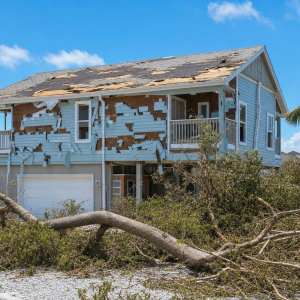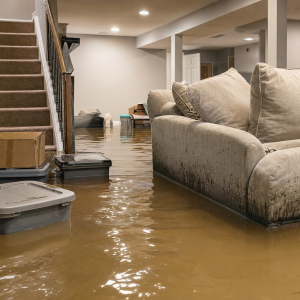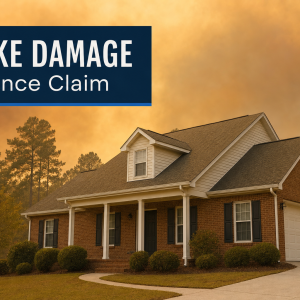

Rain is coming through the ceiling, the drywall is stained, the insulation is soaked, and your insurance company is already looking for a way to call it anything other than a covered loss. That’s where most homeowners get blindsided. They assume storm rain inside the house equals coverage. The carrier starts talking about wear and tear, old shingles, deferred maintenance, seepage, or flood. Suddenly a claim that felt obvious turns into a fight.
So, does homeowners insurance cover water damage from rain? Sometimes. If rain enters because a covered event damaged the home’s exterior, coverage may apply. If the insurer can tie that water entry to deterioration, poor upkeep, or excluded flooding, they’ll try to deny or shrink the claim. That gray area is where homeowners lose money every day.
This is one of the most disputed property claims I see. Water damage is the second most common cause of homeowners insurance claims, accounting for nearly 28% of all home insurance claims as of 2022 according to Guardian Service’s water damage claim statistics. The issue isn’t whether water damage happens. It’s whether your insurance company will treat your loss fairly once it does.
Table of Contents
- The ‘Sudden and Accidental’ Trap Insurers Use to Deny Claims
- Rain Damage vs Flood Damage A Critical Distinction Insurers Exploit
- How Policy Fine Print and Sub-Limits Lead to Low-Ball Offers
- Common Tactics Insurers Use to Deny or Underpay Rain Damage Claims
- Your Battle Plan to Dispute an Unfair Claim Decision
- Why You Need a Public Adjuster to Fight a Rain Damage Claim
- Take Control of Your Claim and Get the Settlement You Deserve
The ‘Sudden and Accidental’ Trap Insurers Use to Deny Claims
Most homeowners hear one rule over and over: insurance covers sudden and accidental water damage. That sounds simple until the claim adjuster shows up. Then the carrier starts treating those words like a weapon.

What the policy says and what the carrier does
Homeowners insurance may cover rain damage when the water got in because of a sudden, unexpected event tied to a covered peril. The problem is that carriers often recast the same facts as a maintenance issue instead. As noted in Allstate’s overview of water damage coverage, homeowners are often told they’re covered for rain damage until the insurer argues the loss came from gradual conditions or maintenance problems. That ambiguity usually favors the insurer unless the homeowner has strong independent documentation.
That’s the trap. The policy language sounds broad enough to help you. The claim investigation gets narrowed until it helps the carrier.
Practical rule: If the insurance company can connect the leak to age, wear, rot, or prior weakness, they’ll try to move the claim from “covered storm damage” to “excluded deterioration.”
A roof doesn’t have to be falling apart for this to happen. A few brittle shingles, old flashing, or a prior patch can become the excuse. The carrier’s adjuster points to that condition and says the rain didn’t cause the opening. It only exposed a problem that was already there.
How the denial gets built
The denial usually comes together in stages:
- They inspect after the water has spread: By then the carrier focuses less on how the opening formed and more on what the roof looks like now.
- They use vague labels: “Wear and tear,” “long-term seepage,” and “poor maintenance” get inserted into reports because those phrases support exclusions.
- They shift the burden to you: You’re expected to prove the home was sound before the storm, even though most homeowners don’t keep a claim-ready file of roof photos and maintenance records.
If you’re dealing with an active leak or trying to reduce further damage while preserving evidence, this guide on what to do about home leaks is a useful practical resource. The key is to protect the property without erasing the evidence the carrier will later question.
Here’s my opinion after seeing these disputes for years. The phrase does homeowners insurance cover water damage from rain is the wrong first question. The better question is this: can you prove the rain entered because of a covered event before the insurance company pins it on age or neglect?
If you can’t, the insurer has room to deny. If you can, the fight changes.
Rain Damage vs Flood Damage A Critical Distinction Insurers Exploit
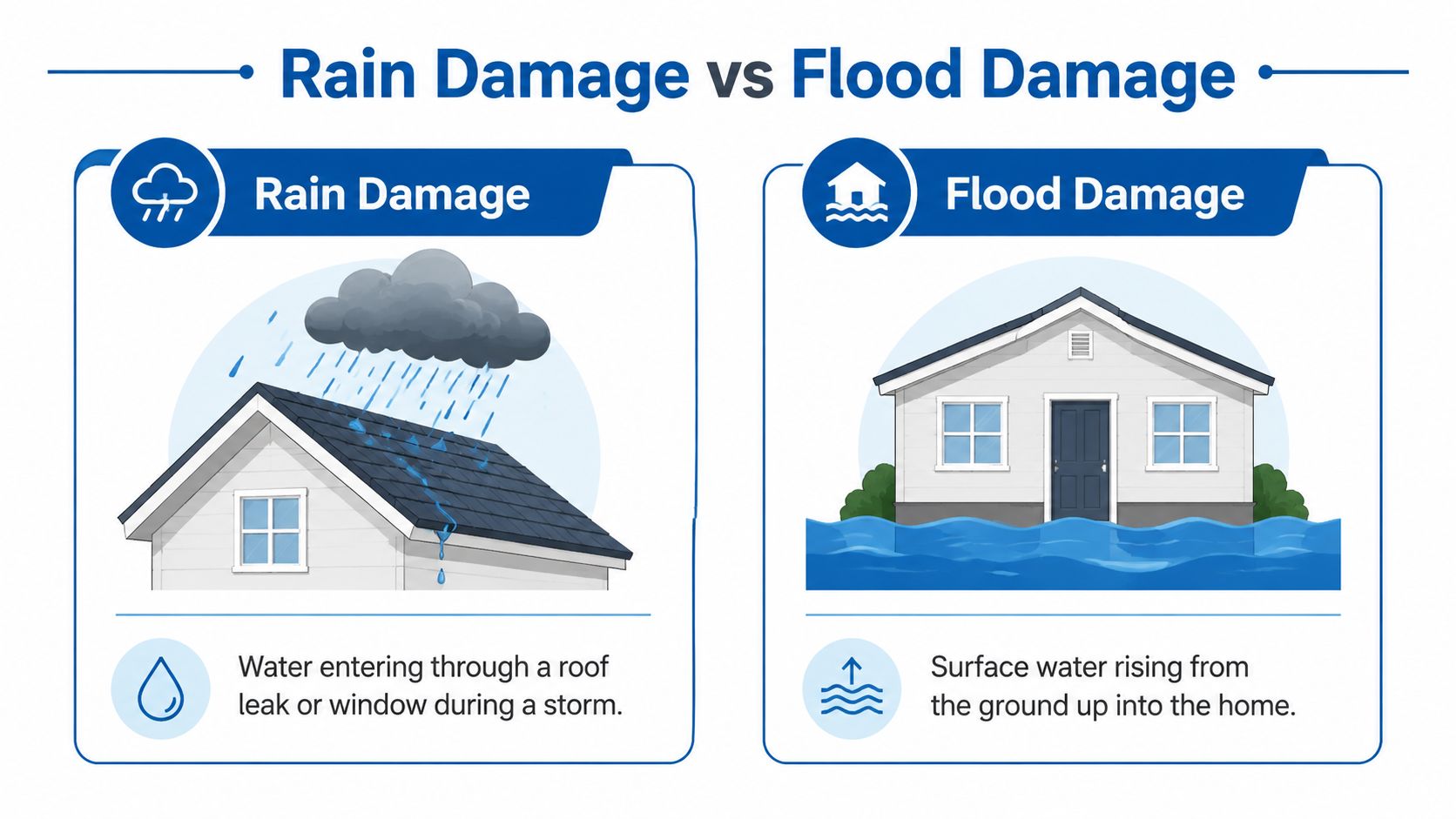
A storm hits at 2 a.m. Water stains the ceiling, carpet is soaked, and the adjuster shows up acting like the answer is obvious. It isn’t. The entire claim can turn on one question. Did the water come from above through a covered opening, or did it rise from outside as excluded surface water?
The source of the water decides the fight
Carriers use this distinction because it gives them room to shrink or deny a claim. Standard homeowners insurance usually covers rain that enters through a storm-created opening, such as wind-damaged shingles, broken flashing, or a shattered window. Standard homeowners insurance usually does not cover flood water, surface water, or water that rises from the ground and pushes in through the foundation, slab, doors, or lower walls.
That sounds simple on paper. In the field, insurers blur it on purpose.
After a major storm, both things can happen at once. Wind peels back roofing. Rain pours in. Ground water also builds around the house. The carrier will often grab the excluded water source and treat the whole loss like a flood claim, even when interior damage clearly started with rain entering from above. That tactic works when the homeowner cannot prove the sequence.
Here is the practical rule. You need to document where the water entered, what caused that opening, and when each part of the damage happened.
Rainwater damage coverage scenarios
| Scenario | Likely Covered by Homeowners Insurance? | Why It’s Disputed |
|---|---|---|
| Wind damages shingles and rain enters through the new opening | Often yes | Carrier may argue the roof was already worn out |
| A tree branch breaks a window and rain soaks interior finishes | Often yes | Carrier may dispute whether the branch impact or prior condition caused the opening |
| Heavy rain pools outside and enters at the foundation | Usually no under standard homeowners | Insurer classifies it as surface water or flood |
| Rising storm water enters through doors or lower walls | Usually no under standard homeowners | Carrier points to the flood exclusion |
| Rain enters through an old roof with no clear storm-created opening | Frequently disputed | Carrier blames deterioration or maintenance |
The insurer wants one muddy story. You need a clean timeline.
Sloppy language hurts homeowners. If you tell the carrier, “the house flooded,” you may have just handed them the exclusion they wanted. If the sequence was wind damage first, rain entry second, and interior damage immediately after, say that plainly and back it up with photos, videos, weather reports, contractor findings, and moisture mapping.
Coastal and storm-prone areas in North Carolina and Virginia see this fight all the time. If your insurer is trying to force a rain loss into the flood category, read this guide on flood insurance claim disputes and coverage issues. It helps you separate a true flood claim from a carrier’s attempt to re-label covered rain damage.
Prevention still matters because basement seepage and drainage failures create easy denial arguments. For practical upkeep steps before the next storm, review this resource on expert water damage prevention.
Be precise. Rain through a storm-created opening is one claim. Water rising from outside is another. If the carrier mixes them together, challenge it immediately and force them to address the actual entry point and the actual sequence of loss.
How Policy Fine Print and Sub-Limits Lead to Low-Ball Offers
Homeowners often find themselves caught off guard in these situations. Although the insurance provider may confirm the claim is covered, they might later provide an estimate that fails to account for half the actual cost of restoring the property.
That is not a mistake. It is a claims tactic.
The insurer knows many policyholders stop fighting once they see the word “approved.” That is exactly when the underpayment starts. The adjuster shifts from denying the loss to shrinking it through depreciation, category caps, and narrow readings of the policy language.
Coverage A and Coverage C are separate money fights
Rain losses are often split between Coverage A for the dwelling and Coverage C for personal property. Insurers use that split to pay each part by different rules. As noted in Progressive’s guidance on water damage, carriers may apply age-based depreciation to older building components and may also cap certain categories of personal property or mold-related costs.
That matters because the same storm can damage your roof, insulation, drywall, flooring, furniture, electronics, and soft goods. The carrier may admit the rain came in through a covered opening, then cut the roof payment because of age, trim the interior repair scope, and limit contents recovery under sub-limits buried in the policy.
Homeowners often focus on the cause of loss. They should also focus on valuation. A covered claim with the wrong valuation is still a bad claim outcome.
Where low-ball offers come from
The fine print gives carriers several ways to cut a rain claim without issuing a full denial:
- Roof depreciation: The insurer accepts roof damage but values it as an older asset instead of pricing what it costs to replace the damaged system.
- Partial interior estimates: They pay for visible staining and leave out wet insulation, detach and reset work, texture matching, paint blending, trim, cabinetry, or flooring transitions.
- Contents sub-limits: They acknowledge damaged personal property, then apply category caps that slash payment for electronics, collections, business property, or specialty items.
- Mold limitations: They approve some remediation, then stop at the mold cap even though tear-out, drying, cleaning, and reconstruction continue well beyond that amount.
“Covered” is not the finish line. It often means the carrier found a cleaner way to underpay.
I have seen plenty of rain claims where the first estimate looked polished and professional. The missing money was buried in the omissions. No insulation line item. No moisture check behind baseboards. No allowance for removing and reinstalling cabinetry. No code-related upgrades. No replacement of materials that cannot be matched.
That is how carriers weaponize ambiguity. They use “sudden and accidental” to get past the coverage question, then use fine print and sub-limits to gut the value of the claim.
Read the estimate line by line. Then inspect the house the same way. Room by room. Surface by surface. If rain entered through the roof and traveled down a wall cavity, the loss may include hidden moisture, damaged insulation, swollen trim, compromised flooring, affected electrical components, and contaminated contents. If the insurer only wrote for a ceiling patch and paint, the estimate is not serious.
Ask harder questions. What limit applies? What sub-limit applies? Is the carrier paying actual cash value first? What depreciation was withheld? What line items were omitted? What damage was excluded as “non-visible” without invasive inspection?
Those answers decide whether you get enough money to repair the property or get stuck paying the gap yourself.
Common Tactics Insurers Use to Deny or Underpay Rain Damage Claims
The carrier’s claim strategy becomes obvious in this context. They don’t need to deny every rain damage claim outright. Sometimes they delay it, shrink it, or box it into a narrow scope that saves them money.
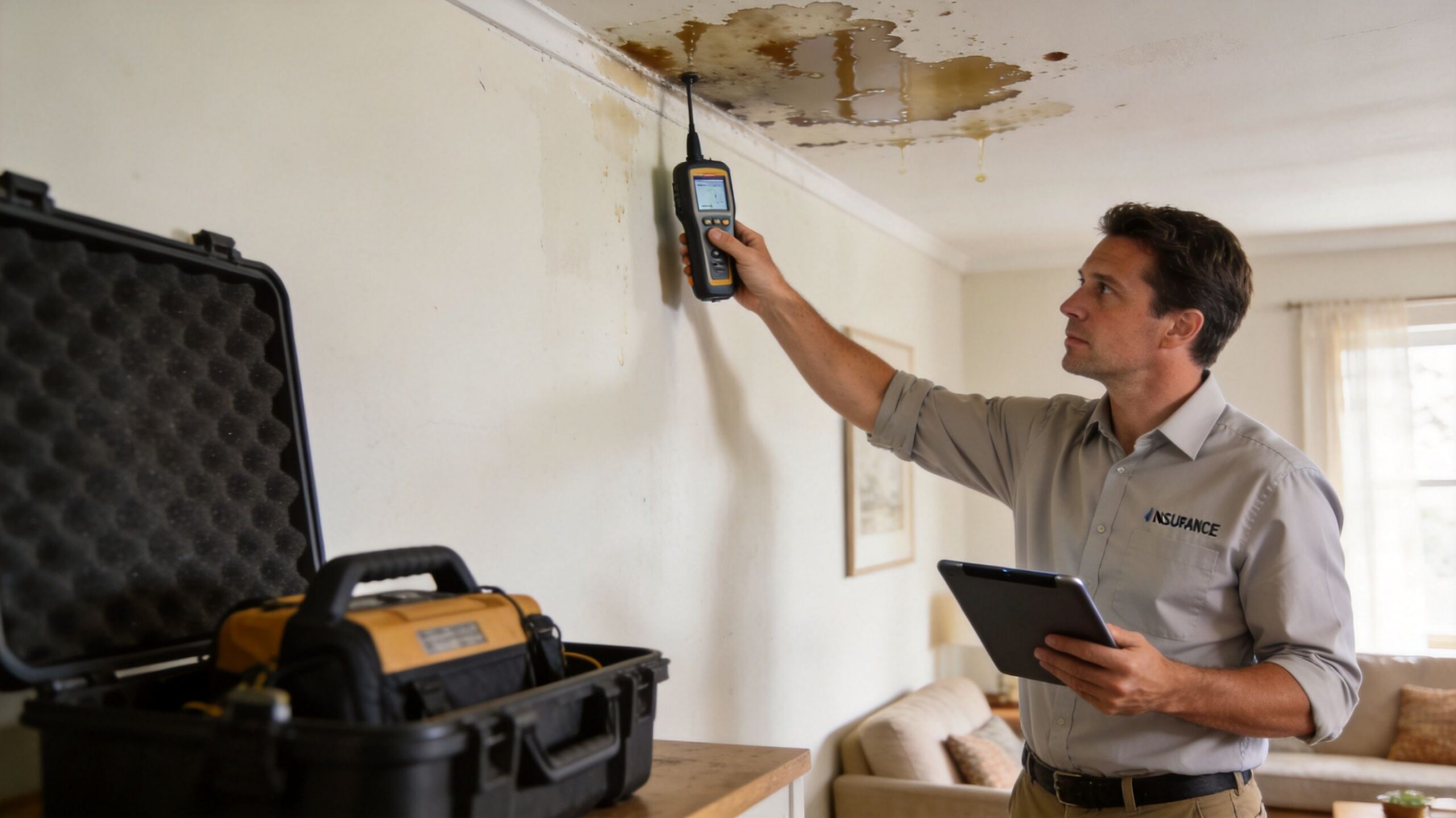
The carrier playbook
One of the most common tactics is causation shifting. As explained in Policygenius’ discussion of rain-related water damage claims, carriers often move the cause of loss away from a covered peril like wind and onto the homeowner’s alleged negligence. They require the policyholder to prove the home’s protective shell was in good condition before the event. Without pre-loss inspections or maintenance records, denials often follow.
That framework gives insurers several ways to squeeze a claim:
- Blame the roof’s age: The storm becomes secondary. The roof’s condition becomes the story.
- Demand records you don’t have: Receipts, contractor reports, prior photos, and maintenance logs get treated like prerequisites.
- Use “preferred” experts: Engineers or vendors working in the insurer’s ecosystem often produce reports that support narrower conclusions.
- Slow the process down: Delay creates pressure. Homeowners dealing with active damage, temporary housing issues, or contractor demands are easier to wear down.
- Offer a partial payment fast: A small early payment can make the claim look resolved when it’s nowhere near fully scoped.
State Farm, Allstate, and other major carriers don’t make money by stretching to pay the broadest reading of your loss. They protect their own numbers first. Homeowners need to understand that before they walk into a “friendly” inspection.
What a real dispute usually looks like
A typical rain claim dispute starts with visible interior damage and an insurer inspection that focuses on signs of age outside. The report then says the roof showed deterioration, no clear storm-created opening was found, and any interior water damage resulted from long-term condition issues. The claim gets denied or reduced to a token interior payment.
That doesn’t mean the carrier is right. It means they got their version of causation into the file first.
What changes the outcome is independent evidence. A qualified roofer, engineer, or estimator may identify displaced materials, compromised flashing, impact points, uplift, or fresh openings that the insurer minimized or ignored. Moisture mapping can also help tie the water path to a specific storm-created failure rather than a vague long-term issue.
If the insurer controls the inspection, the language in the report, and the repair scope, they control the value of the claim unless you challenge all three.
I won’t invent some neat courtroom story or made-up six-figure turnaround. What I can tell you is this: rain damage disputes are routinely won or lost on documentation quality, expert credibility, and who frames causation first. Homeowners who accept the carrier’s first theory usually get burned. Homeowners who build a competing record have a real chance to overturn a denial or force a better payment.
Your Battle Plan to Dispute an Unfair Claim Decision
You don’t beat a bad rain damage decision with outrage alone. You beat it with evidence, organization, and pressure. The insurer is betting you’ll get overwhelmed, trust their estimate, or give up.
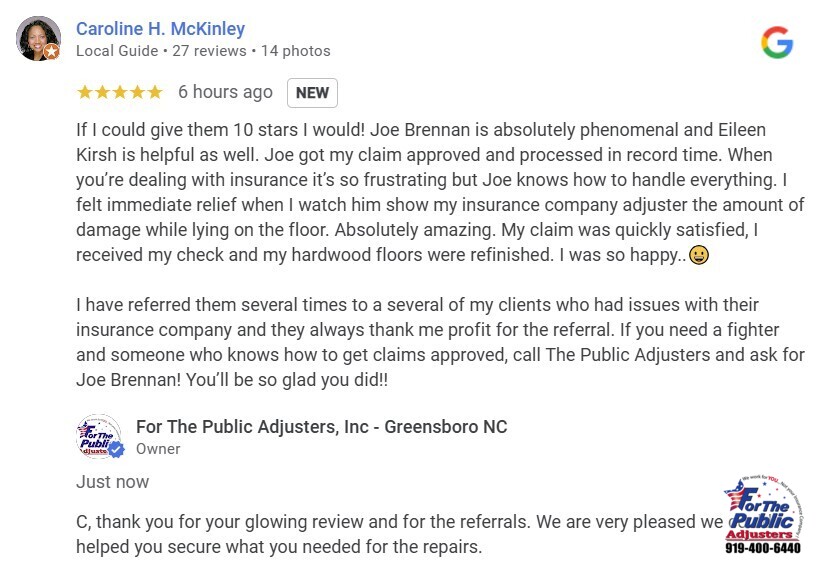
That review matters because homeowners in these disputes often feel isolated. They think they’re the only ones getting stonewalled. They’re not.
Start building your evidence file immediately
Do this before the carrier hardens its position.
-
Photograph the entry area first
Get wide shots and close-ups of the roof area, ceiling stains, wall damage, wet flooring, damaged contents, and any debris or exterior damage connected to the storm. -
Record video with narration
Walk room to room and say what you’re seeing out loud. Mention the date, the location, when you first noticed the damage, and how the water appears to have traveled. -
Protect the property without destroying proof
Tarping, water extraction, and emergency dry-out may be necessary. Keep every invoice and take photos before materials are removed where possible. -
Create a communication log
Track every call, email, inspection, voicemail, and promise. Include names, dates, and what was said. Insurance companies change positions. Your notes help pin them down.
Field advice: The moment you suspect the carrier is framing the loss as maintenance or gradual seepage, stop relying on phone calls. Use email so the record exists.
If you need a practical walkthrough of how to challenge a claim decision and structure your pushback, this guide on how to dispute a denied or underpaid insurance claim is a solid next step.
Push back with your own scope not theirs
A weak dispute usually says, “I disagree.” A strong dispute says, “Your causation finding is wrong, your estimate is incomplete, and here’s the evidence.”
Use this approach:
- Get an independent contractor estimate: Not from the insurer’s preferred vendor. You need someone who works for you, not for future assignments from the carrier.
- Ask for itemization: Roof components, drywall, insulation, paint, flooring, trim, cabinetry, moisture-related tear-out, and contents handling should be broken out clearly.
- Challenge missing line items: If the insurer omitted work that’s required to restore the property, call it out specifically.
- Tie every damaged area to the same event where supported: Disconnected damage lists are easier for carriers to dismiss than a clear cause-and-effect chain.
- Request the basis for denial or reduction in writing: Vague verbal explanations help the carrier, not you.
This short video gives a useful visual on how claim disputes often unfold and why documentation matters.
If the insurer keeps leaning on “wear and tear,” ask them to identify exactly what condition they say predated the storm, exactly where it was documented, and exactly how that condition caused the interior water path. Force specifics. Vague accusations are easy. Defensible analysis is harder.
Why You Need a Public Adjuster to Fight a Rain Damage Claim
Rain damage claims are not neutral investigations. They are financial negotiations dressed up as inspections. The insurance company knows the policy language, controls the initial adjustment, and has every incentive to narrow coverage and shave the estimate.
The insurer’s adjuster is not your advocate
This is the conflict homeowners miss. The field adjuster, desk adjuster, engineer, and preferred vendor may all look like part of a normal process. They are still inside the insurer’s system.
The financial stakes are obvious. Water damage claims cost U.S. insurers about $13 billion annually, the average payout for water damage or freezing claims was $12,514 between 2017 and 2021, and homeowners who file a water damage claim can expect an average premium increase of about $180, according to ConsumerAffairs’ water damage claim statistics. With that kind of money at stake, carriers are highly motivated to minimize payouts.
That motivation shows up in every disputed rain loss. Narrow causation. Reduced scope. Depreciation arguments. Delay.
What professional representation changes
A public adjuster works for the policyholder, not the insurer. That changes the claim dynamic fast.
A good public adjuster does the following:
-
Reads the policy for coverage angles and restrictions
Not just the declarations page. The operative endorsements, exclusions, valuation terms, and conditions matter. -
Builds the loss file
Photos, moisture evidence, repair scopes, contractor input, and contents documentation are assembled into a coherent claim presentation. -
Challenges the carrier’s estimate and causation theory
If the insurer says deterioration caused the leak, that position gets tested against actual observations and expert support. -
Handles the negotiation directly
Homeowners don’t have to keep getting boxed in by adjusters trained to control payout.
If you want a clearer picture of the role, this explanation of what a public adjuster does during a property claim lays it out well.
One practical option for homeowners in North Carolina and Virginia is For The Public Adjusters, Inc., a licensed public adjusting firm that represents policyholders in property damage claims and helps assess, document, and negotiate losses. The key point isn’t the company name. It’s the function. You need someone on your side who understands property damage, policy language, and insurer tactics.
If you try to fight a disputed rain loss alone, you’re arguing causation and valuation against people who do that every day for a living. That’s not a fair fight. Professional representation levels it.
Take Control of Your Claim and Get the Settlement You Deserve
Rain damage claims go bad when homeowners assume the policy will speak for itself. It won’t. Insurance companies use ambiguity around sudden damage, maintenance, and flood exclusions to deny valid claims or cut them down to size. If your home took on rain through a storm-related opening, don’t let the carrier rewrite the story into wear and tear without a fight.
Be precise. Document the source, the opening, the timing, and the full extent of the damage. Challenge incomplete estimates. Get outside opinions. Push for written explanations when the insurer starts hedging.
If you want another example of how contractors frame roof-related insurance disputes and support documentation, this page on Arizona Roofers insurance claims support offers a useful outside perspective.
You do not have to accept a denial, a delay, or a low-ball offer as the last word. The policy is a contract. The insurer’s opinion about your loss is not the final authority.
If your rain damage claim has been denied, delayed, or underpaid, contact For The Public Adjusters, Inc. for a no-cost claim review. A licensed public adjuster can review the policy, evaluate the carrier’s position, document the full scope of damage, and help you fight for the settlement you are owed.