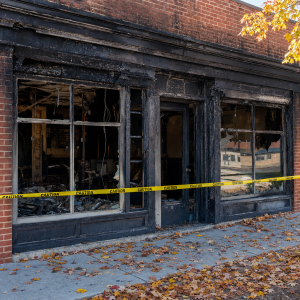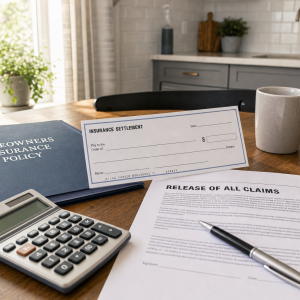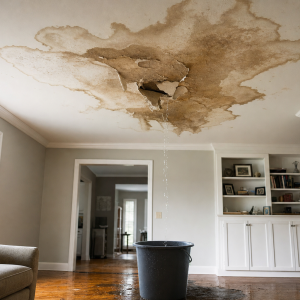

You are justified for pushing back on your State Farm Homeowners Claim Dispute. You opened a claim because your house took a hit. Water came through the ceiling. Wind tore up the roof. Fire left smoke, soot, and hidden damage behind the walls. Then State Farm sent an adjuster, acted polite, and delivered a number that doesn’t come close to putting your home back together.
That’s where most homeowners freeze. They assume the adjuster’s estimate must be close. It usually isn’t. In a state farm homeowners claim dispute, the first offer often functions as a test. Will you accept it, argue emotionally, or build a case they can’t brush aside?
If you’re reading this after a low offer, a delay, or a denial, your claim is no longer a routine file. It’s a dispute. You need a strategy, not another customer service call.
Table of Contents
- Your ‘Good Neighbor’ Just Lowballed Your Claim Now What
- Deconstructing State Farm’s Playbook of Denial and Delay
- Building Your Fortress of Evidence to Crush Their Low Offer
- Executing the Formal Dispute Your Demand Letter and the Appraisal Clause
- Escalating the Fight Beyond State Farm’s Walls
- Hiring a Public Adjuster The Ultimate Power Move
- Conclusion Take Control and Secure Your Recovery
Your ‘Good Neighbor’ Just Lowballed Your Claim Now What
You got the estimate. You stared at it. Then you realized it won’t cover the actual repair cost, let alone the hidden damage their adjuster rushed past.
That reaction is justified.
State Farm likes the “good neighbor” image because it softens the moment when they underpay you. A friendly adjuster, a calm voice on the phone, and a thin estimate can still wreck your recovery. If the payout won’t return your property to pre-loss condition under the policy, the tone doesn’t matter.
A lot of homeowners get trapped right here. They start arguing over the phone, sending frustrated emails, or waiting for State Farm to “take another look.” That usually goes nowhere. You don’t win this dispute by sounding upset. You win it by turning your claim into a documented, organized challenge to their numbers, their scope, and their interpretation of the policy.
Water claims are a perfect example. State Farm may try to narrow the damage to a small visible area while ignoring migration, trapped moisture, or material matching issues. If you need a quick refresher on the coverage issues that often drive these fights, this breakdown of understanding what your homeowners insurance policy covers for water damage is worth reviewing before you push back.
You are not asking for a favor. You are demanding performance under a contract.
Treat the first low offer for what it is. Not the final word. Just their opening position. Your job now is to stop acting like a claimant waiting for mercy and start acting like the policyholder who intends to prove the file is wrong.
Deconstructing State Farm’s Playbook of Denial and Delay

You report the loss, answer the questions, send the photos, and wait for the estimate. Then the conflict begins. The scope is too small, the payment is too light, and every follow-up somehow creates one more reason they need more time.
That pattern is not random. It is the claims version of deny, delay, defend. State Farm does not need an outright denial to beat you. A stalled file, a narrowed scope, and a tired policyholder can produce the same result for them at a lower cost.
The brand sells comfort. The claim file runs on pressure.
Many homeowners blame one adjuster. That is too small a view. The bigger problem is the system surrounding the adjuster, including how the file is handled, how damage is categorized, and how long the company can keep you reacting instead of pressing.
In June 2025, the California Department of Insurance opened a formal Market Conduct Examination into State Farm after a significant volume of complaints from wildfire survivors alleging delays, denied payments, and poor documentation handling, according to this report on the California examination and wildfire claim complaints.
State Farm has also faced allegations over how claims were flagged for scrutiny. According to a law firm’s summary of a proposed class action based on a YouGov survey, white homeowners were reported as more likely to have claims handled faster, while Black policyholders were reported as more likely to face added paperwork demands, as described in the State Farm algorithm bias lawsuit summary.
Take the message seriously. If your file keeps hitting friction points, stop treating each problem like a coincidence.
What their stall strategy looks like in the field
The first move is usually scope control. They pay for what is obvious and visible, then sidestep what is behind the wall, under the flooring, above the ceiling, or required to complete the repair correctly.
The second move is documentation fatigue. You send records. They ask for the same records again, ask in a different format, or request new items that do not change the core issue. The goal is simple. Slow the file down and increase the chance that you give up on part of the claim.
Then comes adjuster drift. The file gets reassigned. A new person appears. You start over. Your timeline stretches, their accountability gets blurry, and verbal statements disappear into the air.
Watch for these pressure tactics:
- Narrowed scope: They omit connected damage, matching issues, access work, code-related items, or full replacement steps.
- Soft pricing: Labor, materials, drying, paint, detach-and-reset work, and finish items get trimmed.
- Document loops: They keep requesting photos, receipts, or statements you already sent.
- Reassignment resets: A new adjuster acts like the prior conversations never happened.
- Phone-first handling: They prefer verbal conversations because verbal conversations leave less evidence.
Here is the rule. If State Farm says it, get it in writing. If they refuse, send an email memorializing the call and force them to correct the record.
Policy language beats adjuster opinion every time
A lot of policyholders know the estimate is wrong but cannot identify where to attack it. That is why learning how to read a homeowners insurance policy matters. You need to locate the loss settlement terms, exclusions, endorsements, duties after loss, and any appraisal clause. That is where the real fight lives.
The adjuster’s opinion does not control coverage. The estimate does not rewrite the contract. Their phrase, “that’s all we can allow,” means nothing until they tie it to actual policy language.
Force precision. If they cut an item, ask whether they are disputing causation, scope, necessity, pricing, or coverage. Do not let them hide behind vague language. Vague files favor insurers. Specific records favor policyholders.
For more examples of how these disputes typically develop, review this guide on State Farm insurance claim disputes.
Your job in this stage is not to argue harder. Your job is to pin them down, line by line, until every omission and every excuse has a written target attached to it.
Building Your Fortress of Evidence to Crush Their Low Offer

State Farm sends an estimate that looks official, tidy, and final. It misses half the damage, prices the rest too low, and leaves you holding the gap. That is not the end of the claim. That is the moment you start building the file that beats theirs.
A weak file gets ignored. A disciplined file forces movement.
State Farm counts on homeowners submitting scattered photos, vague contractor opinions, and receipts stuffed into one email thread. That kind of file is easy to underpay. Your job is to build a record that pins down scope, causation, repair cost, and timeline so tightly that every omission becomes obvious.
Hunt for the damage they hope stays undocumented
Low offers often come from narrow scoping. They write for what is visible from a quick walk-through and leave out what takes time, tools, or trade knowledge to find.
Go past the obvious. Check for moisture behind baseboards, under flooring, inside cabinets, and above ceilings. Look for soft subfloors, swollen trim, shifted framing, and damaged insulation. On roof losses, document the full system, not just the shingles. Underlayment, flashing, vents, ridge materials, decking, and interior water entry all matter.
If the roof is part of the dispute, study a real inspection standard before you accept a light carrier report. The Guide to Your Roof Inspection Report for Insurance Claims shows what a serious report should cover and where weak inspections fall apart.
Matching also belongs in your file. If one repair leaves the home patched together with obvious color or material differences, document that clearly. Carriers love to treat matching as cosmetic. Homeowners pay the price when the finished job looks chopped up and incomplete.
Build the file like it may be read by an appraiser, regulator, or judge
Organization changes outcomes.
Create one master claim folder, then break it into subfolders by room, building area, or claim category. Use clear labels with dates. Kitchen ceiling leak. Guest bath moisture mapping. Roof south slope. Contents inventory. Temporary repairs. You want anyone reviewing the file to understand the loss without guessing.
Keep a communication log in the same folder. Include the date, time, name, title, contact information, what was discussed, what was requested, and what deadline was given. If State Farm changes its story later, your log becomes evidence, not opinion.
The policyholder with the cleanest paper trail usually has the stronger negotiating position.
What belongs in a serious evidence package
Your package should answer four questions. What was damaged? How bad is it? What does proper repair require? What will that repair cost?
Include:
-
Room-by-room photos and video
Take wide shots, mid-range shots, and close-ups. Repeat the same sequence for every affected area. Narrated video walkthroughs help tie the damage to a specific room and condition. -
A written scope of loss
Spell out what was affected, what must be removed, what can be cleaned, what requires replacement, and why. Generic descriptions hurt you. -
Detailed contractor or estimator reports
One-line bids are almost useless in a dispute. Get line-item estimates with quantities, material specifications, labor categories, and notes explaining access, detach-reset work, code issues, and finish requirements. -
Expert reports for contested damage
Bring in the right expert when State Farm questions cause, extent, or repair method. Roofing specialists, engineers, mitigation companies, and moisture investigators can shut down lazy file handling. -
Contents documentation
List damaged personal property with descriptions, age if known, purchase records if available, and replacement support. -
Mitigation records
Save invoices and receipts for tarping, drying, board-up, debris removal, pack-out, and emergency services. -
A claim timeline
Show the date of loss, date reported, inspections, document submissions, estimate dates, supplemental requests, and every period of carrier delay.
If valuation is the primary dispute, learn how the process works before State Farm turns it into a procedural trap. This guide on how an insurance appraiser handles disputed property damage values will help you understand what a strong valuation file needs.
Do not let their vendor own the story of your loss
State Farm’s preferred contractor or field adjuster may sound confident. Confidence is not proof. If their estimate skips detach and reset, ignores moisture spread, leaves out overhead and profit, or prices repairs below real market conditions, attack those defects with better documentation.
Put competing scopes side by side. Mark the missing line items. Highlight quantity differences. Identify unsupported pricing. Tie every dispute point to photos, measurements, reports, and invoices. Make the gap visible.
Some homeowners bring in a licensed public adjuster at this stage because the claim has already turned technical and adversarial. One example is For The Public Adjusters, Inc., which represents policyholders in property damage disputes and prepares inspection, documentation, and negotiation files.
Do not send State Farm a pile of documents and hope they figure it out. Send a controlled record that corners them. That is how you turn a lowball estimate into a dispute they cannot brush aside.
Executing the Formal Dispute Your Demand Letter and the Appraisal Clause

Once your file is built, stop sending emotional emails. Send a formal dispute.
A proper demand letter changes the posture of the claim. It tells State Farm you know the file is deficient, you can prove it, and you expect a written response to specific issues.
What a real demand letter needs to say
Your demand letter should be calm, hard-edged, and organized. Not dramatic. Not rambling.
Include these elements:
- Claim identifiers: Policy number, claim number, property address, date of loss.
- A concise dispute statement: Say you dispute the estimate, coverage position, delay, denial, or some combination.
- The exact problems: Missing rooms, incomplete scope, improper pricing, ignored expert findings, misapplied deductible, failure to account for code or necessary repairs.
- Policy references: Cite the relevant coverage or loss settlement language from your policy.
- Evidence attachments: Reference your estimates, reports, photos, logs, and inventories.
- A specific demand: State what you want them to do. Reinspect. Issue supplemental payment. Confirm coverage. Explain the denial in writing.
- A deadline: Give a firm date for response.
A weak letter says, “I disagree with your estimate.”
A strong letter says, “Your estimate omits documented damage in the kitchen ceiling cavity, adjacent insulation, and flooring transition areas shown in the enclosed photos, mitigation records, and contractor estimate.”
Hard truth: State Farm is more likely to respect a disciplined written challenge than a dozen angry calls.
If you need help understanding the role of the neutral valuation process, review this explanation of an insurance appraiser and how appraisal works.
When the appraisal clause is the right weapon
Many homeowners policies contain an appraisal clause. This can be one of the most effective tools in a state farm homeowners claim dispute when the fight is about the amount of loss.
Appraisal is not the same as a lawsuit. It is typically a process where each side selects an appraiser, and the appraisers work with an umpire if needed to determine value. It can move the dispute out of the hands of the desk adjuster who keeps repeating the same low number.
Use appraisal when:
- State Farm accepts that covered damage exists but disputes the price or scope
- The carrier’s estimate is consistently low even after supplements
- The file has enough documentation to support a higher valuation
- You want a focused path on amount rather than a broader legal fight
Appraisal is usually not the right first move when State Farm is denying causation altogether, raising fraud concerns, or relying on exclusions. In those cases, coverage counsel may need to get involved.
Here’s the practical comparison.
| Factor | Appraisal Clause | Lawsuit |
|---|---|---|
| Main purpose | Resolve disputes over the amount of loss | Resolve broader disputes, including bad faith and coverage issues |
| Speed | Often more streamlined than court | Usually slower and more procedural |
| Focus | Valuation and scope | Coverage, conduct, damages, and legal remedies |
| Decision-makers | Appraisers and usually an umpire | Judge or jury, plus lawyers and experts |
| Cost profile | Can still cost money, but often narrower in scope | Usually more expensive and demanding |
| Best use case | Underpayment dispute where coverage is largely accepted | Denials, serious delay, misconduct, or bad faith exposure |
Your letter can also state that if State Farm won’t correct the estimate, you are prepared to invoke appraisal if the policy allows it. That signals you understand the contract and won’t stay trapped in endless adjuster back-and-forth.
Escalating the Fight Beyond State Farm’s Walls
State Farm has your photos, your estimate, your emails, and your contractor report. They still stall, switch adjusters, or hide behind a weak denial. At that point, stop treating this like a routine claim disagreement. Treat it like pressure warfare.
The goal changes here. You are no longer asking the carrier to be reasonable. You are building consequences for unreasonable conduct.
File a regulatory complaint that pins them to the record
A complaint to your state Department of Insurance will not force a check by itself. It does force State Farm to answer in writing, on the record, to someone outside its claims chain.
That matters. Once their position is locked into a formal response, contradictions become easier to expose later.
Keep the complaint sharp and organized. Include:
- A dated timeline of what happened
- The estimate, denial, or payment you dispute
- Your contractor, engineer, or adjuster documentation
- Emails and letters showing delay, silence, or shifting explanations
- A short statement of what State Farm should correct
Do not rant. Do not send a box of random attachments. Build a clean file that shows a pattern. If State Farm changed adjusters three times, ignored documents you already submitted, or reduced line items without explanation, make that pattern impossible to miss.
Pick the pressure point that matches the problem
Every dispute has a pressure point. Use the wrong one and State Farm buys more time. Use the right one and the file gets expensive for them to defend.
Mediation can work if both sides are fighting over money and still willing to settle. Arbitration can work if the policy or a later agreement requires it. A lawsuit changes the battlefield completely. It opens the claim file, the handling history, and the reasoning behind the carrier’s decisions to outside scrutiny.
That is where weak claim handling starts to crack.
Here is the practical breakdown:
- Underpayment with clear repair evidence: Push structured negotiation, mediation, or a documented re-review.
- Chronic delay or rotating adjusters: File a regulatory complaint and have counsel review the conduct.
- Denial built on shaky causation or exclusions: Get coverage counsel involved early.
- Signs of bad faith or abusive handling: Prepare for litigation, not more phone tag.
If you need help deciding whether the dispute is still manageable on your own, review what a public adjuster actually does in a property claim fight. The right support depends on whether you are fighting over price, scope, causation, or conduct.
Stop waiting for the next adjuster to save the file
State Farm often counts on fatigue. The longer the dispute drags on, the more likely a homeowner settles for less just to move on.
Do not play by that script.
Set deadlines. Confirm every conversation in writing. Demand specific answers to specific issues. If they miss deadlines, document it. If they change the reason for underpaying or denying, document that too. A claim file full of carrier inconsistency becomes useful evidence once the dispute leaves State Farm’s walls.
Outside pressure works because it changes the cost of delay. That is the point.
Hiring a Public Adjuster The Ultimate Power Move

Your kitchen is gutted, the estimate is short, and State Farm keeps acting like the dispute is a misunderstanding instead of a money fight. That is the moment many homeowners waste months trying to outlast a carrier built for attrition.
Bring in a public adjuster when the file gets too technical, too time-consuming, or too crooked to manage casually. State Farm has adjusters, consultants, preferred vendors, and scripts. You need your own professional who works only for you.
A public adjuster changes the balance fast. They inspect the loss with the claim in mind, price the damage the way it should have been priced the first time, document what was missed, and force the carrier to answer a stronger record. If you want a plain-English breakdown of the role, read what a public adjuster does during a property claim dispute.
That changes more than the estimate.
It changes the file itself. Casual phone calls turn into written positions. Vague disagreements turn into line-item disputes over scope, pricing, code items, and policy benefits. State Farm can brush off a frustrated homeowner more easily than a documented claim package built by someone who knows how carriers shave value.
What a strong public adjuster actually does for your claim
A good public adjuster does not just “help with paperwork.” They build pressure in the places State Farm tries to keep soft.
They will usually:
- Reinspect the property with purpose: They look for omitted rooms, hidden damage, code upgrades, overhead and profit issues, debris removal, detached structures, contents, and other line items that often get minimized or skipped.
- Write a real estimate: Not a rough complaint. A detailed scope with pricing that can stand up in negotiation, appraisal, or litigation support.
- Match the damage to the policy: Coverage limits, endorsements, exclusions, loss settlement terms, and deadlines matter. A good adjuster reads the policy like a weapon, not a brochure.
- Control communication: State Farm gets fewer chances to spin conversations, move goalposts, or pretend you agreed to something you did not.
- Push the claim toward decision points: Reinspection, supervisor review, supplemental payment, appraisal, or referral to counsel. Stalled files need direction.
That is why hiring one is often the sharpest move in a serious dispute. The carrier loses the advantage of confusion.
A real dispute can turn fast when the evidence gets organized
Below is a short video that helps illustrate how public adjuster involvement changes the claim dynamic:
The turning point usually comes when State Farm realizes the homeowner is no longer guessing. The estimate is detailed. The missing damage is photographed. The prior explanations no longer hold up cleanly against the record.
I have seen carriers act confident right up until someone forces them to defend every omitted item and every underpriced line. That is when weak files start collapsing.
State Farm already has professionals protecting its side of the ledger. Hiring your own levels the fight.
How to vet the right public adjuster
Do not hire the first person who promises a huge payout. Hire the one who can prove they know how to build and press a property loss file.
Use this checklist:
- Confirm the license: Verify they are licensed in your state and in good standing.
- Ask about claim type experience: You want someone who handles homeowners property losses regularly, not someone bouncing between unrelated claims.
- Review their inspection method: Ask how they document damage, prepare estimates, and preserve evidence.
- Test policy knowledge: Make them explain depreciation, replacement cost, actual cash value, ordinance and law, exclusions, and appraisal in plain language.
- Ask who does the work: Find out whether the person selling you the job is the one handling the claim.
- Get the fee agreement in writing: Read it carefully. Know the percentage, expenses, and termination terms before you sign.
Pick someone who is organized, aggressive, and precise. In a State Farm claim dispute, that combination matters a lot more than charm.
Conclusion Take Control and Secure Your Recovery
State Farm’s first offer is not the final value of your loss. It’s their position. You are allowed to challenge it, and in many cases, you should.
The winning approach is straightforward. Document deeper than they did. Write better than they did. Argue from the policy, not from frustration. Escalate when the facts justify it. If the claim is stuck, use a formal demand letter. If the fight is about amount, look hard at the appraisal clause. If the conduct is unreasonable, push beyond the adjuster and create pressure outside the file.
Most homeowners lose their advantage when they wait, talk too much on the phone, or assume State Farm will eventually do the right thing on its own. Don’t make that mistake. A homeowners policy is a contract. State Farm is supposed to honor it.
If your home suffered fire, water, wind, hail, or storm damage and the claim has turned into a fight, treat it like one. Build the record. Force the issue. Get qualified help when the dispute outgrows your time or expertise.
Q2: Does State Farm try to use their preferred contractor network to lowball my claim?
A: Yes. State Farm's preferred contractors may be financially incentivized to write estimates that align with the insurer's low valuation, potentially leading to cheaper materials or the omission of necessary repairs. Always get multiple independent estimates.
Q3: What is the first step I should take when State Farm sends me a formal claim denial letter?
A: Do not panic. The first step is to formally hire an independent Public Adjuster to review the denial letter, perform a fresh inspection, and prepare a documented, technical rebuttal based on policy language and engineering reports.
Q4: What specific policy types does State Farm offer, and how do they affect the claims process?
A: State Farm offers several policy types (e.g., HO-3, HO-5). The HO-5 (Comprehensive) may offer the best protection, covering all perils except those specifically excluded. Your Public Adjuster ensures the correct policy form's rules are applied to your claim.
Q5: How does State Farm's internal estimating software affect my final claim payout?
A: State Farm, like other insurers, relies on software (like Xactimate) that can be manipulated by their adjuster to use low labor rates, omit line items for code upgrades, or fail to account for local market costs, resulting in a significantly low initial offer.
Q6: How can a Public Adjuster prove to State Farm that my damage was "sudden and accidental" and not neglect?
A: A Public Adjuster counters the "neglect" argument by retaining forensic engineers or plumbing experts whose reports conclusively state the failure (e.g., burst pipe) was sudden and not the result of long-term poor maintenance.
Q7: What documentation is necessary to fight State Farm's undervaluing of my personal property (contents) loss?
A: You must maintain a detailed, itemized inventory list (brand, model, age, replacement cost) and provide a professional, line-by-line comparison of your valuation versus State Farm's low valuation, usually prepared by a Public Adjuster.
Q8: Should I use State Farm's photo documentation, or should I take my own evidence?
A: Always take your own meticulous, date-stamped, high-resolution photo and video evidence before any cleanup begins. The evidence you gather is solely for your benefit, whereas the insurer's photos are for their file.
Q9: How do I fight a State Farm claim denial if they rely solely on a single adjuster's opinion?
A: You fight this by obtaining an independent, expert opinion from a licensed structural engineer, contractor, or Public Adjuster, whose report will introduce contradictory evidence and expert analysis into the claim file.
Q10: Can State Farm force me to use Actual Cash Value (ACV) instead of Replacement Cost Value (RCV) for my contents?
A: State Farm typically pays the lower Actual Cash Value (ACV) initially. However, to get the full Replacement Cost Value (RCV) payout, you must purchase and submit proof of replacement within a specified time frame, a process your Public Adjuster manages.
Q11: What formal dispute mechanisms can I use to fight State Farm besides a lawsuit?
A: You can use the Appraisal Clause (if the dispute is only over the cost of damage) or file a formal complaint with your State Department of Insurance if State Farm exhibits unreasonable delay or bad faith claim handling tactics.
Q12: Does hiring a Public Adjuster mean I am suing State Farm?
A: No. Hiring a Public Adjuster means you are hiring a claims expert to negotiate and manage the dispute for you, avoiding the time and expense of litigation. A lawsuit is only necessary if negotiation and all other formal remedies fail.
Q13: How can I stop State Farm from dragging out the claim process through unnecessary delays?
A: Your Public Adjuster holds State Farm accountable by tracking all communication, citing state Fair Claims Settlement Practices Act timelines, and submitting all documentation via certified mail to maintain an undeniable, documented paper trail.
Q14: What is the Appraisal Clause, and is it a good tool for fighting State Farm?
A: The Appraisal Clause is a formal alternative dispute resolution process used when State Farm agrees the loss is covered but disagrees on the amount of the loss. It involves both parties hiring an appraiser and is often a faster route to resolution than litigation.
Q15: How does State Farm handle my claim if I have a mortgage on my damaged property?
A: State Farm often includes your mortgage lender's name on the settlement check. Your Public Adjuster helps you manage the process of getting the lender to endorse and release the funds so repairs can begin, which is often a significant point of delay.
Q16: Can a Public Adjuster get me more money for my claim than State Farm’s initial offer?
A: Yes, Public Adjusters consistently obtain settlements that are significantly higher than the initial lowball offer by ensuring the insurer pays for all structural damage, code upgrades, and full coverage for Additional Living Expenses (ALE) required by the policy.
Q17: What actions by State Farm would constitute a potential "bad faith" insurance claim?
A: Potential bad faith actions include unreasonable delays in processing your claim, refusing to provide a clear explanation for a denial, or failing to conduct a proper and timely investigation of the loss.
Q18: Does State Farm's handling of a previous claim affect how they treat my new one?
A: Yes. If State Farm has a history of denying or underpaying your previous claims, your Public Adjuster will leverage that pattern of behavior to argue for a fairer settlement and highlight potential bad faith concerns.
Q19: Can State Farm withhold payment for code upgrade costs (e.g., matching shingles) that are legally required?
A: State Farm is generally obligated to pay for code upgrades required to bring the damaged portion of your property up to current local ordinances, provided you have the necessary Ordinance or Law policy endorsement. Your Public Adjuster ensures this coverage is included in the claim.
Q20: Why is hiring a Public Adjuster considered the most effective way to fight a State Farm claim?
A: A Public Adjuster is the most effective way because they level the playing field by having the expertise to interpret the policy, the authority to submit an independent, documented estimate, and the experience to counter State Farm's internal claim defense strategies.
If you’re dealing with a lowball offer, claim delay, or denial on a property loss, For The Public Adjusters, Inc. can review the claim, inspect the damage, document what State Farm missed, and help you push for the full amount owed under the policy.