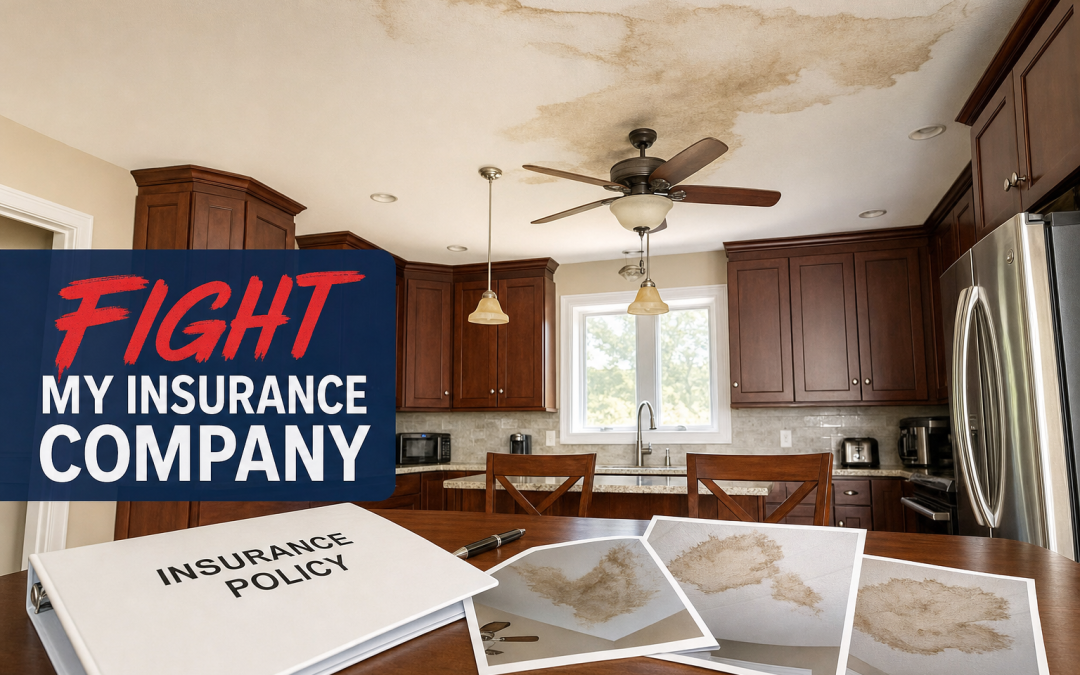
- Who Can Help Me Fight My Insurance Company?
If you need to fight my insurance company over a denied or underpaid claim, you have four main allies: a licensed public adjuster who works only for you, an attorney for legal disputes, your state insurance department for complaints, and an independent appraiser when the disagreement is about the dollar value of the damage.
Key takeaways
- Start with your state’s Department of Insurance, which can investigate complaints against insurers for free.
- A public adjuster works for you, not the insurer, and can independently document and negotiate property claims.
- An insurance attorney is worth consulting when a claim is large, wrongfully denied, or involves possible bad faith.
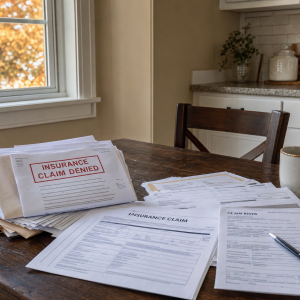
- Always request your denial in writing and file an internal appeal before escalating — insurers must explain their reasoning.
- Keep dated records of every call, letter, and email; documentation is your strongest weapon in any insurance dispute.
Most homeowners assume the insurance company’s word is final. It isn’t. The adjuster who inspected your home works for the carrier, not for you — and their estimate reflects that. Whether you’re dealing with a hurricane-battered roof in North Carolina or a burst pipe in Virginia, several professionals are specifically licensed to stand on the policyholder’s side of the table.
Your Four Main Options
- Public adjusters — Licensed claim professionals who represent you, not the insurer. They document the full scope of damage to your home, building, and contents, prepare their own detailed estimate, and negotiate directly with the carrier. Most work on a percentage of the settlement, so they only get paid when you do. A local example is a public adjuster in Burlington, NC who handles fire, water, and storm claims on the policyholder’s side.
- Attorneys — Best when the dispute goes beyond dollars and cents: outright denials based on policy interpretation, accusations of misrepresentation, bad-faith claim handling, or a claim that’s headed toward litigation.
- State insurance departments — Both the North Carolina Department of Insurance and the Virginia Bureau of Insurance accept consumer complaints for free. They can’t force a payout, but a formal complaint often gets a stalled claim moving and creates a paper trail.
- Appraisers — Most homeowner policies include an appraisal clause. If you and the insurer agree damage is covered but disagree on the amount, each side hires an appraiser, and an umpire resolves any remaining gap — often without ever going to court.
Which One Fits Your Situation?
The right choice depends on where your claim broke down:
- Underpaid claim? A public adjuster or the appraisal process usually makes the most sense.
- Denied claim? Start with a public adjuster to re-document the loss; escalate to an attorney if the denial involves coverage disputes or bad faith.
- Ignored or delayed claim? A complaint to your state insurance department can apply pressure while a professional builds your case.
The key point: you are not stuck with the first number — or the first “no” — your insurer gives you. The sections below break down what each of these professionals actually does, when a public adjuster beats hiring an attorney, and how to choose the right help for a home or business claim in North Carolina or Virginia.
What Does a Public Adjuster Actually Do for Me?
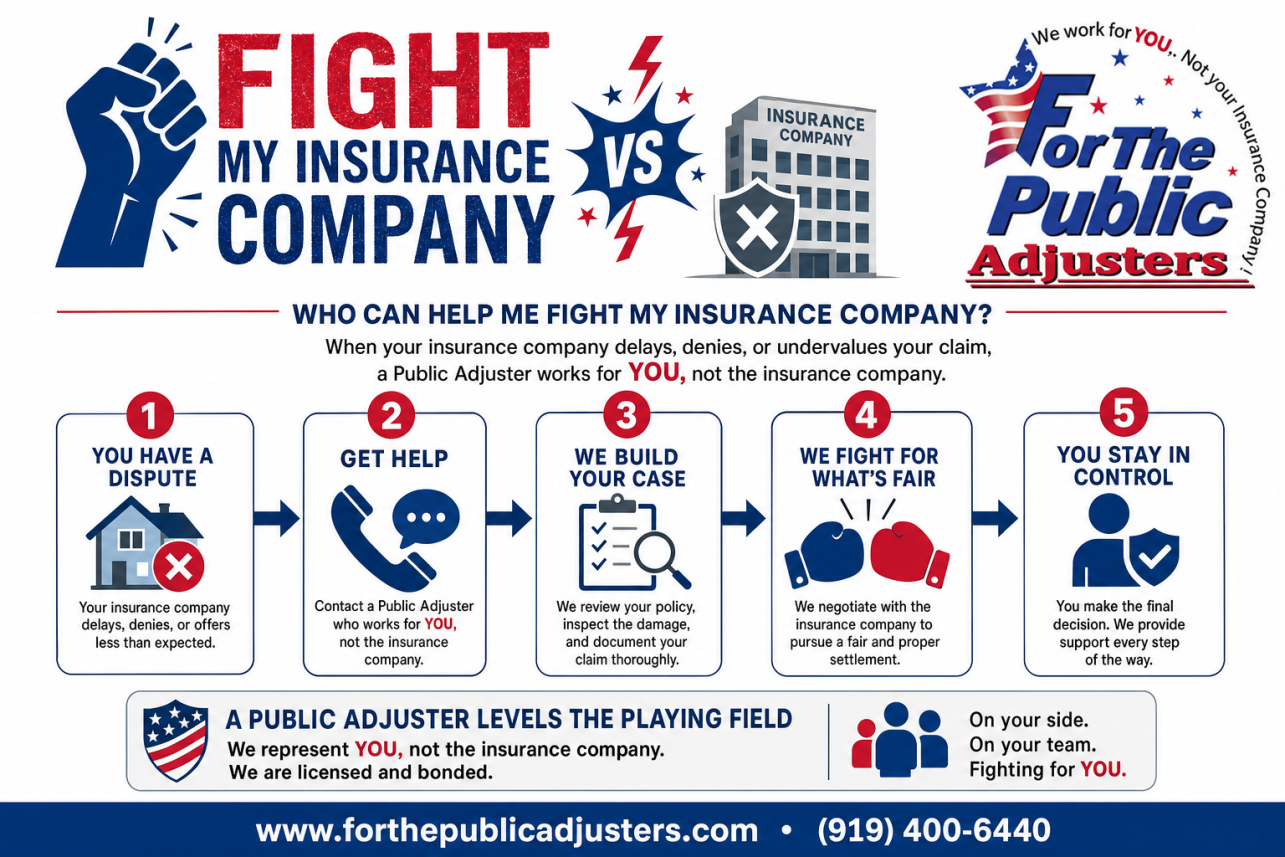
A public adjuster is a licensed, bonded insurance professional who works for you — not the insurance company. They document your damage, interpret your policy, build a detailed repair estimate, and negotiate directly with the insurer’s adjuster to pursue the settlement your policy actually owes you.
When you file a claim, the insurance company sends its own adjuster to assess the damage. That person is trained, experienced, and paid by the carrier. Most homeowners, on the other hand, have never read their full policy and have no way of knowing whether an estimate is fair. Hiring a public adjuster is often the most practical way to fight my insurance company without immediately escalating to a lawsuit — you’re simply putting a professional on your side of the table.
The Core Work a Public Adjuster Handles
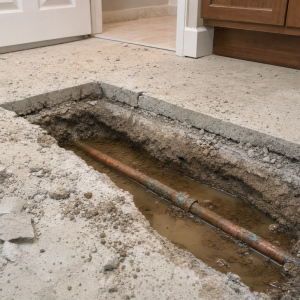
- Documenting the damage thoroughly. They inspect the property, photograph and measure the loss, and look for damage the carrier’s adjuster may have missed — hidden water intrusion, smoke residue in adjacent rooms, structural issues behind finished surfaces.
- Reading your policy line by line. Coverage often hinges on specific language, endorsements, and exclusions. A public adjuster identifies every coverage that applies to your loss, including things homeowners commonly overlook like additional living expenses or code-upgrade coverage.
- Preparing an independent estimate. Rather than accepting the carrier’s numbers, they build their own itemized scope of repairs using industry-standard estimating tools, so negotiations start from a complete picture of the loss.
- Negotiating on your behalf. They handle calls, letters, meetings, and re-inspections with the insurance company, pushing back on lowball figures with documentation rather than emotion.
- Managing deadlines and paperwork. Proof-of-loss forms, supplemental claims, and response deadlines are easy to miss — and missing them can hurt your claim.
How Public Adjusters Get Paid
Most public adjusters work on a contingency fee — a percentage of the amount recovered on your claim, agreed to in writing before work begins. There’s typically no hourly billing and no large upfront cost, which means their incentive is aligned with yours: the better your recovery, the better their fee. Always confirm the percentage and terms in the contract, and verify the adjuster is licensed in your state.
What a Public Adjuster Can’t Do
No honest professional will guarantee a specific outcome. A public adjuster can’t rewrite your policy, cover excluded losses, or force the carrier to pay more than the policy allows. What they do is level the playing field — ensuring your claim is documented, valued, and argued with the same expertise the insurer brings to its side. For an example of how this works in practice, see how a public adjuster in Burlington, NC handles fire, water, and storm claims on the policyholder’s side.
When Should I Hire a Public Adjuster vs. an Attorney?
Hire a public adjuster when the dispute is about documentation, valuation, or an underpaid property claim — they build and negotiate the claim itself. Hire an attorney when the insurer denies coverage outright, acts in bad faith, or the dispute is headed toward litigation. Many homeowners end up using both, in that order.
Both professionals can help you fight my insurance company situations, but they operate in very different lanes. Understanding where each one adds value keeps you from paying for the wrong kind of help — or hiring an attorney for a problem an adjuster could solve faster and cheaper.
When a Public Adjuster Is the Right Fit
Public adjusters work best when the insurance company accepts that a covered loss occurred but disagrees with you on how much it’s worth or what the damage includes. Typical scenarios include:
- Underpaid property claims — the insurer’s estimate doesn’t reflect the true cost to repair or rebuild.
- Scope disputes — the carrier’s adjuster missed damage (hidden water intrusion, roof damage, structural issues).
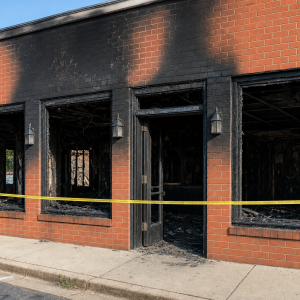
- Documentation-heavy losses — large fires, storm damage, or losses requiring detailed inventories and contractor-grade estimates.
- Negotiation stalemates — the claim is open, but back-and-forth with the carrier has stalled.
When an Attorney Is the Right Fit
Attorneys step in when the dispute is no longer about numbers but about legal rights. Consider a lawyer if:
- Your claim was denied outright and the insurer refuses to reconsider, citing exclusions or policy language you believe is being misapplied.
- You suspect bad faith — unreasonable delays, ignored communications, misrepresentation of your policy, or lowball offers made without genuine investigation.
- Litigation or appraisal disputes escalate and you need someone who can file suit, take depositions, and argue in court.
How the Two Often Work Together
These paths aren’t mutually exclusive. A common sequence: a public adjuster documents and negotiates the claim first. If the insurer still refuses to pay fairly, the adjuster’s detailed file — photos, estimates, correspondence — becomes powerful evidence an attorney can use to pursue a bad faith or breach-of-contract case. Many attorneys actively prefer cases where a public adjuster has already built a well-documented record, and reputable adjusters will refer you to counsel when a claim crosses into legal territory.
What Public Adjusters Can’t Handle
Public adjusters are licensed for first-party property claims — your home, business property, and contents. They cannot represent you on:
- Cell phone or device protection claims
- Auto and vehicle insurance claims
- Health insurance disputes
- Life insurance claims
For those categories, your options are typically your state’s department of insurance, an attorney, or the insurer’s internal appeal process. If your dispute involves your house or commercial property, though, a public adjuster is usually the most cost-effective first call — with an attorney as your escalation path if the carrier won’t act in good faith.
Have Homeowners Actually Won Against Insurance Companies?
Yes. Policyholders have successfully challenged insurers in court many times, including at the highest levels. In Gaston County Dyeing Machine Co. v. Northfield Insurance Co. (N.C. Supreme Court, 2000), the policyholder prevailed on a disputed property damage coverage question — clear proof that when the policy language supports coverage, courts will side with the insured.
It’s easy to feel like the deck is stacked against you when a claim gets denied or lowballed. The insurance company has adjusters, lawyers, and decades of experience handling disputes. You have a policy you may have never fully read. But the legal system doesn’t automatically defer to insurers — and the case law proves it.
What the Gaston County Case Shows Policyholders
In Gaston County Dyeing Machine Co. v. Northfield Insurance Co., decided by the North Carolina Supreme Court in 2000, the insurer and the policyholder disagreed over whether property damage fell within the coverage the policy provided. The court examined the actual policy language and the facts of the loss — and the policyholder won on the disputed coverage question. A few takeaways matter for anyone trying to fight my insurance company over a denied or underpaid claim:
- The policy language controls, not the insurer’s interpretation. Courts read the contract as written. If the words support coverage, an insurer’s internal position doesn’t override them.
- Ambiguity tends to favor the insured. In North Carolina, as in most states, courts generally construe unclear policy language against the party that drafted it — the insurance company.
- A denial is an opinion, not a verdict. The insurer’s coverage decision is simply its reading of the contract. Courts can, and do, reach a different conclusion.
Why This Precedent Matters for Homeowners
You might notice that Gaston County involved a commercial policyholder, not a homeowner. That’s actually good news. The principles the court applied — reading the policy as written and resolving genuine disputes based on the contract, not the insurer’s say-so — apply to homeowners’ policies too. The same rules of policy interpretation govern your dwelling coverage, your storm damage claim, and your dispute over what “caused” a loss.
Precedent like this also shapes behavior outside the courtroom. Insurers know that North Carolina courts have ruled for policyholders on coverage disputes, and that knowledge influences how they negotiate. When you push back with a well-documented claim and a correct reading of your policy, you’re not bluffing — you’re standing on established law.
The Realistic Takeaway
Winning isn’t guaranteed, and most disputes settle long before a courtroom. But the idea that homeowners can’t beat insurance companies is simply false. Where the facts and the policy support coverage, insureds have won — all the way up to the state Supreme Court. If your claim was wrongly denied, you have real precedent behind you, not just wishful thinking.
What Should I Do If My Summer Storm Claim Was Denied?
If your summer storm claim was denied, request the denial in writing, re-read your policy’s covered perils and exclusions, photograph and preserve all damage before making permanent repairs, note every deadline in the denial letter, and get an independent second opinion on the insurer’s estimate before accepting the decision as final.
Summer in North Carolina and Virginia brings severe thunderstorms, hail, lightning strikes, and the early months of hurricane season — and a spike in denied or underpaid claims. A denial is the insurer’s opening position, not the last word. Here’s how to respond methodically.
Get the Denial — and the Reasoning — in Writing
Ask your insurer for a written denial letter that cites the specific policy language they relied on. Vague explanations like “wear and tear” or “pre-existing damage” are common after hail and wind events, and you can’t challenge a decision you can’t see spelled out. Keep a log of every phone call, including names, dates, and what was said.
Review Your Policy Against the Denial
Pull your full policy, not just the declarations page, and compare the cited exclusion to your actual damage. Pay close attention to:
- Wind vs. water language — tropical-storm claims often hinge on whether damage came from wind-driven rain or flooding, which is typically excluded under standard homeowners policies.
- Hail and roof provisions — some policies limit roof payouts by age or pay actual cash value instead of replacement cost.
- Lightning and power-surge coverage — damaged electronics and appliances may be covered even when the insurer initially says otherwise.
Document Everything Before You Repair
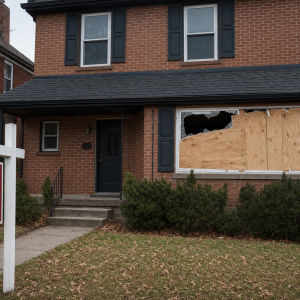
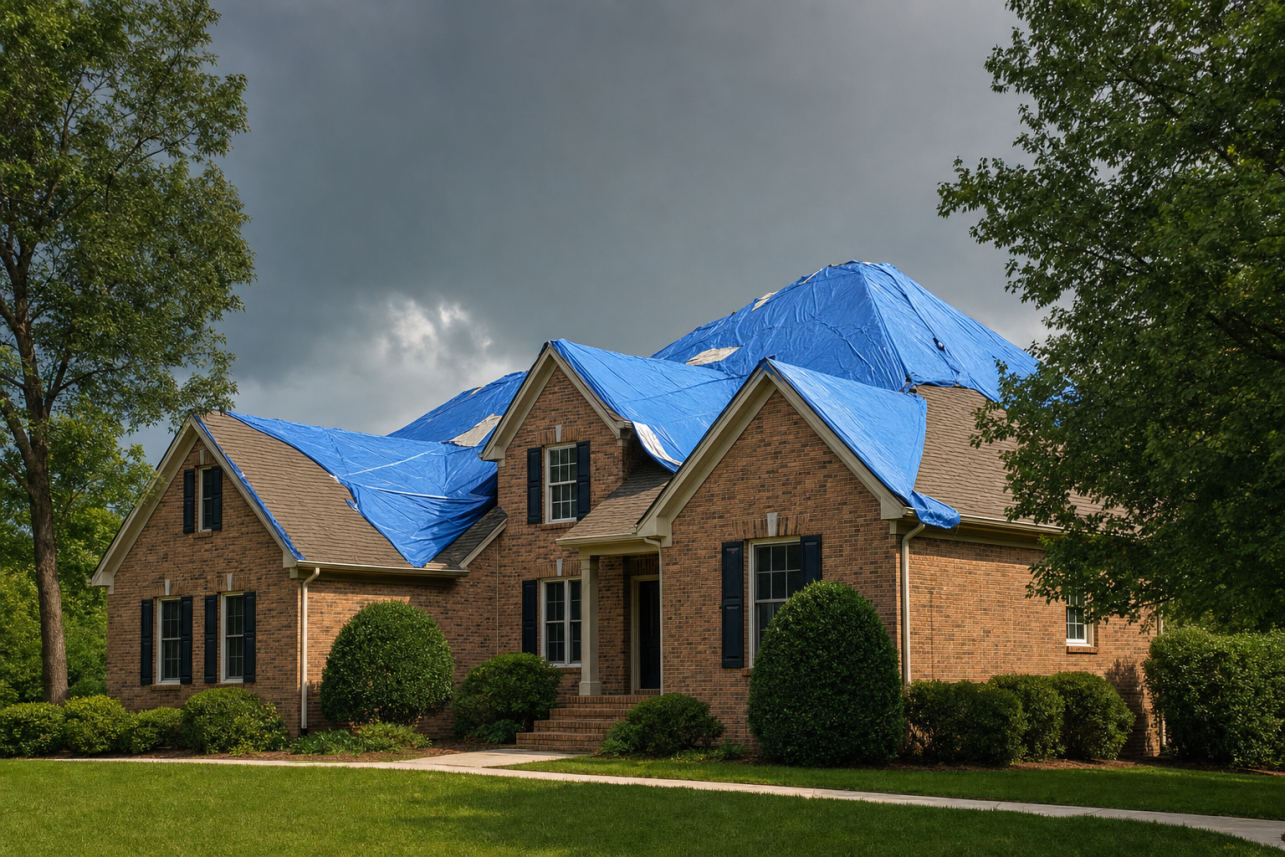
Take dated photos and video of all damage — roof, siding, gutters, interior water stains, tree impact points, and damaged contents. Make only the temporary repairs needed to prevent further damage (tarping a roof, boarding a window) and keep every receipt. Permanent repairs made before the dispute is resolved can destroy the evidence you need.
Watch Your Deadlines Closely
Policies and state law impose time limits for filing supplemental claims, submitting proof of loss, requesting appraisal, and filing suit. These deadlines vary by policy and state, so read your denial letter and policy carefully, and don’t let the clock run out while you’re negotiating in good faith.
Get an Independent Second Opinion
Before accepting a denial or a lowball estimate, have a licensed public adjuster, an experienced contractor, or an engineer inspect the damage independently. After widespread storm events, insurer adjusters are stretched thin and inspections can be rushed. An independent estimate is often the single most powerful tool when you need to fight my insurance company’s numbers with credible documentation of your own — and it gives you a factual foundation for an appeal, appraisal, or complaint to your state’s Department of Insurance.

How Do I Choose the Right Help in North Carolina or Virginia?
Choose help by verifying the person is licensed and bonded through the North Carolina Department of Insurance or the Virginia Bureau of Insurance, reviewing the fee agreement in writing before signing, walking away from anyone who guarantees a specific payout, and confirming real experience with residential and commercial property claims in your region.
Once you’ve decided to fight my insurance company is more than a passing thought and you’re ready to bring in a professional, the vetting process matters as much as the decision itself. The right advocate can change the trajectory of your claim; the wrong one can cost you time, money, and leverage. Here’s a practical checklist.
Verify Licensing and Bonding First
Both states regulate public adjusters, and verification takes just a few minutes:
- North Carolina: Confirm the adjuster’s license status directly with the North Carolina Department of Insurance, which also handles consumer complaints against adjusters and insurers.
- Virginia: Check licensing through the Virginia Bureau of Insurance, part of the State Corporation Commission.
- Bonding: Ask for proof that the adjuster is bonded. A reputable, licensed and bonded professional will provide this without hesitation.
Get the Fee Agreement in Writing
Public adjusters typically work on a contingency percentage of the claim settlement. Before signing anything, make sure you understand:
- The exact percentage or fee structure, and whether it applies to money already offered by the insurer
- Who pays for experts, estimators, or engineers if they’re needed
- How you can cancel the agreement, and within what window
If someone is vague about fees or pressures you to sign on the spot, keep looking.
Watch for Red Flags
- Guaranteed payouts. No ethical professional can promise a specific result. Every claim depends on the policy language, the evidence, and the facts of the loss. Anyone who guarantees a number is telling you what you want to hear, not the truth.
- Door-to-door pressure after a storm. Legitimate adjusters can explain their credentials calmly; they don’t need you to sign in the driveway.
- No local track record. Ask for references from claims handled in North Carolina or Virginia specifically.
Confirm Regional and Property-Type Experience
Coastal wind claims, hail losses, and hurricane-related flood damage are handled very differently, and flood losses often involve the National Flood Insurance Program, which has its own rules and deadlines. Ask whether the adjuster has handled NFIP flood claims through FEMA as well as standard homeowners and commercial property policies. Someone who knows how carriers operate in this region, and how NC and VA regulations differ, will spot issues an out-of-state adjuster might miss.
Who Can Help Me Fight My Insurance Company: Comparing Your Options
| Who They Are | Best For | Typical Cost | Key Limitation |
|---|---|---|---|
| State Insurance Department | Filing complaints and checking if insurer broke regulations | Free | Can’t force payment on every dispute |
| Public Adjuster | Property damage claims that are underpaid or undervalued | Percentage of the settlement (varies by state) | Doesn’t handle legal action or health claims |
| Insurance Attorney | Denied claims, bad faith conduct, and high-value disputes | Often contingency fee or hourly | May not be cost-effective for small claims |
| Independent Ombudsman / Consumer Advocate | Health insurance appeals and navigating internal reviews | Often free or low cost | Limited authority to compel the insurer |
Illustrative Example: Turning a Denied Storm Claim Around
Illustrative example
Consider a hypothetical homeowner whose roof claim was denied after the insurer’s adjuster attributed storm damage to ‘pre-existing wear.’ She requested the denial in writing, then hired a licensed public adjuster who documented the damage with dated photos and a contractor’s independent assessment.
When the insurer still lowballed the payout, she filed a complaint with her state insurance department and consulted an attorney about a bad faith review. Faced with organized evidence and regulatory attention, the insurer reopened the claim and issued a substantially improved settlement. This composite scenario shows how layering the right help — documentation, a public adjuster, and regulatory pressure — often changes an insurer’s response.
Frequently asked questions
Who can help me fight my insurance company over a denied claim?
Several options exist depending on your situation. You can hire a public adjuster (for property claims) who negotiates on your behalf for a fee, consult an attorney who specializes in insurance disputes or bad faith claims, or file a complaint with your state’s department of insurance, which regulates insurers and can investigate unfair practices for free. For health insurance, your state may also offer a consumer assistance program or independent external review process.
Should I hire a lawyer or a public adjuster first?
It depends on the type of dispute. Public adjusters handle property damage claims (like home or business damage) and help document losses and negotiate settlements. Lawyers are better suited when the insurer has denied your claim outright, is acting in bad faith, or the dispute involves significant money or complex legal issues. Many insurance attorneys offer free consultations and work on contingency, meaning they only get paid if you recover money.
Can I fight my insurance company for free?
Yes, there are free routes. Start with the insurer’s internal appeal process, which you have a right to use. If that fails, file a complaint with your state insurance department at no cost. Health insurance denials often qualify for a free independent external review. Nonprofit consumer advocacy organizations and, in some cases, legal aid societies may also help at little or no cost if you qualify.
What should I do before bringing in outside help?
Gather and organize your documentation: your full policy, the denial letter, all correspondence with the insurer, photos, receipts, medical records, or repair estimates relevant to your claim. Request the insurer’s reasons for denial in writing and note all deadlines for appeals. Having a complete, organized file makes it easier for an adjuster, attorney, or regulator to evaluate and strengthen your case.
Related local pages
- Public Adjuster Burlington NC: Fire, Water & Storm Damage Claims Handled On The Policyholder’s Side
- Public Adjuster Elon NC — Fire & Water Claim Help For Alamance County Homeowners
- Public Adjuster Haw River NC — Fire, Flood & Storm Claim Help For Older Mill-Town Homes Along The Haw
If your claim has been denied, delayed, or underpaid, you don’t have to face the insurance company alone. Contact our licensed and bonded public adjusters serving North Carolina and Virginia for a free, no-obligation claim review today. Get in touch.
Last updated: August 6, 2026