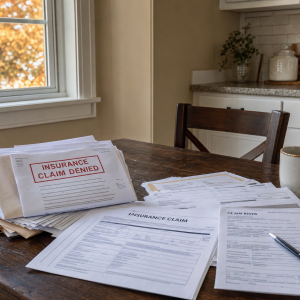
You’ve just filed a homeowner or business insurance claim, hoping for help. Then, a formal-looking letter arrives. It’s not a check, and it’s not an approval. It’s a reservation of rights letter, and it’s the first major red flag that a fight is coming.
This isn’t a routine update. It’s a calculated legal move from your insurance company. They’re telling you that while they’ll start investigating your claim, they’re also actively reserving the right to deny it later on.
Your Insurer Sent a Reservation of Rights Letter—What Now?
When a reservation of rights letter from State Farm, Allstate, or any other carrier lands in your mailbox, you need to understand exactly what it means. This is your insurer officially putting you on notice. They are kicking off their investigation, but at the same time, they’re building a case against you.

Let’s be blunt: this letter signals a huge conflict of interest. You pay your premiums expecting a safety net. But the moment this letter is sent, your insurer’s priority shifts from helping you to protecting their bottom line. Their focus is now on limiting what they have to pay out, and that usually comes at your expense.
Understanding the Insurer’s True Motive
Big insurance companies are for-profit businesses, not charities. They have entire departments dedicated to minimizing claim payouts, and the reservation of rights letter is one of their go-to tools. It buys them time to dig through your policy, looking for any exclusion, technicality, or loophole that could justify a lowball offer or an outright denial.
The letter is corporate-speak for: “We’ll look into your claim, but we’re actively searching for a way out of paying you what you’re owed under the policy you’ve been faithfully paying for.”
This document gives the insurer a legal shield. It lets them proceed with the investigation—gathering information from you, inspecting the damage—without accidentally waiving their right to deny your claim down the road. It protects them, not you.
To put it simply, here’s the real meaning behind the jargon.
What a Reservation of Rights Letter Really Means
| What the Letter Signals | Your Insurer’s Hidden Motive | Your First Action Step |
|---|---|---|
| Your claim is under scrutiny and may be denied. | To find policy exclusions or reasons not to pay. | Document every conversation and piece of evidence. |
| The insurer is protecting its legal position. | To avoid “waiving” their right to deny coverage later. | Immediately seek advice from a claims professional. |
| Your relationship just became adversarial. | To intimidate you with legal language and gain control. | Do not sign anything without a full understanding. |
This letter is a clear warning that your claim is on a one-way track to a dispute.
The First Step Toward a Claim Dispute
For most policyholders, this letter is the opening shot in what can become a long, frustrating battle. Insurance carriers bank on the intimidating legal language to make you feel powerless. They hope you’ll just accept their findings without a fight.
This is the exact moment you have to push back and level the playing field. The letter confirms your insurer is not on your side. Their adjuster works for them, not you. From this point forward, every email, phone call, and document matters.
Consider this letter a clear warning that you need to prepare to fight for the money you deserve. It’s often the step right before a denial, which makes knowing how to appeal a denied insurance claim absolutely essential. Taking immediate, strategic action is the only way to protect yourself and get your property properly repaired.
Decoding Your Insurer’s Strategy
Let’s get one thing straight: when you receive a reservation of rights letter, it’s not just more paperwork. It’s a calculated legal move, and you need to understand the game being played.
Insurance companies send this letter to shield themselves from a legal concept called estoppel. In simple terms, estoppel means if an insurer acts like your claim is covered (by investigating, for example), they might be legally blocked—or “estopped”—from denying it later. This letter is their way of saying, “We’re looking into this, but we’re not promising anything.”
The Two-Faced Investigation
When you get this letter, it’s proof your insurer is wearing two hats. On one hand, they have a legal duty to start investigating your claim. On the other, they are actively building a case against you. They are hunting for any loophole, exclusion, or technicality in your policy that will let them reduce their payout or deny the claim outright.
Think of it like this: your insurer is playing both detective and prosecutor at the same time.
As the detective, they gather facts, photos, and documents about your property damage. But as the prosecutor, they are scrutinizing every single piece of that information, looking for any excuse to argue your claim isn’t covered. It’s a fundamental conflict of interest, and it’s baked right into their process.
This dual role is designed to give the insurance company all the power. They get everything they need from you to process the claim, but they keep the full right to turn around and reject it based on what they find. It puts you, the policyholder, at a serious disadvantage from day one.
And don’t think for a second this is unusual. This strategy is standard operating procedure. Insurance defense attorneys estimate that these letters are used in a huge number of homeowner and business claims. In the first 60 days of a claim, insurers have very few hard facts, so this letter becomes an essential tool to protect themselves while they dig for information.
Why They Have to “Reserve Their Rights”
Without this letter, an insurer who starts investigating or defending a claim could accidentally accept full financial responsibility for it, even for parts that aren’t actually covered by the policy.
By sending a reservation of rights, they build a legal wall. It allows them to go through the motions of the claims process without ever giving up their right to say “no” down the road.
This is the bread and butter of massive carriers like State Farm and Allstate. It’s a system built to protect their bottom line, not yours. They aren’t just managing your claim; they’re managing their own financial risk.
Think about this in the broader context of navigating your rights against a corporate giant. Every photo, email, and document you hand over is data. It’s data your insurer will use to make a financial decision that could turn your life upside down.
Pulling back the curtain on this strategy is the first critical step to protecting yourself. You must recognize that your insurer isn’t a partner helping you recover. They are an opponent building a case against you. This mindset shift—from passive claimant to an active defender of your own interests—is absolutely essential for the fight that’s coming.
Unmasking Common Excuses and Vague Language
Let’s get one thing straight: a reservation of rights letter isn’t a friendly update. It’s a calculated legal maneuver. Insurance giants like Allstate and State Farm have spent decades honing their language to create intentionally confusing, intimidating letters designed to make you second-guess your own claim.
This section is your translation guide. We’re going to cut through the boilerplate jargon and expose what they’re really saying. The goal of these letters is to cast a wide, ambiguous net, giving them room to deny your homeowner or business owner claim for any reason they might dig up later. Don’t be fooled by the dense legal-speak—every single word is there to protect them, not you.
Decoding the Insurer’s Favorite Phrases
When you read phrases like “investigation into causation,” your insurer isn’t just doing their due diligence. They’re on a hunting expedition, actively looking for a loophole. This kind of language buys them time and flexibility to argue your loss falls under some obscure policy exclusion they haven’t even identified yet.
Here’s a breakdown of the most common smoke-and-mirror tactics:
- “We are investigating the cause and origin of the loss…” This sounds routine, but it’s code. They are searching for any sign of neglect, pre-existing wear and tear, or anything else they can twist into a reason to void your coverage.
- “…while reserving our right to deny based on policy exclusions.” This is the heart of the threat. It means, “We will continue investigating, but if we find anything in your policy to get us out of paying, we will use it.”
- “Your full cooperation is required…” This isn’t a request; it’s a demand wrapped in a threat. They use this to corner you into recorded statements or demand endless paperwork, hoping you’ll slip up and give them the ammunition they need.
- “…potential for non-covered damages.” This is how they start chipping away at your settlement amount right from the beginning. It’s a clear signal that they plan to argue only a tiny fraction of your damage is actually covered, setting you up for a pathetic lowball offer.
Case Study: A Public Adjuster Dismantles a Vague Denial
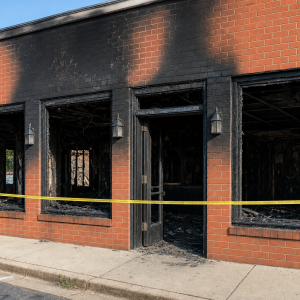
A business owner in North Carolina was hit with a devastating fire. Almost immediately, his insurance company sent a reservation of rights letter, vaguely mentioning “business operations” exclusions. The insurer’s adjuster started hinting that the fire might have started in an area used for so-called non-covered activities—a baseless accusation with no specifics.
Staring down a massive loss and a confusing legal threat, the owner brought in a public adjuster. The first thing the public adjuster did was challenge the insurer to name the exact exclusion they were relying on. While the insurance company stalled, the public adjuster got to work, meticulously documenting the business’s operations and proving that every activity in the fire-damaged area was squarely covered by the policy.
Faced with hard evidence that blew their vague excuse to pieces, the insurer had no choice but to withdraw its reservation and pay the claim in full. This is a perfect example of how an expert can cut through the insurer’s generic nonsense and force them to deal with facts, not intimidation.
The legal battlefield over these letters is real, and insurers who send lazy, copy-and-paste denials are playing with fire. A landmark 2017 South Carolina court decision, Harleysville Group Insurance v. Heritage Communities, Inc., ruled that an overly generic reservation of rights letter could make an insurer forfeit their right to deny coverage. After that ruling, it was estimated that a staggering number of these letters were being challenged for being too vague. You can read more about preparing an effective reservation of rights letter to see the legal standard insurers are supposed to meet.
Your Step-By-Step Plan To Fight Back
Let’s get one thing straight: receiving a reservation of rights letter is a declaration of war. Your insurance company just told you they are actively looking for a reason to deny your claim. They are no longer your partner; they are an opponent building a case against you.
This isn’t the time to panic. It’s time to get strategic. Every move you make from this point forward will either protect your right to a fair settlement or hand the insurer the very tools they need to underpay or deny you completely.
Acknowledge But Do Not Agree
Your first move is to fire back a response in writing. But be careful. You must acknowledge you received their letter without agreeing to a single thing in it. A short, professional email stating you’ve received their letter from [Date] is all you need.
Whatever you do, never sign a “non-waiver agreement” or anything similar they send. These are legal traps, plain and simple. They’re designed to get your signature on a document that essentially gives them permission to deny your claim later on.
Document Everything Like Your Claim Depends On It (Because It Does)
From now on, you’re not just a policyholder—you’re building a legal case. Treat every single conversation, email, and letter with the insurance adjuster as if it will be read aloud in a courtroom.
- Start a Communication Log: Get a notebook or start a document and record every interaction. Note the date, time, who you spoke with, and exactly what was said. No detail is too small.
- Put Everything in Writing: After a phone call, immediately send a follow-up email confirming what you discussed. This creates a paper trail and stops the adjuster from conveniently “forgetting” what they promised.
- Organize Your Arsenal: Keep every single document in one place—the policy, the reservation of rights letter, damage photos, repair quotes, receipts, and all your correspondence.
This is how you cut through the legal jargon and their vague threats to see what’s really happening.

You have to actively translate their corporate doublespeak into a clear understanding of exactly how they plan to attack your claim.
The moment you get that letter, you need to shift into a defensive, evidence-gathering mode. The following checklist outlines the critical first steps you must take to protect your claim from the insurer’s tactics.
Your Immediate Response Checklist
| Action Step | Why It Protects Your Claim | Pro Tip |
|---|---|---|
| Acknowledge Receipt in Writing | Establishes a professional record without agreeing to their terms. Silence can be misinterpreted. | Keep it simple: “This email confirms receipt of your letter dated [Date].” Don’t say anything else. |
| Start a Detailed Communication Log | Creates an undeniable timeline of events and conversations, preventing the adjuster from changing their story. | Use a dedicated notebook or a digital document. Note dates, times, names, and a summary of every interaction. |
| Never Sign a “Non-Waiver Agreement” | Signing this document weakens your legal position by formally agreeing to the insurer’s right to investigate and deny. | If they pressure you, state clearly, “I will not be signing any additional forms without a full review.” |
| Photograph and Video EVERYTHING | Creates your own visual evidence of the damage, which is crucial if the insurer tries to downplay the severity. | Take more photos than you think you need from every angle. Narrate your videos to explain what you’re seeing. |
Following these steps immediately puts you in a position of control. You’re no longer just reacting to the insurance company; you’re building your own case with solid evidence.
Fulfill Your Duties, But Protect Your Rights
Your policy says you have to cooperate with their investigation. That means giving them access to the property and providing necessary documents. But let’s be blunt: “cooperation” does not mean surrendering.
The most dangerous trap they’ll set is a request for a recorded statement. They’ll make it sound like a routine formality, but it’s a calculated interrogation. Their only goal is to trick you into saying something—anything—they can twist and use to deny your claim.
Never give a recorded statement without a public adjuster or attorney representing you. Period. They are masters at manipulating your words to build their case for denial.
The company adjuster’s job is not to help you. It’s to find facts that help their employer deny your claim. They are trained to ask confusing, leading questions and to pounce on any inconsistency, no matter how minor. A single wrong word can cost you everything.
Call in a Public Adjuster Immediately
This is the single most powerful move you can make. While you’re trying to deal with the damage, contractors, and your family, the insurance company has an entire team of experts working full-time against you. A public adjuster is your expert, fighting exclusively for you.
A public adjuster will:
- Dissect the Reservation of Rights Letter: They’ll instantly pinpoint the exact policy language the insurer is using as a weapon and start building your defense.
- Take Over All Communications: They become the single point of contact, shielding you from the adjuster’s manipulative tactics and high-pressure games.
- Document Your Loss Like a Pro: They use the same professional software and methods as the insurance company to conduct their own independent damage assessment, making sure nothing gets overlooked.
Hiring a public adjuster sends an unmistakable message: you will not be bullied, and you are ready for a fight. When the insurer knows they’re up against an expert who knows all their tricks, they are far less likely to try a bogus denial. If you’re in this battle, your next step is to understand the anatomy of an insurance claim dispute to force the payout you’re owed.
How a Public Adjuster Becomes Your Strongest Ally
When a reservation of rights letter lands in your mailbox, let’s get one thing straight: your insurance company just declared war. They’ve switched from a partner to an opponent, and their own adjuster is now actively looking for reasons to slash your payout or deny your claim outright. This is the moment you need to level the playing field.
Hiring a public adjuster is the single most important move you can make. They are your expert, your advocate, and they work for one person only: you. While the company adjuster is paid to protect the insurer’s bottom line, a public adjuster’s legal and ethical duty is to get you every penny you are owed under your policy.
Dismantling the Insurer’s Arguments
A seasoned public adjuster knows exactly how to tear apart the insurer’s flimsy arguments. The first thing they do is dissect that reservation of rights letter, pinpointing the exact policy language and exclusions the company plans to use against you. Then they get to work building a counter-attack based on cold, hard facts.
Here’s how they turn the tables:
- Expert Policy Analysis: They comb through your insurance policy, finding the coverage grants and clauses that the company adjuster conveniently decided to ignore.
- Independent Damage Assessment: A public adjuster doesn’t take the insurance company’s word for anything. They bring in their own team to conduct a forensic inspection of your property, creating a detailed, line-item estimate of what it will really cost to make you whole.
- Strategic Communication: They take over all calls and emails with the insurance company. This immediately stops the carrier’s adjuster from trying to trip you up with leading questions, pressuring you into a corner, or getting a recorded statement they can twist later.

A Public Adjuster Success Story in North Carolina
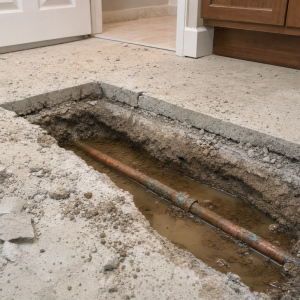
This reminds me about a family in Burlington, North Carolina whose home was destroyed by a burst pipe. Their insurer, State Farm, didn’t hesitate to send a reservation of rights letter. They pointed to a sneaky exclusion for “long-term seepage or leakage,” arguing the pipe had been dripping for months and that they weren’t on the hook for the damage. The company adjuster was already building his case for a total denial.
The homeowners knew they were being set up. They hired For The Public Adjusters who immediately brought in a forensic engineer and a plumber. The two reports proved the pipe hadn’t been leaking—it had failed suddenly and catastrophically because of a manufacturing defect.
Armed with this undeniable proof, the public adjuster sent the expert report and a new, comprehensive damage estimate to State Farm. Their flimsy excuse crumbled. The insurer had no choice but to withdraw the reservation of rights letter and pay the claim in full—a settlement that was more than double what they were quietly preparing to offer.
Hiring a public adjuster sends a clear message: you will not be bullied. It shows you have an expert in your corner who knows the carrier’s playbook and is ready to fight them with facts, evidence, and relentless advocacy.
If you’re staring at a reservation of rights letter, you need to understand the power you have. Find out more about what a public adjuster is and how they can champion your claim. It’s the first step toward taking back control from an insurance company that is clearly not on your side.
State Specific Rules in North Carolina and Virginia
Let’s get one thing straight: insurance law isn’t the same everywhere. The rules that govern a reservation of rights letter can change drastically when you cross state lines, and policyholders in North Carolina and Virginia need to know the local playbook. Big insurers like State Farm and Allstate are counting on you not knowing the specific laws in your state, but the courts in both NC and VA have drawn some pretty clear lines in the sand.
Knowing these local rules is your leverage. It’s how you fight back against the delay tactics and vague excuses they love to use. This isn’t just about what’s in your policy; it’s about the laws that force your insurer to act fairly.
North Carolina Requirements for Insurers
In North Carolina, an insurance company can’t just fire off a generic, copy-and-paste reservation of rights letter and call it a day. The law demands they act in good faith, and that means giving you a timely and reasonably specific notice. They can’t just sit on a claim for months, knowing there’s a potential coverage problem, and then spring a letter on you at the last minute.
A critical court case, Fortune Ins. Co. v. Owens, put teeth into this rule. It established that an insurer who drags their feet and fails to send a timely reservation of rights can be “estopped” from denying your claim later. In plain English, if they take control of your claim and act like everything is covered without promptly and clearly reserving their rights, they might lose their chance to deny it.
This is a massive deal for homeowners and business owners. If your insurer has been silent for weeks or months and then sends a vague letter questioning coverage, they may have already broken North Carolina law.
Virginia’s Stance on Specificity
Virginia’s courts are just as tough on insurance companies that try to play games with vague notices. The law in Virginia demands that a reservation of rights letter be specific. It has to clearly tell you the exact defenses the insurer is thinking about using. They don’t get to just list a dozen random policy exclusions and see what sticks.
In the landmark case Pennsylvania Nat’l Mut. Cas. Ins. Co. v. Blockbuster Inc., the court shut down an insurer that used a vague, non-specific letter. The ruling was a clear shot across the bow: insurers must do their homework, point to the specific policy language they’re relying on, and explain why it applies to the facts of your claim.
This requirement for specificity is your best weapon against a bogus denial. If you get a letter that reads like a form template, it probably isn’t legally strong enough to hold up in Virginia. An experienced public adjuster will spot that weakness immediately and use it to challenge the insurer’s position. We can force them to either put up a real, specific defense or shut up and pay the claim. That’s the kind of local knowledge that holds their feet to the fire.
Frequently Asked Questions About These Letters
Getting a reservation of rights letter in the mail is confusing and, frankly, unnerving. That’s by design. Insurers like State Farm and Allstate use these formal, intimidating letters to put you on the back foot right from the start.
Let’s cut through the legalese. Here are the straight answers to the questions homeowners and business owners ask us every day after one of these letters shows up.
Does a Reservation of Rights Letter Mean My Claim Is Denied?
No, not yet—but it’s the legal equivalent of your insurer putting on their brass knuckles. Think of it as the final step before the denial stamp comes out. This letter is their formal announcement that they are actively digging through your policy, looking for any loophole, exclusion, or technicality they can use to kill your claim.
Let’s be blunt: this is the official start of a fight. The time for benefit of the doubt is over. You need to switch gears immediately and start building a defense before they make their next move.
Should I Sign Any Documents the Insurer Sends with the Letter?
Absolutely not. It’s a classic insurance company trap. They’ll often slip a “non-waiver agreement” in with the reservation of rights letter, hoping you’ll sign it without thinking.
Signing that document is like handing them a signed confession. You’re essentially agreeing, in writing, that you’re okay with them denying your claim later on. Never sign anything from your insurer without a professional review. The only thing you should send back is a simple written note confirming you got their letter. Anything more is ammunition they will use against you.
How Long Can My Insurer Investigate Under a Reservation of Rights?
Legally, they are supposed to act in “good faith” and investigate in a reasonable amount of time. In the real world? A reservation of rights is often a license to stall. Many carriers use it as a delay tactic to drag your claim out for months, sometimes even years.
They’re betting on your frustration. They want you to get so worn down that you’ll either accept a ridiculously low offer or just give up entirely. If your claim is stuck in “investigation” with no end in sight, it’s a massive red flag for bad faith insurance practices. That’s when a public adjuster can step in and force them to make a decision.
Can I Challenge the Reasons Given in the Letter?
Yes, and you must. The excuses they list in that letter are just their opening arguments, not the final verdict. Most of the time, they’re just vague, cookie-cutter reasons they pull from a template, hoping you won’t push back.
This is exactly where a public adjuster earns their keep. We don’t just accept their flimsy reasons. We dismantle them. We bring in our own engineers, contractors, and other experts to build a rock-solid case based on the actual facts of your loss. Our job is to expose their excuses for what they are and force them to honor the policy you paid for.
What is the insurance company's core legal motive for sending an ROR letter?
The insurer's motive is to avoid "waiver" or "estoppel." If they begin investigating the claim and paying for initial services without sending an ROR, a court could later rule that their actions implied coverage existed, thereby waiving their right to deny it. The ROR shields the insurer during the investigation phase.
Does receiving an ROR letter mean I must stop working with the insurer's adjuster?
No, but it means you must hire your own expert. The ROR letter confirms that the insurer's adjuster is actively building a case against coverage. You must continue to cooperate (as required by your policy), but you must immediately retain a Public Adjuster to control the narrative, document the claim independently, and counter the insurer's investigation.
What common policy language is cited in ROR letters for property damage claims?
ROR letters frequently cite: 1) The Concealment or Fraud Clause (if they suspect misrepresentation). 2) Exclusions for Wear and Tear, Deterioration, or Maintenance (for water or roof claims). 3) The Policy Conditions Section (e.g., failure to provide "prompt notice" or "cooperate").
What is the most effective way a Public Adjuster challenges an ROR letter?
A Public Adjuster acts as a highly organized intermediary. We establish a formal communication log, provide all requested documentation timely, and schedule any required Examination Under Oath (EUO) for you by referring counsel. By creating a flawless record of compliance, we eliminate the insurer's legal ability to use "failure to cooperate" as a basis for denial.
If the ROR is based on "failure to cooperate," how does a Public Adjuster prove policy compliance?
A Public Adjuster acts as a highly organized intermediary. We establish a formal communication log, provide all requested documentation timely, and schedule any required Examination Under Oath (EUO) by referring you to counsel. By creating a flawless record of compliance, we eliminate the insurer's legal ability to use "failure to cooperate" as a basis for denial.
Can an ROR letter be deemed legally invalid, and how does a Public Adjuster identify this?
Yes. In many jurisdictions, ROR letters must be timely and specific. A Public Adjuster checks: 1) Did the insurer wait too long (timeliness)? 2) Does the letter use vague, boilerplate language (e.g., "reserving all rights") instead of citing specific exclusions (specificity)? A failure in either area can result in the insurer forfeiting the right to deny coverage later.
How does early engagement of a PA prevent the ROR letter from damaging my claim valuation?
The ROR creates a conflict of interest that allows the insurer to lowball the damage assessment. The PA immediately executes an independent, maximized scope of loss using Xactimate and expert reports. This establishes the true, full value of the claim before the insurer finalizes their under-valued estimate, shifting the burden of proof back to the carrier.
Does accepting an ROR letter mean I am agreeing to the insurer's potential denial reasons?
No. Accepting the ROR simply acknowledges that you received the letter and understand the insurer is investigating. However, failing to formally object in writing to the letter's content (stating that you disagree with their potential coverage defenses) leaves the insurer's position unchallenged. The PA ensures a written rebuttal is promptly submitted.
If the insurer ultimately denies my claim after sending an ROR, what are my options besides litigation?
A denial after an ROR is an expected outcome. The Public Adjuster’s next step is to initiate Appraisal (if the dispute is over value/scope) or submit a Demand Letter challenging the denial as a breach of contract based on the evidence collected during the investigation. Litigation is the final step, but the ROR is often neutralized through pre-suit dispute resolution.
Can a Public Adjuster help me recover the costs of a denied claim that was initially opened under an ROR?
Yes. The primary goal of the PA's entire investigation is to gather the evidence necessary to successfully challenge a final denial. The detailed scope, engineering reports, and documentation built by the PA under the cloud of the ROR are precisely the tools needed to re-open, negotiate, or successfully litigate the final denial.
How long does the ROR investigation period typically last before a final coverage decision is made?
State regulations often require a coverage decision to be made within a "reasonable" time, which varies (often 30 to 90 days after receiving all necessary information). A Public Adjuster monitors this timeframe rigorously, submitting formal inquiries and demands to prevent the insurer from using the ROR to engage in unreasonable delay (a form of bad faith).
When your insurance company shows its hand with a reservation of rights letter, you need an expert in your corner immediately. For The Public Adjusters, Inc. fights exclusively for policyholders in North Carolina and Virginia to get the full and fair settlement you are owed. Contact us for a no-cost claim review.