
When your property is damaged, the most critical difference in the public adjuster vs insurance adjuster debate comes down to one simple question: who do they work for?
A public adjuster works exclusively for you, the policyholder. An insurance adjuster, on the other hand, works for the insurance company, and their job is to protect its financial interests. This fundamental conflict of interest is the primary reason so many homeowners and business owners are forced to fight for a fair settlement.
Understanding the Core Difference Between Adjusters
After a catastrophic loss at your home or business, the last thing you want is a fight. You expect the insurance company you’ve paid for years—whether it’s State Farm or Allstate—to help you recover.
Instead, they send their own employee, an insurance company adjuster, whose main goal is often to minimize your claim and protect their employer’s profits. These adjusters are trained by massive corporations to look for reasons to delay, underpay, or deny your valid homeowner or business owner claim outright.
This is where a public adjuster becomes your essential advocate. They are licensed professionals you hire to represent your interests and your interests alone. Their entire job is to level the playing field, meticulously document the full extent of your damages, and fight the insurer to secure the maximum settlement you are entitled to under your policy.

Who Works For Whom?
The core distinction is loyalty. A public adjuster works for you. An insurance company adjuster is an employee or contractor hired by the insurer to control their costs.
This dynamic creates an immediate and unavoidable conflict. The adjuster sent by your insurance company isn’t there to find every last bit of damage; they are there to manage the insurer’s financial exposure. It’s their job. You can dig deeper into how their roles differ by exploring key differences between public and insurance company adjusters.
A public adjuster’s only duty is to you, the policyholder. They are your champion in the claims process, ensuring your voice is heard and your rights are protected against the insurer’s cost-cutting tactics.
At a Glance Key Differences Between Adjusters
To put it plainly, here’s a quick breakdown of who you’re dealing with.
| Attribute | Public Adjuster | Insurance Adjuster |
|---|---|---|
| Who They Represent | You, the policyholder | The insurance company |
| Primary Goal | Maximize your claim settlement | Minimize the insurance company’s payout |
| Allegiance | 100% to you and your recovery | 100% to their employer’s bottom line |
| How They Are Paid | A small, agreed-upon percentage of the final settlement | Salary or fee paid by the insurance company |
| Motivation | Secure the highest possible settlement for you | Settle the claim for the lowest amount possible |
This table makes the contrast crystal clear. One person is fighting for your financial recovery, while the other is paid to protect the insurance company’s profits. Knowing this difference is the first step toward taking control of your claim.
Following the Money: A Deep Dive into Allegiance
To really get to the bottom of the public adjuster vs insurance adjuster conflict, you just have to follow the money. It’s that simple. Both types of adjusters are driven by powerful financial motivations that steer their every move and, ultimately, decide the fate of your home or business property claim.
The adjuster your insurance company sends out—whether it’s from Allstate, State Farm, or any other carrier—is playing by a set of rules designed to protect one thing: their employer’s bottom line. Their performance reviews, their chances at a bonus, and even their job security are often tied to how fast they can close claims and how little money they pay out.
This creates a conflict of interest from the very start. The insurance adjuster has every incentive to work against you. They might undervalue the real cost of repairs, twist the language in your policy to deny coverage, or conveniently overlook damage they know would lead to a bigger payout. Their job isn’t to make you whole; it’s to minimize their company’s financial loss.
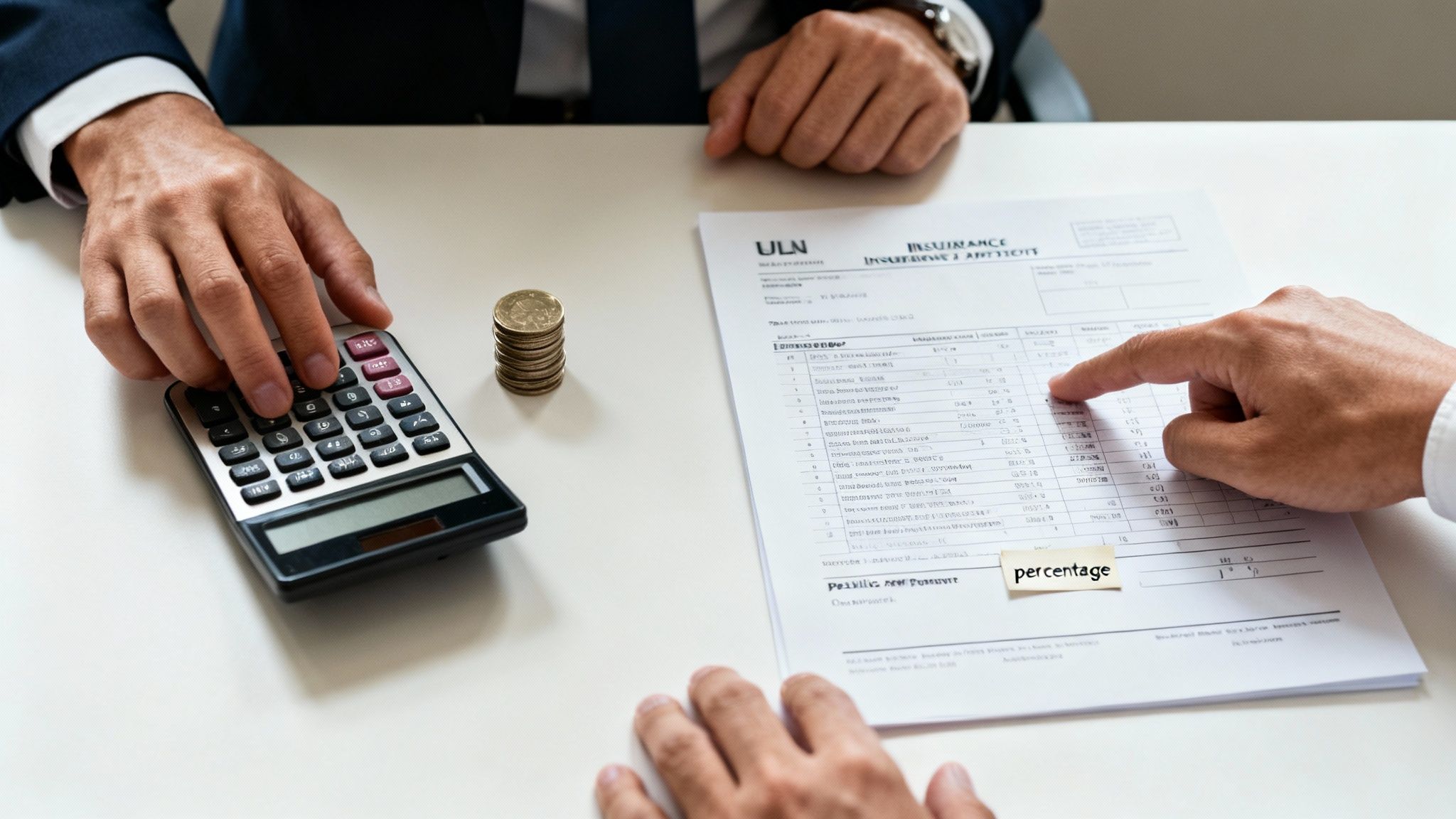
Whose Paycheck Are They Protecting?
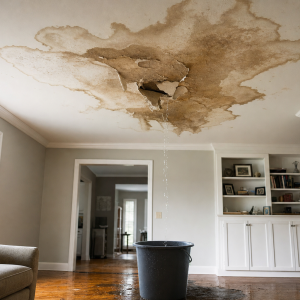
Think about a typical water damage claim at your home or business. The company adjuster might try to classify the damage in a way that falls under a policy exclusion. Or they might apply depreciation unfairly to expensive materials, leaving you with a lowball offer that won’t even cover a fraction of the real restoration cost. Every single dollar they save their employer is a win for them and a direct loss for you.
In sharp contrast, a public adjuster’s financial success is directly tied to yours. They work for you, and their compensation is tied to the size of the settlement they secure on your behalf.
This alignment of interests is the single most powerful advantage you can have as a policyholder. The insurance company’s adjuster gets a salary from the insurer to protect the company’s money. But public adjusters are independent professionals who only get paid a commission based on the final settlement amount. This contingency fee structure, usually between 5% and 15%, means they are financially motivated to maximize your claim. You can learn more about the professional roles of adjusters from the Bureau of Labor Statistics.
This payment model completely changes the game. A public adjuster is driven to:
- Find all hidden damage: They’ll crawl into every corner of your property to find the details the insurance company’s adjuster “missed.”
- Accurately value your loss: They bring in their own expertise to build a detailed, comprehensive estimate that shows the true cost of getting back on your feet.
- Fight for every dollar: Since their paycheck depends on it, they have a powerful financial reason to negotiate aggressively for the maximum possible payout.
When you hire a public adjuster, you’re not just getting an expert—you’re getting an advocate whose financial interests are perfectly aligned with your own. They only win when you do.
The Financial Impact of Having a True Advocate
When you’re trying to piece your life back together after a disaster at your home or business, the difference in that final settlement check isn’t just about money—it’s about whether you can actually rebuild. The numbers don’t lie, and in the public adjuster vs insurance adjuster debate, the data tells a brutal story: having a real advocate on your side changes everything.
Let’s be blunt. Big carriers like Allstate and State Farm often count on your confusion and stress to get you to accept a quick, lowball offer. They know you’re vulnerable. They throw a number at you, hoping you’ll take it without realizing it barely scratches the surface of what you truly need to recover. This isn’t an accident; it’s a business model designed to protect their bottom line, not your home.
A public adjuster’s entire job is to dismantle that strategy. They don’t just argue with the insurance company’s adjuster; they build a completely new claim from scratch, grounded in facts. That means bringing in their own team of experts, documenting every single detail of your loss, and constructing an ironclad case for the full amount you’re owed.
The Staggering Difference in Settlement Payouts
The financial leverage a public adjuster brings to the table isn’t just a small bump in your settlement. It can be astronomical. Their deep knowledge of policy language and damage valuation lets them find legitimate costs that the company adjuster conveniently glossed over or deliberately left out of their estimate. This is where you see the real power of an advocate.
A landmark study out of Florida, for example, found that policyholders who hired public adjusters saw settlements that were up to 747% larger than what the insurance company initially offered. That number is shocking, but it perfectly illustrates how public adjusters force insurers to pay for damages they would have otherwise ignored or massively undervalued.
A lowball offer from an insurer isn’t a starting point for a fair negotiation—it’s a tactic. A public adjuster flips the script entirely, replacing the insurance company’s biased assessment with an evidence-backed demand for what your policy actually promises.
This isn’t just about arguing over a few line items. A public adjuster will:
- Tear apart your policy, line by line, to find every single piece of coverage you’re entitled to.
- Build a detailed inventory and scope of loss, making sure no cracked tile or smoke-damaged wire goes undocumented.
- Go head-to-head with the insurance company, using professional estimates and hard facts to shut down their lowball games.
By taking over this fight, they don’t just maximize your payout; they lift an impossible weight off your shoulders. If you’re looking at an offer that feels wrong, you need to learn how a public adjuster can obtain higher compensation for your property damage claim. It’s the move that ensures your claim is settled based on reality, not on your insurance company’s profit margins.
Comparing The Claims Process Side-by-Side
To really see the difference between a public adjuster vs insurance adjuster, let’s walk through what the claims journey looks like from both sides. One path is an exhausting, uphill battle where you’re alone against a corporate giant. The other is a strategic, empowered process where a public adjuster is fighting on your behalf.
Imagine your business gets hit with major water damage. If you handle it yourself, you’re walking into a maze designed to confuse and wear you down.
The Solo Journey Against The Insurer
Without an advocate, you’re at a serious disadvantage from the first phone call. You’ll waste hours on hold, waiting for callbacks that never happen. The insurance company’s adjuster will show up, do a quick walkthrough, and then send over a complicated estimate packed with industry jargon and confusing deductions.
You’ll get buried under requests for documents you don’t even understand, all while the insurer controls the timeline. Before long, the pressure builds, and they hit you with a lowball “final” offer. They’re banking on your exhaustion and desperation, hoping you’ll take a settlement that won’t even cover half your repair bills.
This is the moment where an advocate can completely change the outcome.
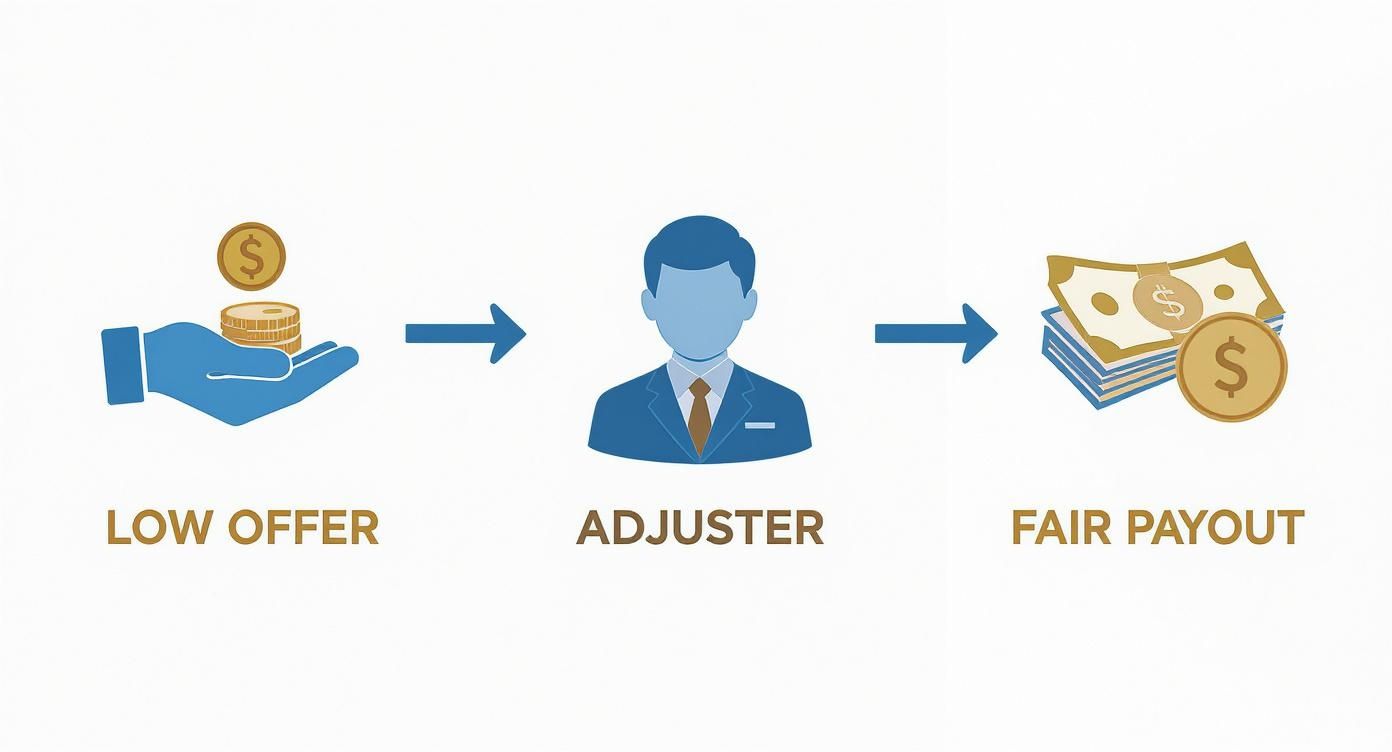
As you can see, a public adjuster steps in to intercept the insurance company’s lowball tactic and forces the process toward a fair settlement—what you’re actually owed.
The Empowered Journey With A Public Adjuster
Now, let’s replay that same disaster, but this time with a public adjuster on your team. The entire dynamic flips from day one.
Your public adjuster takes over all communication with the insurance company. The endless phone calls and confusing emails? They stop. They handle the entire documentation process, building a detailed, evidence-backed claim that leaves the insurer with no room to argue.
While you focus on getting your business back up and running, your advocate is on the front lines, managing the tense negotiations. They counter the insurance adjuster’s lowball games with cold, hard facts, expert analysis, and a deep knowledge of your policy rights.
To see just how different the process is, let’s break it down step-by-step.
The Claims Journey: Public Adjuster vs Insurance Adjuster
This table shows the stark contrast in how a claim unfolds when you have a professional advocate versus when you’re left to fend for yourself.
| Claim Stage | With an Insurance Adjuster Only | With a Public Adjuster |
|---|---|---|
| Initial Damage | You document damage, often missing key details. | Your PA conducts a forensic-level damage assessment. |
| Filing the Claim | You fill out complex forms, hoping you did it right. | Your PA handles all paperwork, ensuring it’s filed correctly. |
| Insurer’s Inspection | The company adjuster performs a quick, biased inspection. | Your PA attends the inspection to challenge the company adjuster. |
| Settlement Offer | You receive a lowball offer based on the insurer’s estimate. | Your PA builds a detailed claim and rejects any low offers. |
| Negotiation | You try to argue, but they hold all the cards and the expertise. | Your PA leverages evidence and policy language to negotiate from a position of strength. |
| Final Payout | You accept a fraction of what you need out of desperation. | You receive a fair settlement based on the true value of your loss. |
The difference is clear: one path leads to frustration and financial loss, while the other leads to a fair and just recovery.
A public adjuster doesn’t just manage your claim; they take control of it. They turn you from a victim of the process into the one driving it, making sure the final settlement is based on your actual damages, not the insurer’s budget.
This strategic approach takes the fight off your shoulders and puts it onto a professional whose only job is to get you the maximum recovery. You’re no longer backed into a corner; you have an expert fighting for you. When you find yourself in this spot, it’s critical to understand how to negotiate with an insurance adjuster, which is exactly what a public adjuster does best. The outcome is no longer about what the insurance company wants to pay, but what you are rightfully owed under your policy.
When to Hire a Public Adjuster for Your Claim
Knowing when to call in backup can be the difference between a fair settlement that makes you whole and a financial nightmare. Every claim is different, but there are certain red flags that should scream, “My insurance company is not on my side.” In the unavoidable battle of public adjuster vs insurance adjuster, bringing in your own expert is a strategic move when the stakes are high.
This isn’t just about a gut feeling of frustration. It’s about recognizing the specific, calculated tactics insurers use to protect their bottom line. If you spot any of these warning signs, it’s time to level the playing field. Waiting too long only weakens your position and makes it that much harder to fight back against a bad decision.
Red Flags That Signal You Need Help
Your home or business owner’s claim is far too important to leave to chance, especially when your insurer starts playing games. They are banking on your inexperience and stress to push through a lowball settlement that saves them money.
Hire a public adjuster immediately if you run into any of these situations:
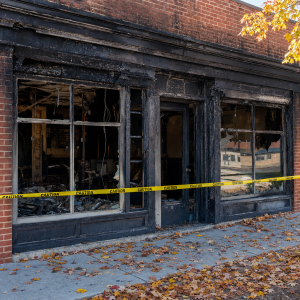
- Your claim is large or complex: After a catastrophic fire, a hurricane, or widespread water damage to your property, the scope of loss is just massive. An insurance company adjuster will likely rush their inspection, overlooking thousands in hidden damages that a public adjuster is specifically trained to uncover.
- The insurer denies your claim unfairly: A denial is often just the insurance company’s opening move, not the final word. They’ll use confusing and vague policy language to justify it, hoping you’ll get discouraged and simply walk away. A public adjuster knows how to dismantle their flimsy arguments and force them to reopen the claim.
- You receive a lowball offer: If that first settlement offer from carriers like State Farm or Allstate seems shockingly low, it’s because it is. This is a deliberate tactic, not a mistake. It’s a clear signal you need a professional to build a detailed counter-claim based on facts, not fiction.
- The insurance adjuster is unresponsive or delaying: Constant delays, unreturned phone calls, and an endless stream of requests for more paperwork are not accidents. These are classic strategies designed to wear you down until you’re so exhausted you just give up.
An insurance company’s delay tactics are not just poor customer service—they are a calculated strategy to create financial pressure and force you into accepting an inadequate settlement.
Ultimately, you should hire a public adjuster anytime you feel overwhelmed, confused, or bullied by the process. If you’re even questioning whether you need help, you can learn more about if you should hire a public adjuster to make a confident decision. Their entire job is to take that immense burden off your shoulders and fight for the fair outcome you deserve.
Your Advocate in the Fight Against Unfair Insurers
The second you file a claim after a disaster, your relationship with your insurance company changes completely. You paid your premiums on time, expecting them to have your back. But now, you’re not a customer anymore—you’re a liability.
That’s the hard truth of the public adjuster vs insurance adjuster conflict. Insurance giants like Allstate and State Farm don’t stay in business by writing big checks. Their adjusters are trained professionals, and their primary job is to protect the company’s bottom line by minimizing what they pay out. Going up against them alone is a fight you’re set up to lose from the start.
A public adjuster isn’t just another line item on your budget—they are an investment in getting the money you are actually owed. They put an expert in your corner and force the insurance company to play fair.
Don’t let your insurer control your recovery. A public adjuster is your advocate, your fighter. They take the entire burden of the claim off your shoulders so you can focus on putting your life or business back together. They document every last detail of your loss, dismantle the lowball offers, and negotiate from a position of power.
If you’re stuck in a nightmare claim for your home or business, it’s time to get professional help. Don’t just accept an unfair settlement offer. Fight for what you’re owed.
Frequently Asked Questions
When you’re trying to pick up the pieces after your property has been damaged, the last thing you need is more confusion. Here are some straight, no-nonsense answers to the questions we hear most from homeowners and business owners stuck in the public adjuster vs insurance adjuster battle.
Can I Hire A Public Adjuster After My Insurer Made An Offer?
Yes, absolutely. In fact, this is one of the most common reasons people call us. That first insultingly low offer you get from an insurer like Allstate or State Farm isn’t the final word—it’s just their opening move.
A public adjuster’s entire job is to reopen claims that have been undervalued. We come in, conduct our own exhaustive investigation, document every bit of damage their adjuster conveniently “missed,” and go back to the insurance company to negotiate for the money you’re actually owed.
Will My Insurance Company Punish Me For Hiring A Public Adjuster?
No. It is illegal for an insurance company to retaliate against you just for hiring professional help. They can’t drop your policy, jack up your rates, or treat your claim unfairly because you decided to bring in a public adjuster to fight for you.
Hiring a public adjuster is your right as a policyholder. It simply tells the insurance company that you’re serious about getting the full and fair settlement you’re entitled to under the policy you paid for.
Is A Public Adjuster Worth The Cost?
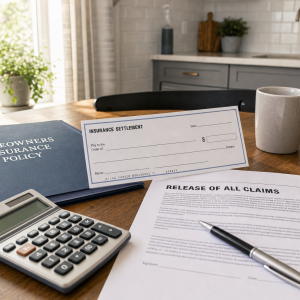
For any home or business claim that isn’t minor, a public adjuster is an investment that pays for itself, not a cost. They work on a contingency fee, which is just a small, pre-agreed percentage of the final settlement they win for you.
A public adjuster doesn’t get paid unless you get paid more. Their fee comes directly from the additional funds they recover for you, meaning their services often pay for themselves many times over.
Their expertise in finding hidden damage and aggressively negotiating almost always leads to a much bigger payout for the policyholder, even after their fee. They don’t just level the playing field—they ensure you have the actual funds you need to rebuild your life without cutting corners or paying out-of-pocket for damage your insurer should have covered from day one.
Q2: Whose interests does a Public Adjuster truly represent during the property claim process?
A: A Public Adjuster represents the policyholder's interests only. They level the playing field by preparing, documenting, and negotiating the claim to secure the full and fair settlement amount the policyholder is entitled to.
Q3: What is the goal of the Insurance Company's Adjuster?
A: The goal of the insurance company's adjuster is to assess the damage and determine the lowest reasonable cost to indemnify the company's client (the policyholder) while protecting the insurer's financial bottom line.
Q4: Can a Public Adjuster get me a higher insurance settlement, even after factoring in their fee?
A: Yes. Studies often show that claims handled by Public Adjusters result in significantly higher settlements compared to policyholders who handle the claim themselves, which typically offsets the adjuster's fee and results in a larger net recovery for the policyholder.
Q5: How does a Public Adjuster get paid, and do I pay them upfront?
A: Public Adjusters typically work on a contingency fee basis, charging a small percentage (usually 5%–20%) of the final claim settlement amount. You generally pay nothing upfront; the fee is paid out of the new settlement proceeds.
Q6: When is the best time to hire a Public Adjuster for my property damage claim?
A: The earliest stage possible is best. Hiring a Public Adjuster at the beginning ensures proper documentation and strategy from day one, but they can be hired at any point: when a claim is denied, delayed, or severely underpaid by the insurance company.
Q8: Is an 'Independent Adjuster' the same as a Public Adjuster?
A: No. An 'Independent Adjuster' is a contractor hired and paid by the insurance company to handle claims on their behalf—they still represent the insurer's interests, not yours. A Public Adjuster is hired and paid by the policyholder.
Q9: How does a Public Adjuster handle the complex documentation and policy review?
A: A Public Adjuster handles the entire process: meticulously documenting all damages (including hidden losses), preparing detailed repair estimates (often using the same software as the insurer), and interpreting the policy language to ensure all coverages, including code upgrades and extended coverages, are applied correctly.
Q10: What types of claims do Public Adjusters typically handle?
A: Public Adjusters specialize in property damage claims for both residential and commercial policies, including losses from fire, water, wind, hail, hurricane, mold, collapse, theft, and business interruption.
When your insurance company is delaying, denying, or underpaying your claim, you need an expert on your side. The team at For The Public Adjusters, Inc. fights exclusively for policyholders in North Carolina and Virginia to secure the fair settlement you deserve. Contact us for a free, no-obligation claim review at https://forthepublicadjusters.com.