Why Public Adjuster Reviews Matter More Than Ever in North Carolina
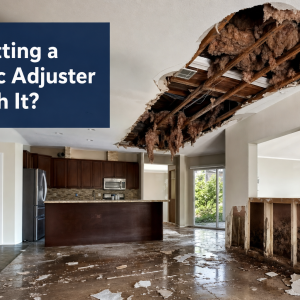
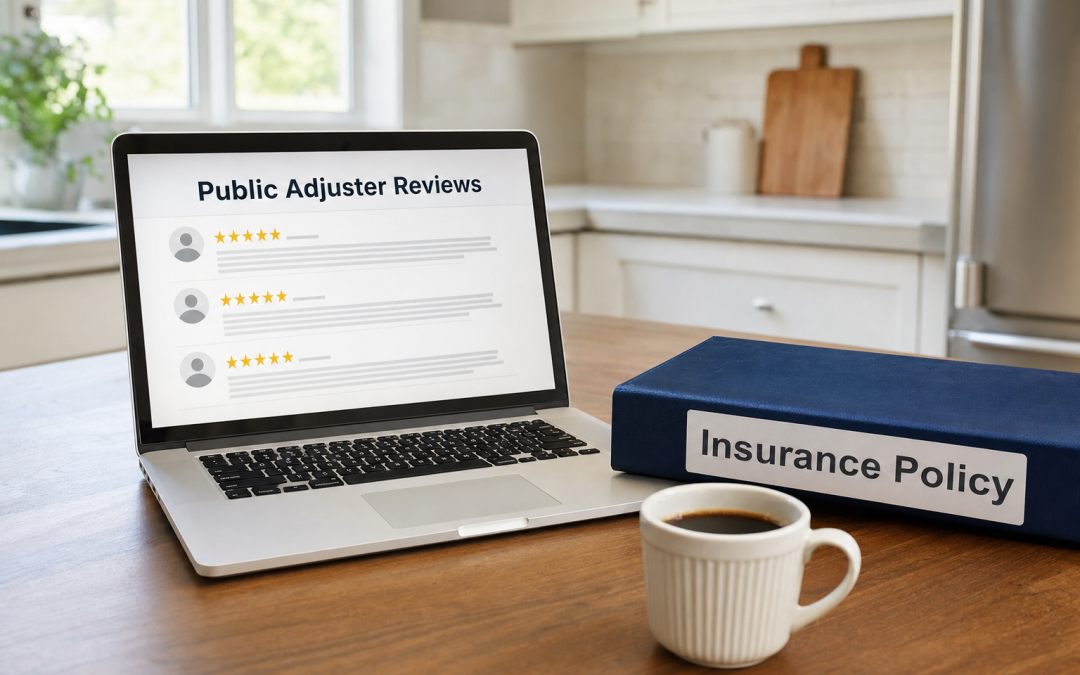
Public adjuster reviews matter because they are the fastest, most reliable way for North Carolina homeowners to separate genuinely skilled claim advocates from smooth-talking salespeople. With summer thunderstorms, hail, and tropical systems driving waves of roof and water damage claims across the state, real feedback from past clients tells you who actually delivers when a claim gets complicated.
Key takeaways
- Always verify a North Carolina public adjuster’s license through the NC Department of Insurance before trusting any review.
- The best public adjuster reviews mention specifics like communication, timeline, and settlement outcomes — not just star ratings.
- Cross-check reviews across multiple platforms (Google, BBB, and industry sites) to spot patterns and filter out fake feedback.
- Be wary of adjusters with only perfect five-star reviews and no detailed client feedback — authentic profiles usually show a range.
- A trustworthy public adjuster will provide references and explain their fee structure upfront, typically a percentage of the settlement.
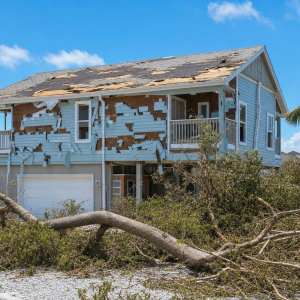
North Carolina sits in a weather corridor that keeps insurance carriers busy nearly year-round. Pop-up summer thunderstorms bring hail and wind that tear up shingles, while tropical-storm remnants push heavy rain inland far beyond the coast. When a storm rolls through, hundreds of homeowners file claims at once — and that surge is exactly when adjuster quality shows. Some public adjusters manage the pressure, document damage thoroughly, and keep clients informed. Others overpromise, disappear, or settle fast just to move on to the next file. Reviews written by real policyholders are often the only public record of which kind you’re dealing with.
Storm Season Creates a Rush — and Reviews Cut Through It
After a major storm, out-of-state operators and inexperienced newcomers frequently flood affected neighborhoods. Established local professionals, like a trusted public adjuster in Smithfield NC, tend to have a track record you can actually verify — reviews spanning multiple storm seasons, not just a handful of posts that appeared last month. That history is one of the clearest signals of legitimacy.
The Short Version: What Strong Reviews Look Like
Before we go deeper in the sections that follow, here’s the quick checklist. The most trustworthy public adjuster reviews tend to share a few traits:
- Specific claim details — the type of damage (roof, water, hail), how the process unfolded, and how communication went, rather than vague one-line praise.
- Mentions of outcomes and timelines — reviewers describing how the adjuster handled delays, disputes, or a lowball offer from the carrier.
- A realistic mix of feedback — a long history of mostly positive reviews with thoughtful responses to any criticism, not a suspicious wall of five-star ratings posted in the same week.
- Local relevance — reviews from homeowners in your region of North Carolina, since storm damage patterns and carrier behavior can vary by area.
Location matters more than many homeowners realize. An adjuster who regularly works claims in your county understands local building costs, common construction types, and how area carriers typically respond. Whether you’re searching for help from a public adjuster in Garner or elsewhere in the Triangle, reviews from nearby neighbors carry more weight than generic testimonials from three states away.
In short: reviews are your first filter, not your last step. The rest of this guide walks through how to read them critically, spot fakes, and verify what really counts before you sign a contract.
What Do the Best Public Adjuster Reviews Actually Tell You?
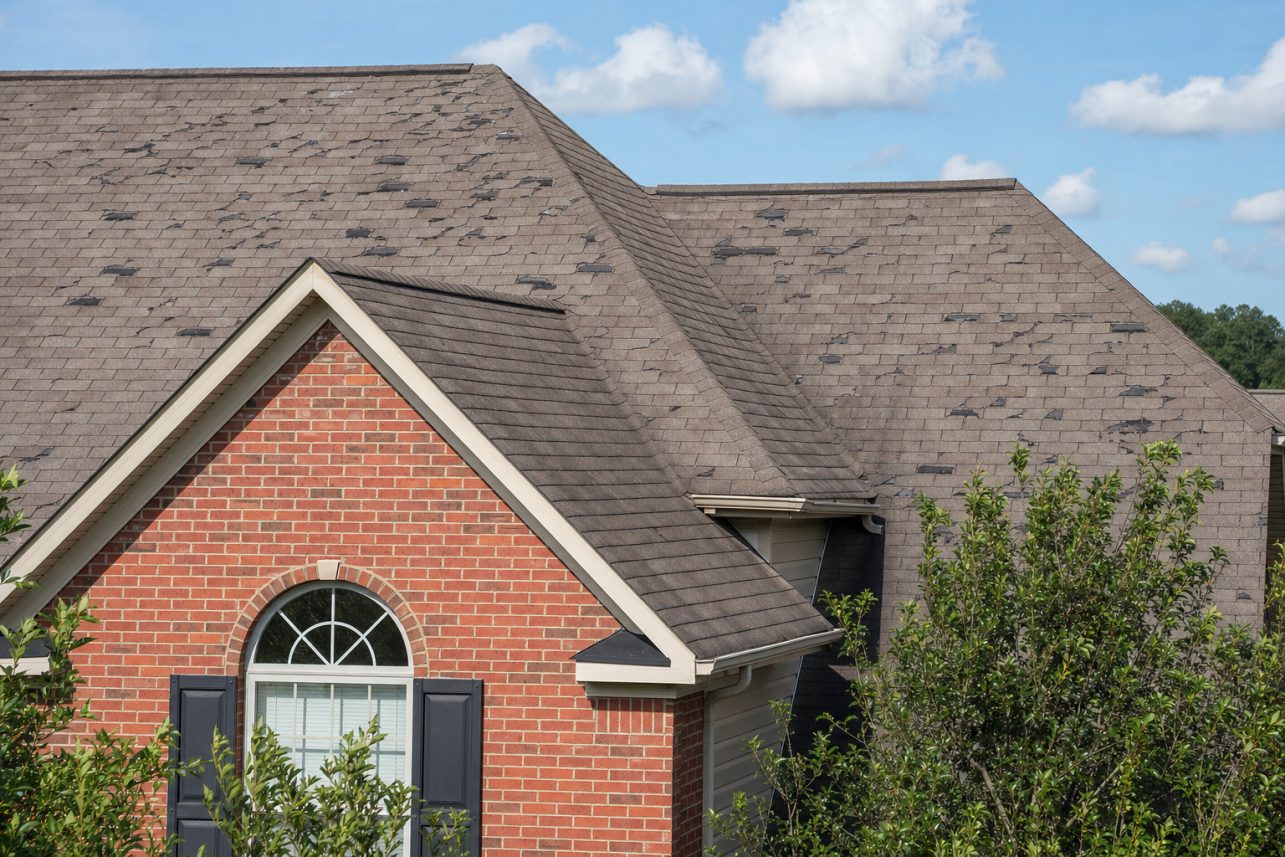
The best public adjuster reviews describe a specific claim type, explain how the adjuster communicated during the process, compare the insurer’s initial offer to the final outcome, and mention how setbacks were handled. Vague five-star praise tells you almost nothing — detailed, story-driven reviews reveal whether an adjuster can actually deliver.
Detailed Claim Stories Beat Star Ratings
A review that says “great service, five stars” could apply to anyone. A review that walks through a kitchen fire, a hurricane-damaged roof, or a slow-developing water leak tells you the adjuster has real experience with the type of loss you might face. When you read public adjuster reviews, look for the arc of the claim: what went wrong, what the insurance company first said, and what the adjuster did about it. Homeowners searching for a Public Adjuster in Greensboro NC should weight these narrative reviews far more heavily than a raw star average.
Communication Praise Is a Leading Indicator
Claims can drag on for months, and the most common complaint policyholders have — about insurers and adjusters alike — is silence. Top-tier reviews consistently mention things like:
- Prompt callbacks and clear explanations of next steps
- Regular updates without the homeowner having to chase them
- Plain-language answers about policy coverage and paperwork
- Availability during stressful moments, such as right after a storm
If multiple reviewers independently praise responsiveness, that pattern is hard to fake and tells you what your own experience is likely to be.
Before-and-After Settlement Context
You don’t need exact dollar figures to learn something. Strong reviews often note that the insurer’s first offer wouldn’t have covered repairs, and that the adjuster’s documentation, estimates, and negotiation changed the outcome meaningfully. That before-and-after framing — even stated in general terms — shows the adjuster added value rather than simply processing paperwork. Reviews for a Public Adjuster in Garner that mention this kind of turnaround are worth far more than a dozen one-line ratings.
How the Adjuster Handled Setbacks
No claim goes perfectly. The most credible reviews acknowledge friction — a denied line item, a disputed inspection, a slow insurer response — and describe how the adjuster pushed back, re-documented the damage, or escalated appropriately. An adjuster who only has flawless, conflict-free reviews may simply have a thin track record. One who has reviews describing persistence through obstacles has been tested.
The Red Flag of Vague Fluff
Be cautious when a profile is dominated by short, generic praise with no claim details, no mention of the damage type, and no sense of timeline. It doesn’t automatically mean the reviews are fake, but it means they aren’t giving you usable information. Prioritize adjusters whose reviews read like real stories from real policyholders — because that’s exactly what they are.
How Can You Spot Fake or Misleading Public Adjuster Reviews?
Fake public adjuster reviews usually reveal themselves through suspicious timing, thin reviewer profiles, and claims that don’t match reality. Watch for bursts of five-star reviews posted in the same week, reviewers with no other history, mentions of claim types public adjusters can’t legally handle in North Carolina, and any language promising guaranteed payouts.
Homeowners tend to skim star ratings and move on, but the details inside each review — and the pattern across all of them — tell you far more than the average score. Here are the red flags worth a closer look before you trust a firm with your property claim.
Timing and Reviewer Patterns
- Review bursts: A dozen glowing reviews posted within the same few days, followed by long silence, often signals purchased or solicited-in-bulk feedback. Genuine reviews trickle in over months and years, often clustering loosely after storm seasons when claims close.
- Empty reviewer profiles: Click the reviewer’s name. If the account has reviewed only that one business — or reviews dozens of unrelated businesses in different states on the same day — treat it skeptically.
- Copy-paste language: Multiple reviews using nearly identical phrasing or oddly formal marketing language (“they maximized my settlement outcome”) suggest a template, not a real policyholder.
Claims That Don’t Match What NC Public Adjusters Do
This is one of the easiest fake-review giveaways, and most homeowners miss it. Licensed public adjusters in North Carolina handle first-party property insurance claims — fire, water, wind, hail, and similar damage to homes and buildings. If a review thanks a firm for help with an auto accident claim, a health insurance dispute, a life insurance payout, or a broken cell phone, it was almost certainly written by someone who has never worked with a real public adjuster. A legitimate firm, whether it’s a public adjuster in Greensboro NC or one serving a small rural community, works within that property-claim lane.
Promises No Ethical Adjuster Can Make
Be equally cautious of reviews — or the firm’s own responses to reviews — that mention guaranteed settlement amounts or promised payout increases. No ethical adjuster can guarantee what an insurance company will pay. Reviews describing realistic experiences, including honest mentions of how long the process took or hurdles along the way, are generally more trustworthy than a wall of breathless perfection.
Cross-Check Reviews Against Local Presence
Finally, compare reviews to the areas the firm actually serves. Reviews referencing towns hundreds of miles from the adjuster’s stated service area are a mismatch worth questioning. A firm that genuinely operates as a public adjuster in Siler City NC should have feedback that reflects claims in that region — local storm events, local property types, and reviewers whose profiles show ties to the community. When the geography lines up, the reviews are far more likely to be real.

What Should You Verify Beyond the Reviews?
Beyond reviews, verify four things before hiring: an active license and bond through the North Carolina Department of Insurance, the adjuster’s complaint history, references from clients with claims similar to yours, and a written fee agreement that spells out the percentage, cancellation terms, and exactly what services are included.
Even glowing public adjuster reviews only tell part of the story. Reviews reflect experiences; verification confirms credentials. Here’s how to do it step by step.
Confirm the License and Bond With the NC Department of Insurance
North Carolina requires public adjusters to be licensed and bonded. Use the NC Department of Insurance license lookup tool to confirm the license is active, matches the name the adjuster is operating under, and covers the correct license type. If someone hesitates to share their license number, that’s a red flag on its own. A quick check takes minutes, and any legitimate public adjuster in Greensboro NC or anywhere else in the state should encourage you to run it.
Check Complaint History
While you’re on the Department of Insurance site, ask whether any regulatory actions or consumer complaints have been filed against the adjuster or their firm. You can also search the adjuster’s business name with the Better Business Bureau and your local county records. A single old complaint isn’t necessarily disqualifying, but a pattern of unresolved disputes should give you pause.
Ask for References on Similar Claims
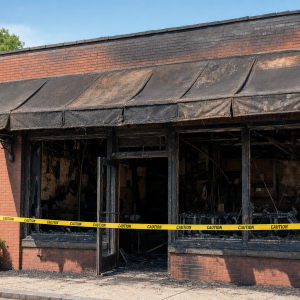
Not all claims are alike. A hurricane claim on a coastal home is different from a kitchen fire in a business, and both differ from hail damage on a suburban roof. Ask for two or three references from clients whose claims resembled yours in both property type and cause of loss. When you call, ask:
- How responsive was the adjuster during the claim?
- Did the process take longer or cost more than promised?
- Would you hire them again?
Adjusters who work claims across the region — from larger metro areas to smaller communities like those served by a public adjuster in Bahama NC — should be able to point you toward relevant references without much trouble.
Read the Fee Agreement Before You Sign
Public adjusters in North Carolina typically work on a contingency percentage of the claim settlement. Before signing anything, make sure the agreement clearly states:
- The exact fee percentage and what it applies to (the full settlement, or only amounts recovered above an existing offer)
- Your right to cancel and any deadline for doing so
- Which services are included — inspections, documentation, negotiation, appraisal support
- Who pays for third-party costs, such as engineers or contractors brought in for estimates
If any clause is vague, ask for it in writing. A trustworthy adjuster will walk you through the contract without pressure — and that willingness is often the clearest signal of all.
Do Policyholders Really Come Out Ahead With Professional Help?
Often, yes — though no one can guarantee an outcome. Policyholders who have knowledgeable representation and the persistence to press a claim through every available step tend to recover more than those who accept the first offer. North Carolina case law shows that homeowners who refuse to give up can ultimately prevail against insurers.
It’s a fair question to ask before hiring anyone, and it deserves an honest answer. A public adjuster cannot promise a bigger settlement, and any professional who does should raise a red flag. What professional help genuinely provides is documentation, negotiation skill, and staying power — three things most homeowners simply don’t have time to develop while also repairing their lives after a loss.
A North Carolina Example: Guessford v. Pennsylvania National Mutual
Consider Guessford v. Pennsylvania National Mutual Casualty Insurance Company. In that case, a North Carolina homeowner disagreed with his insurer over the value of damage to his home. Rather than accepting the insurer’s position, he pressed the claim through the appraisal process and, when that still didn’t resolve things fairly, took the dispute into the courts — and ultimately prevailed against the insurer. The lesson isn’t that every claim ends up in litigation; the vast majority don’t. The lesson is that the policyholders who come out ahead are usually the ones who insist on a full and fair evaluation and don’t fold at the first “no.” That persistence is exactly what strong representation brings to the table. Homeowners searching for a public adjuster in Wake Forest NC or anywhere else in the state should keep that principle front of mind.
What Professional Persistence Actually Looks Like
- Thorough documentation: Detailed damage inventories, photos, and estimates that make it harder for an insurer to undervalue the loss.
- Knowing the policy: Identifying coverages, endorsements, and deadlines a homeowner might overlook.
- Using every tool available: Supplemental claims, re-inspections, and — as Guessford illustrates — the appraisal process when valuations remain far apart.
- Staying engaged: Following up week after week so the claim doesn’t stall in a carrier’s queue.
Keeping Expectations Realistic
Not every claim will improve with professional help. Small, straightforward losses are sometimes best handled directly, and an ethical adjuster will tell you so. But when damage is significant, coverage is disputed, or the insurer’s estimate seems well below what repairs will actually cost, having an advocate changes the dynamic. This is just as true in smaller communities as in cities — a public adjuster near Carrboro NC handles the same policy language and the same carriers as one working a metro claim.
The takeaway: representation and persistence don’t guarantee a win, but they meaningfully improve your position. The strongest public adjuster reviews often describe exactly this — a professional who kept pushing until the settlement reflected the true scope of the damage.
How Do You Choose a Public Adjuster Before Storm Season Peaks?
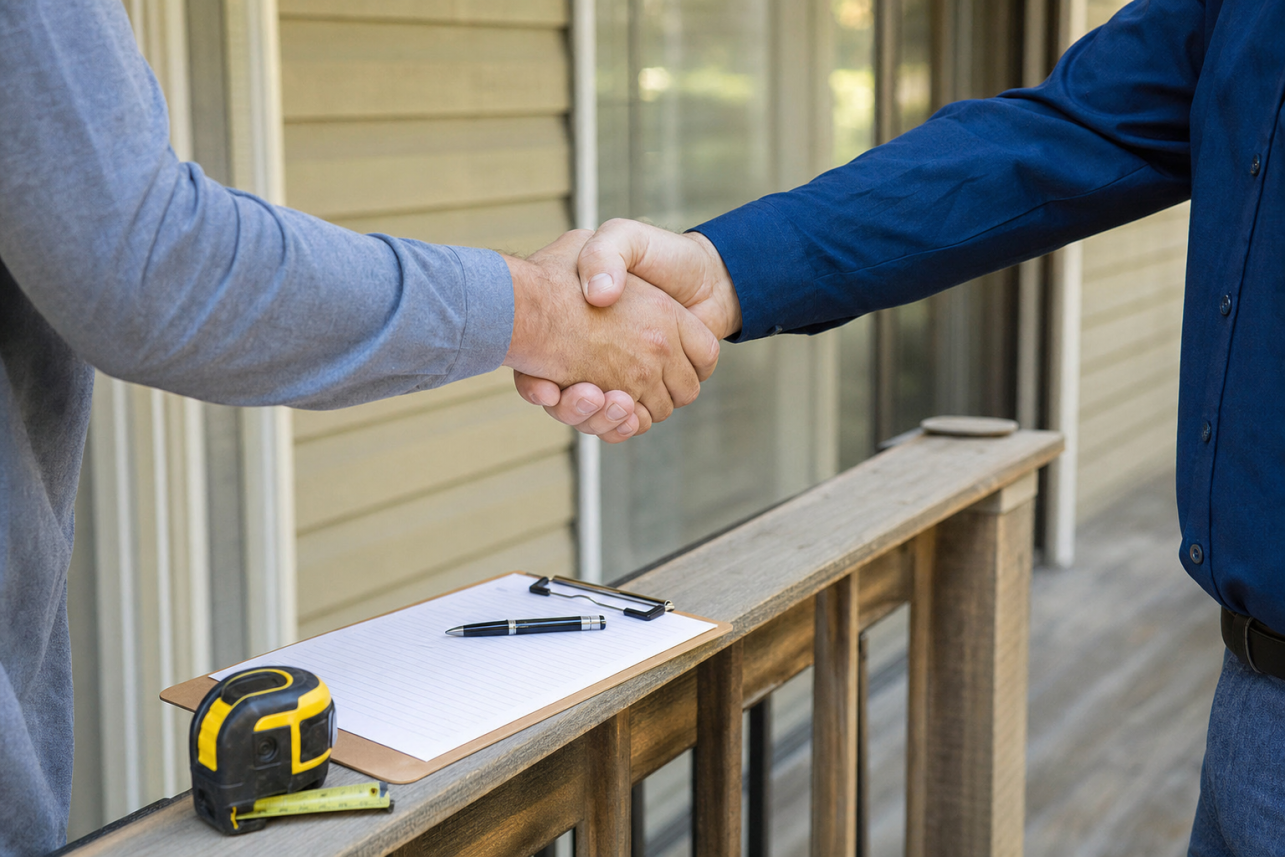
Choose a public adjuster before storm season by verifying their North Carolina license, reading recent public adjuster reviews, and interviewing two or three candidates by phone while your home is undamaged. Vetting now means that if a hurricane or severe thunderstorm hits, you already know exactly who to call — no scrambling, no pressure.
After a major storm, the best adjusters get booked quickly and out-of-state “storm chasers” flood into affected neighborhoods. Homeowners who wait until their roof is tarped often end up choosing whoever knocks on the door first. Doing your homework in calm weather flips that dynamic: you set the pace, ask hard questions, and compare answers without a leaking ceiling forcing your hand.
Questions to Ask on a First Phone Call
- “Are you licensed in North Carolina, and can I verify that?” A trustworthy answer includes a license number and points you to the North Carolina Department of Insurance to confirm it yourself. Hesitation here is a dealbreaker.
- “Are you bonded?” Reputable firms are licensed and bonded and will say so plainly, without you having to press.
- “How is your fee structured?” Look for a clear percentage explained upfront, in writing, with no vague “we’ll work it out later” language.
- “Have you handled claims like mine?” A good adjuster asks about your property and policy before promising anything. Be wary of anyone who guarantees a specific payout — an honest professional will never promise a dollar figure before reviewing your policy and damage.
- “Who will actually handle my claim?” The right answer names a specific person and explains how often you’ll get updates.
Why Local Familiarity Matters
North Carolina’s storm exposure varies widely by region, so it helps to work with someone who knows your area’s typical damage patterns. If you live in the Triangle’s fast-growing suburbs, for example, a Public Adjuster in Wake Forest NC will already understand common local roofing types, builder-grade materials, and how area carriers tend to respond to wind and hail claims.
The same goes for smaller communities in the eastern part of the state, where tropical systems often bring both wind and water damage. Homeowners searching for a Public Adjuster in Selma NC should ask candidates specifically about their experience separating wind-driven damage from flood damage, since flood losses fall under separate coverage through the National Flood Insurance Program (NFIP) and require different documentation.
The bottom line: spend an hour this month making calls and checking credentials. When the forecast turns ugly, you’ll have a vetted professional’s number saved in your phone — and that preparation is worth more than any promise a stranger makes on your doorstep after the storm.
Where to Find Reliable Public Adjuster Reviews in NC
| Review Source | What It Tells You | What to Watch For |
|---|---|---|
| Google Reviews | Volume of feedback and recent client experiences | Generic five-star reviews with no claim details |
| Better Business Bureau (BBB) | Complaint history and how disputes were resolved | Unresolved complaints or a pattern of similar issues |
| NC Department of Insurance | License status and any disciplinary actions | Lapsed licenses or regulatory violations |
| Referrals from attorneys or contractors | Professional reputation within the claims industry | Vague endorsements without firsthand experience |
Illustrative Example: Vetting an Adjuster After Storm Damage
Illustrative example
Consider a hypothetical Raleigh homeowner facing significant roof and water damage after a severe storm. Before signing with a public adjuster who knocked on her door, she checked the adjuster’s license with the NC Department of Insurance and read reviews across Google and the BBB. She noticed the first adjuster had several unresolved complaints, so she instead hired a licensed adjuster with detailed, consistent reviews and clear fee terms. This composite scenario shows how a few minutes of verification can help homeowners avoid problems and choose a reputable professional.
Frequently asked questions
Where can I find trustworthy public adjuster reviews in NC?
Start with Google Business Profiles, the Better Business Bureau, and the NC Department of Insurance, which lets you verify licenses and check for complaints or disciplinary actions. Also ask for references from past clients with claims similar to yours. Cross-check multiple sources rather than relying on one site, since a single platform can be padded with fake reviews or skewed by one unhappy client.
How can I tell if a public adjuster’s reviews are fake?
Watch for clusters of five-star reviews posted within days of each other, vague praise that never mentions a claim type or outcome, and reviewers with no other review history. Genuine reviews usually describe specifics: the type of damage, how communication went, and whether the settlement improved. Also check whether the adjuster responds professionally to negative reviews, which is often more revealing than the positive ones.
How much does a public adjuster cost in North Carolina?
Public adjusters work on contingency, meaning they take a percentage of your insurance settlement rather than charging upfront. Percentages vary by claim size and complexity, and North Carolina regulates public adjuster contracts, so the fee must be clearly stated in writing before you sign. Always get the exact percentage in the contract and confirm the adjuster is licensed through the NC Department of Insurance before agreeing to anything.
Is hiring a public adjuster worth it for a small claim?
Often not. Because adjusters earn a percentage of the settlement, small or straightforward claims may not justify the fee, and reputable adjusters will tell you that upfront. They add the most value on large, complex, or disputed claims — fire, major water damage, or hurricane losses — where documentation and negotiation can significantly change the payout. Be wary of anyone eager to sign you up for a minor claim.
How long does a claim take with a public adjuster?
It depends on the damage, the insurer, and whether the claim is disputed. Straightforward claims may wrap up in a few weeks, while large or contested losses can take several months, especially after a widespread event like a hurricane when insurers are overloaded. A good adjuster should give you a realistic timeline at the start and update you as things change — vague or shifting answers are a warning sign.
What are red flags when choosing a public adjuster?
Big ones include no NC license, pressure to sign a contract on the spot, guarantees of a specific settlement amount, requests for upfront cash, and door-to-door solicitation right after a storm. Also be cautious if the fee isn’t in writing, if they discourage you from reading the contract, or if you can’t find any verifiable review history. A legitimate adjuster welcomes questions and gives you time to decide.
What does a public adjuster actually do step by step?
After you sign a contract, they inspect and document the damage, review your policy to identify all covered losses, prepare a detailed estimate, and file or reopen the claim. They then handle communication and negotiation with your insurance company’s adjuster until a settlement is reached. Throughout the process you should receive regular updates, and you retain final authority to accept or reject any settlement offer.
Can I fire a public adjuster if I’m unhappy with them?
Usually yes, but the terms depend on your contract, so read the cancellation clause before signing. North Carolina also gives consumers certain contract protections, including a window to cancel after signing — confirm the current rules with the NC Department of Insurance. If an adjuster has already done substantial work, you may owe fees for that work, so raise concerns early and put any cancellation in writing.
What’s the difference between a public adjuster and the insurance company’s adjuster?
The insurance company’s adjuster works for the insurer and evaluates the claim on its behalf. A public adjuster works exclusively for you, the policyholder, and is paid by you — typically a percentage of the settlement. That’s why reviews matter more for public adjusters: you’re choosing your own advocate, and their skill at documenting damage and negotiating directly affects what you recover.
What mistakes do people make when hiring a public adjuster?
Common ones: signing with the first person who knocks after a storm, skipping the license check with the NC Department of Insurance, not reading the fee and cancellation terms, and choosing based on a single glowing review. Another is waiting too long — bringing in an adjuster after accepting a lowball settlement limits what they can do. Compare at least two or three adjusters and verify their track record first.
Related local pages
Have questions about a property claim? Talk to a licensed and bonded NC public adjuster today for a free, no-pressure claim review. Get in touch.
Last updated: September 2, 2026