
When you file a homeowners insurance claim, you’re not just notifying your insurer and documenting damage. You’re stepping into a high-stakes negotiation. You have to be ready for a fight, because your insurance company’s number one goal is protecting its profits—and that often comes at your expense.
Why Your Insurance Company Isn't on Your Side
When disaster hits your home, the first call is almost always to the insurance company. You expect them to be a partner, ready to help you put the pieces back together. But that belief is a common—and very costly—mistake.
The hard truth is this: filing a claim kicks off an adversarial process, not a collaborative one. Your insurer is a business, and its financial health depends entirely on paying out as little as possible on claims like yours.
This conflict of interest is the foundation of the entire claims process. Big carriers like State Farm and Allstate have spent decades perfecting a playbook designed to do one thing: minimize their payouts. They aren't sending a friendly helper to your home. They're sending a company adjuster who is trained to find every possible reason to deny, delay, or underpay your claim.
The Adjuster's True Role
That adjuster who shows up at your door works for the insurance company. They are paid by the insurance company. And their loyalty is 100% to the insurance company's bottom line. Their job is to build a case that limits how much their employer has to pay you.
They do this using a few common tactics:
- Controlling the Narrative: They want to be the first person to inspect the damage and write up the "scope of loss." This allows them to create a lowball estimate that conveniently misses hidden damage or uses cheap, low-grade materials for replacement costs.
- Leveraging Complex Policy Language: Your policy is a dense legal contract. Adjusters are experts at using confusing exclusions, tricky limitations, and obscure endorsements to justify a smaller check. Knowing what your policy actually says is your first line of defense. Our guide on how to read an insurance policy can get you started.
- Creating Delays: This is a "death by a thousand cuts" strategy. They drag their feet, ask for endless documents, and go silent for weeks. The goal is to wear you down until you're so exhausted and frustrated that you'll accept any lowball offer they throw at you.
A bombshell 2007 CNN investigation pulled back the curtain on this, exposing how major insurers allegedly used the consulting firm McKinsey & Co. to implement strategies that systematically underpaid claims. They even rewarded adjusters for closing claims fast and cheap, not for being fair or accurate.
Shifting Your Mindset for Success
The single most important thing you can do is recognize this reality from day one. You can't be passive or assume goodwill. You have to treat this like a business negotiation where you need to build an airtight case for the full and fair amount you are owed.
Look at the case of State Farm Lloyds v. Johnson. The Johnsons' roof was pummeled by hail, but State Farm's adjuster wrote it off as "cosmetic" and refused to pay for a replacement. It’s a classic move to minimize damage and avoid a big payout. The Texas Supreme Court's decision in that case drove home a critical point: you cannot rely on the insurer's opinion alone. You need a thorough, independent assessment of the damage.
This isn't about being cynical. It's about being smart and prepared. Every single thing you do—from that first phone call to the final negotiation—must be done with the knowledge that you are your own best advocate. Your insurer has a team of experts protecting their money. To get a fair settlement, you have to be just as prepared to fight for yours.
Documenting Your Damage Before the Adjuster Arrives
The first 48 hours after a disaster are pure chaos, but what you do in this window can make or break your entire claim. This is your game plan—the absolute must-dos before the insurance company’s adjuster even thinks about showing up.
Your policy spells it out clearly: your first job is to mitigate further damage. This is insurance-speak for taking reasonable steps to stop the problem from getting worse. After a pipe bursts, for example, taking quick steps to minimize water damage from a burst pipe isn't just common sense; it shows your insurer you're acting responsibly.
This might mean:
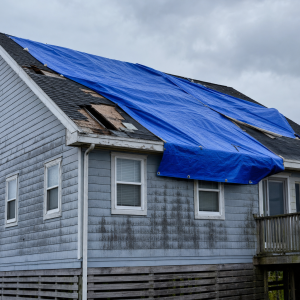
- Throwing a tarp over a hole in the roof to stop the rain from pouring in.
- Boarding up a shattered window.
- Getting a plumber out immediately to shut off a gushing pipe.
It is absolutely essential that you document every single one of these temporary repairs. Take photos, shoot videos, and keep every receipt. The insurance company is supposed to pay you back for these emergency costs, but they’ll fight you tooth and nail if you can't prove what you spent and why it was necessary.
The Golden Rule of Evidence
Before you move a single piece of furniture, clean up a single puddle, or throw anything away, stop. You need to think like a crime scene investigator. Your job is to capture undeniable proof of the damage exactly as you found it.
Insurers like Allstate and State Farm will jump on any excuse to argue the damage wasn't as bad as you claim. Don't let your own tidiness give them ammunition.
Your documentation needs to be obsessive. You can't take too many photos or videos. Here’s your shot list:
- The Big Picture: Get wide, panoramic shots of every damaged room. Shoot from different corners to show the full scope of the disaster.
- The Nitty-Gritty: Move in for close-ups of specific items—the warped floorboards, the stained ceiling, the ruined sofa. For any electronics or appliances, snap a clear picture of the model and serial number tag before you haul them to the curb.
- The Storytelling Details: If you had a flood, get photos of the high-water marks on the walls before they have a chance to dry. Capture the source of the problem, like that burst pipe under the sink or the tree limb that speared your roof.
Your First Call Should NOT Be to Their 1-800 Number
Most people think the first thing to do is call the toll-free number on their policy. This is a massive strategic error.
The second you report the claim, the insurance company takes control. They assign their adjuster, and that person’s main goal is to write up a "scope of loss" that protects the company’s bottom line—not yours.
"The company adjuster's first report sets the anchor for the entire negotiation. If their initial estimate is low—and it almost always is—you spend the rest of the claim fighting uphill to prove what you're actually owed."
The smarter play? Get an independent set of eyes on the damage first. A public adjuster works for you, the policyholder. We inspect the damage, dig into your policy, and build a detailed, comprehensive estimate of what it will really cost to fix everything before the insurance company’s guy ever shows up.
This is all about shifting your mindset from blindly trusting the carrier to taking control of the process.
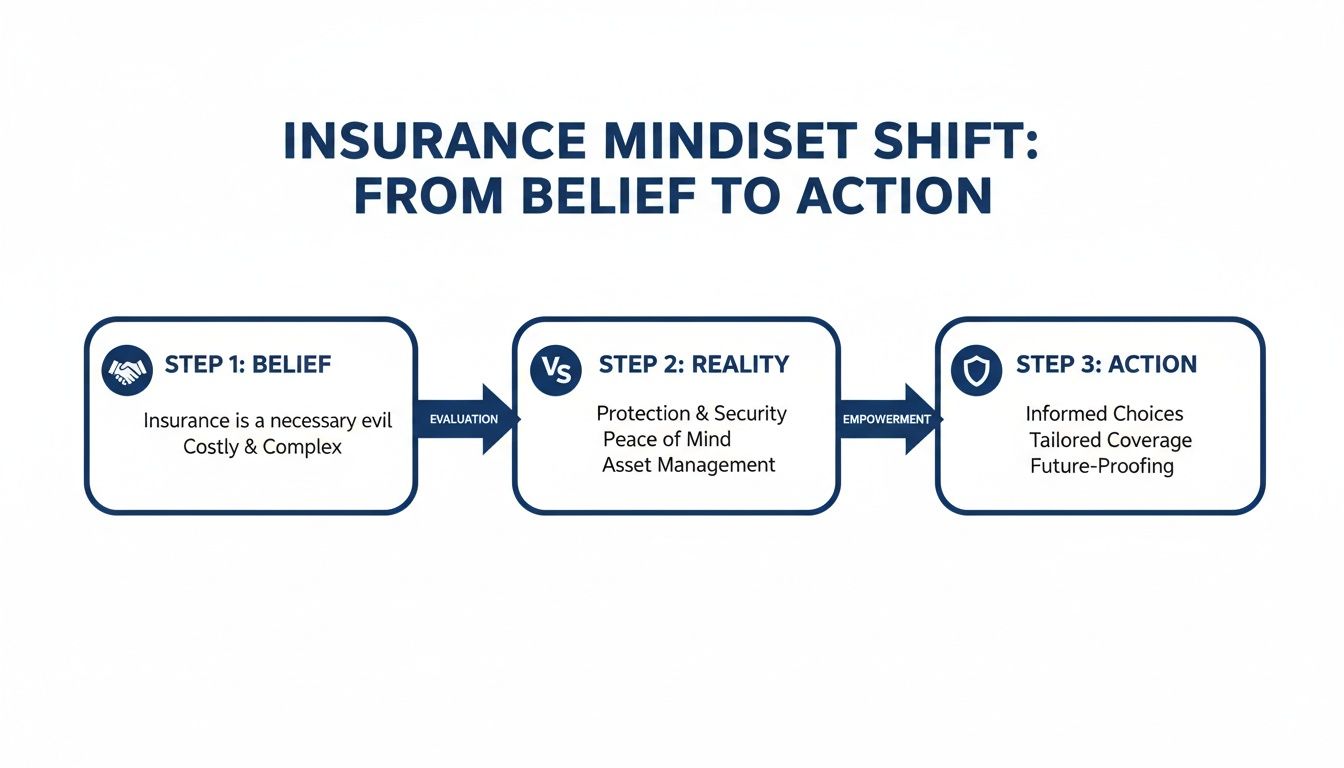
When you see the reality of this adversarial process, you empower yourself to get a fair result. This proactive documentation is your first move.
By building your own powerful record from the get-go, you stop the insurer from controlling the narrative. Every photo and every receipt becomes part of a claim file they can’t just brush aside. This is the evidence you’ll need to accurately complete your formal Proof of Loss form, which is a sworn statement of what you are claiming. You can learn more about the crucial details of a Proof of Loss in our detailed guide.
Seizing control of the documentation process is the first battle in winning the war for a fair settlement.
Building a Bulletproof Case for Your Claim

While you’re still reeling from the disaster, your insurer is already building its case—a case designed to justify paying you as little as possible. Your only defense is to build a stronger, more detailed, and undeniable case of your own. This is where you go beyond taking a few quick photos and start assembling an evidence package that forces their hand.
Don’t underestimate the fight you’re in for. The homeowners insurance market is projected to hit $175.1 billion in 2025, but that growth hides a harsh reality. While the total number of property claims actually hit a five-year low in the first quarter of 2025, the cost of each claim has exploded.
This means your single claim represents a much bigger potential loss for the insurer, giving them even more incentive to undervalue, delay, and deny. You're not just a number; you're a significant liability they want to minimize.
Creating an Exhaustive Personal Property Inventory
Let’s be blunt: the company adjuster will not spend the time required to inventory every single item you lost. That job falls squarely on your shoulders, and it’s a grueling task insurers are counting on you to abandon or rush through. A vague list is just an invitation for a lowball offer.
Your inventory has to be painfully meticulous. I mean a detailed spreadsheet with columns for every single damaged item, from the big-screen TV down to the silverware.
- Item Description: Not just "TV," but "Samsung 65-inch 4K Smart TV, Model QN65Q80."
- Manufacturer/Brand: List the brand for everything.
- Age of Item: Be honest. How old was it?
- Original Purchase Price: Time to dig. Find old receipts, bank statements, or even online listings for comparable items.
- Current Replacement Cost: This is the big one. What would it cost to walk into a store and buy that exact item today?
This detailed list is the backbone of your contents claim. Without it, you’re just guessing, and the insurance company will always guess lower.
Tracking Every Single Related Expense
Your claim isn’t just about the physical stuff inside your house. It includes every single dollar you’re forced to spend because you were displaced. These are called Additional Living Expenses (ALE), and insurers have a bad habit of "forgetting" to tell you what qualifies.
Start a separate log or file immediately. Save every receipt, no matter how small.
Crucial Tip: Never use a debit card for disaster-related expenses. Put everything on a credit card. This creates a clean, easily trackable record of spending that you can submit for reimbursement without mixing it with your normal daily finances.
Your expense log should include:
- Hotel bills or rental agreements
- Restaurant meals (since you can’t cook at home)
- Laundry costs if your machines were destroyed
- Mileage for extra driving to a temporary rental, storage unit, or stores
- Pet boarding fees if you can’t keep your animals with you
These costs add up shockingly fast. Meticulous tracking can easily add thousands of dollars to your final settlement—money your insurer certainly isn’t going to volunteer.
Demystifying the "Scope of Loss"
The "scope of loss" is the single most important document in your structural damage claim. It's supposed to be a detailed, room-by-room breakdown of all the repairs, materials, and labor costs needed to put your home back together.
Here’s the problem: the company adjuster’s version is almost always incomplete.
They will routinely overlook hidden damage, use cheaper materials in their estimates, and conveniently omit necessary steps in the repair process. Understanding the basics of the home appraisal process can give you a leg up here, as it helps you recognize how your home's features contribute to its value and spot what’s missing from the adjuster’s scope.
Take the real-life example of a North Carolina family whose home had heavy smoke damage. The Allstate adjuster’s scope of loss was a few pages long, offering a settlement that barely covered a deep cleaning. But when a public adjuster got involved, they produced a comprehensive 50-page scope that documented everything the company adjuster 'missed.'
The real scope included the need to replace all the insulation, seal the wall cavities to eliminate the stench, and even replace every single electrical outlet where soot had settled.
The result? The final settlement was more than triple the initial lowball offer. This story tells you everything you need to know. The insurer’s scope is just their opening bid in a negotiation, not a fair assessment of your damages.
To highlight this gap, here's a look at what most homeowners submit versus what a professional prepares.
Evidence Checklist Your Insurer Hopes You Overlook
| Evidence Category | Standard Homeowner Submission | Public Adjuster's Comprehensive Package |
|---|---|---|
| Photographs | Cell phone pictures of obvious damage taken from a distance. | High-resolution photos & video, including close-ups, wide shots, and photos of undamaged areas for comparison. |
| Personal Property | A handwritten list of major items like "couch, TV, bed." | A 20+ page spreadsheet detailing every item with make, model, age, and replacement cost, supported by links and receipts. |
| Structural Damage | A copy of the insurance adjuster's estimate. | A line-by-line rebuttal to the insurer's scope, plus estimates from 2-3 independent, vetted contractors. |
| Hidden Damage | Nothing. They don't know to look for it. | Reports from specialists (e.g., industrial hygienist for smoke, structural engineer for foundation) proving hidden damage. |
| Loss of Use | A handful of hotel and food receipts. | A detailed log of all ALE expenses, including mileage, pet boarding, and laundry, cross-referenced with credit card statements. |
| Documentation | A few emails and notes from phone calls. | A complete communications log with dates, times, names, and a summary of every interaction with the insurer. |
As you can see, the difference isn't just in the details—it's the difference between accepting a lowball offer and getting the settlement you're truly owed. Your job, or your public adjuster's, is to build the real scope of loss that leaves them no room to argue.
Countering the Insurance Adjuster's Tactics
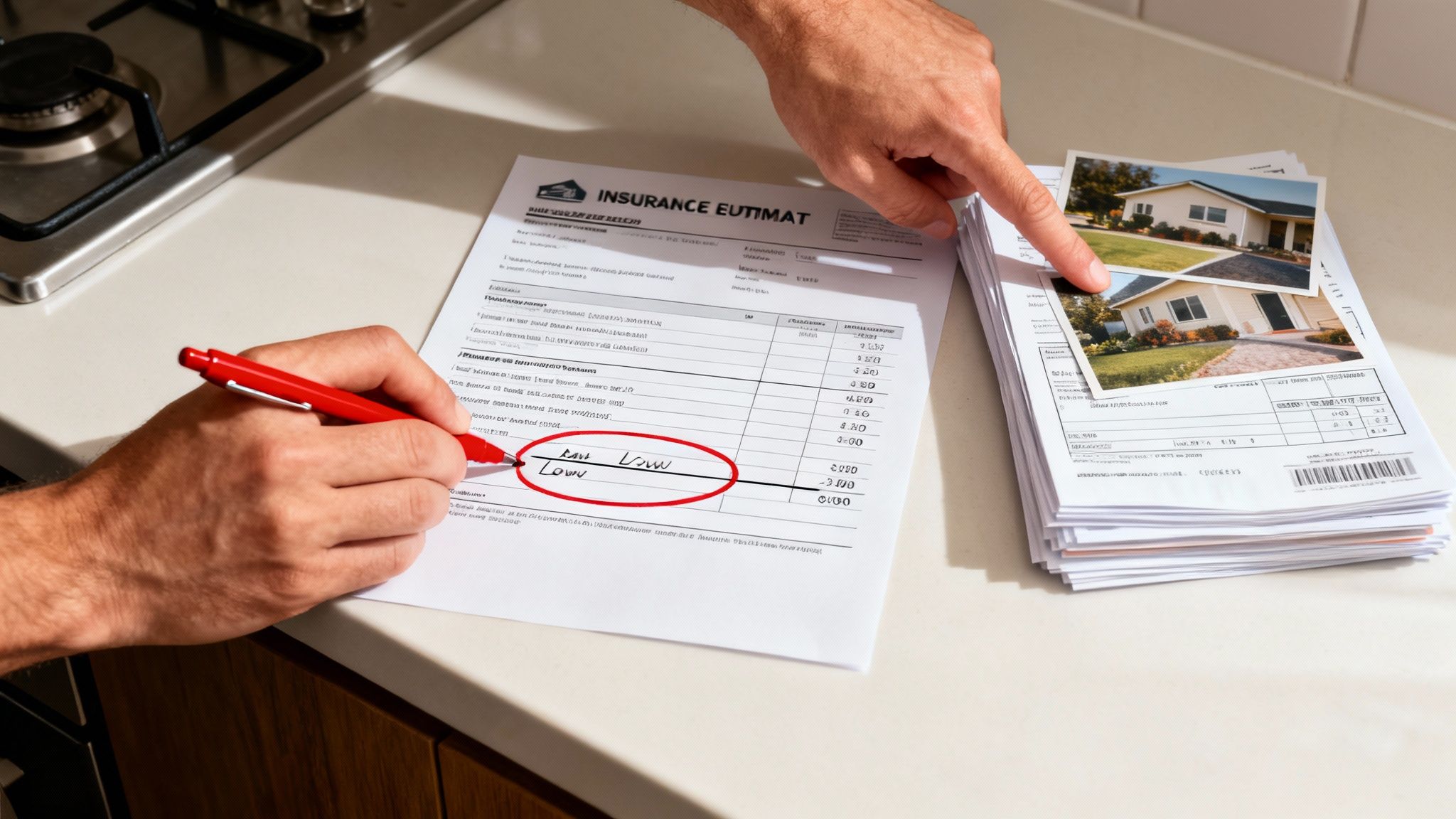
The moment your insurance company assigns an adjuster to your case, you've met your primary point of contact—and your primary opponent. Let’s be crystal clear: this person is not your friend, advocate, or partner in recovery. Their performance is measured by how effectively they close claims for the lowest possible cost, protecting the insurer's profits, not your financial future.
Understanding their playbook is the only way to protect yourself. Big insurers like Allstate and State Farm have spent decades refining a set of psychological and procedural tactics designed to wear you down and minimize your payout. Recognizing these moves before they happen is your best defense.
Managing All Communications
The adjuster's first goal is to control the flow of information. They will call you, express sympathy, and try to build a friendly rapport. This is a calculated move to get you to let your guard down.
Your countermove is simple but powerful: put everything in writing. After any phone conversation, immediately send a follow-up email summarizing what was discussed, including any promises or timelines they mentioned. This creates a documented paper trail that they can’t deny later.
An email log is your best friend in a claim dispute. It serves as irrefutable proof of delays, contradictions, and bad faith tactics, which can be invaluable if you need to escalate the issue or involve legal help.
This simple habit completely changes the dynamic. It forces the adjuster to be accountable and prevents them from using "he said, she said" arguments to confuse the issue down the road.
The Recorded Statement Trap
One of the first things an adjuster will request is a recorded statement. They'll frame it as a routine step, a simple formality to "get your side of the story." Don't fall for it. This is not a conversation; it's an interrogation designed to find inconsistencies or admissions that can be used against you.
The questions are intentionally vague and misleading:
- "So, tell me what happened in your own words." This is an open invitation to speculate or offer up details that could contradict your official claim.
- "How are you doing today?" If you casually say "fine," they can argue your displacement isn't causing significant hardship.
- "Was the roof old?" or "Have you had issues with that before?" These are leading questions designed to establish pre-existing damage.
You are not required to provide a recorded statement without representation. A polite but firm refusal is your best response: "I will provide all necessary information in writing to ensure accuracy." This protects you from being tricked into jeopardizing your own claim.
Deconstructing the Lowball Estimate
The company adjuster's estimate is the cornerstone of their lowball strategy, especially in claims for wind and hail damage. This is no accident. Wind and hail damage has become the leading cause of homeowners insurance claims, making up a staggering 42% of all insured home losses between 2018 and 2022. Insurers are highly motivated to minimize these frequent and costly payouts. You can dig into the numbers in the full 2025 Home Insurance Report.
Their estimate will look official, filled with line items and software-generated prices. But trust me, it’s often a work of fiction.
Here’s how they game the numbers:
- Undervalued Materials: They'll price for cheap, low-grade shingles instead of the architectural shingles you actually had on your roof.
- Omitted Labor Costs: The estimate might include the cost of new drywall but conveniently forget the cost to prime and paint it.
- Ignoring Code Upgrades: If your roof is destroyed, current building codes might require upgrades the adjuster "forgets" to include.
- Minimal Scope: For hail damage, they might only agree to replace a few shingles instead of the entire slope, creating a mismatched, weaker roof.
This is precisely where the battle is won or lost. You need your own, more detailed estimate from a trusted contractor or, even better, a public adjuster. Knowing the ins and outs of what a public adjuster does and how they can help you is absolutely key to countering the company's lowball tactics. Their job is to create a scope of loss that reflects reality, not the insurance company’s wishful thinking.
How to Dispute a Lowball Offer or Denial
Getting that letter in the mail with a shockingly low settlement offer—or an outright denial—isn't the end of your claim. It’s the start of the real fight.
Your insurance company, whether it’s a giant like State Farm or a regional carrier, is making a calculated bet. They're betting you'll get frustrated, exhausted, and just give up. Proving them wrong is your next move.
When a check arrives that barely covers a fraction of your contractor’s estimate, it’s not a mistake. It’s a business decision. They are testing you to see if you’ll just cash it and walk away.
A denial is even more blunt. It's the insurer’s way of saying they believe they have a legal out and don't have to pay you a dime. This is where you have to stand your ground and understand you have powerful options to hold them accountable.
Formally Disputing Their Decision
First things first: you have to formally reject their offer or denial in writing. A phone call is invisible. You need a paper trail, which means sending a certified letter or a clear, professional email.
In your letter, state that you are disputing their assessment and will be providing additional evidence to support the actual value of your claim. Keep your emotions out of it. Be firm, direct, and professional. This letter officially puts them on notice that the file isn't closed.
The insurer’s offer is just that—an offer. It’s their opening bid in a negotiation they hope you don't realize you're a part of. Rejecting it is the first step toward getting what you're actually owed.
At the same time, file a formal complaint with your state's Department of Insurance. This move creates regulatory pressure. Insurers hate having official complaints on their record, and it often forces them to assign a new, more senior adjuster to re-evaluate your claim, if only to get the regulator off their back.
Invoking the Appraisal Clause
Buried in the dense jargon of your policy is a powerful tool you probably don't know about: the appraisal clause. Triggering this clause can take the negotiation out of the hands of the company's biased adjuster.
Here’s the typical process:
- You hire an appraiser. This is an independent, qualified expert who assesses the damage and determines the true cost of repairs.
- The insurance company hires their appraiser. They'll pick their own expert to do the same.
- An umpire is chosen. The two appraisers agree on a neutral third-party expert, called an "umpire." If they can’t agree, a court will appoint one.
The appraisers present their findings. If they can’t agree on the total loss amount, their differences are submitted to the umpire. A decision agreed upon by any two of the three is binding. This is an incredibly effective way to break a stalemate and force a fair valuation based on facts, not the insurance company’s agenda.
Case Study Success in a Business Owner Claim
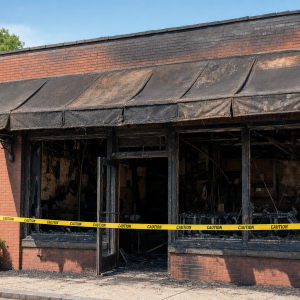
Think this doesn't work? Look at the case of a business owner in Apex, NC. A devastating fire destroyed his commercial property, and his insurance company denied the claim entirely, citing a minor technicality in his paperwork. The denial meant total ruin.
Defeated, he hired a public adjuster who immediately went to work. They reopened the claim, brought in forensic experts to prove the fire’s origin, and dug through the policy, finding specific language that completely invalidated the insurer's flimsy reason for denial.
They built an irrefutable package of evidence—complete with detailed contractor estimates for a full rebuild and a comprehensive analysis of his business interruption losses.
Faced with overwhelming proof and the threat of a bad faith lawsuit, the insurance company folded. The final settlement covered the full cost to rebuild and all the business's lost income. It’s a powerful reminder that an initial denial is just a tactic, not the final word.
Frequently Asked Questions About Difficult Claims
Going up against an insurance company on a tough claim can feel like a lonely, uphill battle. It’s frustrating and confusing. Here are some straight answers to the hardest questions we see homeowners grapple with when their insurer just won't cooperate.
What Should I Do If My Insurance Company Is Ignoring Me?
First, understand that this is rarely an accident. When your adjuster goes silent and stops returning calls, it's often a calculated delay tactic. They're hoping you'll get frustrated and either give up or accept a lowball offer just to be done with it.
Don't play their game. It's time to escalate. Send a formal, documented email to the adjuster and immediately copy their direct supervisor. In it, recap every single attempt you’ve made to get in touch—list the dates, times, and who you spoke to, if anyone. If the silent treatment continues for what’s considered an unreasonable time (often 15-30 days, depending on your state), your next move is to file a formal complaint with your state's Department of Insurance. This puts the company on notice with their regulators and almost always forces a response.
Can I Hire My Own Contractor for Repairs?
Yes, you can, and you absolutely should. You have every right to choose your own licensed and insured contractor to fix your home. Don't be surprised when your insurance carrier pushes hard for you to use one of their "preferred vendors."
There’s a simple reason for this: those vendors have pre-negotiated deals to work for less, which pads the insurance company's bottom line. Politely but firmly stand your ground. Inform your adjuster in writing that you will be getting independent bids from contractors you trust. This is the only way to guarantee the repairs are done right, without corners being cut just to save the insurer a few bucks.
Is It Too Late to Hire a Public Adjuster If I Already Got an Offer?
Not at all. In fact, getting that first lowball offer is precisely when many homeowners realize they need an expert in their corner.
Think of that initial offer for what it is: the insurance company's opening bid in a negotiation. It's not the final word.
You can bring a public adjuster on board even after a check has been issued. They’ll reopen the claim, perform their own meticulous inspection, and uncover all the damages your insurer’s adjuster conveniently missed. Armed with that evidence, they renegotiate from a position of power and expertise. More often than not, this leads to a substantially higher settlement—one that actually covers the full cost of putting your life back together.
When you're fighting a claim, you don't have to do it alone. The team at For The Public Adjusters, Inc. is ready to step in, take over the fight, and ensure you get the settlement you are owed. Contact us today for a no-cost claim review at https://forthepublicadjusters.com.