When disaster strikes your home or business, you rely on your insurance company to make you whole again. You've faithfully paid your premiums, holding up your end of the contract. But what happens when the company you trusted seems determined to fight you at every turn? When adjusters from giants like State Farm or Allstate prioritize their bottom line over your recovery, you may be experiencing bad faith insurance practices firsthand.
An example of an unfair claims settlement practice is not just one isolated misstep; it's often a calculated strategy to delay, deny, or drastically underpay what you are rightfully owed under your policy. These tactics can leave you feeling powerless, facing overwhelming repair costs while your insurer holds onto your money. Many common disputes about unfair claims practices arise during a roof insurance claim, making it essential for homeowners to understand their rights and how to fight back.
This guide is designed to pull back the curtain on these deceptive methods. We will unmask six of the most common unfair settlement practices used against property owners in North Carolina and Virginia. For each tactic, we'll provide a concrete example, break down the strategy behind it, and give you actionable steps to dispute the injustice. You'll learn how to identify these red flags, fight back against lowball offers, and understand how a public adjuster can level the playing field to secure the full and fair settlement you deserve.
1. Underpayment Through Inadequate Damage Assessment
A primary example of an unfair claims settlement practice is when an insurance company deliberately underpays a claim by conducting an incomplete or superficial inspection of your property. This tactic is a cornerstone of how carriers like State Farm or Allstate protect their profits at your expense. Their adjuster may spend minimal time at your property, documenting only the most obvious, surface-level damage while conveniently ignoring less visible but often more severe issues.
This practice results in a "lowball" settlement offer that falls drastically short of the true cost to repair and restore your home or business. The insurer is banking on you accepting their initial assessment without question, leaving you to pay out-of-pocket for hidden structural, water, smoke, or mold damage that inevitably appears later.
How This Unfair Practice Works
The strategy is simple: control the scope of loss from the very beginning. By limiting what is documented, the insurance company limits what they have to pay for.
- Water Damage Example: After a pipe bursts, the insurance adjuster conducts a 30-minute inspection. They use a moisture meter on the surface of the drywall and floor but never enter the crawl space or attic. Their estimate covers drying the room and replacing a section of drywall. Weeks later, you discover significant mold growth and rotted subflooring in the crawl space directly beneath the leak, a costly repair completely omitted from their initial settlement.
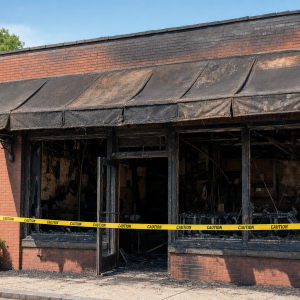
- Fire Damage Example: Following a small kitchen fire, the adjuster’s report focuses on the visible charring on cabinets and smoke stains on the ceiling. They completely ignore the smoke and soot that infiltrated the entire HVAC system and settled within wall cavities. Their offer won't cover the necessary comprehensive cleaning to remove the pervasive smoke odor and toxic particles, a critical step for making your home safe and habitable again.
- Hail Damage Example: The adjuster inspects your roof after a hailstorm and agrees to pay for shingle replacement. However, they fail to inspect the gutters, window frames, siding, and fascia, all of which sustained significant denting and damage that compromises their integrity and your home's curb appeal.
Actionable Steps to Fight Back
You do not have to accept the insurance company's inadequate assessment. The key is to create your own comprehensive and undeniable proof of loss.
- Document Everything Immediately: Before the adjuster arrives, take extensive photos and videos of all damaged areas, both obvious and potential. Get close-ups and wide shots.
- Demand a Thorough Inspection: Insist that the adjuster inspects hidden spaces like attics, crawl spaces, wall cavities, and mechanical systems. If they refuse, document their refusal in writing.
- Hire a Public Adjuster: This is the most effective step. A public adjuster works for you, not the insurance company. They bring in professional equipment, such as thermal imaging cameras and specialized moisture meters, to conduct a comprehensive inspection and identify all damage the carrier's adjuster missed.
- Obtain Independent Estimates: Get detailed repair estimates from licensed, reputable contractors. These should outline a full scope of work and will serve as powerful evidence against the insurer’s lowball offer.
- Challenge Exclusions in Writing: If the adjuster’s report excludes certain damages, demand a written explanation referencing specific policy language that justifies the exclusion. This puts the burden of proof back on them. Also, be aware of how they might apply depreciation to undervalue your claim; understanding the details of Actual Cash Value (ACV) vs. Replacement Cost Value (RCV) is critical in these disputes.
2. Unjustified Claim Denials Based on Policy Technicalities
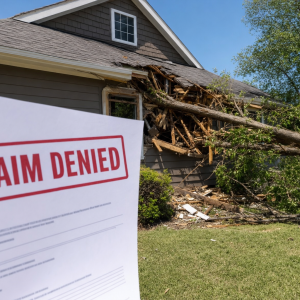
One of the most frustrating and blatant examples of an unfair claims settlement practice is when an insurance company denies your valid claim by misinterpreting or misapplying a minor policy technicality. Carriers like Nationwide or Travelers will weaponize complex policy language, finding an obscure exclusion or condition that is either irrelevant to your loss or deliberately taken out of context. This strategy wrongfully shifts the burden onto you, the policyholder, to prove your claim is covered when the insurer should be proving why it isn't.

They are betting that you won't have the expertise or energy to fight their denial, forcing you to abandon your claim and cover massive repair costs yourself. It's a calculated tactic designed to protect their profits by exploiting the very contract meant to protect you. This practice directly violates good faith principles and is a clear indicator that the insurer is not acting in your best interest.
How This Unfair Practice Works
The core of this tactic is to find any loophole, no matter how small or inapplicable, to avoid payment. The insurer's claims department will scrutinize your policy for any "out" they can use against you.
- Water Damage Example: A pipe bursts in your second-floor bathroom, causing extensive damage to the ceilings, walls, and floors below. Your carrier denies the claim by citing the policy's "flood" exclusion. This is a classic misapplication; flood damage is from rising surface water, while a burst pipe is a covered "sudden and accidental discharge" of water from within your plumbing system. They are knowingly misinterpreting their own policy to deny a legitimate claim.
- Wind Damage Example: A severe storm rips siding from your home. The insurance company denies the claim, alleging you failed to perform proper "maintenance," a common condition in policies. However, they provide no evidence that a lack of maintenance caused the high-powered winds to tear the siding off. They are creating a cause-and-effect relationship where none exists to justify the denial.
- Fire Damage Example: A kitchen fire occurs just two months after you switched to a new insurance provider. The carrier denies the claim, citing a "60-day waiting period" for new coverage. This is often an outright fabrication or a misreading of the policy's effective date; if your policy was active and paid for at the time of the loss, coverage should apply from day one unless a very specific and legally compliant waiting period for certain perils was explicitly stated and signed off on.
Actionable Steps to Fight Back
An unjustified denial is not the end of the road. You can and should fight back by dismantling the insurer’s weak arguments with facts and expert support.
- Demand a Denial in Writing: Never accept a verbal denial. Require the insurance company to provide a formal denial letter that cites the exact policy language, including section and page number, they are using to justify their decision.
- Obtain Your Complete Policy: Request a "certified" copy of your full insurance policy, including all declarations, endorsements, and riders. This ensures you have the same document the insurer is using.
- Document Everything: Compile all evidence related to your claim: photos of the damage, repair estimates, proof of premium payments, and a timeline of all communications with the insurer.
- Hire a Public Adjuster: A public adjuster is your most powerful ally against an unjust denial. They are experts in policy language and will conduct a thorough review to expose the insurer's misinterpretation. They understand the nuances of coverage and can build a compelling case to overturn the denial.
- Challenge Ambiguities: In states like North Carolina, any ambiguity or confusing language in an insurance policy must be interpreted in favor of the policyholder, not the insurance company that wrote it. If the insurer's cited reason for denial is vague, challenge it on these grounds. Understanding the steps for how to appeal an insurance claim denial is your critical next move in this fight.
3. Excessive Delays in Claims Processing and Payment
Another pervasive example of an unfair claims settlement practice is when an insurer intentionally drags out the claims process. This isn't just poor customer service; it's a calculated strategy employed by major carriers to wear you down. By creating unreasonable delays, they put immense financial and emotional pressure on you, hoping you'll become desperate enough to accept a lowball offer just to get funds for critical repairs.
This tactic weaponizes time against you, the policyholder. As weeks turn into months, your property may suffer secondary damage like mold or structural rot, while your frustration mounts. The insurance company knows that a prolonged, drawn-out claim is a powerful tool to protect their bottom line, even if it means violating statutory deadlines and acting in bad faith.

How This Unfair Practice Works
The core of this strategy is to create a constant state of "hurry up and wait," leaving you powerless and in the dark. The insurer manufactures delays through unnecessary bureaucracy, poor communication, and procedural hurdles that serve no purpose other than to stall your payment.
- Water Damage Example: You file a claim after a pipe bursts in your home. The North Carolina statute requires the insurer to acknowledge receipt of your claim within 14 days and complete their investigation within 30 days. However, the insurance company takes eight weeks just to assign an adjuster, blaming "high claim volume" while your home deteriorates.
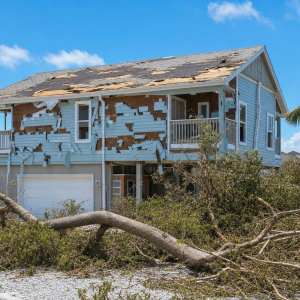
- Hurricane Damage Example: After a hurricane damages your roof and siding, the initial adjuster agrees on the scope of loss. But instead of issuing payment, the carrier delays for over six months, demanding multiple "supplemental inspections" without providing any reasonable justification, leaving your home exposed to further damage.
- Fire Damage Example: Your fire damage claim is finally approved after a lengthy investigation. However, the payment is held up for an additional three weeks due to what they call "administrative processing" after the settlement amount has already been determined and agreed upon. This delay prevents you from hiring a contractor to begin remediation.
Actionable Steps to Fight Back
You have rights, and state laws provide specific timelines that insurance companies must follow. Holding them accountable is key to overcoming these deliberate delays.
- Document All Communication: Keep a meticulous log of every phone call, email, and letter. Note the date, time, who you spoke with, and a summary of the conversation. This creates an undeniable timeline of the insurer's stalling.
- Cite Statutory Deadlines: In North Carolina, insurers must generally acknowledge a claim in 14 days and complete their investigation in 30 days. When communicating, specifically reference these deadlines and demand a written explanation for any failure to comply.
- Hire a Public Adjuster: A public adjuster acts as your advocate, managing all communication and holding the insurer accountable to legal timelines. They know the procedural games carriers play and can professionally escalate the matter to force a response and fair treatment.
- Escalate Internally and Externally: If your claim representative is unresponsive, ask for a supervisor or manager. If delays persist, file a formal complaint with the North Carolina Department of Insurance. This external pressure often gets a stalled claim moving again.
- Demand Justification in Writing: If the insurer requests another inspection or an engineering report after an agreement was reached, demand a written explanation detailing why it is necessary and how it doesn't constitute a delay tactic. This puts the burden on them to justify their actions.
4. Replacement Cost vs. Actual Cash Value Misapplication
A particularly deceptive example of an unfair claims settlement practice is when your insurance carrier intentionally misapplies depreciation to your claim. They do this by paying you the Actual Cash Value (ACV) for damaged items when your policy clearly states you have Replacement Cost Value (RCV) coverage. This tactic is a profit-saving maneuver used by insurers to significantly reduce their payout, leaving you with a settlement that doesn't come close to covering the real-world cost of repairs.
The insurance company is betting that you don't understand the difference between ACV (the value of an item minus depreciation for age and wear) and RCV (the cost to replace the item with a new, similar one today). They exploit this knowledge gap to justify paying you thousands less than what you are contractually owed, forcing you to either downgrade your repairs or pay a massive amount out of your own pocket.
How This Unfair Practice Works
The insurer’s strategy is to weaponize depreciation against you. By applying steep, arbitrary depreciation rates or incorrectly categorizing items that should not be depreciated, they can slash the value of your claim from the start.
- Hail Damage Example: Your 20-year-old roof is destroyed in a hailstorm. You have an RCV policy. The total cost to replace the roof is $15,000. The insurance company's adjuster applies an aggressive 80% depreciation schedule, claiming the roof was near the end of its life. They issue an ACV payment of only $3,000, promising the rest after you complete the work. This leaves you with a $12,000 shortfall just to get the project started, a financial impossibility for many homeowners.
- Fire Damage Example: A kitchen fire destroys your cabinets, appliances, and personal belongings. Your policy provides RCV coverage for your contents. The adjuster depreciates your 7-year-old sofa by 75%, paying you $500 for an item that costs $2,000 to replace. This systematic underpayment across hundreds of items results in a settlement that is tens of thousands of dollars short of what you need to recover.
- Water Damage Example: A supply line bursts, flooding your first floor. The carrier agrees it's a covered loss but then treats permanent fixtures like drywall, insulation, and custom cabinetry as depreciable items. They pay you the ACV for these materials, ignoring that under North Carolina and Virginia law, these are parts of the building structure that should typically be covered at their full replacement cost, not depreciated.
Actionable Steps to Fight Back
You should never accept an insurer’s self-serving depreciation calculations at face value. You can and should challenge their math to recover the full amount you are owed under your policy.
- Review Your Policy Declarations Page: First, confirm you have RCV coverage. The declarations page will clearly state this. Locate the specific language that outlines how RCV payments are made, including any requirements for recovering depreciation.
- Demand a Detailed Depreciation Schedule: Require the insurance company to provide a written, itemized list showing every single depreciation calculation. It must include the item's age, its replacement cost, the depreciation percentage applied, and the final ACV payout.
- Obtain Independent Replacement Cost Estimates: Get detailed quotes from licensed contractors for the full cost to repair or replace the damaged property using materials of like kind and quality. This creates a powerful real-world benchmark to dispute the insurer's numbers.
- Hire a Public Adjuster: This is the most direct way to level the playing field. A public adjuster will conduct a line-by-line audit of the insurer's estimate, challenge every single improper depreciation entry, and build an evidence-based claim file demanding full RCV payment according to your policy terms.
- Challenge Unrealistic Percentages: If the insurer depreciates an item by 60%, but the item was in excellent condition, provide photographic evidence and argue for a more reasonable figure. An an example of an unfair claims settlement practice is applying a blanket depreciation percentage without inspecting the actual condition of the property.
5. Unilateral Contractor Selection and Low-Cost Settlement
Another egregious example of an unfair claims settlement practice is when an insurance company pressures you to use their "preferred" contractor to perform repairs. This isn't a friendly recommendation; it's a calculated strategy to control costs by steering you toward a company that has agreed to work for less, often by cutting corners, using inferior materials, or leaving out necessary steps in the repair process. The insurer bases their settlement amount on this artificially low bid, creating a significant gap between their payout and the true cost of quality, code-compliant restoration.
This practice, often called "steering," puts you in an impossible position. You are left to either accept a substandard repair from a contractor you didn't choose or pay thousands out-of-pocket to hire a reputable contractor who will do the job correctly. Insurers like Nationwide or USAA leverage these networks to minimize their claim payouts, effectively shifting the financial burden of a complete and proper recovery back onto you, their policyholder.

How This Unfair Practice Works
The insurer’s goal is to justify a low settlement by manufacturing a low repair estimate. By pushing their network vendor, they create a baseline bid that ignores actual market rates and the full scope of work required.
- Fire Restoration Example: After a fire, your insurer’s preferred vendor provides a settlement estimate of $45,000. However, three independent, reputable restoration contractors quote the job between $65,000 and $70,000. The insurer refuses to budge from their low number, arguing they have a contractor willing to do the work for that price. The difference lies in the scope: the preferred vendor’s bid omits crucial steps like HVAC decontamination and attic insulation replacement.
- Water Damage Example: An insurer uses a national pricing database like Xactimate to determine repair costs, settling your drywall replacement at $12 per square foot. However, due to local labor shortages and material costs in North Carolina, the actual market rate is closer to $18 per square foot. This discrepancy results in an $8,000 underpayment on your claim, a shortfall their preferred contractor absorbs by using lower-grade materials and less experienced labor.
- Roof Replacement Example: Following hail damage, your carrier insists their settlement is based on a bid from an in-network roofer known for poor online reviews. Your trusted local roofer explains the insurer's estimate doesn't include costs for proper code-compliant flashing, ice and water shield, or adequate ventilation. You are left to pay an additional $6,000 to have the roof installed correctly and avoid future leaks.
Actionable Steps to Fight Back
You have the right to choose your own contractor. Do not let the insurance company bully you into using their vendor. Your focus should be on proving the true market cost for a proper and complete repair.
- Assert Your Right to Choose: In both North Carolina and Virginia, it is your right to select the contractor who will repair your property. Inform the adjuster in writing that you will be obtaining your own independent estimates.
- Get Multiple Independent Bids: Contact at least three licensed, insured, and well-regarded local contractors. Ask them for a detailed, line-item estimate that outlines the full scope of work, material quality, and labor costs. This is your primary evidence.
- Scrutinize the "Preferred" Bid: Demand a copy of the preferred contractor's estimate. Compare it line-by-line with your independent bids to identify exactly what has been omitted or underpriced.
- Submit Your Estimates as Proof: Provide all your independent estimates to the insurance company in writing. State that these documents reflect the true and accurate market rate for repairing your property to its pre-loss condition.
- Engage a Public Adjuster: A public adjuster is your most powerful ally in this fight. They will bring in their own trusted contractors to build an exhaustive scope of loss and use industry-standard pricing tools to defend it. They know how to dismantle an insurer's lowball estimate and negotiate a settlement based on reality, not on a sweetheart deal with a cheap vendor.
6. Fighting FEMA & NFIP Flood Claim Denials
A particularly damaging example of an unfair claims settlement practice is the bad faith mishandling of flood claims under the National Flood Insurance Program (NFIP). The adjusters for these claims, whether from NFIP directly or a Write Your Own (WYO) company, operate under a rigid, often unforgiving system. They frequently deny, delay, or severely underpay claims by exploiting complex rules, misclassifying damage, and imposing strict documentation requirements that can feel impossible to meet.
Dealing with a government-backed program like the NFIP is fundamentally different and often more difficult than a standard homeowner's claim. Carriers like Allstate, State Farm, and other WYO companies are known to use the program's complexity to their advantage, protecting their bottom line by lowballing settlements for catastrophic damage, leaving policyholders devastated and unable to rebuild.
How This Unfair Practice Works
The strategy revolves around weaponizing the NFIP's rigid bureaucracy and narrow coverage definitions. The adjuster's goal is to find any procedural misstep or interpret damage in a way that minimizes or eliminates the payout.
- Proof of Loss Denial: After a hurricane floods your home, you submit what you believe is a complete claim. The WYO adjuster denies it weeks later, citing a minor error on the mandatory "Proof of Loss" form. This strict adherence to technicalities, often without guidance, is a common tactic to stall or avoid payment entirely. The burden of perfection is placed entirely on you, the victim.
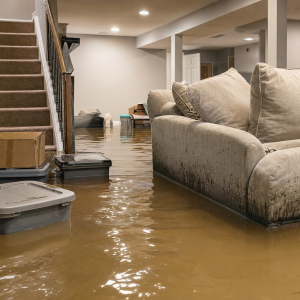
- Basement Coverage Misinterpretation: Your basement floods, destroying finished walls, flooring, and personal belongings. The NFIP adjuster correctly states that basement improvements and most contents are not covered. However, they also refuse to pay for covered items like the furnace, water heater, and foundation cleaning, lumping them in with the uncovered losses to drastically reduce the settlement.
- Damage Misclassification: Floodwaters damage the lower four feet of your home's structure. The adjuster's report only accounts for cleaning and drying the wood framing, paying a few thousand dollars. They deliberately omit the cost of treating for mold and replacing insulation, arguing it wasn't "directly damaged by floodwater" — a clear misinterpretation designed to underpay the claim by tens of thousands.
Actionable Steps to Fight Back
You must be proactive, meticulous, and persistent to overcome an NFIP denial or lowball offer. The system is designed to be difficult, but you can fight back.
- Document Everything Before Touching Anything: Take extensive photos and videos of the damage, including the high-water marks on both the interior and exterior of your home. This is non-negotiable evidence.
- Perfect the Proof of Loss Form: The Sworn Proof of Loss is the single most critical document in an NFIP claim. It must be detailed, accurate, and submitted within the strict 60-day deadline (unless extended). Any error can lead to a denial.
- Understand What's Covered (and What's Not): NFIP policies have very specific coverage limits. Familiarize yourself with what is and is not covered, especially regarding basements and personal property, to dispute any wrongful denials of covered items.
- Hire a Public Adjuster with NFIP Experience: This is your strongest weapon. An experienced public adjuster who specializes in the rigid, unforgiving NFIP process is invaluable. They know the procedural traps, how to properly document the claim, and how to build and file an appeal that forces FEMA and the WYO carrier to pay fairly. You can learn more about how to navigate a difficult damage from a flood claim and protect your rights.
- File a Formal Appeal: If your claim is denied, you have the right to appeal. This is a complex process that a public adjuster can manage on your behalf, presenting a fact-based argument that dismantles the WYO adjuster's unfair assessment.
6 Examples of Unfair Claims Settlement Practices
| Example | ???? Implementation Complexity | ⚡ Resource Requirements | ???? Expected Outcomes | ⭐ Effectiveness/Quality | ???? Key Advantage / Tip |
|---|---|---|---|---|---|
| Underpayment Through Inadequate Damage Assessment | Moderate — requires targeted inspections and documentation | High — specialized tools (moisture meters, thermal imaging), contractor estimates, time | Underpaid settlements; hidden damage worsens; long‑term costs rise | ⭐⭐⭐⭐ | ???? Document damage thoroughly; hire a public adjuster and inspect hidden spaces |
| Unjustified Claim Denials Based on Policy Technicalities | High — legal/policy interpretation and case‑by‑case review | Moderate — policy review, possible legal counsel, documentation | Valid claims denied; delayed repairs; potential lawsuits | ⭐⭐⭐⭐⭐ | ???? Obtain full policy copy, demand written denial, appeal with expert/legal support |
| Excessive Delays in Claims Processing and Payment | Low–Moderate — administrative stalling and repeated requests | Low for insurer; high impact on claimant (time, temporary housing, loans) | Financial hardship; deterioration of property; pressure to accept low offers | ⭐⭐⭐⭐ | ???? Track all communications, escalate, file regulator complaint, consider public adjuster |
| Replacement Cost vs. Actual Cash Value Misapplication | Moderate — depreciation calculations and policy interpretation | Moderate — depreciation schedules, contractor replacement estimates, adjuster review | Large settlement gaps; inability to fully rebuild or replace items | ⭐⭐⭐⭐ | ???? Request detailed depreciation schedule; supply current replacement bids; challenge unrealistic depreciation |
| Unilateral Contractor Selection and Low‑Cost Settlement | Low — insurer steering via preferred vendor networks | Low for insurer; homeowner may need multiple estimates and negotiation time | Substandard repairs; out‑of‑pocket costs; code or warranty issues | ⭐⭐⭐⭐ | ???? Obtain multiple licensed contractor bids; assert right to choose and present market rates |
| Fighting FEMA & NFIP Flood Claim Denials | High — source classification, NFIP rules, complex investigations | High — forensic water experts, NFIP documentation, legal/appeal resources | Denials or underpayment of flood/water losses; severe financial and structural harm | ⭐⭐⭐⭐⭐ | ???? Document water source, hire specialists, meet NFIP proof‑of‑loss requirements, escalate appeals |
You Don't Have to Fight Alone: Get the Claim Help You Deserve
Navigating the aftermath of property damage is stressful enough without the added burden of battling an insurance company that refuses to honor its commitment. Throughout this article, we have exposed the anatomy of bad faith, showing that an example of an unfair claims settlement practice is not just an isolated mistake but often a deliberate strategy to protect profits. From low-ball estimates and unjustified denials to agonizing delays and the misapplication of policy terms, these tactics are designed to wear you down and pressure you into accepting less than you are owed.
Recognizing these red flags is your first line of defense. When an adjuster from State Farm or Allstate rushes through an inspection, uses outdated pricing, or twists the words of your policy to deny coverage, you are witnessing a system built to minimize payouts. The power imbalance is stark: you, the policyholder, are recovering from a disaster while they, the multi-billion-dollar corporation, deploy a team of experts trained to find reasons not to pay.
Your Path Forward: From Victim to Victor
The most critical takeaway is that you do not have to accept their initial offer or denial as the final word. The law, particularly in states like North Carolina and Virginia with their specific Unfair Claim Settlement Practices Acts, provides a framework for holding insurers accountable. However, understanding your rights is one thing; enforcing them is another. This is where professional advocacy becomes not just a benefit but a necessity.
Here are the essential steps to take when you suspect unfair treatment:
- Document Everything: Keep a detailed log of every phone call, email, and letter. Note dates, times, who you spoke with, and what was discussed.
- Never Sign Away Your Rights: Do not sign a final "proof of loss" or release form until you are 100% certain the settlement is fair and covers all your damages.
- Obtain an Independent Assessment: Don't rely solely on the insurance company's adjuster. Hire your own experts, like an independent contractor or a public adjuster, to get a true scope and cost of repairs.
- Know Your Policy: Read your policy thoroughly. If you don't understand it, seek help from someone who does-someone who works for you.
Leveling the Playing Field with Expert Advocacy
Fighting an insurance giant alone is an uphill battle they count on you losing. An experienced public adjuster flips the script. We are licensed professionals who work exclusively for policyholders, not insurance companies. We conduct our own meticulous inspections, document every detail of the damage, and use industry-standard software with localized pricing to build an undeniable case for the true value of your claim.
As one of our clients, Lisa G., experienced firsthand after her claim dispute, having an expert on her side made all the difference:
"I will not make another claim without them. I tried and was totally ripped off, lied to, and taken advantage of. After hiring For the Public Adjusters I ended up with more than double the original offer from my insurance company." – Lisa G.
This experience highlights a crucial truth: insurers often respond differently when confronted by a professional who speaks their language and knows their tactics. When you have a public adjuster managing the process, you are no longer just a claim number; you are a well-represented claimant with a meticulously documented case, forcing the insurer to adjust their settlement in good faith. You gain the leverage needed to secure the funds required to properly rebuild your home or business, turning a potential financial disaster into a manageable recovery.
Don't let an unfair claims practice dictate your family's future or your business's survival. If you are facing a delayed, denied, or low-balled property damage claim in North Carolina or Virginia, the team at For The Public Adjusters, Inc. is ready to fight for you. We level the playing field and ensure your insurer is held accountable, so you can get the full and fair settlement you deserve.