Mold Insurance Coverage After Water Damage: The Quick Answer
Mold insurance coverage in North Carolina and Virginia typically applies only when mold results from a sudden, accidental water loss your policy already covers — like a burst pipe. Even then, most policies cap mold-related payouts with sub-limits of roughly $1,000 to $10,000, which often falls far short of actual remediation and repair costs.
Key takeaways
- Most NC homeowners policies cap mold remediation at $1,000–$10,000, far below the cost of a serious infestation.
- Mold is typically covered only when it results from a sudden, accidental water event — not from slow leaks, humidity, or deferred maintenance.
- Filing quickly matters: insurers often deny mold claims when the underlying water damage wasn’t reported and mitigated promptly.
- You can often buy a mold coverage endorsement to raise limits, but you must add it before a loss occurs.
- Flood-related mold is excluded from standard homeowners policies entirely and requires separate flood insurance.
That short answer surprises a lot of homeowners. Many people assume that because their policy covers water damage, it automatically covers whatever that water damage causes — including mold. In reality, insurers treat mold as a separate, tightly restricted category of loss, and the fine print determines whether you get meaningful help or a token payment.
When Mold Is Usually Covered
In most NC and VA homeowner policies, mold is only covered when it grows as a direct result of a sudden and accidental covered peril. Common examples include:
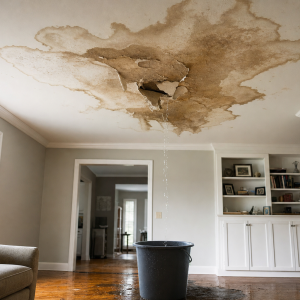
- A burst supply line or frozen pipe that soaks walls and flooring
- Water discharged from an appliance failure, like a washing machine hose rupture
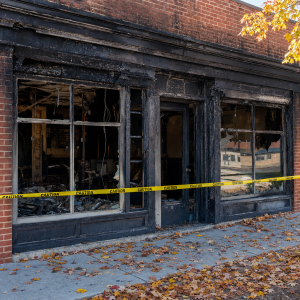
- Water used by firefighters to extinguish a covered fire
- Storm-created openings in the roof that let rain inside
If the underlying water event is covered, the resulting mold may be covered too — but almost always subject to a sub-limit.
When Mold Is Usually Excluded
On the other hand, mold that develops from slow, ongoing, or preventable moisture problems is routinely excluded. That typically includes:
- Long-term leaks under sinks, behind walls, or around windows
- Chronic humidity, condensation, or poor ventilation
- Deferred maintenance, such as a roof leak left unrepaired
- Flooding and surface water, which fall under separate flood insurance, not a standard homeowners policy
Why the Sub-Limit Matters So Much
Even when mold is covered, the sub-limit is where homeowners get hurt. Professional mold remediation frequently involves containment, demolition of affected drywall and flooring, drying equipment, air scrubbing, testing, and rebuild work. Those costs can easily exceed a $5,000 or even $10,000 cap when mold has spread inside wall cavities or under floors. The gap between the sub-limit and the real cost of remediation is one of the most common — and most expensive — surprises in water damage claims.
This is why how the claim is framed matters. Damage documented and paid as part of the covered water loss is generally paid under your full policy limits, while anything the insurer labels as mold may be squeezed into the sub-limit. If you’re dealing with a soaked home right now, acting fast on the water claim itself is critical — see our guide to water damage claim help in Burlington NC for what those first steps look like.
The sections below break down exactly how these policies work in North Carolina and Virginia, the sub-limits and exclusions homeowners miss, and what to do if your insurer denies or underpays a mold claim.

Does Homeowners Insurance Cover Mold in North Carolina and Virginia?
In both North Carolina and Virginia, homeowners insurance covers mold only when it results from a sudden, accidental covered peril — like a burst pipe or a failed washing machine hose. Mold caused by slow leaks, high humidity, flooding, or deferred maintenance is almost always excluded, regardless of how severe the growth becomes.
This is what insurance professionals call the “covered-peril rule,” and it’s the single most important concept in mold insurance coverage. The insurer isn’t really paying for the mold itself — it’s paying for the consequences of a loss the policy already covers. If the water event that caused the mold is covered, the resulting mold remediation usually is too. If the water source is excluded, the mold is excluded along with it.
When Mold Is Typically Covered in NC and VA
Most standard HO-3 policies sold in both states will respond to mold that follows a sudden and accidental water discharge, such as:
- A burst or frozen pipe — a common winter loss in Piedmont NC and much of Virginia
- Appliance failures — a ruptured water heater, dishwasher supply line, or washing machine hose
- Water used to extinguish a fire — firefighting water that later triggers mold growth
- Sudden roof damage from wind or hail — where a storm opens the roof and rain enters
In these scenarios, mold is treated as a consequence of the covered water event. If a pipe bursts behind a wall in your home, the resulting drywall damage, drying, and reasonable mold remediation are generally part of the same claim — which is one reason it pays to handle the water damage claim correctly from the start.
When Mold Is Typically Excluded
Policy language in both states commonly excludes mold arising from:
- Slow or repeated leaks — a pinhole pipe leak or dripping shower pan that went unnoticed for weeks or months
- Humidity and condensation — crawl space moisture is a notorious problem in NC and VA homes, and insurers treat it as a maintenance issue
- Flooding and surface water — flood-related mold falls under a separate flood policy, not homeowners insurance
- Deferred maintenance and neglect — worn roof flashing, failed caulking, or clogged gutters that allowed water in over time
Watch the Policy Wording
Many NC and VA policies use language excluding “constant or repeated seepage or leakage of water over a period of weeks, months, or years.” Adjusters lean on this wording heavily, sometimes arguing a sudden loss was actually a long-term leak to avoid paying. The source and timeline of the water event — not the mold itself — usually decides whether your claim gets paid, which is why documenting when and how the water damage happened matters so much.
What Mold Sub-Limits and Exclusions Do Homeowners Miss in Mold Insurance Coverage?
Most homeowners policies cap mold-related payouts through a fungi or bacteria endorsement, typically limiting coverage to somewhere between $1,000 and $10,000 — far below the cost of serious remediation. Homeowners often miss how these caps apply, how anti-concurrent causation clauses void coverage, and how “resulting damage” wording can restore it.
The Fungi/Bacteria Endorsement and Its Dollar Caps
Rather than covering mold under your full dwelling limit, most insurers add a “Fungi, Wet or Dry Rot, or Bacteria” endorsement that carves mold out and gives back a small, capped amount of mold insurance coverage. That cap usually has to stretch across multiple costs at once, including:
- Removal and remediation of the mold itself
- Tear-out and replacement of building materials needed to reach the mold
- Testing and sampling before and after remediation
- Additional living expenses tied specifically to the mold loss
Because remediation for a wall cavity or crawl space can easily exceed a low cap, that single number often becomes the ceiling on your entire mold recovery — regardless of your overall policy limits.
Per Occurrence vs. Per Policy Period
Read the endorsement carefully to see how the limit applies. Some policies state the cap is the most the insurer will pay per occurrence, while others make it an aggregate limit for the entire policy period, no matter how many separate losses you suffer that year. If mold shows up in two unrelated incidents — say, a burst pipe in spring and a roof leak in fall — an aggregate limit means both claims share one pool of money.
Anti-Concurrent Causation Clauses
Many policies include anti-concurrent causation (ACC) language, which says that if an excluded cause of loss contributes to the damage “directly or indirectly” or “in any sequence,” the entire loss can be excluded. Insurers sometimes lean on ACC clauses to argue that because mold (an excluded or limited peril) is involved, related water damage should be limited too. Understanding how your policy chains causes together is critical before you accept a denial at face value.
Why “Resulting Damage” Wording Matters
Some mold exclusions contain an exception for ensuing or resulting loss — damage that follows from a covered peril. This wording can be the difference between a capped payout and full coverage:
- If a covered peril (like a sudden pipe burst) causes water damage that then leads to mold, some policies pay the water damage in full and apply the sub-limit only to the mold portion.
- If the policy lacks this exception, the insurer may try to sweep water damage and mold together under the small cap.
The precise sequence of events — and how your adjuster characterizes it — directly affects which bucket your claim falls into. Homeowners who don’t push back on that characterization often leave significant money on the table.

What Should You Do if You Find Mold After Water Damage?
If you find mold after water damage, stop the water source immediately, document everything with photos and video, begin drying the area, and get an independent mold assessment before remediation. Review your policy’s fungi endorsement, then file your claim with detailed proof — because once remediation starts, much of your evidence disappears for good.
The order of these steps matters more than most homeowners realize. Insurers evaluate mold claims based on causation and timing, and the actions you take in the first few days often determine whether your mold insurance coverage applies at all. Here’s how to work through it.
Step 1: Stop the Water and Document Before You Touch Anything
Shut off the water source or have the leak repaired right away — insurers expect prompt action, and continued leaking can be treated as neglect. Before any cleanup begins, capture the scene thoroughly:
- Photograph and video the mold growth, the water source, and all affected rooms from multiple angles
- Include close-ups of staining, warping, and visible growth, plus wide shots showing location and extent
- Keep damaged materials (carpet padding, drywall cutouts) when safely possible, or photograph them before disposal
- Save receipts for emergency repairs, fans, dehumidifiers, and any temporary housing
Step 2: Mitigate Promptly — But Don’t Fully Remediate Yet
Your policy requires you to prevent further damage, so start drying the space with fans and dehumidifiers and remove standing water. However, resist the urge to gut the room before your insurer or an independent assessor has seen it. Full remediation before documentation can destroy the very evidence that proves your claim, and insurers may argue there’s no way to verify the cause or scope of the loss.
Step 3: Get an Independent Mold Assessment
Hire a mold assessor or industrial hygienist who is independent of the remediation company — separating assessment from remediation avoids conflicts of interest. A professional assessment documents the species and extent of growth, moisture readings, and, critically, evidence tying the mold to a covered water event rather than long-term humidity or maintenance issues. That causation link is often the deciding factor in whether mold insurance coverage kicks in.
Step 4: Review Your Fungi Endorsement and File With Proof
Before filing, read your policy’s fungi, wet rot, or dry rot endorsement so you know your sub-limit and what the claim must demonstrate. Then submit your claim promptly and in writing, including:
- Your photo and video documentation, organized by date
- The independent assessment report and moisture readings
- Plumber or contractor invoices confirming the water source and repair
- A timeline showing when the water event occurred and how quickly you responded
A well-documented claim filed before remediation erases the evidence puts you in a far stronger position — whether the insurer pays promptly or you end up disputing their decision later.
Can Homeowners Win When Insurers Deny or Lowball Mold Claims?
Yes. Homeowners can and do overturn denied or underpaid mold claims through appeals, appraisal, professional representation, and litigation. Courts have awarded significant judgments when insurers mishandled water and mold claims, and public adjusters routinely negotiate settlements well above an insurer’s first offer — though no outcome is ever guaranteed in any individual claim.
The Ballard Verdict: Proof That Insurers Can Be Held Accountable
The best-known example is Ballard v. Fire Insurance Exchange, a Texas case that reshaped how the industry treats mold. Homeowner Melinda Ballard sued her insurer after a water leak in her Austin-area home led to widespread toxic mold contamination. She argued the insurer delayed and mishandled the underlying water damage claim, allowing the mold to spread until the home became uninhabitable.
In 2001, a Texas jury returned a verdict of roughly $32 million — one of the largest mold-related awards ever. Although an appeals court later reduced the judgment substantially, the case still resulted in a multimillion-dollar recovery and sent a clear message: when an insurer’s claim handling makes mold damage worse, the insurer can be held responsible for the consequences.
For NC and Virginia homeowners, the lesson isn’t the dollar figure — it’s the legal principle. If a covered water loss was reported promptly and the insurer’s delays or lowball estimates allowed mold to develop or spread, that mishandling itself can become the basis for a much larger recovery.
What Winning Usually Looks Like in Practice
Most successful outcomes never reach a courtroom. Homeowners typically improve denied or underpaid mold claims by:
- Documenting causation. Showing the mold resulted from a sudden, covered water event — not long-term neglect — is often the single biggest factor in reversing a denial.
- Challenging the insurer’s estimate. Carrier estimates frequently omit containment, air filtration, testing, and proper tear-out, all of which legitimate remediation requires.
- Invoking appraisal or hiring representation. Public adjusters who re-scope water-and-mold losses regularly identify damage the original adjuster missed, and it is common for revised settlements to come in substantially higher than the initial offer — sometimes several times the first payment, depending on what was overlooked.
- Escalating in bad-faith situations. Where an insurer unreasonably delays or denies a valid claim, both North Carolina and Virginia law provide avenues for holding the carrier accountable, including complaints to the state insurance department and, in some cases, litigation.
A Realistic Word of Caution
No public adjuster or attorney can promise a specific result, and headline verdicts like Ballard are the exception, not the rule. What these outcomes demonstrate is that an insurer’s first answer isn’t final. Homeowners who push back with solid evidence, a correct reading of their mold insurance coverage, and experienced help frequently recover far more than they were originally offered.

How Can a Public Adjuster Help With Mold Insurance Coverage in NC or VA?
A licensed, bonded public adjuster works only for the policyholder — not the insurance company. On a mold claim, they document the covered water event that caused the mold, separate covered water damage from capped mold remediation, obtain independent repair estimates, and negotiate with the insurer so you aren’t absorbing costs the policy should pay.
Because mold sub-limits are so easy to trigger, how a claim is documented and categorized often matters as much as the damage itself. That’s where professional representation can change the trajectory of a claim.
Proving the Covered Water Origin
Mold rarely appears on its own — it follows a water event. A public adjuster builds the record that connects the mold to a covered cause of loss, such as a burst pipe or appliance failure, rather than letting the insurer frame it as long-term seepage or neglect. That documentation typically includes:
- Photos, moisture readings, and inspection notes tying the mold to a specific water intrusion
- Plumber, contractor, or mitigation reports establishing when and how the water damage occurred
- A timeline showing you acted promptly once the damage was discovered
Separating Water Damage From the Mold Cap
One of the most valuable things a public adjuster does is scope the loss line by line. Tearing out wet drywall, drying the structure, and replacing water-damaged flooring are often part of the covered water claim — not the mold sub-limit. When everything gets lumped under “mold,” the capped amount runs out fast. A properly separated estimate keeps the mold cap for actual mold remediation and pushes water-related repairs into the broader coverage where they belong.
Independent Estimates and Real Negotiation
Insurer estimates sometimes rely on pricing or scopes that don’t reflect what local remediation and reconstruction actually cost. A public adjuster obtains independent estimates, applies recognized industry standards for drying and remediation, and negotiates the claim on your behalf. Guidance on cleanup scope — such as the EPA’s mold remediation standards at epa.gov/mold — can support arguments about what a proper remediation actually requires.
Verify Licensing Before You Hire
Both states regulate public adjusters, and you can confirm a license before signing anything. In North Carolina, check with the North Carolina Department of Insurance; in Virginia, the State Corporation Commission’s Bureau of Insurance handles licensing. Work only with adjusters who are licensed and bonded in your state.
No one can promise a specific outcome on a claim — and you should be wary of anyone who does. What a qualified public adjuster offers is a thorough, well-documented claim, an accurate separation of covered water damage from capped mold remediation, and an advocate negotiating so the policy pays what it’s actually written to pay.
Mold Insurance Coverage: Covered vs. Excluded Scenarios in NC
| Scenario | Typically Covered? | Why |
|---|---|---|
| Burst pipe leads to mold within days | Often yes, up to policy sublimit | Sudden and accidental water damage is a covered peril |
| Slow leak under sink over months | Usually no | Classified as neglect or gradual damage |
| Mold after hurricane flooding | No (under homeowners) | Flood damage requires a separate NFIP or private flood policy |
| High humidity or poor ventilation mold | No | Considered a maintenance issue, not a covered peril |
| Mold from covered roof storm damage, promptly reported | Often yes, up to sublimit | Traceable to a covered, timely-reported loss |
Illustrative Example: A Charlotte Homeowner’s Coverage Gap
Illustrative example
Consider a hypothetical Charlotte homeowner whose washing machine supply line bursts while the family is away for a weekend. The water damage itself is covered, but by the time remediation begins, mold has spread behind drywall in two rooms — and the policy’s mold sublimit covers only a fraction of the remediation estimate. Because the homeowner reported the loss immediately and documented everything, the insurer pays the water damage claim in full, but the family absorbs a significant out-of-pocket cost for mold work above the sublimit. This composite scenario shows why reviewing your mold sublimit and considering an endorsement before a loss is critical.
Frequently asked questions
Does homeowners insurance in North Carolina include mold insurance coverage?
Usually only in limited situations. Most standard homeowners policies cover mold remediation only when the mold results from a sudden, accidental covered peril, such as a burst pipe or water heater failure. Mold caused by long-term leaks, humidity, poor maintenance, or flooding is typically excluded. Even when mold is covered, many policies cap the payout with a specific mold sublimit that is far lower than your overall dwelling coverage, so check your declarations page and endorsements carefully.
What is a mold sublimit and why does it matter?
A mold sublimit is a cap within your policy that limits how much the insurer will pay for mold testing, remediation, and related repairs, regardless of your total coverage amount. Because professional mold remediation can be expensive, the sublimit may not cover the full cost of a serious infestation. Some insurers offer endorsements to raise this limit for an additional premium, which is worth asking your agent about if you live in a humid area or an older home.
Will my insurance cover mold if I didn’t notice a slow leak for months?
Probably not. Insurers generally treat gradual leaks and the resulting mold as a maintenance issue rather than a sudden, accidental loss, and most policies specifically exclude damage from long-term seepage or neglect. This is one of the most common reasons mold claims are denied. Regularly inspecting under sinks, around water heaters, in crawl spaces, and behind appliances helps you catch leaks early, and reporting water damage to your insurer promptly strengthens any future claim.
Does flood insurance cover mold after a flood in NC?
Flood damage is excluded from standard homeowners policies, so mold from flooding would fall under a separate flood policy, such as one through the National Flood Insurance Program. However, flood insurance generally covers mold only if it developed as a direct result of the flood and you took reasonable steps to prevent it, like drying out the property promptly. Mold that grows because a home was left wet and unattended after the water receded is typically not covered.
Related local pages
- Public Adjuster Burlington NC: Fire, Water & Storm Damage Claims Handled On The Policyholder’s Side
- Public Adjuster Elon NC — Fire & Water Claim Help For Alamance County Homeowners
- Public Adjuster Cary NC — Licensed Help For Fire, Storm, Water & Tree Damage Claims In Wake County
Dealing with mold after water damage? Our licensed and bonded public adjusters serve homeowners across North Carolina and Virginia. Contact us today for a free claim review before you accept the insurance company’s number. Get in touch.
Last updated: September 25, 2026