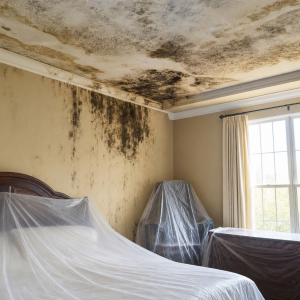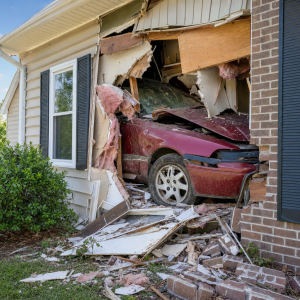

Your contractor says the damaged flooring may contain asbestos. The insurance adjuster's estimate includes only demolition and a dumpster. Now you're being asked to authorize work while the insurer won't confirm whether it will pay for testing, containment, or specialized disposal.
That's a scope dispute, not just a cleanup problem. Hazardous material removal needs a defensible connection between the covered damage, the required work, and the disposal records. The cheapest bid can leave you with the largest unpaid balance if it leaves out the documents needed to prove those costs.
Table of Contents
- Common Hazardous Materials in NC and VA Properties
- What to Do in the First 48 Hours
- Federal and State Rules That Govern Removal
- When Insurance Covers Removal and When It Denies It
- Building the Evidence File That Supports Your Removal Costs
- Choosing a Removal Contractor and Budgeting the Job
- How Insurers Low-Ball Removal Claims and How to Fight Back
- Get a Public Adjuster to Review Your Removal Claim
Common Hazardous Materials in NC and VA Properties
| Material | Where it appears | Removal trigger | Handling requirement |
|---|---|---|---|
| Asbestos | Pipe insulation, floor tiles, popcorn ceilings, older siding | Damage, demolition, or renovation disturbs it | Regulated abatement where applicable, wetting, sealed disposal |
| Lead | Older painted walls, trim, windows, and doors | Deteriorating paint or disturbed surfaces after fire or water damage | Containment, HEPA cleaning, no dry sweeping |
| Mold | Wall cavities, subfloors, ceilings after water intrusion | Materials remain damp after a loss | Containment, negative air where appropriate, respiratory protection |
| Biohazards | Sewage, blood, animal waste after backups, deaths, or animal damage | Biological contamination requires cleanup | Trained crews, controlled handling, regulated waste packaging where applicable |
| Chemical spills | Fuel tanks, pesticides, solvents, pool chemicals, refrigerants | Fire, flood, or vehicle impact releases chemicals | Spill containment, contaminated-soil assessment, authorized disposal |
Older properties deserve particular caution before tear-out. Asbestos may be incorporated into insulation, flooring assemblies, textured finishes, and cement siding. Appearance alone can't establish whether a material contains asbestos.
The historical scale matters. An EPA asbestos report described a 1984 survey finding that about 66% of buildings containing asbestos also had damaged asbestos-containing material. That's historical building-survey evidence, not a current prevalence estimate for North Carolina or Virginia homes, but it explains why inspection belongs before destructive work.
Identify the material before choosing the method
In homes built before 1978, lead-painted surfaces deserve specific attention when repairs will disturb them. A wet wall can also conceal mold behind baseboards or beneath flooring, even when the visible surface looks repairable.
Sewage contamination requires a different scope from clean-water drying. Chemical releases require identification before anyone mixes absorbents, damaged contents, and demolition debris in a container. A flood-related release also requires separate coverage analysis under the applicable flood policy, not an assumption that ordinary homeowners coverage applies.
Hazardous doesn't mean automatically covered, and old doesn't mean automatically removable. The immediate question is whether the material can safely remain undisturbed or whether covered repairs require controlled removal.
Practical rule: If a suspected material is old, damaged, wet, or unidentified, keep it undisturbed and use precautionary controls until a qualified assessment establishes the handling requirements. That's a safety decision, not a legal classification.
What to Do in the First 48 Hours
Protect people and preserve evidence without letting an insurance disagreement stall necessary emergency work. Don't enter an unsafe structure just to obtain photographs.

- Restrict access. Keep occupants and pets away from the affected area. Shut off the serving HVAC system when safe, so it doesn't distribute suspected dust or contamination.
- Document materials in place. Take wide room photographs, then close-ups showing damage, material layers, and adjacent contents. Record video before contractors move or bag anything.
- Leave suspected asbestos and lead alone. Don't sand, scrape, dry-sweep, or demolish suspect materials. A household vacuum isn't a substitute for controlled collection.
- Arrange safe drying and moisture logging. Have professionals identify wet assemblies and record meter readings by location. With possible hidden moisture or mold, contact a public adjuster quickly because moisture can spread within 48–72 hours.
- Keep an adjuster contact log. Record names, inspection dates, requests, and telephone statements. Follow important conversations with an email confirming what was discussed and what remains unresolved.
- Request qualified testing. Arrange appropriate sampling and an accredited laboratory before authorizing destructive work on suspect materials. Preserve sample locations and chain-of-custody records.
- Get independent scope help early. Contact a public adjuster before the insurer finalizes a scope that omits hazardous work. Necessary mitigation shouldn't wait for a complete settlement.
Containment isn't a plastic drop cloth
OSHA's mold guidance describes sealed work-area isolation, HEPA-filtered exhaust, and appropriate respiratory protection. Lead work likewise requires controls that prevent contaminated dust from spreading, including HEPA collection where vacuuming is used.
A contractor should explain how workers will enter, remove waste, and protect occupied areas. DIY scrubbing or demolition can spread contamination while destroying evidence of its original location.
Use our guidance on emergency mitigation services to distinguish immediate protective work from permanent repairs. Ask the insurer to identify any disputed mitigation item promptly in writing, but don't treat silence as approval.
Your checkpoint: Have photographs, a location-based moisture log, the testing request, and the adjuster contact log together. Keep emergency invoices with that file.
Federal and State Rules That Govern Removal
Regulations change both the work and the evidence supporting its cost. A demolition allowance doesn't account for every control required to disturb a regulated material safely.

The EPA asbestos NESHAP overview explains the framework for thorough pre-work inspection, advance notification for covered projects, and removal of regulated asbestos-containing material before disruptive work when applicable. Handling controls include adequate wetting before, during, and after removal, preventing visible emissions, leak-tight packaging, and prompt disposal through approved channels.
Those requirements create inspection reports, notification receipts, work records, and waste documentation. Each can support a specific estimate item rather than a general assertion that abatement was necessary.
Ask which requirements actually apply
Residential exclusions and state implementation differ. Before work starts, check the relevant asbestos program, licensing authority, and local permit office rather than assuming every building follows the same notification procedure.
For mold and lead work, ask how the contractor addresses sealed containment, HEPA-filtered negative pressure where appropriate, and respiratory protection. Applicable respiratory programs include medical clearance, training, and fit testing for NIOSH-certified respirators; workers shouldn't dry-blow or shake lead-contaminated clothing.
Put these questions in writing:
- Has the material been sampled? Request the inspection findings and laboratory report.
- Who files the notification? Obtain the submission and acknowledgment when required.
- Who retains waste manifests? Name the contractor responsible for delivering completed records.
- Which rule applies to this building? Request the contractor's written applicability determination.
For separate waste streams, Reworx Recycling's resource can help you understand universal waste regulations. Universal waste isn't a substitute classification for asbestos or every hazardous substance.
A legal removal requirement also doesn't establish insurance coverage by itself. Review building ordinance or law coverage when mandated work changes the repair scope.
When Insurance Covers Removal and When It Denies It
Start with the covered physical loss and the expense it caused. Finding a hazardous substance doesn't, by itself, establish an insurer's obligation to remove it.
The North Carolina State Property and Fire Insurance Fund all-risk policy illustrates the distinction. Its contamination provisions tie specified cleanup costs to a release directly resulting from insured physical damage, while also excluding removal of contaminated uninsured property and contaminants in or on it. This is a state fund policy example, not the wording of every private homeowners or business policy.
| Situation | Typical insurer position | What supports payment |
|---|---|---|
| Smoke-contaminated materials after a covered fire | Often accepted, with disputes over scope | Photos, cause-and-origin findings, contents inventory |
| Asbestos found after a covered fire or storm | May be limited by asbestos wording or exclusions | Lab results, full policy, government notice |
| Contaminated soil from a ruptured fuel tank | Frequently disputed as uninsured property or pollution | Proof linking the release directly to insured physical damage |
| Mold after a sudden pipe burst | Reviewed under fungus or decontamination wording | Moisture logs, plumber invoice, appropriate test results |
| Mold after long-term leakage | Often disputed as gradual damage or neglect | Accurate timeline and maintenance records, not a relabeled cause |
| Lead paint disturbed by covered repairs | May be challenged as unrelated work or an upgrade | Repair scope establishing why disturbance is necessary |

Read the grant and the exclusion together
The fund's separate debris-removal wording expressly limits asbestos-related coverage. Don't assume an allowance for debris overrides a material-specific exclusion.
Conversely, don't accept a cleanup cap without checking the additional coverage. The Washington insurance commissioner's debris-removal guidance explains that policies usually provide up to an additional 5% of the dwelling limit when debris removal plus rebuilding exceeds that limit, and may cover testing or removal of pollutants resulting from a covered loss. Examples include ash, leaked chemicals, fuel-soaked soil, and asbestos when the wording permits; that guidance isn't a guarantee under an NC or VA policy.
Find Debris Removal, Pollution, Fungus, and Ordinance or Law provisions, then connect each disputed task to its coverage grant. After fire or smoke damage involving contents, independent public-adjuster assistance is strongly advisable because the building and contents scopes both need examination.
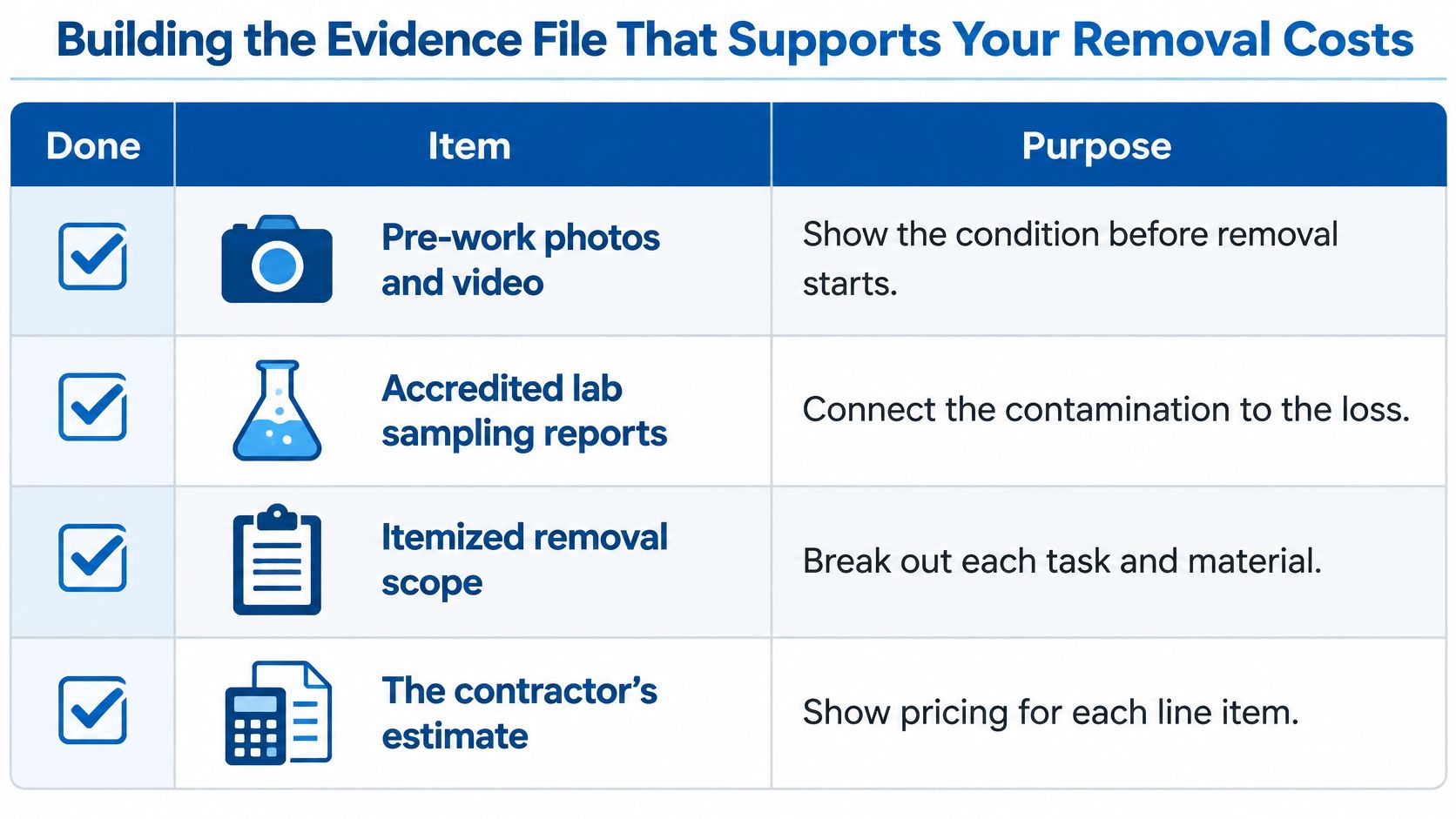
Building the Evidence File That Supports Your Removal Costs
| Document | What it proves | Who produces it |
|---|---|---|
| Pre-work photos and video | Condition before disturbance | Policyholder and public adjuster |
| Accredited lab sampling report | Material identity and sampled extent | Accredited testing laboratory |
| Itemized removal scope | Tasks and costs connected to claimed damage | Contractor and public adjuster |
| Contractor license and waste profile | Qualifications and waste classification | Removal contractor |
| Waste manifests and disposal receipts | Documented transport and final disposal | Hauler and disposal facility |
| Government notices or permit records | Required action and timing | Local or state agency |
| Written denial reasons | Insurer's stated basis for the dispute | Insurer |
A laboratory result proves material identity, not necessarily when contamination occurred or whether insurance covers it. Pair that report with the loss timeline, sampling locations, and repair scope.
Likewise, a contractor's license doesn't independently prove authorization for every transport activity. Verify the hauler and receiving facility separately.
Give each estimate line its supporting record
Attach sampling reports to identification costs, containment photographs to enclosure charges, and completed disposal records to hauling and tipping charges. Separate asbestos expenses from other demolition and debris costs so the insurer must address the correct wording for each.
EPA disaster-debris guidance supports segregating and managing debris by material type. A bid that omits segregation, specialized handling, or disposal documentation may look cheaper because it doesn't include the complete job.
We photograph and measure losses, test for hidden moisture and smoke migration, and inventory contents room by room. In one Apex case, we mapped moisture on every affected wall and ceiling, pulled attic insulation samples, and documented humidity over three visits. Those actions established conditions for evaluation; they don't imply a particular settlement result.
A low total isn't a bargain if the contractor can't substantiate what was removed, how it was handled, or where it went.
Identify the policy's proof-of-loss and document-production deadlines immediately. Supplement missing records before submission where possible, and request any needed extension in writing rather than assuming negotiations pause the deadline.
Choosing a Removal Contractor and Budgeting the Job
Verify qualifications for the actual material, not merely a general restoration credential. Obtain current licensing, applicable asbestos or lead certifications, and evidence that the contractor's insurance covers the proposed operations.
When asbestos will be removed, hauled, or disposed of, ask specifically about asbestos coverage or an endorsement. Arkansas's contractor regulation illustrates why this matters by expressly addressing asbestos-remediation insurance, including transport and disposal. It isn't an NC or VA licensing rule, but it identifies a coverage gap worth checking.
Compare the work before comparing the price
Require a written scope naming containment, wetting where applicable, sampling, waste handling, and final verification. The main budget drivers are:
- Quantity and material: A localized painted surface isn't the same job as widespread friable insulation.
- Containment and access: Occupied rooms, confined spaces, and difficult removal routes change labor and equipment needs.
- Testing and disposal: Sampling, waste classification, transportation, and receiving-facility charges need separate treatment.
- Reconstruction and contents: Removal alone may exclude rebuilding, contents cleaning, and moving or protecting belongings.
For a practical explanation of verifying who takes waste away, Clear It Services discusses waste carrier checks for house clearances. Its location-specific procedures shouldn't replace checks with the authorities governing your project.
Put milestones in the contract
Sequence the job as testing and scope, containment and removal, final verification, then reconstruction. Ask for written durations and dependencies, including laboratory turnaround, required notifications, facility acceptance, and what happens if verification fails.
Watch for these red flags:
- Cash-only demands: No reliable payment trail or itemized invoice.
- Missing scope: No testing basis, disposal destination, or completion criteria.
- Excluded disposal: A low bid that leaves regulated waste handling unpriced.
- Premature payment commitments: Pressure to assign claim proceeds before agreeing on the work.
Compare bids line by line. A total without the underlying scope tells you very little.
How Insurers Low-Ball Removal Claims and How to Fight Back
An ordinary demolition allowance may be inadequate when covered repairs require controlled hazardous material removal. Challenge the missing work specifically rather than accusing the adjuster of bad faith without evidence.
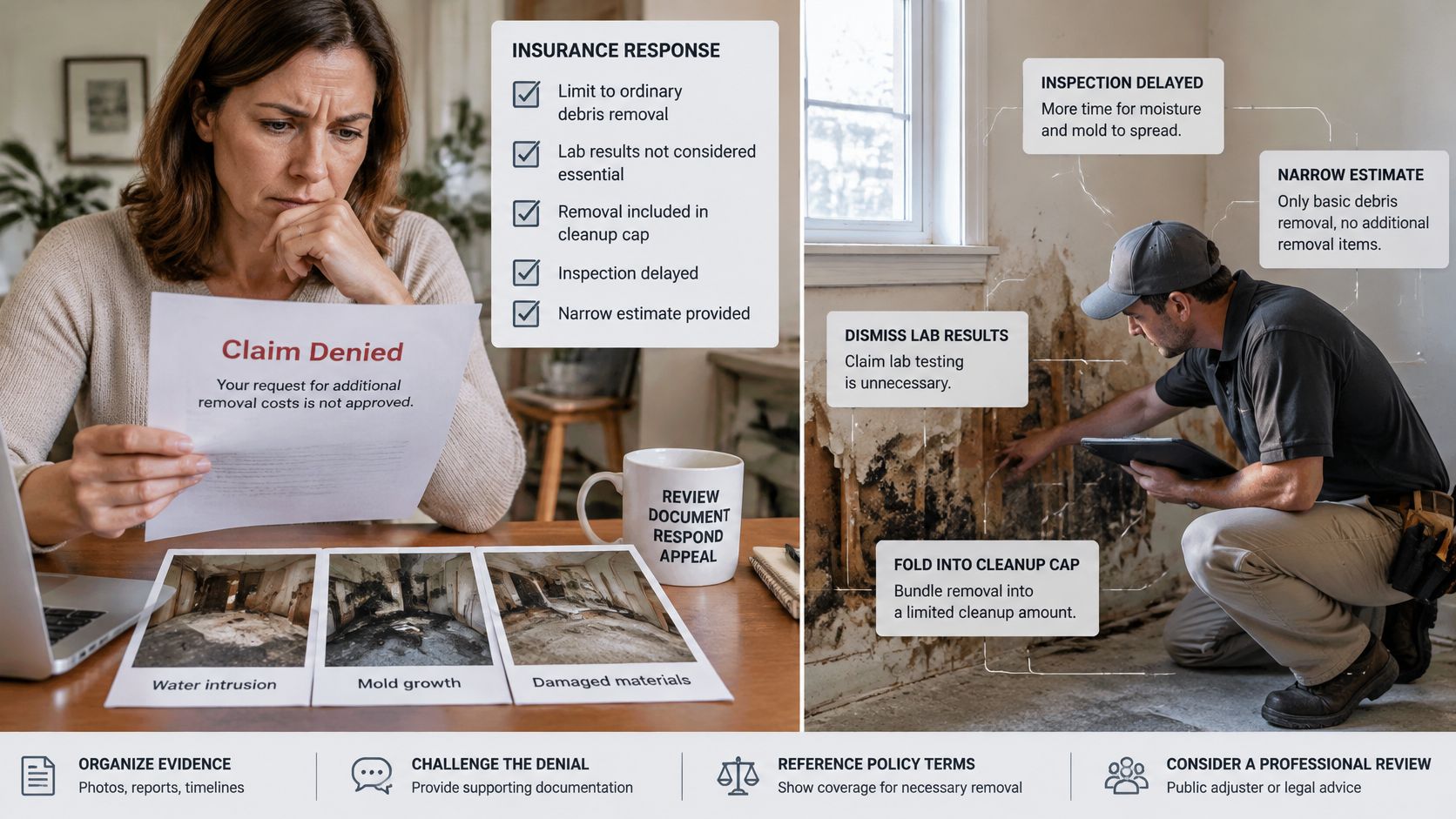
Match the objection to a written response
| Adjuster's position | Your written response |
|---|---|
| Ordinary debris pricing is sufficient | Identify omitted controls and attach the contractor's task-level justification |
| Laboratory results don't establish payment | Ask whether the dispute concerns material identity, cause, necessity, or exclusion |
| Everything falls under a cleanup cap | Request the exact provision and allocation calculation |
| A desk review reduced quantities | Request measurements, assumptions, and the competing scope |
| Payment requires contractor sign-off | Ask for the policy basis and the specific completion evidence required |
If an inspection is delayed, document continuing conditions with dated photographs and professional moisture logs. Give written notice of necessary protective work and request a definite inspection arrangement. Don't allow avoidable damage to continue merely to strengthen a dispute.
Use insurance claim supplements to present newly supported costs with their records, not just a higher total. Request a written response to every disputed line and calendar the deadlines in your policy and correspondence.
Dispute discipline: Separate a disagreement about price from a disagreement about coverage. They may require different remedies.
Appraisal may address the amount of loss when the policy includes it, but it doesn't automatically resolve exclusions or legal coverage questions. A complaint to the North Carolina Department of Insurance, or the appropriate Virginia regulator, can raise claims-handling concerns without guaranteeing payment or stopping deadlines.
Lighthouse Consultants' explanation of mediation for insurance claim disputes offers background on a negotiated process. Availability and procedures must be checked for your policy and jurisdiction.
We assemble fire restorers, water and mold professionals, engineers experienced with hail, wind, and roof damage, independent appraisers, appraisal umpires, and attorneys when needed. Use the expert whose discipline answers the disputed question, and obtain legal advice promptly when coverage or litigation deadlines are involved.
Get a Public Adjuster to Review Your Removal Claim
A public adjuster represents you, not the insurance company. The job is to establish the covered scope, document the amount of loss, and negotiate with the carrier's adjuster without treating the insurer's first estimate as the final answer.
When clients hire us, we take over the claims process, including damage documentation, a line-by-line policy review, a detailed estimate, and direct negotiations. For hazardous removal disputes, that means identifying the factual basis for the work, separating material-specific expenses, and responding to each stated denial reason.
Bring the documents that expose the gap
Gather these records for a no-cost claim review:
- Policy documents: Declarations, complete forms, endorsements, and debris-removal wording.
- Insurer correspondence: The denial, low offer, estimate, document requests, and deadlines.
- Damage evidence: Original photographs, laboratory results, and moisture records.
- Contractor paperwork: Scope, estimate, disposal plan, invoices, and government notices.
Customer Raj P. reported that within weeks we had completed a full contents inventory and documented smoke damage in rooms the insurance adjuster hadn't entered. That feedback concerns documentation, not a promised outcome for another claim. For independently published feedback, consult the firm's public review profiles and evaluate comments about communication, inspection detail, and claim handling.
You don't need a finished contractor package before asking for help. Bring what you have, identify missing records, and avoid signing a settlement or release you don't understand.
Have your water damage claim questions answered at NO COST. Call 919-400-6440 to speak with a licensed Public Insurance Adjuster or Contact Us here with questions. WE Work For YOU… NOT Your Insurance Company!
For The Public Adjusters, Inc. offers no-cost claim reviews for homeowners and businesses disputing hazardous material removal costs associated with property damage. Visit For The Public Adjusters, Inc. with your policy, insurer's estimate, testing results, and contractor scope so we can identify unsupported reductions and the documentation needed to challenge them.