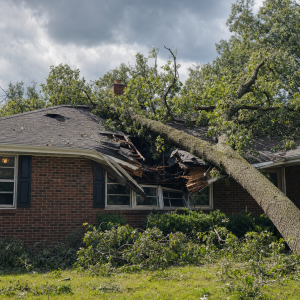

If you’re online searching for a “public adjuster near me,” odds are you’re already in a fight with your insurance company over your homeowner or business owner claim. After a devastating fire, storm, or major water loss at your property, you’ve hit a wall, and the frustration is mounting.
You’re realizing a hard truth: the adjuster your insurance company sent out doesn’t work for you. They work for their employer, like State Farm or Allstate, and their job is to protect the company’s bottom line. It’s a direct conflict of interest that leaves you fighting an uphill battle alone against a low-ball offer or an unfair claim denial.
Your Insurance Company Is Not on Your Side
When your home or business is damaged, you expect the company you’ve paid for years—be it State Farm, Allstate, or another major carrier—to step up. But they are for-profit corporations, and their primary goal is always to minimize what they pay out on claims. They are notorious for training their adjusters to find ways to pay as little as legally possible, not to help you recover.
That goal is the complete opposite of yours. You need a full and fair settlement to rebuild your life or business. Their adjusters are trained to find reasons to limit the company’s payout, not to find every last bit of damage you’re entitled to under your homeowner policy.
This conflict of interest shows up in a few classic ways:
- The Lowball Offer: Their first offer is almost always a fraction of what you actually need. They’re banking on you being too stressed and overwhelmed to fight it.
- Delay Tactics: They drag their feet for months, hoping you’ll get desperate enough to accept a bad settlement just to be done with it. It’s a war of attrition.
- Unfair Denials: They’ll use confusing policy jargon or blame “pre-existing issues” to deny perfectly valid claims for fire, wind, or water damage.
This is exactly where a public adjuster steps in. They work only for you, the policyholder. Their entire job is to dismantle these tactics by documenting your loss, negotiating aggressively, and fighting for the maximum settlement the policy owes you.
Why You Need an Advocate in Your Corner
The need for a professional who represents the policyholder’s interests is exploding. The claims adjusting industry has ballooned into a massive market, a clear sign that more and more property owners are realizing they can’t fight their insurance company alone. In fact, the market size hit $10.8 billion in 2026 as homeowners and businesses, especially in storm-prone areas like North Carolina and Virginia, decided to get expert help to fight back.
Hiring an advocate is about leveling the playing field in your property claim dispute. The skills needed to fight a denial are specialized, proving that professional help is critical. This isn’t like fighting a car insurance claim; the stakes with your home or business are much higher. The content at this link does not apply to homeowner or business claims: how to fight back when your car insurance claim is denied.
The first step to taking back control of your claim is understanding the huge difference between the adjuster your insurer sends and the one you hire. You can learn more about this in our guide: Insurance Company Adjuster vs. Public Adjuster: What’s the Difference?
How to Vet and Hire the Right Local Public Adjuster
When you decide to hire a public adjuster, you’re making the single most important move in your fight against the insurance company. But not all public adjusters have the same level of skill, and picking the wrong one can be just as damaging as your insurance company’s lowball offer.
The right advocate is a local expert. They know the game, they know the players, and they have the specific experience needed to tear down your insurer’s weak arguments and get you the money you’re owed.
Where to Find a Reputable Adjuster
First things first: don’t just type “public adjuster near me” into Google and hire the first person on the list. That’s a gamble you can’t afford to take.
Your search needs to start with official sources. You need someone who is licensed, in good standing, and legally allowed to represent you in your homeowner or business owner claim.
For property owners in our area, that means checking with the state’s official licensing board:
- North Carolina: Verify their license with the NC Department of Insurance.
- Virginia: Confirm their status through the VA Bureau of Insurance.
Another great resource is the National Association of Public Insurance Adjusters (NAPIA). Members of NAPIA are held to a strict code of professional conduct, which adds another layer of security for you.
Key Questions to Ask Before You Hire
Once you have a short list of licensed professionals, it’s time to interview them. Think of it this way: you’re hiring a high-stakes financial expert to recover what could be tens or hundreds of thousands of dollars for your property damage. You need to be thorough.
Their answers to the right questions will tell you everything you need to know about their experience, their strategy, and whether they’re the real deal.
Use this checklist to vet a public adjuster and ensure they are the right partner to fight for your claim.
Questions to Ask Before You Hire a Public Adjuster
| Question Category | Specific Questions to Ask | Why This Question Is Critical |
|---|---|---|
| Direct Experience | “How many claims like mine (fire, water, storm) have you handled in the last year?” “Can you walk me through a similar case you won?” | You need an expert in your specific type of disaster, not a generalist. |
| Local Knowledge | “How often do you work with [Your Insurance Company]?” “What tactics have you seen them use in this area to low-ball homeowners?” | A local pro knows the opposing adjusters, their tricks, and how to counter them effectively in your region. |
| The Agreement | “Is this a contingency fee contract?” “Are there any upfront fees or costs I have to pay before you recover money for me?” | The industry standard is contingency-based. They get paid a percentage after they win you money. Demands for upfront cash are a huge red flag. |
| The Process | “Who exactly will be handling my claim—you or someone else on your team?” “How often will I get updates?” | You need to know who your point of contact is and feel confident they will communicate clearly and consistently. |
Choosing the right public adjuster is a partnership. These questions will help you find someone who has the expertise and integrity to see your claim through to a successful finish.
When you’re fighting your insurer, the relationship often feels adversarial. A public adjuster steps into that conflict on your behalf to force a fair outcome.
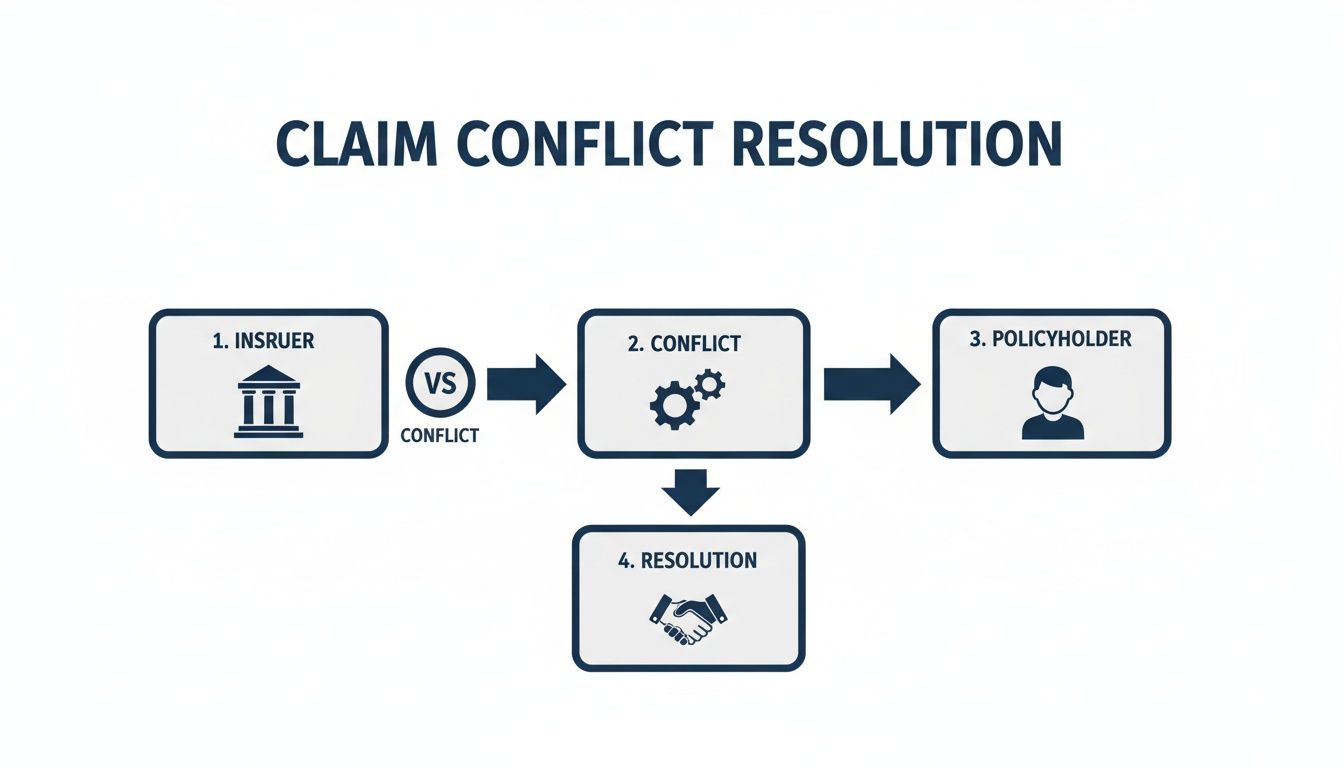
This process is about leveling the playing field. The insurance company has a team of experts on their side; hiring a public adjuster gives you one, too.
Making the right choice is critical, and we’ve put together even more advice to guide you. Be sure to read our detailed breakdown on finding the best public adjuster to make sure you’ve covered all your bases. Arming yourself with this knowledge is the first step toward hiring a true advocate who will maximize your settlement.
Warning Signs of a Bad Public Adjuster
When your life has been turned upside down by a fire or storm, you’re in a vulnerable position. You’re looking for a professional to fight for you, an ally who can navigate the chaos. A great public adjuster is that lifeline. But a predatory one can turn a disaster into a complete nightmare.
The demand for real claims advocacy has exploded—it’s on track to be a $14.6 billion industry by 2025. That kind of money attracts everyone, the good guys and the predators. With over 37,176 adjusting businesses out there, you have to know how to spot the bad ones before you sign anything. You can dig into the data on the claims adjusting industry yourself to see why being careful is so critical.
High-Pressure Sales Tactics
Watch out for the adjuster who shows up on your doorstep, uninvited, right after the disaster. These are often “storm chasers” who swarm neighborhoods after a hurricane or major hail event. They prey on your shock and fear, trying to pressure you into signing a contract on the spot.
A true professional will never do this. They’ll offer a consultation, explain their process, and give you the space to make a clear-headed decision. They get that you’re going through something traumatic.
Key Takeaway: If you hear phrases like, “This is a one-time offer,” or “You have to sign now before it’s too late,” that’s your cue to show them the door. A public adjuster’s expertise should speak for itself; they don’t need to use sleazy sales tricks.
Demands for Upfront Fees
This is the biggest, brightest red flag you can get. A legitimate, ethical public adjuster works on a contingency fee. It’s simple: they get paid a percentage of the settlement money they recover for you. If they don’t win, you don’t pay.
If anyone asks you for a large retainer, an “inspection fee,” or any money before your claim is settled and paid, walk away. Fast. This practice is not just a sign of a scam artist; it’s often illegal in states like North Carolina and Virginia. Their success must be tied directly to your success. Period.
Unrealistic Promises and Guarantees
Listen, a good public adjuster can make a world of difference in your final settlement. But anyone who guarantees a specific dollar amount is lying to you. They’re playing on your desperation.
Be immediately skeptical if you hear things like:
- “I guarantee I’ll get you triple what the insurance company offered.”
- “Don’t worry, we’ll get you a brand new house, no problem.”
- “I’ve got a special in with your insurance company, so this will be quick.”
An honest adjuster will talk about their strategy. They’ll review your policy, detail their process for documenting the loss, and explain how they’ll fight for the absolute maximum you are owed under your policy. They promise a fight, not a fantasy. You need a partner who values integrity, not one who sells impossible dreams.
What It Looks Like When a Public Adjuster Fights for You
When you bring in a public adjuster, you’re not just getting a second opinion. You’re deploying a specialist whose entire job is to take the insurance company’s lowball offer apart, piece by piece, and build an undeniable case for the full amount you’re actually owed.
This isn’t about arguing. It’s about evidence.
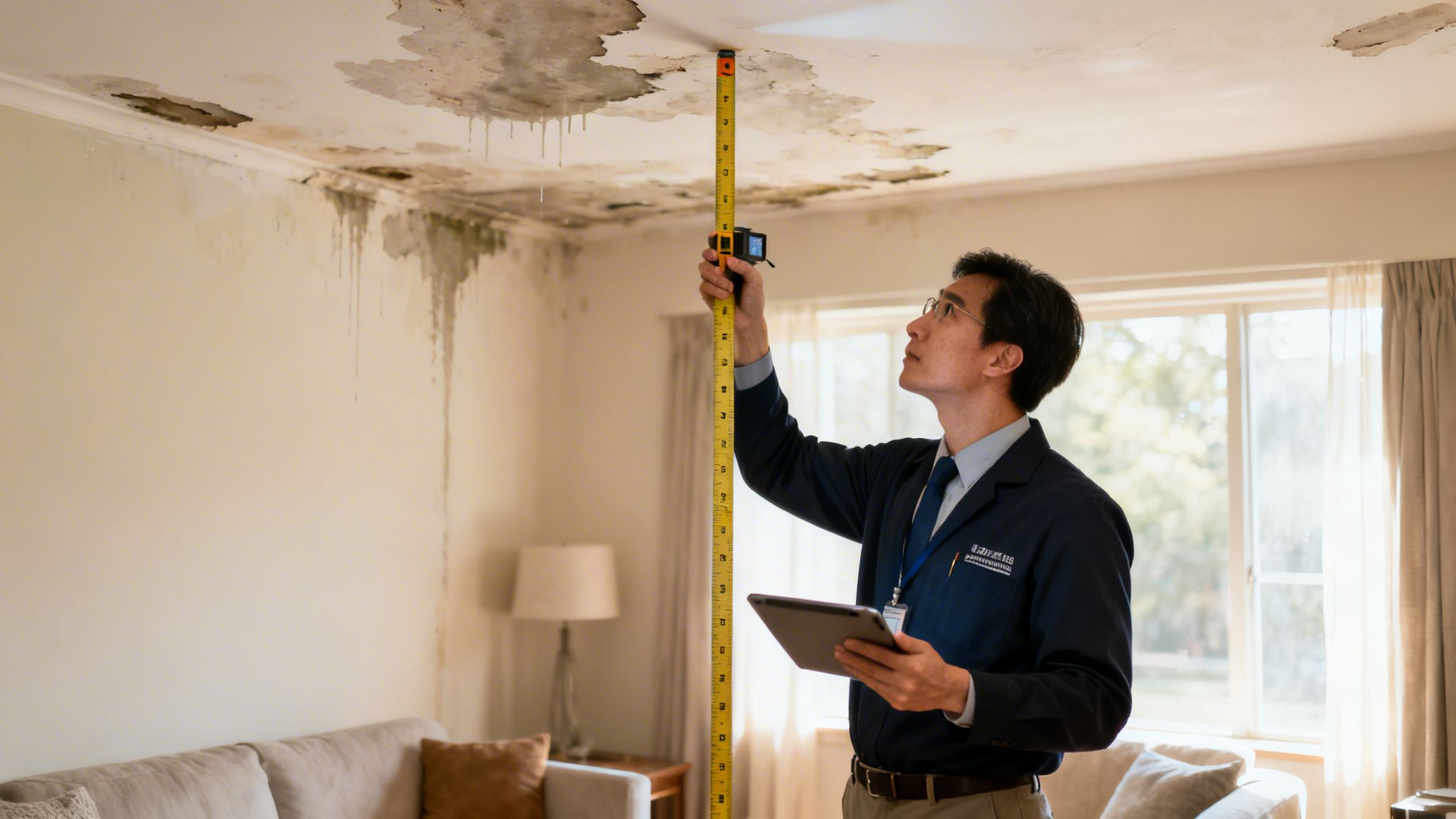
The whole battle starts with an inspection that goes far beyond what the insurance company’s adjuster did. Their guy might have been in and out in 30 minutes. A good public adjuster and their team will be on-site for hours, digging into the real damage.
They bring out the professional gear—thermal cameras, moisture meters, even drones—to find the damage that’s invisible to the naked eye but will cause major problems down the road.
Building the Case: From Deep Dive to Hardball Negotiation
Once they’ve documented the full scope of the damage, the real work begins: creating an ironclad, line-item estimate for every single repair needed to put your property back to the way it was. This document is the backbone of your entire claim dispute.
A public adjuster’s estimate includes all the things the company adjuster conveniently leaves out:
- Local Building Code Upgrades: They make sure the estimate covers the cost to bring your home up to current codes, which can add thousands of dollars to a claim.
- Matching Materials: They don’t let the insurer get away with a cheap patch job. They fight to get matching siding, flooring, and roofing so your home’s value isn’t tanked.
- Real-World Costs: They account for labor, permits, contractor overhead, and profit—all legitimate costs the insurance company tries to slash.
With this detailed estimate in hand, your public adjuster goes straight at the insurance company. They don’t just email a document and hope for the best. They manage every phone call and meeting, laying out a fact-based argument that the carrier’s adjuster can’t just brush aside.
How One Raleigh Homeowner Doubled Their Fire Claim Settlement
Look at what happened to a homeowner in Raleigh, NC, after a serious fire. Their insurance company, one of the big national carriers, sent out an adjuster who quickly offered them $85,000. The homeowner knew it wasn’t nearly enough to fix the damage and get rid of the smoke smell that was everywhere.
Frustrated and feeling stuck, they found a local public adjuster. Right away, the PA did a completely new inspection. He found what the insurance company’s adjuster had “missed”:
- Smoke had gotten deep into the attic insulation and the entire HVAC system.
- Roof trusses were structurally charred and had to be replaced, not just cleaned.
- Electrical wiring in the damaged areas had to be totally replaced to meet current safety codes.
The public adjuster drew up a new, comprehensive scope of loss totaling $162,000. After a tough negotiation where he presented the undeniable proof, the insurance company had no choice but to pay up. The final settlement came in at $158,500—nearly double their first offer.
This is what expert documentation does. The public adjuster didn’t just ask for more money. He proved, line by line, exactly why the initial offer was a joke and what the policy truly owed.
You can see the relief and validation in the reviews from homeowners who’ve been through this process. This review from a client who was facing a difficult claim shows the power of having a professional advocate.
This just goes to show that having a professional advocate on your side isn’t a luxury—it’s absolutely essential if you want to get the resources you need to actually recover.
The Real Financial Impact of Hiring an Advocate
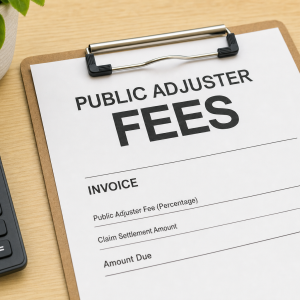
Let’s talk about the number one thing that holds homeowners back: the cost. When you’re already staring down thousands of dollars in repairs, the last thing you want is another bill. It’s completely understandable. But here’s the truth: hiring a public adjuster isn’t an expense. It’s an investment in your financial recovery, and it costs you absolutely nothing upfront.

Any reputable public adjuster works on a contingency fee. That means they only get paid a small percentage of the money they recover for you. If they don’t win you a settlement, you don’t owe them a dime. This setup means their goal is your goal: get you the largest possible payout. Their success is tied directly to yours.
How The Fee Actually Works
Here’s the part most people don’t realize: the public adjuster’s fee is almost always paid from the new money they find for you.
Think of it like this. Your insurance company offers you $50,000 for your claim. You know it’s not enough. Your public adjuster digs in, documents everything, and proves the real value of your loss is $120,000. Their fee comes out of that extra $70,000 they fought for and won on your behalf.
Even after their fee, you walk away with a much larger settlement than you ever would have gotten on your own. You are almost never paying for their help out of your own pocket or from the insurance company’s initial insulting offer.
The reason this works is simple: public adjusters force insurance companies to pay what they actually owe. Time and again, studies show that initial offers from carriers like State Farm and Allstate are often 30-50% less than what a claim is truly worth. Getting an expert on your side has been shown to boost final settlements by as much as 747%.
This is why searching for a “public adjuster near me” is one of the smartest financial moves you can make after a disaster. They are your only real defense against the insurance company’s profit-first tactics. Their ability to properly document a loss and argue the fine print in your homeowner or business owner policy is what creates such a powerful return.
Many policyholders have questions about what these professionals can actually do. You can get a much clearer picture by reading about what a public claim adjuster does to turn the tables on the insurance company. At the end of the day, hiring help isn’t about spending money—it’s about getting back every single dollar you’re entitled to.
Take the First Step Toward Your Fair Settlement
If you’ve made it this far, it’s because your gut is telling you something is seriously wrong with your property damage claim. And you’re right.
Let’s be blunt: your insurance company’s primary job is to protect its bottom line. It’s not to make you whole again. Those frustrating delays, the confusing denials, and the insultingly low offers? That’s not a mistake—it’s their business model.
A licensed public adjuster is the only professional in this entire process who works exclusively for you, the policyholder. We are your advocate, your negotiator, and the expert you need in your corner to fight an unfair insurer. For homeowners and business owners across North Carolina and Virginia, hiring a public adjuster is the single most powerful move you can make.
You do not have to settle for what they tell you.
Get Your Free Claim Review Today
Don’t let the insurance company write the final chapter of your financial recovery.
Contact For The Public Adjusters, Inc. for a completely free, no-strings-attached claim review. There are no upfront fees, and you won’t owe us a dime unless we successfully recover money for you.
Taking this one step puts the power back in your hands.
- Get an Expert Assessment: We’ll tear down your policy and claim file to find the money your insurance company conveniently “missed.”
- Finally Understand Your Coverage: We’ll give you straight answers about what your policy actually says you are entitled to.
- Learn How to Fight Back: Discover the exact strategies you can use to challenge the insurance company and win the settlement you truly deserve.
Frequently Asked Questions About Claim Disputes
When you’re staring down a difficult insurance claim, the questions and uncertainty can feel overwhelming. Homeowners and business owners often come to us with the same worries when they’re thinking about hiring a public adjuster to finally fight back. Let’s clear the air and give you some straight answers.
Is It Too Late to Hire a Public Adjuster if I Already Have an Offer?
Absolutely not. In fact, getting that first ridiculously low settlement offer is the exact moment many people start searching for a public adjuster. It’s a classic wake-up call.
A true professional can step in, reopen your claim, and build a completely new, comprehensive assessment of the damages. From there, they’ll go back to the insurance company to negotiate for a supplemental payment. Never, ever cash that first check until an expert has reviewed the offer. The big insurance carriers are banking on you taking the first low number they throw at you without a fight.
Can My Insurance Company Drop Me for Hiring a Public Adjuster?
No. It is 100% illegal for an insurance company to retaliate, intimidate you, or cancel your policy just because you exercised your right to get professional help. Your policy is a contract. You are entitled to your own representation.
Any hint from an insurer like Allstate or State Farm that you’ll be “punished” for hiring a public adjuster is a classic bad-faith intimidation tactic. A seasoned public adjuster knows these empty threats and will shut them down immediately.
What Is the Real Difference Between My Insurer’s Adjuster and a Public Adjuster?
It all comes down to one critical thing: allegiance. Who do they work for?
- The Insurance Company’s Adjuster: It doesn’t matter if they’re a staff employee or an “independent” contractor—they get their paycheck from the insurance company. Their job is to protect the carrier’s bottom line.
- The Public Adjuster: A public adjuster is licensed by the state and hired by you, and only you. Their entire professional and ethical obligation is to fight for your best interests and get you the maximum possible settlement you’re owed under your policy.
Having an expert who is truly on your side can change everything, as this client discovered when they were getting nowhere on their own:
Don’t let the insurance company have the final say. If you’re ready to fight back against a low-ball offer or denied claim, contact For The Public Adjusters, Inc. for a free, no-obligation claim review and learn your options today.