How Much Are Public Adjuster Fees on Average?
The fee for a public adjuster public adjuster average between 10% to 20% of the final insurance claim settlement, depending on the size and complexity of the claim. The fee is contingency-based, meaning you pay nothing upfront — the public adjuster only earns a percentage of the full claim or of what they actually recover for you, depending on your agreement.
Key takeaways
- Public adjusters typically charge a contingency fee ranging from about 5% to 20% of the final insurance settlement, with 10% being a common midpoint.
- Fees are usually contingency-based, meaning you pay nothing upfront and the adjuster only gets paid if your claim is settled.
- Larger or catastrophe-related claims often command lower percentage fees, while smaller residential claims tend to sit at the higher end of the range.
- Many states cap public adjuster fees by law, especially after declared disasters, so always check your state’s regulations before signing a contract.
- A public adjuster’s fee can be worthwhile if their expertise materially increases your settlement beyond what you’d recover negotiating alone.
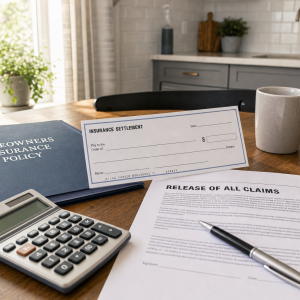
In plain terms, if a public adjuster helps you secure a $50,000 settlement and charges a 10% fee, you would pay $5,000 and keep $45,000. If the claim is denied or nothing is recovered, a contingency-based adjuster earns nothing. That structure is one of the biggest reasons homeowners feel comfortable hiring one: the adjuster’s payment is tied directly to your outcome.
Why the Percentage Varies
There is no single fixed rate across the industry. The percentage a public adjuster charges typically depends on a few practical factors:
- Claim size: Larger claims often come with lower percentages, since even a smaller cut of a big settlement fairly compensates the adjuster’s work. Smaller claims may sit at the higher end of the range.
- Claim complexity: A straightforward roof claim takes less time to document than a total-loss fire with structural, contents, and additional living expense components. More complex claims can justify a higher rate.
- Claim stage: Some adjusters charge less if hired at the start of a claim and more if brought in to reopen a denied or underpaid claim, because that work is harder.
- State regulations: Some states cap public adjuster fees, particularly after declared disasters, so local rules can set a ceiling on what you’ll pay.
What This Looks Like for a Typical Homeowner
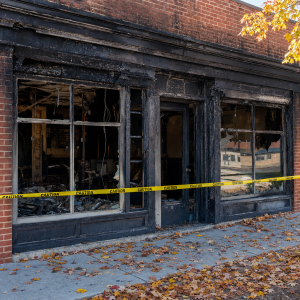
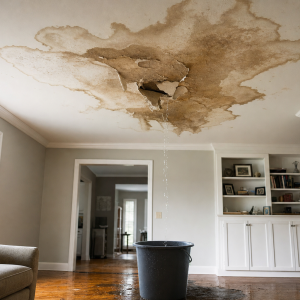
For a North Carolina homeowner with significant property damage — say a kitchen fire or major water intrusion — the math usually works in your favor when a public adjuster identifies damage the insurance company’s adjuster missed or undervalued. Because the fee comes out of the recovered amount, your out-of-pocket risk is essentially zero with a contingency arrangement. Homeowners dealing with large or disputed losses, such as those searching for a fire damage public adjuster in Burlington, often find that the increase in settlement value outweighs the fee several times over.
The Key Takeaway on Average Fees
- Typical fee: roughly 10% of the settlement
- Common range: 5%–20% nationally, based on claim size and complexity
- Payment structure: contingency — no recovery, no fee in most contracts
- Upfront cost: usually none with a percentage-based agreement
Always confirm the exact percentage and payment terms in writing before signing, since fee structures can differ from one adjuster to the next — something we’ll break down in the next section.
How Do Public Adjuster Fees Work? Contingency, Hourly, and Flat Rates Explained
Public adjuster fees are structured in one of three ways: a contingency percentage of your insurance settlement (the most common), an hourly rate, or a flat fee. With contingency arrangements, the fee is paid out of the settlement itself — meaning if the adjuster recovers nothing, you typically owe nothing.
Contingency Fees: The Industry Standard
The vast majority of public adjusters work on contingency. Instead of billing you upfront, they take an agreed-upon percentage of whatever the insurance company pays on your claim. This structure aligns the adjuster’s interests with yours — the more they recover for you, the more they earn.
Contingency fees make the most sense when:
- The claim is large or complex, such as fire, smoke, or major water damage
- The full scope of the loss isn’t yet known and thorough documentation could significantly increase the payout
- You don’t want to pay anything out of pocket while you’re already dealing with a loss
For example, a fire damage public adjuster in Burlington handling a whole-house loss will almost always work on contingency, because the claim involves structure, contents, and additional living expenses that all need careful documentation.
Hourly Billing: For Consulting and Limited Work
Some public adjusters offer hourly billing, though it’s far less common for homeowners. Hourly arrangements are usually reserved for situations like:
- Reviewing an insurance company’s offer or your policy language before you decide how to proceed
- Providing expert consultation during a dispute or appraisal process
- Assisting with a specific, limited task rather than managing the entire claim
Hourly billing means you pay regardless of the claim’s outcome, so it’s best suited to short, well-defined engagements where you know roughly how much time the work will take.
Flat Fees: Predictable Costs for Straightforward Claims
A flat fee is a single agreed-upon price for handling the claim from start to finish. This structure occasionally appears with smaller, more predictable claims where the damage is clear-cut and the settlement range is easy to estimate. The advantage is cost certainty; the drawback is that you pay the same amount whether the recovery is modest or substantial.
Why ‘No Recovery, No Fee’ Protects You
The reason contingency dominates the industry is simple: it shifts the risk away from the policyholder. Under a properly written contingency contract, the adjuster’s fee comes out of the settlement check — not your savings. If the claim yields no payment, you generally owe no fee. That structure also gives the adjuster a built-in incentive to document every covered item, challenge lowball estimates, and pursue the full value your policy allows, rather than settling quickly just to close the file.
Whichever structure you’re offered, make sure it’s spelled out in writing before any work begins, including exactly how and when the fee is calculated and paid.
What Affects Public Adjuster Fees in North Carolina?
Public adjuster fees in North Carolina are shaped mainly by the size of your claim, how complex the damage is, the status of the claim (new, underpaid, or denied), and demand at the time you hire. Larger, simpler claims usually earn a lower percentage, while smaller or complicated claims often cost more.
No two claims are priced identically. When a North Carolina public adjuster quotes a fee, they’re weighing how much work the file will take against the likely recovery. Understanding the levers below helps you evaluate whether a quoted percentage is reasonable — and gives you room to negotiate.
Claim Size
Percentage-based fees typically slide with the value of the claim. On a large loss, even a modest percentage produces meaningful compensation for the adjuster, so many are willing to work for less. On a small claim, the same amount of paperwork, inspections, and negotiation goes into a much smaller payout, so the percentage tends to run higher to make the work worthwhile.
Complexity of the Damage
The type of loss matters as much as its size. Some claims require far more documentation, expert input, and back-and-forth with the insurer:
- Fire and smoke damage often involves structural assessments, contents inventories, and hidden damage — one of the most labor-intensive claim types.
- Water damage can trigger disputes over the source of the loss, mold remediation, and what the policy actually covers.
- Hurricane and tropical storm claims frequently involve wind-versus-flood arguments, which are common along the North Carolina coast and can require detailed causation analysis.
- Tornado and severe wind damage may look straightforward but often reveals roof, siding, and interior issues that insurers initially underestimate.
A clean, well-documented single-cause loss takes less effort — and may justify a lower fee — than a claim with layered or disputed damage.
New, Underpaid, or Denied Claims
Timing within the claim’s life cycle affects pricing too. A brand-new claim lets the adjuster build the file from the start. An underpaid claim means challenging an insurer’s existing position, and a denied claim usually requires the heaviest lift: gathering new evidence, rebutting the denial, and reopening negotiations. Some adjusters charge their fee only on the additional money they recover on reopened claims, which changes the math considerably — always clarify this before signing.
Seasonal Demand Across North Carolina
Demand for public adjusters spikes after summer thunderstorms, hail events, and tropical systems that sweep through the state from roughly June through November. When adjusters are handling heavy caseloads, you may have less room to negotiate and longer waits to get started. In quieter months, you’ll often find more availability and more flexibility on fees.
Finally, keep in mind that North Carolina licenses and regulates public adjusters, so contracts and fee arrangements must comply with state rules. Confirm any adjuster’s license through the North Carolina Department of Insurance and ask how current regulations apply to your specific fee agreement.
 public
Is Hiring a Public Adjuster Worth the Public Adjuster Fees?
For many policyholders, yes — the fee often pays for itself. Studies have found that claims handled with professional representation tend to settle for more than claims policyholders handle alone. If a public adjuster increases your payout by more than the fee, you come out ahead, though no specific result can ever be guaranteed.
What the Research Suggests
The most frequently cited evidence comes from a study by Florida’s Office of Program Policy Analysis and Government Accountability (OPPAGA), which reviewed insurance claims in that state. It found that policyholders who used public adjusters generally received substantially higher settlements than those who did not, with the gap especially pronounced for large, complex claims such as hurricane damage. While results vary by claim and by state, the underlying logic travels well: an experienced advocate who knows how to document damage, read policy language, and negotiate with insurers tends to leave less money on the table.
Why Expert Advocacy Matters: A North Carolina Example
Coverage disputes are rarely simple, and the outcome often turns on how policy language is interpreted and how well the insured’s position is presented. In Gaston County Dyeing Machine Co. v. Northfield Insurance Co. (N.C. 2000), a North Carolina insured prevailed against its insurer in a dispute over property damage coverage — a reminder that insurers’ initial coverage positions are not always the final word. That case involved litigation, which is beyond a public adjuster’s role, but it illustrates the same principle: policyholders who push back with well-documented, well-argued claims can achieve outcomes the insurer’s first answer wouldn’t have delivered.
When the Fee Is Most Likely to Pay Off
- Large or complex losses: Fire, water, storm, or business-interruption claims with extensive damage leave more room for undervaluation — and more room for a professional to recover value.
- Disputed or lowball offers: If the insurer’s estimate seems far below your contractor’s, a public adjuster can rebuild the claim with detailed documentation.
- Overwhelmed policyholders: If you lack the time or expertise to inventory losses, interpret your policy, and negotiate, delegating that work has real value beyond dollars.
When It May Not Be Worth It
- Small, straightforward claims: On a minor claim, a percentage fee may eat up most of any improvement in the settlement.
- Fair offers already on the table: If the insurer’s payment genuinely covers your loss, there may be little left to recover.
An Honest Bottom Line
No reputable public adjuster will promise a specific dollar outcome, and you should be wary of anyone who does. The realistic question is whether professional representation is likely to increase your net recovery — the settlement minus the fee — while sparing you months of paperwork and negotiation. For significant losses, the answer is often yes.
What Should I Ask Before Signing a Public Adjuster Contract?
Before signing, confirm the adjuster is licensed and bonded in North Carolina, get the exact fee percentage in writing along with what it applies to, ask about cancellation rights, request references, and verify they handle your claim type. Public adjusters work on property claims — home, building, and contents — not auto, health, life, or cell phone claims.
A public adjuster contract is a legally binding agreement, and the details you nail down before signing determine how smooth the relationship will be. Use the checklist below to protect yourself and avoid surprises later.
1. Are you licensed and bonded in North Carolina?
Public adjusters in North Carolina must be licensed by the state Department of Insurance. Ask for the adjuster’s license number and verify it directly with the NC Department of Insurance before signing anything. A legitimate adjuster will provide this information without hesitation. If someone dodges the question or pressures you to sign first, walk away.
2. What exactly is your fee, and what does it apply to?
Get the fee percentage in writing — not a verbal estimate. Just as important, clarify what the percentage applies to. Does it apply to the entire settlement, or only to the additional amount recovered above what the insurer already offered? These two structures can produce very different costs, so make sure the contract language matches what was discussed.
3. What are the cancellation terms?
Ask whether you have a window to cancel the contract without penalty, and what happens if you terminate later in the process. Understand whether you would owe anything if you cancel after work has begun, and get those terms spelled out in the agreement itself.
4. Can you provide references?
Reputable public adjusters can point you to past clients, online reviews, or professional affiliations such as membership in a state or national public adjuster association. Ask specifically for references from claims similar to yours — a fire loss, hurricane damage, or water damage claim, for example.
5. Do you handle my type of claim?
Public adjusters handle first-party property insurance claims, including:
- Homeowner claims — damage to your house from fire, wind, water, and similar perils
- Building claims — commercial or residential structures
- Contents claims — personal property and belongings damaged in a covered loss
They do not handle auto, health, life, or cell phone claims. If someone offers to adjust those, that’s a red flag.
Other smart questions to ask
- Who will actually work my claim — you or a subcontractor?
- How often will you update me, and by what method?
- Have you handled claims involving my insurance company before?
- Is everything we discussed reflected in the written contract?
Never rely on verbal promises. If a term matters to you — the fee, the scope of work, the timeline — insist it appears in the contract. Clear answers up front are the best predictor of a professional working relationship, and they ensure the public adjuster fees you pay match exactly what you agreed to.
When Should I Hire a Public Adjuster — and Does Timing Change the Cost?
The best time to hire a public adjuster is early — ideally before you give a recorded statement or receive the insurer’s first offer. Public adjuster fees are typically the same whether you hire early or after a denial, but engaging one at the start of the claim often leads to a smoother, better-documented process.
Why Early Involvement Makes the Fee Work Harder
Because most public adjuster fees are contingency-based, the fee percentage generally doesn’t change based on when you sign the contract. What changes is what that fee actually buys you. Hired early, a public adjuster can:
- Prepare you before recorded statements. What you say to the insurance company early on becomes part of your claim file. An adjuster can help you present facts accurately and completely from day one.
- Document damage before it changes. Fresh photos, moisture readings, and inventories are stronger evidence than reconstructing conditions weeks later.
- Shape the scope of the claim from the start. It’s often easier to build a complete claim than to reopen or supplement one after a low first offer has anchored the negotiation.
- Handle deadlines and paperwork. Missed proof-of-loss deadlines and incomplete documentation are common reasons claims stall or get underpaid.
Storm and Hurricane-Season Claims: Timing Matters Even More
Summer storms and hurricane-season events create a specific urgency. Roof leaks, water intrusion, and contents damage evolve quickly — wet drywall dries out, staining fades, and damaged belongings get discarded during cleanup. Early documentation captures the loss as it actually occurred, which is difficult to recreate months later.
Insurance carriers are also stretched thin after major storms, and rushed inspections can miss damage. A public adjuster hired early can conduct a thorough independent inspection while evidence is still intact. If your loss involves flooding, keep in mind that flood damage is usually handled under a separate flood policy — the FEMA National Flood Insurance Program explains how flood coverage works and what it typically covers.
Does Waiting Cost You More?
Usually not in fee percentage — but potentially in outcome. Hiring a public adjuster after a denial or lowball offer is still worthwhile in many cases, and the fee structure typically stays the same. However, by that point evidence may be weaker, repairs may have already altered the scene, and the insurer’s position is already on record. No adjuster can guarantee a specific result, but working from complete, timely documentation generally puts a policyholder in a stronger position than trying to rebuild the record after the fact.
Before hiring anyone, verify that the adjuster is licensed in your state. You can check licensing status and consumer guidance through the National Association of Insurance Commissioners (NAIC), which links to every state’s insurance department. Working with a licensed and bonded public adjuster ensures you’re protected by your state’s regulatory standards from the very beginning of your claim.
Public Adjuster Fees: Common Fee Structures Compared
| Fee Structure | Typical Range | Best Suited For | Key Consideration |
|---|---|---|---|
| Contingency (percentage) | 5%–20% of settlement | Most residential and commercial claims | No upfront cost; fee scales with payout |
| Flat fee | Negotiated fixed amount | Straightforward claims with predictable value | Predictable cost, but paid regardless of outcome |
| Hourly rate | Varies by market and experience | Consulting, appraisals, or limited-scope help | Can add up quickly on complex claims |
| Tiered/sliding scale | Lower % as claim size grows | Large-loss and commercial claims | Encourages negotiation on big settlements |
Illustrative Example: Weighing a Public Adjuster’s Fee After Storm Damage
Illustrative example
Consider a hypothetical homeowner whose roof and interior suffered significant storm damage, and whose insurer’s initial offer felt far below the real cost of repairs. In this composite scenario, the homeowner hired a public adjuster on a contingency fee of roughly 10% of the final settlement. The adjuster documented hidden damage, reviewed the policy for overlooked coverages, and negotiated directly with the insurance company. The revised settlement came in substantially higher than the original offer, so even after paying the fee, the homeowner netted meaningfully more than they would have on their own. This illustrative case shows why the value of a public adjuster often depends on how much they can improve the outcome relative to their fee.
Frequently asked questions
How are public adjuster fees calculated?
Most public adjusters charge a contingency fee, meaning a percentage of the insurance settlement they help you recover. Percentages commonly range from about 5% to 20%, depending on the claim size, complexity, and your state’s regulations. Larger claims typically get lower percentages. Some adjusters instead charge a flat fee or hourly rate, especially for smaller or unusual claims. The fee structure should always be spelled out in a written contract before any work begins.
Do I have to pay a public adjuster upfront?
Usually no. Most public adjusters work on contingency, so they only get paid when your claim settles and you receive money from the insurer. If an adjuster demands a large upfront payment, treat that as a red flag and ask questions. Flat-fee or hourly arrangements do exist, but even then, reputable adjusters put all payment terms in writing before starting. Never sign a contract that leaves the fee amount or timing vague.
Is hiring a public adjuster worth the cost?
It often is for large, complex, or disputed claims—such as major fire, water, or storm damage—where a professional can document losses the policyholder might miss and negotiate a higher settlement. Even after the fee, many policyholders net more than they would alone. For small, straightforward claims, the fee may eat up most of any gain, so handling it yourself or asking questions first usually makes more sense.
Are public adjuster fees regulated by state law?
Yes, in many states. Some states cap the percentage a public adjuster can charge, and caps are sometimes stricter for claims arising from declared disasters or emergencies. Public adjusters also generally must be licensed by the state insurance department. Because rules vary widely, check your state’s insurance department website or call them to confirm the legal fee limits and verify an adjuster’s license before signing anything.
Can I negotiate a public adjuster’s fee?
Often, yes. Contingency percentages are not always fixed, especially on larger claims where even a slightly lower rate still means substantial pay for the adjuster. Get quotes from two or three licensed adjusters, compare their proposed fees and experience with your type of loss, and ask whether they’ll reduce the percentage for a high-value claim. Any negotiated rate must appear in the written contract before you sign.
What mistakes do people make when hiring a public adjuster?
Common mistakes include signing a contract without reading the fee terms, hiring someone who solicits door-to-door after a disaster without verifying their license, agreeing to fees on money the insurer already offered before the adjuster was involved, and waiting too long to hire one after a dispute develops. Always verify licensing with your state, get the fee in writing, and ask exactly which settlement amounts the percentage applies to.
Does the public adjuster’s fee come out of my settlement?
Yes, in a contingency arrangement the fee is deducted from the settlement funds you receive from your insurance company. For example, with a 10% fee on a settlement, the adjuster keeps 10% and you keep the rest. Ask upfront whether the percentage applies to the entire settlement or only to amounts recovered above the insurer’s initial offer—this distinction can significantly change what you actually pay.
How long does a claim take with a public adjuster involved?
It varies with the claim’s size and complexity. Simple claims may resolve in weeks, while large or disputed losses can take several months or longer, especially if the insurer contests the damage estimate. A public adjuster can sometimes speed things up by submitting thorough documentation the first time, but they can’t force an insurer’s timeline. Ask the adjuster for a realistic estimate based on your specific loss and insurer.
Should I hire a public adjuster or an attorney for my claim?
A public adjuster is generally the right choice when the dispute is about the amount of damage or how it’s documented and valued. An attorney makes more sense if the insurer has denied the claim outright, alleged fraud, or acted in bad faith, since those are legal disputes. Some policyholders start with a public adjuster and bring in an attorney only if negotiations fail. Fees and roles differ, so match the professional to the problem.
What happens if the public adjuster doesn’t get me more money?
Under a true contingency contract, if there’s no recovery, there’s typically no fee. But read the contract carefully: some agreements charge a percentage of the total settlement, including amounts the insurer had already offered, so you could owe a fee even without an improved outcome. Before signing, ask directly what you’ll owe if the adjuster secures nothing beyond the original offer, and get the answer in writing.
How do public adjuster fees compare to insurance company adjuster rates?
They work completely differently. The adjusters your insurance company sends are paid by the insurer — either as staff employees or as independent adjusters billed to the insurance company — so you never pay them directly, but they also represent the insurer's interests. A public adjuster works exclusively for you and is typically paid a percentage of your settlement. You're not comparing two prices; you're comparing free representation of the insurer's position versus paid representation of yours.
What types of claims can a public adjuster handle?
Public adjusters handle most property insurance claims, including fire and smoke damage, water and flood-related losses, storm and wind damage, hail, theft, vandalism, and business interruption claims for commercial properties. They generally do not handle auto accident, health, or liability claims. If your loss involves damage to a home or business covered by a property policy, a public adjuster can typically take it on — though many focus on larger or more complex losses, so ask about their experience with your specific claim type.
Will my insurance company pay the public adjuster's fee?
No. Your insurance policy pays for covered damage to your property — it does not reimburse professional fees you choose to incur, so the public adjuster's fee comes out of your side of the settlement. That's why it matters that a good public adjuster documents the full scope of your loss. If they identify damage and coverage you would have missed on your own, the improved settlement can offset the fee, but the insurer never pays it directly.
Does a public adjuster charge extra for supplemental or reopened claims?
It depends on your contract, which is why you should read the fee clause carefully before signing. Some agreements apply the same percentage to any additional money recovered on the claim, including supplements filed after the initial payment. Others treat a reopened claim as new work. Ask specifically whether the fee applies to supplemental payments, recoverable depreciation, and future payouts on the same loss, and get the answer in writing before work begins.
Can a public adjuster help after my claim has been denied?
Yes, and denied claims are one of the most common reasons people hire one. A public adjuster can review your denial letter against your policy language, re-inspect and re-document the damage, and present evidence the original adjuster may have overlooked or dismissed. Many denials come down to disputed cause of loss or thin documentation — both things a public adjuster is equipped to challenge. Bring them your denial letter, policy, and any photos or estimates you have.
Related local pages
Have questions about your property claim? Contact our licensed and bonded NC public adjusters today for a free, no-obligation review of your policy and damage. Get in touch.
Last updated: September 1, 2026