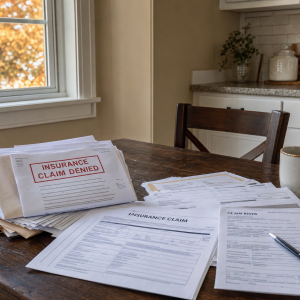
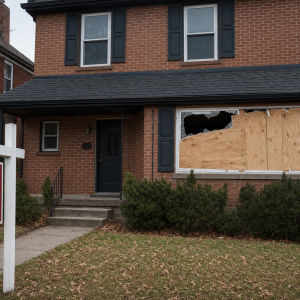
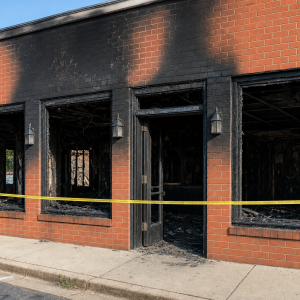
After a fire, most policyholders expect help. Then the denial letter arrives, and it feels like the insurance company has turned a property loss into a paperwork war. That reaction is justified. A denied fire claim often has less to do with the fact that a fire happened and more to do with the arguments the carrier thinks it can use to avoid paying, limit what it pays, or drag the claim into a dispute.
You need to understand one thing immediately. A denial is not the end of the claim. It is the insurer's position. Positions can be challenged.
That matters because fire denials often come down to suspicion, documentation, policy language, and compliance with claim requirements. In California, the Department of Insurance reported that the state's three largest insurers denied nearly half of all fire claims submitted in 2023, as discussed in Allied Public Adjusting's review of denied fire insurance claims. That should tell you exactly how aggressive insurers can be when a fire loss lands on their desk.
This list focuses on the common reasons fire claims get denied, but more importantly, it shows you how those reasons are used against homeowners and business owners, and what to do when the carrier tries it.
Table of Contents
- 1. Policy Lapse or Expiration at Time of Loss
- 2. Misrepresentation or Non-Disclosure on Application
- 3. Exclusions in the Policy Language
- 4. Inadequate Documentation or Failed Proof of Loss
- 5. Disputed Causation or Cause of Loss Disagreement
- 6. Failure to Mitigate or Prevent Further Damage
- 7. Coverage Limits Reached or Deductible Issues
- 8. Fraud Allegations or Investigation Holds
- 8-Point Comparison of Fire Claim Denial Reasons
- Your Next Step: Don't Accept an Unfair Denial
1. Policy Lapse or Expiration at Time of Loss
This is one of the cleanest denial arguments an insurer can make. If the policy wasn't active on the date of the fire, the carrier will usually deny the claim outright and act as if the rest of the facts don't matter.
That can happen faster than one might expect. A homeowner misses a premium notice while mail is being forwarded. A landlord switches carriers and assumes the new policy started before the old one ended. A business owner lets a renewal date pass while handling payroll, vendors, and repairs. Then the fire happens in the gap.
What the insurer will argue
The carrier will focus on dates, not damage. It will point to cancellation notices, nonpayment records, or an expiration date on the declarations page and say there was no contract in force when the loss occurred.
That doesn't mean you should roll over. Insurers sometimes rely on confusing billing histories, disputed cancellation notices, or unclear renewal communications. You need the full policy history, every notice sent, every payment record, and written proof of when coverage ended.
Practical rule: Never accept a lapse denial based only on what an adjuster says over the phone. Demand the documents.
Use a direct review process:
- Pull the declarations page: Check the effective dates and named insured exactly as listed.
- Request the billing ledger: You want the payment history, cancellation history, and reinstatement history.
- Confirm renewal in writing: If an agent told you coverage continued, get that communication.
- Check for overlap gaps: This matters when you switched insurers or changed from homeowner to landlord or commercial coverage.
A common real-world problem is a policyholder canceling the old policy because the new one was "bound," only to learn later that final issuance was delayed. Another is a missed mortgage escrow payment that causes a surprise lapse. In both situations, the insurer will try to frame the issue as settled. It often isn't.
If you were denied for lapse or expiration, don't argue from memory. Argue from records.

2. Misrepresentation or Non-Disclosure on Application
Insurers love this defense because it reaches backward. Instead of dealing only with the fire, they try to attack the policy itself by saying you gave bad information when you applied.
That argument often appears after a serious loss, not before. The company collected premiums without complaint. Then a major fire happens, and suddenly the application becomes the center of the investigation.
How this denial usually starts
The carrier compares the application to the property's actual condition or use. If anything doesn't match, it may claim the difference was material. Common flashpoints include occupancy, vacancy, rental use, renovations, prior losses, square footage, business operations inside the building, or safety features.
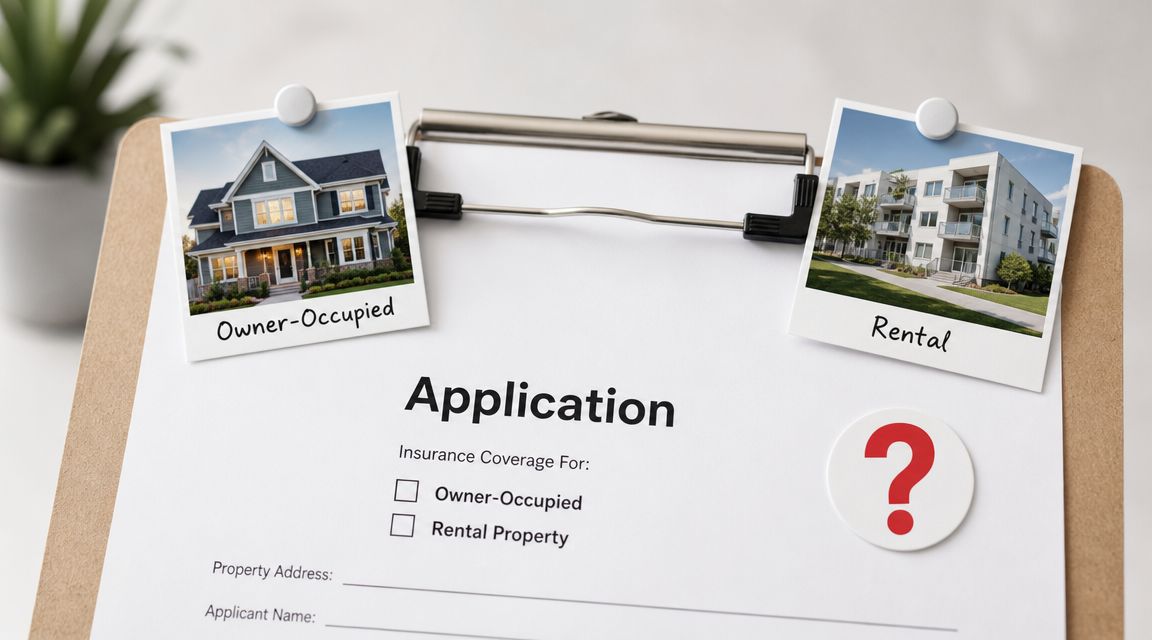
A typical example is an owner-occupied home that later became a rental, while the policy was never updated. Another is a small commercial building that started storing different materials than originally disclosed. The insurer may also raise misrepresentation when a property sat vacant longer than expected or when permit history doesn't match what was stated.
How to push back
Start by getting a copy of the original application and every later endorsement. Don't assume the form says what the adjuster claims it says. Agents sometimes complete applications, abbreviate details, or carry forward old information.
Then compare the insurer's accusation to actual evidence:
- Occupancy records: Utility bills, lease agreements, mail records, and ID documents can show how the property was used.
- Renovation records: Contracts, permits, invoices, and inspection records help establish what changed and when.
- Prior loss history: Pull your own records so the carrier can't distort what was disclosed.
- Communications with the agent: Emails and text messages matter if you notified the company about a change.
Across insurance-practice guidance, misrepresentation is repeatedly identified as one of the common reasons fire claims get denied, along with suspected arson, inadequate documentation, late reporting, and coverage issues, as summarized by Wallace Insurance Law's discussion of denied fire claims.
If the insurer says you misrepresented something, make them identify exactly what statement was false, where it appears, and why they claim it mattered. Vague accusations aren't enough. Specifics win disputes.
3. Exclusions in the Policy Language
Some denials aren't about whether damage occurred. They are about whether the insurer can fit that damage into an exclusion. In such cases, adjusters lean on technical wording and hope the policyholder gives up.
Fire losses often involve more than direct burn damage. There may be smoke contamination, water from firefighting efforts, code upgrade issues, ordinance compliance costs, debris removal disputes, or arguments about neglect and maintenance. The insurer may accept one part of the claim and deny another under exclusion language.
Read the policy, not the summary
Many policyholders rely on what they were told when they bought coverage. That is not enough in a dispute. You need the full policy, endorsements, forms, and exclusions. If you're not used to reading policy language, start with this guide on how to read an insurance policy.
A common scenario is an electrical fire where the carrier tries to separate the fire damage from an alleged maintenance problem. Another is a vacant building loss where the insurer argues the vacancy clause bars all or part of coverage. On commercial claims, carriers may also parse business personal property, improvements and betterments, and code-related rebuilding costs with extreme precision.
When an insurer cites an exclusion, force them to point to the exact policy form and exact wording they rely on.
What to challenge in an exclusion denial
Insurers count on broad labels. Don't let them use them.
- Demand the full citation: Ask for the exact policy provision, form number, and endorsement.
- Check conflicting endorsements: One endorsement can change or narrow another.
- Separate cause from condition: A maintenance issue doesn't automatically erase a fire loss.
- Review secondary damage: Smoke, soot, water, and demolition costs may trigger separate coverage parts.
Another hard truth: policy exclusions and insufficient coverage are repeatedly identified by insurer-education sources as common denial reasons, alongside late filing and missing documentation, as explained in Alliance Adjustment Group's fire claim denial overview. That means this isn't rare. It's standard carrier playbook material.
If your denial letter quotes policy language without explaining how the facts fit that language, challenge it immediately. Insurers don't get to wave an exclusion around and call the matter closed.
4. Inadequate Documentation or Failed Proof of Loss
A lot of fire claims don't get denied because the fire wasn't real. They get denied because the file wasn't built well enough to survive scrutiny.
That is one of the most preventable problems in the entire claim. It is also one of the most common. Administrative defects drive denials across regulated claims systems. In ACA marketplace plans in 2024, insurers denied 20% of all claims overall, and among in-network denials with reasons reported, 25% were for administrative reasons, according to KFF's analysis of claims denials and appeals. Fire claims are different claims under different policies, but the lesson is the same. Missing information gives insurers an opening.
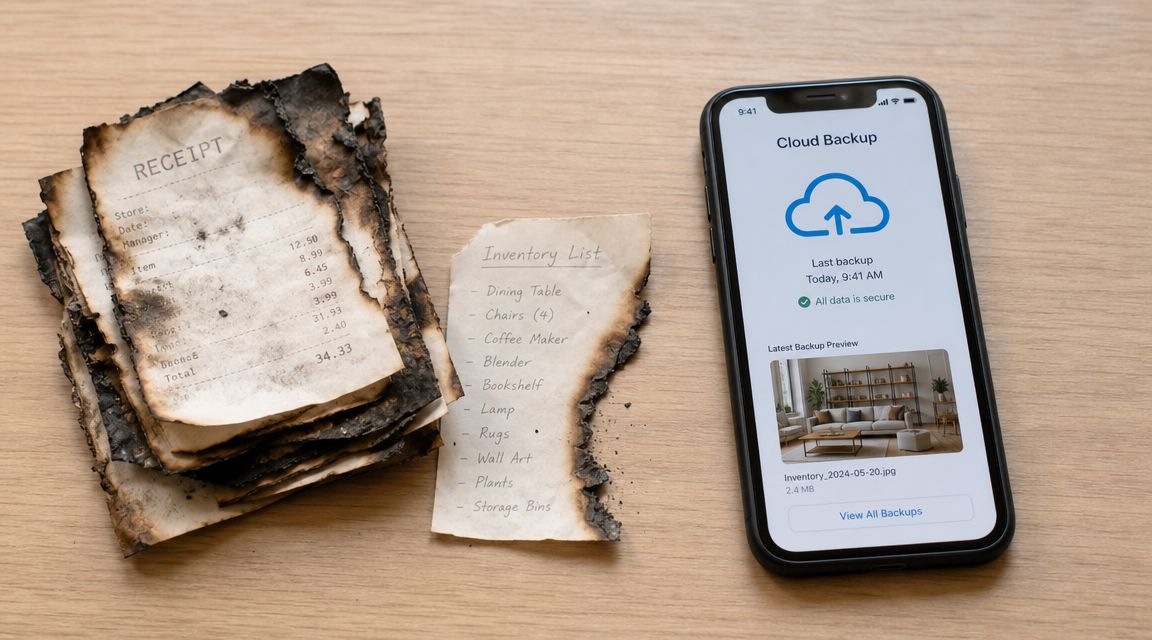
A homeowner may have lost furniture, clothing, electronics, and family items but can't produce receipts. A restaurant owner may know inventory burned, but the stock records are incomplete. A building owner may submit a rough contractor estimate instead of a full scope.
To understand how formal this requirement can become, review the role of a proof of loss in an insurance claim.
What strong fire claim documentation looks like
The carrier wants to audit your loss. Build the file like you're preparing for that from day one.
- Scene evidence: Timestamped photos and video of every room, exterior elevations, contents, and debris.
- Ownership evidence: Receipts, bank or card statements, warranties, manuals, appraisals, and product photos.
- Scope evidence: Contractor estimates, repair line items, mitigation invoices, and code-related observations.
- Official records: Fire department reports, origin findings if available, and inspection records.
- Communication records: Save every email, letter, and claim note.
A lot of policyholders make one fatal mistake. They send documents in pieces and assume the insurer will organize the claim fairly. It won't.
This video helps explain why claim evidence has to be assembled carefully before you trust the insurer's valuation.
If the insurer says your proof is incomplete, answer with a complete package, a written index of what you're submitting, and a demand for a line-by-line explanation of anything still in dispute.
5. Disputed Causation or Cause of Loss Disagreement
Many valid claims often encounter complications. The insurer doesn't always deny the damage first. It attacks the cause.
If the carrier can frame the fire as intentional, excluded, suspicious, or unsupported, it gains an advantage regarding the entire claim. That is why cause-and-origin fights become so intense.
Why causation disputes get ugly
The insurer may send a cause-and-origin investigator, retain an engineer, interview witnesses, inspect electrical components, review financial records, and compare your statements against the physical scene. If anything seems inconsistent, the company may slow the file down or issue a denial based on an excluded cause.
This is especially dangerous when the official findings are inconclusive. Policyholders often assume "inconclusive" helps them. Sometimes it does. Sometimes the insurer uses that uncertainty against them and says you failed to prove a covered loss.
Keep your statements accurate, brief, and consistent. Casual speculation about what caused the fire can damage your claim.
A real-world example is an electrical room fire in a mixed-use building. The owner says faulty wiring. The insurer's expert says heat buildup from neglected equipment. Another common example is a residential fire after storm-related power issues, where the carrier searches for any fact that supports an exclusion or intentional-act theory.
How to fight a cause denial
You need evidence, not outrage.
- Request every report: Get the fire report, the insurer expert report, photographs, diagrams, and recorded statement transcripts.
- Preserve key evidence: Don't allow damaged appliances, panels, or components to disappear without documentation.
- Use independent experts when needed: Competing technical opinions can shift the advantage in a dispute.
- Anchor the timeline: Witness accounts, maintenance records, and service invoices matter.
Suspected arson and fraud are among the most common denial triggers in fire claims because insurers investigate cause and origin before paying large losses, as noted in earlier fire claim guidance. That means you should treat every major fire investigation as adversarial from the start, even if the adjuster sounds friendly.
6. Failure to Mitigate or Prevent Further Damage
Insurers often use post-fire conditions to reduce what they owe. They argue that some of the loss wasn't caused by the fire itself, but by your failure to protect the property afterward.
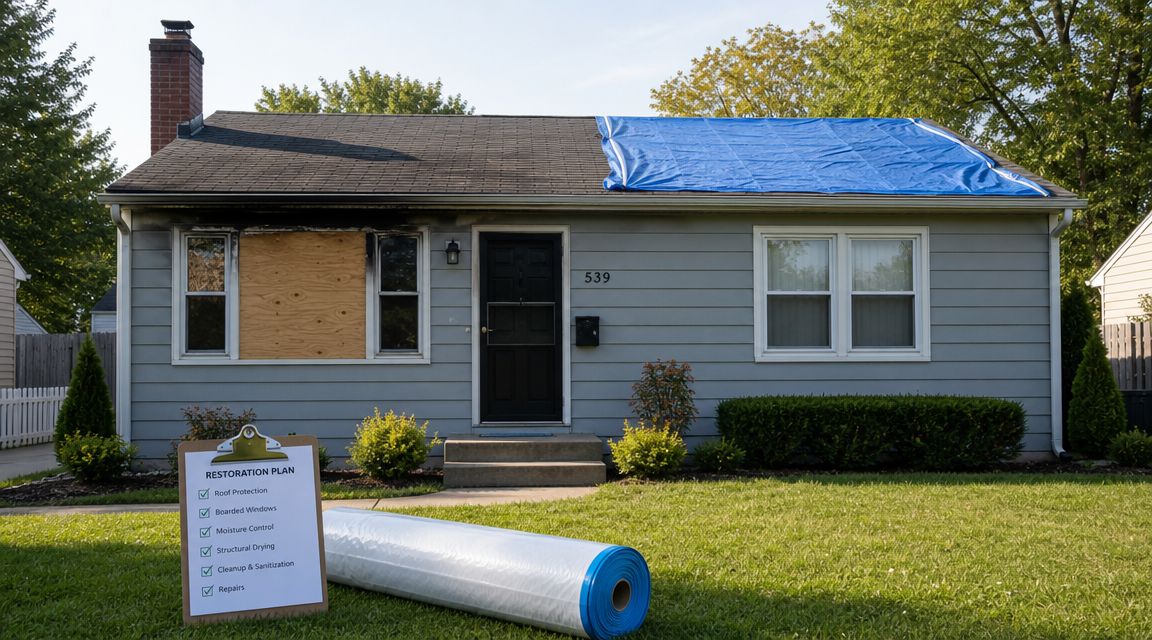
That argument can affect smoke damage, water damage, mold growth, theft after the fire, structural deterioration, and weather intrusion. On a home claim, the carrier may say you failed to board up openings or dry the property fast enough. On a commercial loss, it may argue you left inventory exposed or delayed emergency stabilization.
Reasonable mitigation is the standard
You don't have to perform miracles. You do have to act reasonably once the scene is safe and authorities allow access.
That usually means securing the property, preventing further exposure, and documenting what was done. If the fire involved electrical systems, basic safety matters before anyone touches damaged areas. This overview of what to do for electrical fires is a useful reminder that immediate response must prioritize life safety and hazard control.
What helps you beat this argument
The strongest mitigation defense is a clean record.
- Document emergency steps: Save photos of board-up work, tarping, extraction, and temporary power or fencing.
- Keep every receipt: Emergency services, cleaning, temporary repairs, and security costs matter.
- Track access delays: If fire officials, utilities, or the insurer delayed entry, note it in writing.
- Separate unsafe from avoidable: If a structure wasn't safe to enter, say so and support it.
A common fight happens when a carrier delays inspection, then blames the policyholder for deterioration during that delay. Don't let them reverse responsibility. If you asked for direction, requested approval, or were waiting on access decisions, preserve that communication trail.
7. Coverage Limits Reached or Deductible Issues
Sometimes the insurer doesn't deny the existence of coverage. It says the policy doesn't pay enough.
That may sound obvious, but in practice this issue blindsides people after a major fire. A homeowner thinks "I'm covered for fire" and doesn't realize the dwelling limit, contents limit, or special sublimits are far lower than the actual rebuilding and replacement costs. Business owners run into the same problem with building limits, equipment, tenant improvements, or stock.
Underinsurance becomes a dispute fast
The insurer will point to the declarations page and say it only owes up to the listed limit. It may also invoke deductibles or sublimits for certain categories of property. Jewelry, artwork, electronics, specialty equipment, and business personal property are frequent problem areas.
One common scenario is a total or near-total residential loss where the structure limit doesn't match current rebuilding conditions. Another is a business owner discovering that inventory and improvements are split into separate coverage buckets, each with its own restrictions.
If you're concerned your limits were too low before the fire, this discussion of underinsurance and homeowner coverage gaps is worth reviewing.
What to do when the policy limits are the fight
You still need to challenge the insurer's math, even when limits are in play.
- Verify category allocation: Make sure the carrier didn't place covered property in the wrong bucket.
- Review endorsements: Extended or added coverage may apply even when base limits look tight.
- Check valuation method: Replacement cost and actual cash value disputes can affect what gets paid now versus later.
- Scrutinize deductions: Deductibles, depreciation, salvage offsets, and claimed non-covered portions must be supported.
This issue appears again and again in fire claim disputes because insufficient coverage and policy limits are among the repeated denial and underpayment drivers identified in fire-claim guidance discussed earlier. The insurer may be right about the stated limit. It may still be wrong about how it calculated the payable loss under that limit.
8. Fraud Allegations or Investigation Holds
This is one of the most aggressive positions a carrier can take. The insurer may not issue an immediate denial. Instead, it puts the claim into a fraud investigation, asks invasive questions, delays decisions, and waits to see whether pressure alone will break the policyholder.
Fire losses are vulnerable to this tactic because the dollar exposure is often significant. The insurer may focus on timing, finances, recent policy changes, property use, contents valuation, or inconsistencies in statements.
Suspicion is not proof
A fraud hold does not mean the insurer has proven anything. But it does mean you need to get disciplined immediately.
If the claim involves a fire investigation or arson accusation, review this explanation of how arson fire investigations affect insurance claims. These cases turn on evidence, timelines, and statement management.
A common real-world scenario is a rental property fire where the carrier starts asking about vacancies, tenant issues, mortgage pressure, and prior claims. Another is a home fire shortly after a policy change, where the insurer treats timing as suspicious even without hard proof of wrongdoing.
Ask the insurer to identify the specific basis for the hold, the documents it wants, and the part of the policy it believes is implicated.
How to respond without making it worse
Policyholders often damage their own case here by talking too much.
- Answer carefully: Give accurate information, but don't guess, speculate, or fill silence.
- Get requests in writing: Verbal demands create confusion and let the carrier shift the target.
- Organize financial and property records: If motive is being implied, documents matter.
- Track delay conduct: Log every request, every response, and every gap in insurer action.
Fraud allegations overlap with another major fire-claim denial pattern. Insurers may treat the loss as suspicious, especially when arson is alleged, and denials often turn on suspicion, documentation, and investigation outcomes rather than the mere fact that a fire occurred. If the insurer is relying on suspicion, force it to move from insinuation to proof.
8-Point Comparison of Fire Claim Denial Reasons
| Reason | Implementation Complexity ???? | Resource Requirements ⚡ | Expected Outcome ⭐???? | Ideal Use Cases | Key Tip / Insight ???? |
|---|---|---|---|---|---|
| Policy Lapse or Expiration at Time of Loss | Low, objective coverage verification | Minimal: declarations page, payment records | High likelihood of full denial if lapse proven | When coverage continuity is questioned or premiums missed | Set up automatic payments; confirm renewals in writing |
| Misrepresentation or Non‑Disclosure on Application | Moderate–High, factual and legal review required | Application copies, prior‑loss records, possible legal aid | Risk of rescission or full denial if misstatement is material | Disputes over underwriting accuracy or undisclosed facts | Disclose fully; keep application copies; consult adjuster/attorney |
| Exclusions in the Policy Language | Moderate, legal/policy interpretation needed | Policy review, agent consultation, endorsement options | Denial for excluded perils; endorsements can restore coverage | Policy purchase or renewal; clarifying scope of fire coverage | Review exclusions with agent; purchase endorsements if needed |
| Inadequate Documentation or Failed Proof of Loss | Moderate, evidence collection and valuation | Time, photos, receipts, inventories, public adjuster help | Partial denials or reduced settlement; processing delays | Post‑loss claims where pre‑loss records are limited | Maintain digital inventory and receipts; hire a public adjuster promptly |
| Disputed Causation or Cause of Loss Disagreement | High, forensic investigation and expert debate | Fire investigators, expert reports, legal support | Claims held or denied until cause is established; lengthy delays | Ambiguous origin fires or insurer alleges excluded cause | Preserve evidence; retain independent investigators and adjuster |
| Failure to Mitigate or Prevent Further Damage | Low–Moderate, assess “reasonable” actions taken | Emergency services, mitigation contractors, documentation | Partial reduction or denial for damage caused by delay | Immediate post‑fire response and restoration decisions | Prioritize safety, document mitigation steps and receipts, contact adjuster |
| Coverage Limits Reached or Deductible Issues | Low, limit and deductible calculations | Declarations page, appraisals, scheduled endorsements | Reduced payout or no payment if under deductible/limits | Large losses, total loss rebuilds, high‑value items | Review limits annually; schedule valuables and update replacement cost |
| Fraud Allegations or Investigation Holds | High, investigative and legal process | SIU/investigators, financial records, counsel | Claims may be held/denied; invasive, lengthy investigations | Suspicious timing/patterns or significant payouts with red flags | Do not speak to investigators without counsel; engage adjuster/attorney immediately |
Your Next Step: Don't Accept an Unfair Denial
If your fire claim was denied, delayed, or cut down with technical excuses, don't treat the denial letter as the final word. Treat it as the start of a dispute that needs to be managed correctly.
The common reasons fire claims get denied are not random. They follow patterns. The insurer says the policy lapsed. It says the application was inaccurate. It points to exclusions. It attacks your proof. It disputes causation. It claims you failed to mitigate. It hides behind limits. It raises fraud suspicion. Those are not just explanations. They are pressure points the carrier uses to reduce exposure.
You fight back by getting specific. Get the full policy. Get the claim file. Get the reports. Get your own documentation in order. Force the insurer to identify the exact language, exact facts, and exact evidence behind every denial ground. If the company is vague, pin it down in writing. If it is selective with the facts, correct the record. If it is low-balling the damage, challenge the scope and valuation with a properly prepared claim package.
A licensed public adjuster can change the balance. A public adjuster works for the policyholder, not the insurance company. That means someone on your side can review the denial, inspect the damage, document the loss, organize the proof, and negotiate based on the actual policy language and actual value of the claim. For homeowners and business owners dealing with fire damage, that support can be the difference between accepting a bad result and building a serious dispute.
For The Public Adjusters, Inc. is one option for homeowners and businesses in North Carolina who need help with denied, delayed, or underpaid property claims. The firm represents policyholders in documenting and negotiating property losses.
Have your water damage claim questions answered at NO COST. Call 919-400-6440 to speak with a licensed Public Insurance Adjuster or Contact Us here with questions. WE Work For YOU… NOT Your Insurance Company!
If you're dealing with a denied or underpaid fire loss, For The Public Adjusters, Inc. offers policyholder representation for homeowners and businesses, including claim review, damage documentation, and negotiation with the insurance company.