State Farm Claims Help For State Farm Homeowner Insurance Claims – A fellow public adjuster, had posted about insurance companies not living up to the standards they portray. His comments were spot on. He was saying that the internet, social media, and the age of sharing digital information has exposed insurance companies for who and what they truly are: For-Profit Businesses! For over a century, insurers have carefully crafted an image that suggested otherwise. They positioned themselves to be “On Your Side,” as a “Good Neighbor,” even promised to have you in their “Good Hands.” We bought into these slogans, hook, line, and sinker, trusting them as more than just businesses.
With the flow of real-time information, the narrative has begun to shift—even carriers have tried to have the information suppressed. Yet, the internet is much too fast. More and more people, from everyday policyholders to seasoned insurance professionals—attorneys, appraisers, contractors, public adjusters, and even some of the insurers’ own employees—started to see the truth. The reality is that insurance companies sold us a story that simply wasn’t true.
The result? Every claim was handled as a business decision, focused on the bottom line, while every policy purchase was driven by necessity and emotion, fueled by those catchy slogans. But here’s the question: “Can you rebuild your [home] with slogans? Can you replace your [belongings] with catchphrases?, says Mr. Spoon.“ The answer is a resounding no.
It’s time to see insurance companies for what they are: Businesses. And as policyholders, it’s our responsibility to hold them accountable and ensure we get what we pay for. The continued State Farm Fire Claims process appears to be to lowball State Farm claims payouts in an effort to increase profits. Here are some court cases that ruled against State Farm Claims – You be The Judge!
 State Farm Insurance Under Fire:
5 Court Cases Exposing Lowball Claim Payouts
State Farm Insurance, one of the largest insurers in the U.S., has faced numerous lawsuits alleging unfair claim practices, including undervaluing payouts to policyholders. Here are five notable court cases where State Farm was found to have lowballed claims and ultimately had to pay more: (State Farm Claims Help?)
1. Cantu v. State Farm (2014) – Wind & Hail
Law Group scores $72K verdict in hail suit against State Farm: May 2014, a wind and hail storm damaged the home of Mr. & Mrs. Cantu, leaving them in need of a new roof and interior repairs. State Farm homeowner insurance claims paid a small portion of the claim—$2,300—but then refused to negotiate further. On December 13, a McAllen jury sided with the Cantus, rejecting State Farm’s argument and holding the insurer liable. The jury awarded the couple 16,00o 36,000 in attorney’s fees, and an additional $20,000 in case State Farm decided to appeal.
Read more about the Cantu wind claim case here – Or obtain State Farm Claims Help here.
2. Bennett v. State Farm (2017) – Tornado Damage
Secrets of State Farm Homeowner Insurance Claims practices Exposed: After a tornado damaged their home, the Bennett family filed a State Farm Claims. The insurer offered a settlement that was far below the actual repair costs, leaving the family unable to fully restore their property. The case went to trial, where evidence showed State Farm had ignored key damage assessments. The jury awarded the Bennett’s $1.5 million in punitive damages, citing State Farm’s “reckless disregard” for its policyholders.
Read more about the Bennett tornado damage claim case here – Or obtain State Farm Claims Help here.
3. State Farm v. Rigby (2016) – Hurricane Claim
State Farm Loses Katrina Claim Case: In the December 6, 2016 Supreme Court decision, State Farm v. Rigsby, a homeowner’s house was damaged by Hurricane Katrina. The homeowner had homeowners insurance with State Farm and a flood insurance policy that was administered by State Farm on behalf of the federal government. The claims adjusters assigned by State Farm to handle the homeowner’s claim allegedly were instructed by State Farm to misclassify wind damage as flood damage in order to shift State Farm’s own liability for the loss to the federal government.
The claims handlers filed a lawsuit against State Farm under the False Claims Act (FCA), which imposes civil liability on any entity who “knowingly presents … a false or fraudulent claim for payment or approval” to the federal government. A jury entered a verdict against State Farm Homeowner Insurance Claims in the amount of almost $3.7 million, which included a treble damages award and attorneys’ fees.
Read more about the Rigby Hurricane claim case here – Or obtain State Farm Claims Help here.
4. Thompson v. State Farm (2018) – House Fire Case
The Thompson family lost their home in a devastating fire and filed a claim with State Farm. Despite clear evidence of the home’s total loss, State Farm offered a settlement that was $200,000 less than the actual rebuilding costs. The family took the case to court, where it was revealed that State Farm had used outdated estimates and ignored local construction costs. The court ruled in favor of the Thompsons, ordering State Farm to pay the full claim amount plus additional damages for emotional distress.
Read more about the Thompson fire damage case here – Or obtain State Farm Claims Help here.
5. Khoury v. State Farm (2025) – Water Damage Claim
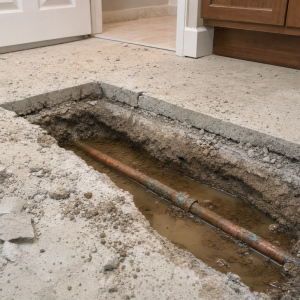
In 2019 a copper water supply line beneath the concrete slab of the Khoury’s home burst, causing significant water damage to their property. The Khourys promptly reported the incident to State Farm and took immediate action by hiring a plumber to replace the failed pipe and a water mitigation company to dry out the affected areas. However, State Farm denied the claim, asserting that the damage fell under a policy exclusion because the pipe failure occurred below the concrete slab. The Khourys, feeling wronged by the denial filed suit. The jury awarded them over $639,500, plus an additional $500,000 for emotional distress – $1,139,500 total. This outcome was especially significant given that State Farm homeowner insurance claims had offered a mere $20,000 as a settlement before trial—a fraction of what the Khoury’s deserved after enduring over five years of poor treatment by the insurer.
Read more about the Khoury’s water damage claim case here – Or obtain State Farm Claims Help here.
 The Bigger Picture
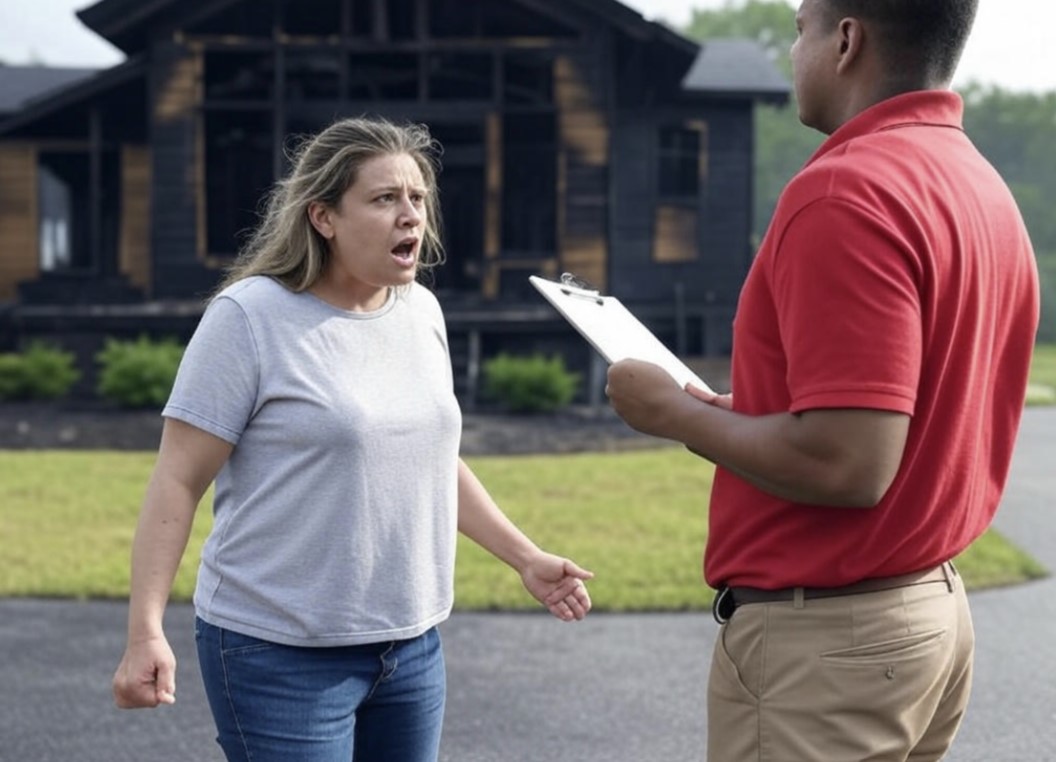
These cases highlight a troubling pattern of State Farm undervaluing or denying legitimate claims, leaving policyholders to fight for fair compensation. If you believe your claim has been lowballed, consider seeking legal advice or an independent appraisal to ensure you receive what you’re owed.
Why You May Need State Farm Claims Help
Filing a claim with State Farm can be a daunting process, especially when you suspect the insurance carrier is offering a payout that doesn’t fully cover your losses. Unfortunately, it’s not uncommon for insurance companies, including State Farm, to initially offer settlements that are lower than what policyholders deserve. This practice, often referred to as “lowballing,” can leave you struggling to recover financially after an accident, property damage, or other covered incidents.
Our State Farm Claims Help public adjusting service is here to level the playing field. We specialize in assisting policyholders in navigating the complex claims process to ensure you receive the fair compensation you’re entitled to. Here’s why you may need our help:
- Maximizing Your Payout: The State Farm claims adjuster may undervalue your claim by overlooking key damages or underestimating repair costs. Our public adjuster experts review your claim thoroughly to identify all eligible compensation.
- Expert Negotiation: In some cases, insurance adjusters are trained to minimize payouts. We have the experience to negotiate your State Farm Claims assertively on your behalf, countering low offers with evidence-based arguments.
- Understanding Policy Details: Insurance policies are filled with complex terms. We help you understand your coverage and ensure State Farm homeowner insurance claims honors every aspect of your policy.
- Reducing Stress: Dealing with a State Farm claim, or a claim from any other carrier can be overwhelming, especially after a traumatic event. We handle the paperwork, communications, and disputes, so you can focus on recovery.
- Preventing Claim Denials: The State Farm claim representative may attempt to deny or reduce your claim based on technicalities or simple human errors. Our team ensures your claim is properly documented and submitted to avoid unnecessary rejections.
Understanding Homeowner Insurance Claims
Homeowner insurance is designed to provide financial protection against unforeseen events that damage or destroy your home and belongings. Understanding the claims process is the first crucial step in ensuring that you receive the compensation you’re entitled to. This insurance typically covers various perils, including fire, theft, vandalism, and certain types of water damage. However, policies can vary significantly, and it’s essential to thoroughly review your specific coverage details to know what is protected and what is excluded.
Filing a homeowner insurance claim involves several steps, beginning with notifying your insurer of the incident. You’ll need to provide detailed information about the damage, including the cause, extent, and any immediate actions taken to mitigate further harm. This information is crucial for the insurer to assess the validity and scope of the claim. The more precise and accurate your initial report, the smoother the process will be.
Once your claim is submitted, an adjuster will typically be assigned to inspect the damage and estimate the cost of repairs or replacements. This professional evaluation is a critical part of the claims process, as it directly impacts the amount of compensation you may receive. Understanding these steps and the roles of the involved parties can help you navigate the process more effectively and prepare for any challenges that may arise.
 Steps to Take After a Claim Denial
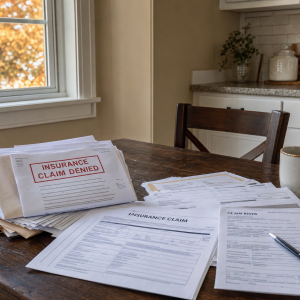
Receiving a claim denial from State Farm homeowner insurance claims department can be frustrating, but it’s important to remain proactive and take the necessary steps to challenge the decision. Begin by thoroughly reviewing the denial letter. This document should outline the specific reasons for the denial and reference relevant policy provisions. Understanding the insurer’s rationale is crucial for addressing the denial effectively.
Once you have a clear understanding of the reasons for denial, gather additional evidence to support your claim. This may involve obtaining second opinions from independent contractors or experts who can provide professional assessments of the damage. Additional documentation, such as updated repair estimates or new photos, can also bolster your case.
Next, reach out to your State Farm representative to discuss the denial. Request a detailed explanation and ask for guidance on any additional information or steps that could potentially lead to a reconsideration of your claim. Maintaining open and respectful communication with your insurer is key to finding a resolution. If necessary, consider escalation within the company or seek assistance from a professional public adjuster to advocate on your behalf.
How to Appeal a Denied State Farm Homeowner Insurance Claim
If your initial efforts to address the claim denial are unsuccessful, it’s time to formally appeal the decision. Start by writing a comprehensive appeal letter to State Farm, clearly outlining your case and providing any additional evidence that supports your claim. Be sure to reference specific policy language and explain how your situation meets the criteria for coverage.
In your appeal letter, include all relevant documentation, such as repair estimates, expert opinions, and any new evidence that has emerged since the initial claim. Organizing this information in a clear and logical manner can help strengthen your argument and make it easier for the insurer to review your case.
Persistence is key during the appeals process. Stay in regular contact with your State Farm representative and follow up on the status of your appeal. If you face continued resistance, consider seeking assistance from external resources, such as state insurance departments or consumer advocacy groups. These organizations can provide additional support and guidance to help you navigate the appeals process more effectively.
Tips for Communicating with State Farm Representatives
Effective communication with State Farm homeowner insurance claims representatives is crucial in managing your claim and addressing any issues that arise. Start by maintaining a professional and respectful tone in all interactions. Being courteous and clear in your communication can help build a positive rapport with your representative and facilitate a more cooperative relationship.
When discussing your claim, be concise and provide specific details about the damage and the steps you’ve taken to address it. Clearly articulate your concerns and ask for clarification on any points of confusion. Keeping a written record of all communications, including dates, times, and summaries of conversations, can help you stay organized and provide a reference for future interactions.
If you encounter difficulties or feel that your concerns are not being adequately addressed, don’t hesitate to escalate the issue within State Farm homeowner insurance claims department supervisor. Request to speak with a supervisor or higher-level representative who may have the authority to make more significant decisions regarding your claim. Persistence and clear communication can often lead to a more favorable resolution.

…
Successful Case Studies of State Farm Homeowner Insurance Claims: Overturning Denials
Examining successful case studies of overturned claim denials can provide valuable insights and inspiration for homeowners facing similar challenges. One notable case involved a homeowner whose claim for storm damage was initially denied due to alleged pre-existing roof conditions. The homeowner provided additional evidence, including a recent roof inspection report and expert testimony, which demonstrated that the damage was directly caused by the storm. As a result, the insurer reversed the denial and approved the claim.
In another case, a homeowner’s claim for water damage was denied on the grounds that the damage was not covered under the policy. The homeowner meticulously reviewed the policy and discovered that the damage was indeed covered under a specific provision. By presenting a well-documented appeal that referenced the relevant policy language, the homeowner successfully overturned the denial and received the necessary compensation for repairs.
A third case involved a State Farm homeowner insurance claims for fire damage that was initially denied due to alleged policy violations. The homeowner sought legal assistance and was able to demonstrate that the insurer’s interpretation of the policy was incorrect. The legal team provided compelling evidence and legal arguments that ultimately led to a favorable settlement for the homeowner. These case studies highlight the importance of persistence, thorough documentation, and seeking professional assistance when necessary.
Preventative Measures: Avoiding Future Claim Denials
Taking proactive steps to prevent future claim denials can save you time, stress, and financial hardship. Regularly reviewing and updating your homeowner insurance policy ensures that you have adequate coverage for potential risks. Discuss any changes in your property or circumstances with your insurer to ensure that your policy accurately reflects your needs.
Conducting regular maintenance and inspections of your home can also help prevent claim denials. Addressing minor issues promptly can prevent them from escalating into significant problems that may be excluded from coverage. Keeping records of maintenance and repairs, including receipts and contractor reports, provides valuable documentation in the event of a claim.
Establishing a clear communication plan with your State Farm homeowner insurance claims department is another important preventative measure. Ensure that you understand the claims process, including the types of documentation required and the steps to follow in the event of damage. Being well-informed and prepared can help you navigate the process more smoothly and reduce the likelihood of claim denials.

Don’t let State Farm’s lowball offers shortchange you. With our State Farm Claims Help, you’ll have a dedicated team fighting for the full compensation you deserve. Contact us today by email to learn how we can assist with your claim and help you secure a fair settlement.
Or feel free to reach out by phone at (919) 400-6440 to speak with a Licensed Public Adjuster and have all your claim questions answered.
NO Sales Pitch,
NO Pressure, JUST Answers!
CAL ME – (919) 400-6440
State Farm Homeowner Insurance Claims: What Policyholders in NC & VA Still Need to Know
Many homeowners search for help with State Farm homeowner insurance claims only after something has gone wrong — a delay, a denial, or a settlement that doesn’t come close to covering the real cost of repairs. This section addresses the most common unanswered questions and hidden issues policyholders face, especially in North Carolina and Virginia.
What makes State Farm homeowner insurance claims challenging?
State Farm homeowner insurance claims are often complex because they rely heavily on:
-
Adjuster interpretations of policy language
-
Estimating software that may undervalue repairs
-
Strict documentation requirements
-
Damage classifications such as “wear and tear” or “pre-existing conditions”
In NC and VA, homeowners are protected by state insurance regulations — but those protections only help if the claim is properly presented and supported.
What documentation actually strengthens a State Farm homeowner insurance claim?
Beyond photos and estimates, strong claims often include:
-
Cause-of-loss documentation
Roofing reports, plumbing failure documentation, or storm data showing when and how damage occurred. -
Line-item estimates
Broad estimates are easier to discount. Detailed scopes force a more accurate review. -
Code upgrade considerations
NC and VA building codes can trigger additional coverage under ordinance or law provisions — but only if identified and documented. -
Proof of timely mitigation
Receipts and photos showing you acted quickly to prevent further damage can eliminate common denial arguments.
Most policyholders don’t realize that how evidence is organized can matter as much as the evidence itself.
Why are some State Farm homeowner insurance claims underpaid even when approved?
An approved claim does not always mean a fair settlement.
Underpayments often occur when:
-
Depreciation is applied aggressively
-
Labor and material costs are outdated
-
Repairs are scoped as “spot fixes” instead of full replacements
-
Matching issues (siding, roofing, flooring) are minimized or ignored
In NC and VA, matching disputes are common and frequently misunderstood. While not always explicitly guaranteed, inconsistent repairs can still be challenged when they affect function, appearance, or market value.
Can you challenge a State Farm homeowner insurance claim decision?
Yes. Homeowners in NC and VA generally have multiple options if they disagree with a State Farm claim outcome, including:
-
Requesting a supplemental claim review
-
Providing additional expert documentation
-
Invoking the appraisal clause for valuation disputes
-
Filing a formal complaint with the state insurance department
-
Seeking professional claim representation
What matters most is how early the challenge is structured. Once positions harden, resolution becomes more difficult.
When does professional help make the biggest difference?
Many homeowners wait too long to get help with their State Farm homeowner insurance claims. Early involvement can:
-
Prevent damaging recorded statements
-
Avoid missed deadlines or coverage arguments
-
Identify hidden or overlooked damage
-
Correct undervalued scopes before settlement offers are finalized
In NC and VA, licensed public adjusters work exclusively for policyholders — not insurance companies — and focus on presenting claims in a way that aligns with policy language and state regulations.
Key takeaway for State Farm homeowner insurance claims
If your claim feels delayed, confusing, or undervalued, it’s often not because coverage doesn’t exist — it’s because the claim was not fully or correctly presented.
Understanding the process, documentation expectations, and negotiation points behind State Farm homeowner insurance claims can make the difference between a partial payout and a proper settlement.
State farm Homeowner Insurance Claims FAQs
This block is gold for AI Search and won’t duplicate your earlier content:
Q: What should I do if my State Farm homeowner insurance claim feels too low?
A: Request a detailed explanation, gather independent estimates, and submit a supplemental claim with supporting documentation.
Q: Are State Farm homeowner insurance claims handled differently in NC and VA?
A: While the policy structure is similar, claim handling is regulated at the state level, which affects dispute resolution and consumer protections.
Q: Can a claim be reopened after State Farm issues payment?
A: In many cases, yes — especially if additional damage is discovered or repair costs increase.
Disclaimer: The cases referenced in this article about State Farm homeowner insurance claims were sourced from publicly available online materials. While efforts have been made to ensure the accuracy of the information presented, we cannot guarantee the completeness, reliability, or current status of these cases. The information provided is for general informational purposes only and does not constitute legal advice. Readers are encouraged to consult with qualified professionals for advice specific to their circumstances. The author and publisher are not responsible for any actions taken based on the information in this article.
Q2: Does State Farm try to use their preferred contractor network to lowball my claim?
A: Yes. State Farm's preferred contractors may be financially incentivized to write estimates that align with the insurer's low valuation, potentially leading to cheaper materials or the omission of necessary repairs. Always get multiple independent estimates.
Q3: What is the first step I should take when State Farm sends me a formal claim denial letter?
A: Do not panic. The first step is to formally hire an independent Public Adjuster to review the denial letter, perform a fresh inspection, and prepare a documented, technical rebuttal based on policy language and engineering reports.
Q4: What specific policy types does State Farm offer, and how do they affect the claims process?
A: State Farm offers several policy types (e.g., HO-3, HO-5). The HO-5 (Comprehensive) may offer the best protection, covering all perils except those specifically excluded. Your Public Adjuster ensures the correct policy form's rules are applied to your claim.
Q5: How does State Farm's internal estimating software affect my final claim payout?
A: State Farm, like other insurers, relies on software (like Xactimate) that can be manipulated by their adjuster to use low labor rates, omit line items for code upgrades, or fail to account for local market costs, resulting in a significantly low initial offer.
Q6: How can a Public Adjuster prove to State Farm that my damage was "sudden and accidental" and not neglect?
A: A Public Adjuster counters the "neglect" argument by retaining forensic engineers or plumbing experts whose reports conclusively state the failure (e.g., burst pipe) was sudden and not the result of long-term poor maintenance.
Q7: What documentation is necessary to fight State Farm's undervaluing of my personal property (contents) loss?
A: You must maintain a detailed, itemized inventory list (brand, model, age, replacement cost) and provide a professional, line-by-line comparison of your valuation versus State Farm's low valuation, usually prepared by a Public Adjuster.
Q8: Should I use State Farm's photo documentation, or should I take my own evidence?
A: Always take your own meticulous, date-stamped, high-resolution photo and video evidence before any cleanup begins. The evidence you gather is solely for your benefit, whereas the insurer's photos are for their file.
Q9: How do I fight a State Farm claim denial if they rely solely on a single adjuster's opinion?
A: You fight this by obtaining an independent, expert opinion from a licensed structural engineer, contractor, or Public Adjuster, whose report will introduce contradictory evidence and expert analysis into the claim file.
Q10: Can State Farm force me to use Actual Cash Value (ACV) instead of Replacement Cost Value (RCV) for my contents?
A: State Farm typically pays the lower Actual Cash Value (ACV) initially. However, to get the full Replacement Cost Value (RCV) payout, you must purchase and submit proof of replacement within a specified time frame, a process your Public Adjuster manages.
Q11: What formal dispute mechanisms can I use to fight State Farm besides a lawsuit?
A: You can use the Appraisal Clause (if the dispute is only over the cost of damage) or file a formal complaint with your State Department of Insurance if State Farm exhibits unreasonable delay or bad faith claim handling tactics.
Q12: Does hiring a Public Adjuster mean I am suing State Farm?
A: No. Hiring a Public Adjuster means you are hiring a claims expert to negotiate and manage the dispute for you, avoiding the time and expense of litigation. A lawsuit is only necessary if negotiation and all other formal remedies fail.
Q13: How can I stop State Farm from dragging out the claim process through unnecessary delays?
A: Your Public Adjuster holds State Farm accountable by tracking all communication, citing state Fair Claims Settlement Practices Act timelines, and submitting all documentation via certified mail to maintain an undeniable, documented paper trail.
Q14: What is the Appraisal Clause, and is it a good tool for fighting State Farm?
A: The Appraisal Clause is a formal alternative dispute resolution process used when State Farm agrees the loss is covered but disagrees on the amount of the loss. It involves both parties hiring an appraiser and is often a faster route to resolution than litigation.
Q15: How does State Farm handle my claim if I have a mortgage on my damaged property?
A: State Farm often includes your mortgage lender's name on the settlement check. Your Public Adjuster helps you manage the process of getting the lender to endorse and release the funds so repairs can begin, which is often a significant point of delay.
Q16: Can a Public Adjuster get me more money for my claim than State Farm’s initial offer?
A: Yes, Public Adjusters consistently obtain settlements that are significantly higher than the initial lowball offer by ensuring the insurer pays for all structural damage, code upgrades, and full coverage for Additional Living Expenses (ALE) required by the policy.
Q17: What actions by State Farm would constitute a potential "bad faith" insurance claim?
A: Potential bad faith actions include unreasonable delays in processing your claim, refusing to provide a clear explanation for a denial, or failing to conduct a proper and timely investigation of the loss.
Q18: Does State Farm's handling of a previous claim affect how they treat my new one?
A: Yes. If State Farm has a history of denying or underpaying your previous claims, your Public Adjuster will leverage that pattern of behavior to argue for a fairer settlement and highlight potential bad faith concerns.
Q19: Can State Farm withhold payment for code upgrade costs (e.g., matching shingles) that are legally required?
A: State Farm is generally obligated to pay for code upgrades required to bring the damaged portion of your property up to current local ordinances, provided you have the necessary Ordinance or Law policy endorsement. Your Public Adjuster ensures this coverage is included in the claim.
Q20: Why is hiring a Public Adjuster considered the most effective way to fight a State Farm claim?
A: A Public Adjuster is the most effective way because they level the playing field by having the expertise to interpret the policy, the authority to submit an independent, documented estimate, and the experience to counter State Farm's internal claim defense strategies.
#InsuranceClaimsHelp #StateFarmClaims #LowballClaims #FightInsuranceCompany