When your homeowners claim gets denied or a ridiculously low check from an insurer like State Farm or Allstate shows up in the mail, it's not the end of the story. It's the beginning of the real fight.
Insurance companies are not your friends; they're for-profit businesses. Their playbook includes tactics designed to underpay or outright deny what you're rightfully owed. They often delay, low-ball, and misinterpret their own policies to protect their bottom line. Once you understand this, their denial letter stops being a final verdict and becomes what it really is: their opening move in a negotiation you must win.
Your Homeowners Claim Was Denied Or Low-Balled What Now

Getting that denial letter or an insulting settlement offer feels like a gut punch. You’ve paid your premiums for years, trusting your insurer would be there when disaster struck. But the hard truth is, major carriers often put their profits way ahead of their policyholders' needs.
That denial isn't a mistake. It's a strategy designed to see if you will just give up. How you react in the next few hours and days is critical and will set the stage for the entire dispute.
First Steps To Fight Back
The moment that letter arrives, your mission changes. You need to stop being a victim and start building a case to fight your insurance company. Forget emotional phone calls; take these deliberate, strategic steps to protect your rights.
- Do Not Cash the Check: If they sent a check that won't even cover the materials, let alone labor, do not cash or deposit it. Cashing it can be legally interpreted by the insurer as you accepting their offer as a full and final settlement, closing the door on any further negotiation.
- Do Not Sign Any Releases: Your insurer will likely send you documents to sign. Read every word. Refuse to sign anything that releases them from further liability until you are absolutely certain the settlement is fair and complete.
- Demand a Written Explanation: Get on the phone or email immediately and demand a detailed explanation for their decision in writing. They are legally required to point to the specific policy language they're using to justify the denial or low-ball offer. This document is pure gold for your dispute.
- Organize Your Records: Pull together every single piece of paper, every email, every photo, and every video related to your claim. This means your full policy, all correspondence with the adjuster, your damage photos, and any contractor estimates you've already received.
When you’re facing a denial on a major loss, like a house fire, the pressure can be immense. You might even be forced to consider tough options, like figuring out how to sell fire damaged home just to escape the financial nightmare created by your insurer's tactics.
"I worked with Dickie and he was amazing! He was knowledgeable, professional, and kept us in the loop on a very difficult claim with State Farm. Dickie knows what he's talking about and knows how to talk to the insurance companies. It has been such a relief to hand this all over to him after trying to navigate it on my own for several months. Highly recommended for sure." – Heather S.
Heather’s story is one we hear every day. Insurance companies like State Farm are experts at making the process so frustrating that good people give up. That low-ball offer is a test to see if you’ll just go away.
Getting professional help from a public adjuster is how you show them you mean business. To see exactly how to push back, learn more about what to do when your insurance claim is denied and how to arm yourself for the next round. Their denial is just a tactic; hiring a public adjuster is your powerful countermove.
Understanding Your Policy To Fight A Claim Denial
When you’re fighting a homeowners claim, that stack of paper you call your insurance policy isn't just paperwork—it’s a legally binding contract. It is the single most powerful weapon you have to dismantle a denial or a low-ball settlement offer.
Insurance giants like Allstate and State Farm are betting you'll be too overwhelmed by confusing jargon and dense fine print to fight back effectively. Mastering this document is how you turn the tables on them. Their denial letters are built on cherry-picked phrases and vague exclusions, but your own policy contains the exact language you need to prove your claim is covered.
This isn't about becoming a lawyer overnight. It’s about knowing exactly where to look to demolish their weak arguments and force them to pay.
Key Policy Sections You Must Master
Your policy is broken into sections, but a few key areas hold all the power in a claim dispute. Instead of getting lost reading it cover-to-cover, focus your energy on the parts that spell out what the insurer is contractually obligated to pay.
- Declarations Page: Think of this as your policy's cheat sheet. It's usually the first page and summarizes your coverage limits for the dwelling, other structures, personal property, and loss of use. If a settlement offer seems insultingly low, check it against these numbers first.
- Dwelling Coverage (Coverage A): This covers the actual structure of your house. Insurers love to minimize the scope of repairs, but this section’s language defines their obligation to restore your home to its pre-loss condition—not just patch it up.
- Personal Property (Coverage C): This covers your belongings. Get ready for a fight here. Company adjusters will argue over the value of your items, often applying absurd levels of depreciation to slash the payout.
- Loss of Use (Coverage D): If a covered disaster makes your home uninhabitable, this pays for your additional living expenses. Insurers frequently underpay this coverage, which is why you must track every single receipt to get what you're owed.
The Power of Exclusions and Endorsements
The "Exclusions" section is where your insurer will run and hide to deny your claim. They’ll point to vague terms like "wear and tear," "neglect," or the notorious "flood damage" exclusion.
A classic tactic is to deliberately misclassify the damage to make it fit an exclusion. For example, an adjuster might blame the water pouring into your living room on "flooding" to avoid paying a dime, conveniently ignoring the fact that a storm ripped a hole in your roof first.
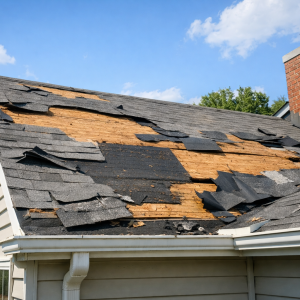
Your job is to prove the true cause of loss. If hurricane-force winds tore shingles from your roof and let the rain in, that is a covered windstorm peril. It is not a flood. Your policy language will back you up, but only if you know how to find it and use it against them.
On the flip side, dig into your "Endorsements." These are add-ons that modify the standard policy, and you might have valuable extra coverage you don’t even know about. To get a better handle on this, check out our guide on how to read your insurance policy for a deeper dive.
Ultimately, your policy is the rulebook for this fight. When you understand its terms better than the company-friendly adjuster assigned to your case, you build an airtight argument that leaves them no room to justify their ridiculous offers. Your entire homeowners claim depends on it.
Exposing Insurer Tactics To Delay And Underpay Your Claim
Let's be very clear about something: when you file a homeowners claim, you're not just filling out forms. You're going up against a powerful business with a carefully honed strategy. Their goal isn't to get you back on your feet—it's to pay you as little as legally possible.
The delays, the endless questions, and the insulting low-ball offers aren't mistakes. They are deliberate moves from a corporate playbook designed to wear you down until you give up and take whatever they’re willing to give. This isn't about one bad adjuster; it's a systemic, profit-driven machine. They are betting on your exhaustion, knowing most people will eventually accept a fraction of what they're owed just to make the nightmare stop.
Learning to spot these tactics is your first step to beating them at their own game.
Common Tactics Insurers Use Against You
Once you know what you’re looking for, their playbook becomes almost predictable. These moves are all designed to create confusion, cause fatigue, and make you second-guess what your claim is actually worth.
- The Endless Paper Chase: The adjuster gives you a long list of documents to provide. You spend days, even weeks, pulling it all together. The moment you send it in, they come back asking for more—often for the very same things you just sent. This isn't disorganization; it's a classic stall tactic.
- Their "Preferred" Experts: Your insurer will insist on sending their own adjuster, engineer, or contractor to inspect the damage. These vendors get a steady stream of business from the insurance company, creating a huge conflict of interest. Is it any surprise their reports almost always minimize the damage and justify a low payout?
- The "Pre-Existing Damage" Lie: This is one of the most infuriating and dishonest moves in the book. An adjuster walks through your storm-damaged home and starts pointing things out, claiming the damage was really due to "wear and tear" or "rot" that existed before the storm. They have zero proof, but they use it as an excuse to deny huge portions of your claim.
One of their favorite ways to slash your payout is by aggressively applying depreciation. They'll claim your roof or floors were old, reducing what they owe you based on age. To see how they manipulate these numbers, you need to understand how depreciation on insurance claims works and how to fight back.
To give you a clearer picture of what you're up against, I've put together a table breaking down their most common moves and how you can counter them.
Insurer Tactics vs Your Counter-Moves
| Insurer Tactic | Their Goal | Your Proactive Counter-Move |
|---|---|---|
| Sending a "Preferred Vendor" | To get a biased report that minimizes damage and cost. | Hire your own independent contractor or engineer for an unbiased assessment. |
| Delaying with Endless Document Requests | To exhaust you and run out the clock on your claim. | Keep a detailed communication log. Send everything via certified mail or email with read receipts. |
| Blaming "Pre-Existing Damage" | To deny coverage for legitimate storm or fire damage. | Use photos and maintenance records to prove the property's condition before the loss. |
| Making a Quick, Low-Ball Offer | To close the claim cheaply before you realize the true cost of repairs. | Never cash that first check. Get multiple, detailed estimates from your own trusted contractors. |
| Misinterpreting Your Policy Language | To trick you into believing your damage isn't covered. | Get a professional policy review from a public adjuster who knows the fine print. |
This isn't an exhaustive list, but it covers the core strategies they use to protect their profits. By documenting everything and refusing to be intimidated, you begin to take back control.
Case Study: A Public Adjuster Forces an Insurer to Pay 5x More
A North Carolina family learned this the hard way after a hurricane ripped through their community. Their insurer's adjuster came out, spent less than an hour on-site, and produced a laughably low estimate. His report claimed most of the water damage wasn't from the storm, but from "deferred maintenance" on the roof.
The family fought back. They provided engineering reports that proved the hurricane was the cause. The insurer simply ignored them. For months, they were stuck in a loop—sending documents, making calls, and getting nothing but silence and delay. The company was starving them out, hoping financial desperation would force them to accept the insulting offer. This is a textbook example of bad faith.
Completely defeated, they finally hired a public adjuster.
Everything changed overnight. The public adjuster took over all communication, submitted a professional, line-item estimate using the same software the insurers use, and put the company on notice for their delay tactics. Faced with an expert who knew their playbook inside and out, the insurance company folded. They were forced to re-evaluate the claim based on facts, not fiction, and ultimately paid a settlement that was over five times their initial offer.
This story drives home a critical truth: insurance companies bully the unprepared. They rely on an uneven playing field. A public adjuster levels it instantly, forcing them to honor the policy you paid for.
Building An Undeniable Claim With The Right Documentation
When an insurance adjuster sees a meticulously organized, evidence-heavy homeowners claim, they know their usual playbook won't work. The single best defense against a low-ball offer is a mountain of undeniable proof, so thorough it leaves them no room to argue.
This is about much more than just snapping a few quick photos on your phone. Building a powerful claim is a deliberate strategy. It's about meticulously documenting every single detail of your loss to combat the insurer's tactics.
Creating A Bulletproof Inventory
Your insurer is counting on you to forget things. They’re banking on you underestimating the value of your own property. Your job is to prove them wrong with a comprehensive inventory of every single item that was damaged or destroyed.
For each item, you need to list:
- Description: Get specific. Don't just write "TV." Write "Samsung 65-inch 4K Smart TV, Model QN65Q80A."
- Age: How old was the item when the damage occurred?
- Original Cost: Dig up receipts, credit card statements, or online order confirmations.
- Replacement Value: Research what it would cost to buy that exact item—or the closest modern equivalent—brand new today.
This detailed list becomes the bedrock of your personal property claim. It makes it almost impossible for the adjuster to pick your numbers apart.
The process below shows the cycle of tactics insurers use to wear you down. This is why documentation is your most powerful weapon.

As you can see, their goal is to frustrate you into accepting less. A well-documented claim is the one thing that short-circuits this entire strategy.
Get Your Own Independent Estimates
Never, ever accept the first estimate you get from your insurer’s “preferred vendor.” Think about it: that contractor’s loyalty isn't to you. It's to the insurance company that sends them a steady stream of business. Their incentive is to keep the insurer happy, which usually means writing a low, incomplete estimate.
Instead, go out and get multiple, detailed, line-item estimates from trusted local contractors. Find people who specialize in insurance restoration work. These independent bids provide a real-world benchmark for what the repairs actually cost, giving you incredible leverage in negotiations.
An insurer's low-ball offer is just an opinion. A detailed estimate from a reputable local builder is evidence. The more evidence you have, the stronger your homeowners claim becomes.
The Public Adjuster's Advantage
This is exactly where a public adjuster becomes your most critical ally. While you’re focused on tracking down receipts and getting bids, a public adjuster elevates your claim to a professional level.
We use the exact same estimating software the insurance companies use, a program called Xactimate. This lets us build an intensely detailed, line-by-line scope of loss from your side of the table. We account for everything—from the cost of nails and paint to the specialized labor required to restore your home correctly.
This professional estimate isn't just a number; it's a blueprint for your recovery. It breaks down every single cost with scientific precision, forcing the insurance company to stop guessing and start negotiating based on hard facts.
When an insurer sees an Xactimate estimate from a public adjuster, they know immediately they aren't dealing with a panicked homeowner. They know they're dealing with an expert who can't be intimidated. That single move levels the playing field and is often the key to unlocking the fair, full settlement you're entitled to.
When To Escalate Your Dispute By Hiring A Public Adjuster

You’ve sent dozens of photos, piled up independent estimates, and exchanged email after email—yet your insurance company still won’t budge. Their low-ball offer sits in your inbox, and you’re left wondering how to break the stalemate. That’s when your homeowners claim needs a new strategy.
When the adjuster digs in and negotiations stall, it’s time to bring in a champion. A public adjuster is licensed by the state to fight for you, not for the insurer’s bottom line. They flip the script, shifting the leverage back into your hands.
Recognizing The Red Flags
If you see any of these warning signs, consider calling in a public adjuster right away:
- Severe or Complex Damage: Fire scars, major water intrusion or structural issues can hide costly repairs. Insurers often underpay when the scope gets too detailed.
- Insurer Unresponsive: Are your calls unanswered and emails ignored? This “ghosting” tactic is meant to wear you down.
- Inadequate Settlement Offer: When their number doesn’t cover basic material costs from your contractor’s quote, it’s more insult than offer.
- Blaming “Pre-Existing” Conditions: An adjuster pointing to phantom wear and tear to deny storm damage signals bad faith.
- Feeling Overwhelmed: Mountains of paperwork and jargon can drain you. If you’re losing sleep, it’s time for expert backup.
A public adjuster instantly rebalances the fight. They cut through weak denials with policy language and solid proof, then negotiate from a position of strength.
The Public Adjuster's Role In The Fight
Once on board, your public adjuster conducts a thorough, forensic-style inspection of every damaged area. They document hidden losses—roof sheathing, framing rot, water migration—that your insurer’s adjuster might have skimmed over.
Next, they use software like Xactimate to create a detailed, line-item estimate that nails down the real cost of rebuilding. This isn’t an opinion; it’s a data-driven demand the insurance company can’t ignore.
With that estimate in hand, they handle each call, email and meeting, turning a complex tug-of-war into a clear, focused negotiation. You get to step back, breathe easier, and watch them secure the settlement you’re owed.
This is the kind of immediate impact a public adjuster can have, as detailed in this customer's experience.
After months of going nowhere with their initial adjuster, this homeowner found relief the instant they handed over their case. A public adjuster’s expertise turned confusion into clarity—and a fair paycheck that truly covered the damage.
Winning The Fight Against Bad Faith Insurers
Taking on your insurance company can feel like a David-and-Goliath showdown, but it’s a fight you can absolutely win. When an insurer acts in bad faith—denying a legitimate homeowners claim or deliberately refusing to pay what you’re owed—they aren’t just being difficult. They are breaking the contract you have with them.
Fortunately, the courts have repeatedly put these giants in their place, forcing them to pay what they owe and sometimes a lot more. These aren't just feel-good stories; they're powerful legal precedents that prove you have rights. With the right documentation and expert help, you can challenge their decision and force them to honor the policy you paid for.
Court Rulings That Held Insurers Accountable
When your insurance company lowballs, delays, or denies your claim without a good reason, that’s the definition of bad faith. Homeowners who stand up and fight back often win, setting crucial examples for everyone else. These cases are a wake-up call that the insurance company does not get the final word.
Here are a few real-world examples where property owners took on their insurance companies and came out on top:
Fire Claim Denial Overturned: A family lost their home in a devastating fire. Their insurer denied the claim, hinting at arson based on nothing more than flimsy, circumstantial theories. The family lawyered up and took them to court. The jury saw right through the insurer's tactics, finding the company had no reasonable basis for the denial and was acting in bad faith. The court didn’t just order them to pay the full policy limits for the fire; it slapped them with significant punitive damages to punish them for their conduct. This case proves an insurer can’t just invent accusations to get out of paying a claim.
Hurricane Low-Ball Offer Exposed: After a hurricane leveled a coastal business, the owner filed a claim. The insurance company's adjuster came back with a settlement that was a tiny fraction of the real damage, conveniently leaving out the costs for major structural repairs and mandatory code upgrades. The owner hired a public adjuster who documented every last detail of the loss. When the insurer still refused to play fair, they filed a lawsuit. The court found the insurer's initial offer was grossly inadequate and a clear breach of contract. The final judgment? The insurer had to pay the full, multi-million-dollar repair cost plus the owner's attorney fees. It’s a powerful lesson that courts won’t let insurers get away with cheating their customers after a catastrophe.
These court battles prove a fundamental truth: the law is on your side when an insurer acts improperly. They are banking on you giving up before the fight ever gets to a courtroom.
Your power comes from refusing to accept their first "no." Your homeowners policy is a legally binding contract. When the company breaks its promise, you have the right to hold them accountable. The key is building an undeniable case from day one with rock-solid evidence and professional support. Every successful lawsuit just reinforces the fact that with the right strategy, you can make them pay.
Your Homeowners Claim Dispute Questions, Answered
When you're fighting with your insurance company, a flood of urgent, confusing questions can be overwhelming. That confusion is exactly what the insurance carrier is counting on to keep the upper hand.
This section cuts through the noise with direct answers to the most common questions we hear from homeowners. This is the knowledge you need to start fighting back.
Can I Still Dispute a Claim After I've Cashed the Insurance Check?
Yes, but you need to be strategic. Cashing an insurance check doesn't automatically sign away your rights to more money, unless you also signed a document called a "full and final release." That's the trap.
If that initial check is just a fraction of what you're truly owed, you can—and should—file a supplemental claim for the rest of the money needed to finish your repairs. The trick is to move fast, notify them in writing that you are only accepting the check as a partial payment, and never, ever sign away your rights for a lowball first offer.
What Does a Public Adjuster Cost?
Public adjusters work on a contingency fee basis. This is critical: it means you pay absolutely nothing upfront for their help. Not a dime out of your pocket to get them started.
Their fee is a small, pre-determined percentage of the final settlement they secure for you. This structure puts their goals in perfect alignment with yours: to get you the maximum possible payout.
It’s simple: if they don't get you more money, they don't get paid.
How Do I Fight My Insurer’s Claim That My Damage Is From “Flooding?”
This is a classic bad faith tactic, and a major battleground for homeowners. Your standard homeowners policy excludes flood damage, which needs its own separate policy, usually from the National Flood Insurance Program (NFIP).
Huge carriers like Allstate and State Farm know this, and they will dishonestly try to blame obvious storm-driven rain damage on "flooding."
For instance, if a hurricane rips a hole in your roof and rain pours into your living room, that is a covered windstorm loss. But the insurer will look for any excuse to call it a flood and deny the claim.
To beat them at their own game, you have to prove the true cause of the damage. You need an independent expert—like a public adjuster or a structural engineer—to conduct a forensic analysis. They will document precisely how the wind created the opening that let the water in, building an evidence-based report that gives the insurer nowhere left to hide. It forces them to drop the flood exclusion and pay what they owe on your homeowners claim.
When your claim is denied or shamefully underpaid, don't let the insurance company have the last word. The team at For The Public Adjusters, Inc. works only for policyholders like you to document, negotiate, and win the full settlement you deserve.
If you're ready to fight back, visit https://forthepublicadjusters.com to get your no-cost claim review today.