When a Scope of Loss Letter Shuts the Door on Your Claim
A scope of loss letter can effectively shut the door on your insurance claim before you ever have a real chance to document the full extent of your damage. For one North Carolina homeowner, receiving this letter felt like the insurance company had already made up its mind — long before a licensed contractor ever set foot on the property. Once a public adjuster got involved, the story changed significantly.
Key takeaways
- A scope of loss letter issued before a licensed contractor inspects your property is an opener, not a final verdict — it can and should be challenged.
- NC homeowners have the right under their policy to dispute an insurer’s damage assessment and demand a full reinspection with their own representative present.
- Public adjusters document damage the insurer’s adjuster missed or undercounted, often uncovering hidden structural, moisture, or code-upgrade costs.
- Insurers are required under NC General Statutes to handle claims in good faith — stonewalling or premature capping of covered repairs can constitute an unfair claims practice.
- Getting a licensed contractor’s written estimate before accepting any settlement gives you a concrete basis to contest an inadequate scope of loss letter.
A Real Situation NC Homeowners Recognize
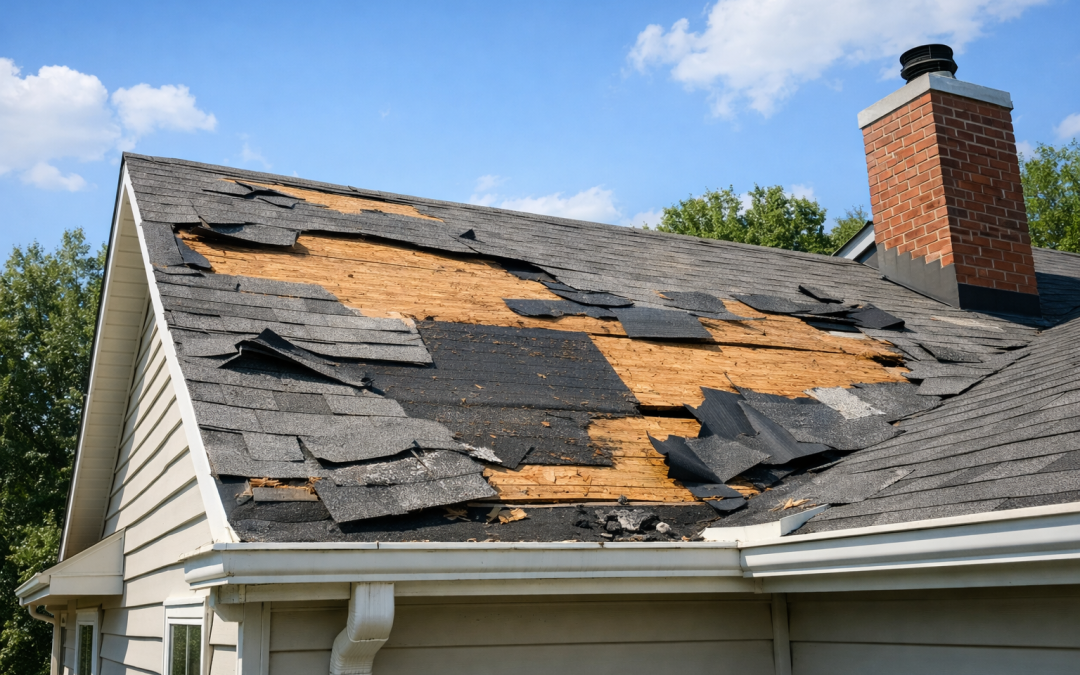
Picture this: a Wake County homeowner files a claim after a severe storm causes damage to the roof, siding, and interior. Within days, the insurance company’s adjuster does a brief walkthrough and issues a scope of loss letter outlining what the insurer is willing to pay for. The number feels low. The homeowner calls a local contractor who immediately spots damage the insurance adjuster missed entirely — but the insurer points back to that letter as the final word on the claim.
This scenario is more common than most homeowners realize. The scope of loss letter becomes a ceiling, not a starting point.
What Happened When a Public Adjuster Stepped In
When a public adjuster reviewed the same property, a very different picture emerged. Here is what the process typically looks like in cases like this:
- The public adjuster conducted a thorough, line-by-line inspection of all damaged areas — including spaces the insurance adjuster had not fully evaluated.
- Damage that had been excluded or minimized in the original scope of loss letter was documented with photos, measurements, and contractor estimates.
- A formal, detailed counter-estimate was submitted to the insurance company challenging the original scope.
- The insurer reopened the claim and revised its position after reviewing the new evidence.
The homeowner did not accept the first letter as the final answer — and that decision made all the difference. If you are facing a similar situation in the Cary area, understanding your options early is critical. Learn more about how homeowners navigate these disputes on our Public Adjuster Cary NC page.
The Core Problem With Accepting a Scope of Loss Letter Too Quickly
Insurance companies have every incentive to close claims quickly and at the lowest defensible cost. A scope of loss letter, issued early in the process, can feel authoritative — but it is not legally binding in the way a final settlement agreement is. Homeowners who push back with proper documentation, and who bring in a qualified public adjuster to advocate on their behalf, routinely see their claims reconsidered. The key is knowing that you have the right to challenge the scope, and knowing how to do it effectively.

What Is a Scope of Loss Letter and Why Does It Matter?
A scope of loss letter is a written document your insurance company sends after an initial inspection, outlining what damage they believe occurred and what repairs they are willing to pay for. It effectively sets the financial ceiling on your claim — and if it arrives before a licensed contractor has independently evaluated your property, it can quietly lock you into a settlement that falls far short of what full restoration actually costs.
Breaking Down the Scope of Loss Letter
In plain terms, think of the scope of loss letter as the insurer’s version of a repair estimate dressed up in formal language. It typically includes:
- A line-item list of covered damages — what the insurance company’s adjuster claims to have identified during their inspection
- Excluded or disputed items — damage the insurer is declining to cover, often with brief or vague explanations
- A proposed repair cost — calculated using the insurer’s preferred pricing software, which may not reflect current labor and material costs in your area
- Depreciation deductions — reductions applied to older materials or systems, which can dramatically shrink your payout
Once the insurer issues this letter, it becomes the baseline for every conversation that follows. If you don’t challenge it, many insurers treat it as a mutually accepted starting point — even though you never agreed to it.
Why the Timing of This Letter Is Critical
Here is where homeowners run into serious trouble. Insurance adjusters are often under pressure to close claims quickly. That means the scope of loss letter can land in your mailbox before you have had any chance to bring in a roofing contractor, a restoration specialist, or any independent professional who can tell you what your home actually needs.
When that happens, the insurer has defined the damage on their terms — based on a single walkthrough by someone whose employer benefits from paying out less. Critical items get missed: hidden water intrusion behind walls, structural damage beneath roofing underlayment, smoke penetration inside HVAC systems. None of these may appear in a rapid visual inspection, yet all of them can cost thousands of dollars to address properly.
Receiving a scope of loss letter before an independent contractor inspection is a red flag worth taking seriously. It does not mean your claim is over — but it does mean the clock is running, and the insurer is already working from a narrative that may not reflect the full picture of your loss. Understanding the benefits of hiring an independent claims adjuster at this stage can make the difference between a settlement that covers your repairs and one that leaves you paying out of pocket for damage the insurer simply chose not to document.
Can an Insurance Company Cap Your Repairs With a Scope of Loss Letter Before a Contractor Inspects?
An insurance company does not have the unqualified legal right to issue a binding scope of loss letter before an independent contractor has assessed your damage. Under North Carolina insurance law and standard homeowner policy language, you retain the right to a full and fair investigation of your loss — and a premature scope issued without an independent inspection can be challenged, renegotiated, or escalated through the appraisal process.
What Your Policy Actually Says About Scope and Investigation
Most homeowner policies issued in North Carolina include language requiring the insurer to conduct a reasonable investigation before adjusting your claim. The insurer’s adjuster — who is typically a salaried employee or a contracted independent adjuster working on the carrier’s behalf — performs a walkthrough and produces an estimate using software like Xactimate. That estimate becomes the scope of loss letter sent to you.
The problem is that this process has a built-in conflict of interest. The person setting the scope is paid by, or works directly for, the party responsible for paying the claim. Nothing in that initial letter is automatically final. Your policy almost certainly contains:
- An appraisal clause allowing either party to demand an independent appraisal when there is a disagreement on the amount of loss
- A duties after loss provision giving you the right to make reasonable repairs to protect property and to produce your own documentation
- Language requiring the insurer to pay for the cost to repair or replace damaged property with like kind and quality — not simply what their adjuster estimates it will cost
North Carolina Law and the Limits of Insurer Authority
North Carolina General Statutes, including provisions under Chapter 58 governing insurance practices, prohibit unfair claim settlement practices such as failing to conduct a reasonable investigation or compelling insureds to accept less than what they are owed. When an insurer issues a scope of loss letter based solely on a brief adjuster walkthrough — without allowing a licensed contractor or public adjuster to independently document the damage — that process may fall short of what constitutes a thorough investigation.
North Carolina courts have generally sided with policyholders when insurers attempt to close off legitimate avenues of claim review. While homeowners should consult with a licensed public adjuster or attorney about how specific rulings apply to their situation, the broader legal environment in NC makes it difficult for an insurer to treat an early scope letter as the final word on your loss.
The Practical Bottom Line
A scope of loss letter is an opening position, not a legally binding settlement — unless you accept it as one. Signing a release or accepting a check marked as full and final payment can change that. Until you do, you have documented rights to dispute the scope, bring in your own experts, and invoke your policy’s appraisal clause if negotiations stall.
How a Public Adjuster Challenged the Scope of Loss Letter and Won
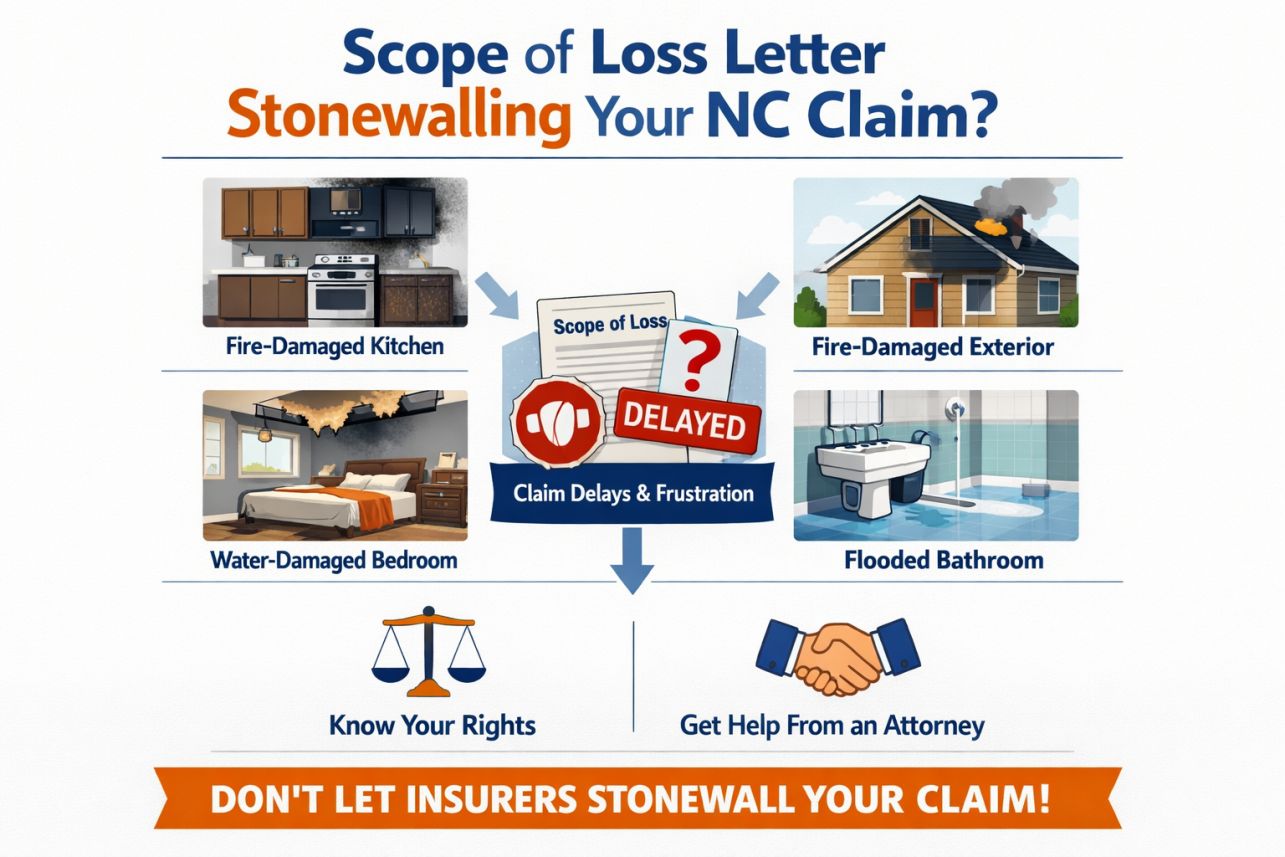
A public adjuster can successfully overturn an insurer’s scope of loss letter by combining an independent contractor estimate, a detailed line-by-line rebuttal, thorough photographic documentation, and a formal demand for reinspection. Together, these tactics shift the burden back onto the carrier and force a genuine reassessment of what your repair actually costs.
Step 1: Getting an Independent Contractor Estimate
The first move is almost always to bring in a licensed, independent contractor — someone with no financial relationship to the insurance company — to walk the property and produce a written estimate. This document becomes the foundation of every argument that follows. When that estimate comes back significantly higher than the insurer’s figure, it creates an immediate, documented discrepancy that the adjuster on the other side has to address. Carriers cannot simply ignore a credentialed professional’s assessment.
Step 2: Disputing the Scope Line by Line
A public adjuster doesn’t just say the number is wrong — they identify exactly where the insurer’s scope fell short. Common gaps include:
- Omitted line items such as code-upgrade costs, debris removal, or permits
- Underpriced labor rates that don’t reflect current local market conditions in NC or VA
- Missing materials like underlayment, flashing, or interior finishes connected to the exterior damage
- Depreciation applied too aggressively to items that should be fully replaced
Each disputed line gets a written response citing the policy language, the contractor’s estimate, and any relevant local pricing data. This paper trail is critical if the dispute ever escalates to appraisal or litigation.
Step 3: Building a Photographic and Documentary Record
Photos taken at the right time and from the right angles tell a story that numbers alone cannot. A public adjuster documents damage before any temporary repairs are made, captures detail shots alongside wide-angle context images, and timestamps everything. This visual record directly contradicts vague insurer language like “normal wear” or “pre-existing condition” that is often used to justify a restrictive scope of loss letter.
Step 4: Demanding a Formal Reinspection
With the independent estimate, the line-by-line rebuttal, and the photographic file assembled, the public adjuster submits a formal written demand for reinspection. This puts the carrier on notice that the homeowner is not accepting the original scope as final. Most policies include provisions that require the insurer to engage in good faith when new evidence is presented. Faced with a well-documented challenge, many carriers return to the table and revise their position upward — often substantially — rather than risk a bad-faith complaint or the cost of an appraisal process they may not win.
What Should You Do If You Receive a Scope of Loss Letter Too Early?
If you receive a scope of loss letter before a thorough inspection has taken place, do not sign or accept it as final. Your immediate priority is to preserve your evidence, gather independent estimates, and bring in a licensed public adjuster before any response deadline passes. Acting quickly — but carefully — protects your right to a fair settlement.
Insurance companies often issue a scope of loss letter on a tight timeline, and some homeowners feel pressured to respond or acquiesce before they fully understand what they are agreeing to. A premature acceptance can lock you into a payout that leaves real damage uncovered. Here is exactly what to do instead.
Step 1: Do Not Sign, Accept, or Agree to Anything Yet
Reading a letter is not the same as accepting it. But calling the insurer and verbally agreeing, signing any attached form, or cashing a check issued alongside the letter can all be interpreted as acceptance of their scope. Pause before you respond in any way and consult a professional first.
Step 2: Preserve All Evidence of the Damage
- Photograph and video every affected area of your home, including interior spaces, the roof, foundation, crawl space, and any outbuildings.
- Keep all damaged materials on the property — do not allow anyone to remove or dispose of debris until it has been documented.
- Save all written and electronic communications from your insurer, including emails, letters, and any online portal messages.
- Write down dates, times, and names for every phone call you have with your insurance company.
Step 3: Get an Independent Contractor Estimate
Ask at least one — ideally two or three — licensed local contractors to inspect your property and provide a written estimate. A contractor who works in your area will be familiar with current material and labor costs and is more likely to identify hidden or secondary damage that an insurer’s desk review missed. This estimate becomes critical evidence if you need to dispute the scope of loss letter.
Step 4: Contact a Licensed Public Adjuster Before the Deadline
Most insurance policies include deadlines for filing supplemental claims or disputing an initial determination. A licensed public adjuster can review your policy language, assess the true scope of your damage independently, and communicate directly with your insurer on your behalf. Engaging one early — before you respond to the letter — gives them the most time and leverage to work with.
One Thing to Remember
Receiving a scope of loss letter is not the end of your claim. It is the beginning of a negotiation. Homeowners who treat it as the final word often leave significant money on the table. Those who respond strategically, with professional support, are far better positioned to recover the full cost of their repairs.

Why NC and VA Homeowners Win More With a Public Adjuster on Their Side When Facing a Scope of Loss Letter
Homeowners in North Carolina and Virginia who hire a licensed public adjuster consistently recover more from property insurance claims than those who negotiate alone. A public adjuster brings independent documentation, knowledge of state insurance regulations, and the negotiating leverage needed to challenge a restrictive scope of loss letter — turning a denied or underpaid claim into a fair settlement.
The Built-In Disadvantage of Going It Alone
When your insurer issues a scope of loss letter without a full contractor inspection, you are essentially being asked to accept a financial ceiling set by someone who works for the other side. Most homeowners lack the technical vocabulary, claims history, and policy expertise to push back effectively. The result is often a settlement that covers a fraction of the actual repair cost.
Public adjusters level that playing field. They are licensed professionals who represent only the policyholder — not the carrier — and their fee is typically a percentage of the final settlement, meaning they are motivated to maximize your recovery. The National Association of Insurance Commissioners (NAIC) recognizes public adjusters as a legitimate consumer resource, and both North Carolina and Virginia require them to hold active state licenses and adhere to professional conduct standards.
How Public Adjusters Challenge a Scope of Loss Letter
- Independent documentation: They conduct their own line-by-line damage assessment using industry-standard estimating software, producing a competing scope that insurers must address in writing.
- Policy language expertise: They identify coverages the insurer may have overlooked, including code-upgrade provisions, matching requirements, and extended replacement cost clauses.
- Appraisal invocation: When negotiations stall, a public adjuster can invoke the appraisal clause found in most homeowner policies, triggering a binding third-party review that bypasses the original scope entirely.
- Regulatory leverage: Filing a complaint with the NC Department of Insurance or the Virginia Bureau of Insurance carries real weight; carriers know regulators scrutinize claims handling practices closely.
Legal Precedents That Support Full Reinspection
Both state and federal courts have consistently held that insurers owe policyholders a thorough, good-faith investigation before issuing a final coverage determination. Issuing a scope of loss letter prematurely — before all damaged areas have been physically inspected — can constitute a violation of the implied covenant of good faith and fair dealing. A public adjuster documents these procedural gaps, creating a record that supports your position if the dispute escalates to appraisal or litigation. For a deeper understanding of your rights as a policyholder, the NAIC Homeowners Insurance Guide outlines standard claims handling obligations insurers must follow.
Take Action Before the Window Closes
Most homeowner policies impose strict deadlines for disputing a claim decision. If you have received a scope of loss letter that feels incomplete or unfair, do not wait. Contact a licensed public adjuster in North Carolina or Virginia today for a free policy review — and make sure every dollar of damage you suffered is on the table before any settlement is signed.
Scope of Loss Letter: Insurer Adjuster vs. Public Adjuster Approach
| Factor | Insurer’s Adjuster | Public Adjuster |
|---|---|---|
| Who they represent | The insurance company | The policyholder |
| Timing of scope of loss letter | Often issued quickly, before full inspection | Developed after thorough, documented reinspection |
| Inclusions typically captured | Visible surface damage only | Hidden damage, code upgrades, depreciation disputes |
| Impact on settlement | Sets a low baseline the insurer wants to close on | Provides documented evidence to negotiate a higher, fair settlement |
| Cost to homeowner | None — paid by insurer | Typically a percentage of the recovered claim amount |
Illustrative Example: The Early Scope Letter That Wasn’t the Whole Story
Illustrative example
Consider a homeowner in the NC Piedmont region whose roof and attic were damaged in a severe hailstorm. Within days, the insurer’s adjuster issued a scope of loss letter capping the covered repair at surface shingle replacement — before any licensed roofing contractor had set foot on the property. When the homeowner hired a public adjuster, a full reinspection revealed damaged roof decking, compromised ridge venting, and code-required upgrades that the original scope had entirely omitted. Armed with a licensed contractor’s estimate and the public adjuster’s itemized documentation, the homeowner formally disputed the initial scope letter and requested a reinspection under the policy’s appraisal provision. The insurer ultimately issued a revised settlement that covered the full documented scope — a meaningful increase over the original capped figure.
Frequently asked questions
What is a scope of loss letter, and why does it matter for my NC homeowner’s claim?
A scope of loss letter is a written document from your insurance company’s adjuster that outlines which damages they’ve agreed to cover and, crucially, which they haven’t. It effectively sets a ceiling on your payout. The problem arises when that letter is issued before a licensed contractor has independently assessed your property — meaning real damage can be left out, underpaid, or outright denied before anyone qualified has taken a close look.
Is my insurer allowed to finalize my claim based on their adjuster’s inspection alone?
Insurers do have the right to conduct their own inspections, but in North Carolina you are also entitled to dispute their findings. Your policy likely includes an appraisal or dispute resolution provision, and state law requires insurers to handle claims in good faith. If their scope was prepared without a thorough on-site inspection or ignores damage that a licensed contractor later documents, that settlement figure can be challenged.
How can a public adjuster help if I think the insurer’s scope of loss underpays my claim?
A licensed public adjuster works exclusively for you — not the insurance company. They can hire qualified contractors and specialists to produce an independent damage assessment, compare it line-by-line against the insurer’s scope, and formally demand a reinspection or invoke the appraisal clause in your policy. This documented, professional pushback is often what forces an insurer to reopen a file they considered closed.
What should I do right now if I’ve already received a scope of loss letter I believe is incomplete?
Don’t cash any settlement check yet if you can avoid it, and don’t sign any release documents. Gather your own evidence — photos, contractor estimates, and written opinions on any damage the adjuster may have missed. Review your policy’s timeframes for disputing the claim, because most policies have deadlines. Then consider consulting a licensed North Carolina public adjuster or a policyholder attorney who can evaluate whether the insurer’s scope is genuinely deficient and what your options are.
Related local pages
- Public Adjuster Cary NC: Navigating Insurance Claims When Insurance Companies Leave You Holding The Bill
- Public Adjuster Garner NC — Fight for the Full Settlement You Deserve
- Public Adjuster Holly Springs NC — Fight For The Full Settlement You Deserve
Think your insurance payout was capped too soon? Contact our licensed public adjusters serving NC and VA today for a free claim review — before you sign anything. Get in touch.
Last updated: July 7, 2026