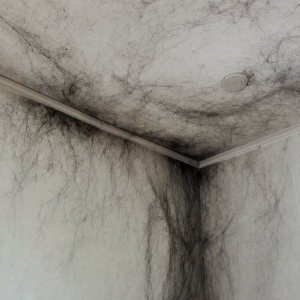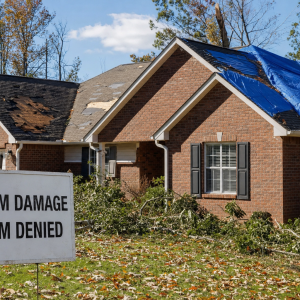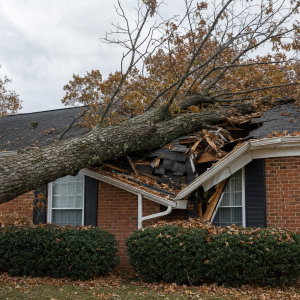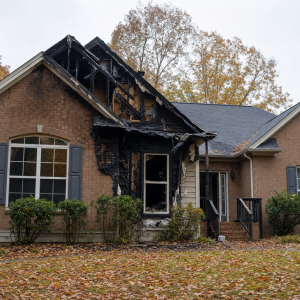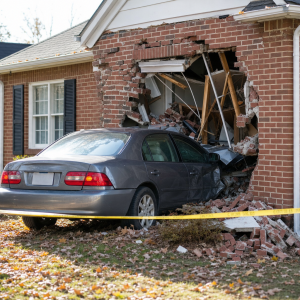
A homeowner in Raleigh watches a windstorm pass, then notices a leak and missing shingles. The insurance adjuster inspects the roof, but weeks later the denial letter blames “wear and tear and lack of maintenance.” The house still needs repairs, and the letter offers little explanation of what failed first or how the insurer reached its conclusion.
When an insurance claim is denied for wear and tear, the dispute is usually about cause, not the age of the roof. The insurer is arguing that gradual deterioration, rather than a covered storm, initiated the damage. In North Carolina and Virginia, where hurricanes and severe storms can complicate damage assessments, that distinction deserves a component-by-component review.
Table of Contents
- When a Storm Damage Claim Gets Called Wear and Tear
- Reading Your Policy Like a Claims Attorney
- How Insurers Build a Wear and Tear Denial
- Building the Evidence File That Wins Appeals
- Drafting an Appeal That Forces a Real Re-Review
- When a Public Adjuster Changes the Outcome
- Escalating to the NC or VA Insurance Department and Beyond
When a Storm Damage Claim Gets Called Wear and Tear
A roof can be old and still sustain new storm damage. The hard question is whether the wind or hail caused the claimed damage, or whether a deteriorated component failed first and allowed water in. A denial that mentions age without explaining the failed material, the observed condition, and the causal sequence leaves important questions unanswered.
Property-insurance law has long distinguished sudden external events from predictable deterioration caused by age, corrosion, decay, faulty materials, or inadequate maintenance. In City of Burlington v. Indemnity Insurance Co. of North America (2003), a federal appellate court explained that ordinary wear and tear isn't fortuitous and that “all-risk” coverage doesn't erase exclusions for inherent or latent defects. A latent defect, in that analysis, is a hidden flaw that customary inspection wouldn't have uncovered. Read the decision in City of Burlington.
That doesn't mean every loss involving an older roof is excluded. If wind creates an opening in a serviceable roof and rain damages the interior, the policy may treat the roof condition and the resulting water damage differently. If deterioration created the opening before the storm, the carrier may argue that the excluded condition started the chain of events. The policy language and evidence determine which explanation fits.
The practical question: What failed first, and what evidence supports that sequence?
For homeowners assessing visible roof damage and planning repairs, a practical roof repair guide for homeowners can help explain repair considerations. For claim-specific storm damage issues, review this guide to disputing an insurance claim for storm damage. Neither resource replaces a close reading of your own policy and the insurer's written reasoning.
Reading Your Policy Like a Claims Attorney
Start with the policy documents, not the denial letter's summary. Gather the declarations page, full coverage form, endorsements, exclusions, conditions, and the insurer's written decision. The declarations page identifies the applicable policy period, limits, and deductible; the remaining forms explain the coverage grant and the restrictions that may affect a specific item.
Find the exact language the insurer cited. Mark references to wear and tear, deterioration, latent defect, ensuing loss, and anti-concurrent causation. These phrases don't resolve a claim on their own. Their meaning depends on the surrounding wording, any exceptions, and the facts the insurer says support its position.

Decoding common exclusion language
| Policy phrase | Plain-English meaning | Evidence that disputes it |
|---|---|---|
| Wear and tear | Gradual deterioration from ordinary use may be excluded. | Dated pre-loss photos, fresh damage patterns, and a specialist's cause-and-origin findings. |
| Deterioration or decay | The insurer may argue the material weakened over time. | Inspection records, maintenance invoices, and evidence identifying new damage after a storm. |
| Latent defect | A hidden flaw may be excluded under the wording. | Inspection findings on whether the defect was discoverable and whether an external event caused separate damage. |
| Ensuing loss | A policy may address resulting damage separately from the excluded condition. | A timeline and itemized scope that distinguish the original condition from later damage. |
| Anti-concurrent causation | Wording may limit coverage when an excluded cause and covered peril contribute together. | Component-specific evidence and a review of the precise clause under the governing policy and law. |
NAIC guidance says a denial should identify the specific policy provision, condition, or exclusion in writing. It also advises policyholders to preserve damaged parts and avoid permanent repairs before inspection when feasible. Review NAIC guidance on understanding insurance coverage.
If policy wording is hard to follow, compare the denial's citations against a guide to reading an insurance policy. Homeowners looking for a separate overview of roof claim considerations can also consult Miami-Dade roof claim guidance, which provides context on roof-related insurance issues.
How Insurers Build a Wear and Tear Denial
An insurer may rely on roof age, visible deterioration, maintenance history, or an inspection that attributes water intrusion to a long-standing opening. Missing shingles may be characterized as worn or improperly maintained rather than wind-damaged. A flashing gap may be treated as evidence that water entered gradually. Those observations can matter, but they don't automatically establish what caused each part of the loss.
The carrier's case should connect the policy exclusion to the actual damage. A roof's age is background information, not a complete explanation of why shingles lifted during a storm. Likewise, proof of a pre-existing defect doesn't by itself show whether a later covered event caused additional physical damage. Read the denial for the specific component, inspection evidence, and causal sequence the insurer relies on.
When the causes overlap
Anti-concurrent-causation wording can make an overlapping-cause dispute more complicated. Depending on the policy language and applicable law, an insurer may argue that damage is excluded when deterioration contributes alongside wind or rain. Don't assume that proving a storm occurred is enough. The response should show what happened to each affected component and address the clause the carrier invokes.
In Solimine v. Massachusetts Property Insurance Underwriting Association (2005), the Massachusetts appellate court found factual disputes over whether water, a potentially covered event, was the active efficient cause of damage. The insurer could prevail if maintenance neglect or deterioration initiated the sequence, but summary judgment was improper where the insurer hadn't established that excluded initiating cause. Read the Solimine decision.
That ruling is from Massachusetts, so it shouldn't be presented as a controlling decision for a North Carolina or Virginia claim. Its practical lesson is narrower: a dispute may turn on evidence about the initiating cause, not a label in a denial letter. Ask the carrier to explain which material failed first, how it determined the failure was gradual, and what evidence supports that conclusion.
Building the Evidence File That Wins Appeals
A useful evidence file answers a sequence of questions: what was damaged, when the damage appeared, what event may have caused it, and how the insurer's explanation compares with the physical evidence. Organize the records by date and by building component. A roofer's estimate may describe the cost to replace materials, but a causation opinion should also explain what the inspection found and why that condition points to a storm or gradual deterioration.
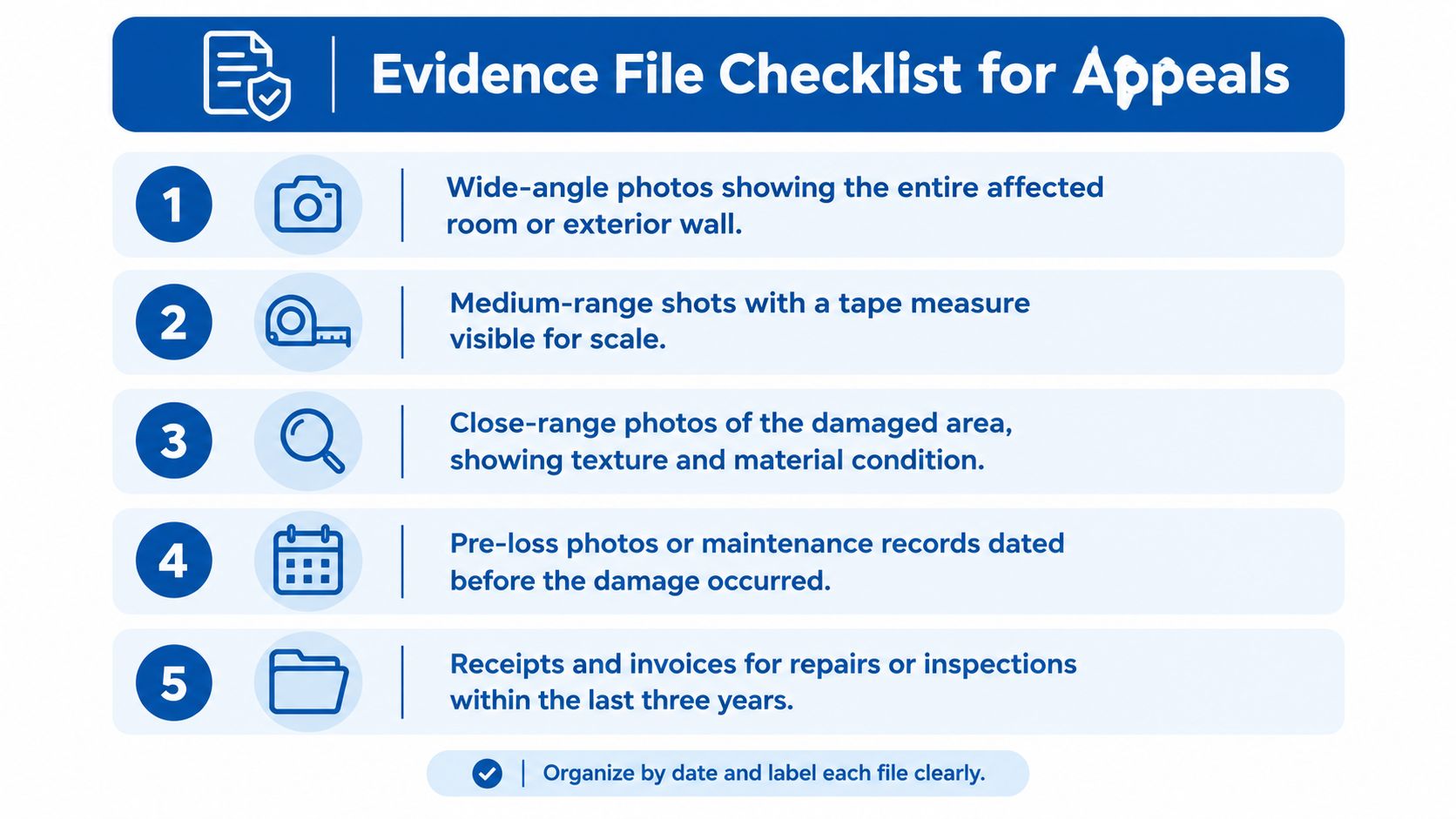
Collect evidence that answers cause, timing, and scope
- Photograph the whole area: Take wide views of the roof slope, exterior wall, or affected room, then medium views that locate the damage and close-ups that show material condition. Include a ruler or other scale where it helps convey size.
- Compare pre-loss condition: Look for dated property photos, listing images, maintenance invoices, permits, and prior inspection reports. These can help show whether a condition existed before the reported event.
- Record the event and discovery: Keep weather records for the date of loss, notes about when the damage was first noticed, and a timeline of inspections and emergency work.
- Document water movement: For water-related damage, preserve moisture maps, drying logs, and findings from the plumber or roofer. Ask the specialist to distinguish newly affected areas from older moisture conditions where the evidence allows.
- Get a focused inspection: Ask a qualified roofer, engineer, plumber, or other relevant professional to describe the observed condition and explain the likely cause, not merely price repairs.
- Separate costs: Use an itemized estimate that distinguishes emergency services, demolition, repair, replacement, code-related work, depreciation, and deductible.
Photographs of fresh impact marks, weather records, pre-loss condition evidence, maintenance receipts, and a written specialist report can help distinguish a covered event from earlier deterioration. Keep communication logs, claim correspondence, expense records, and itemized settlement explanations together. See guidance on documenting a homeowners insurance claim.
Make reasonable temporary repairs to prevent further damage, keep receipts, and preserve removed materials when practical. Avoid permanent repairs before an inspection when feasible, but don't leave the home exposed while waiting. If you're considering an independent roof inspection before calling the adjuster, ask the inspector to document the condition and explain the basis for any opinion about cause.
Drafting an Appeal That Forces a Real Re-Review
A strong appeal doesn't just say the insurer is wrong. It places each damaged item beside the carrier's explanation, the relevant policy language, and the evidence that supports a different conclusion. This makes it harder to answer a specific causation question with a general reference to age or maintenance.
Use a matrix like this as the working document:
| Item | Observed condition | Alleged cause | Insuring agreement | Exclusion cited | Ensuing-loss argument | Evidence | Requested action |
|---|---|---|---|---|---|---|---|
| Roof shingles | Record the location and visible condition. | State the insurer's explanation. | Identify the potentially applicable coverage. | Quote the relevant wording. | Explain whether later damage may be treated separately. | Photos, inspection findings, and weather records. | Request a component-specific review. |
| Interior ceiling | Describe staining or other damage. | Note whether the insurer attributes it to long-term moisture. | Identify the relevant coverage provision. | List the exclusion cited. | Separate the source of water from resulting interior damage. | Moisture findings, repair records, and timeline. | Request a written coverage decision for this item. |
Sample language for your appeal
I'm requesting reconsideration of the denial dated [date] for damage to [specific component]. Please identify the exact policy provision relied on for this item, the failed component you believe initiated the damage, and the inspection evidence supporting that conclusion. The attached photographs, records, and specialist findings indicate [briefly describe the evidence and competing cause]. Please explain whether the resulting damage was evaluated separately under the policy's applicable coverage and ensuing-loss language.
Attach the policy pages, denial letter, photos, invoices, inspection findings, and a line-item estimate. Ask the carrier to respond in writing and address each disputed item rather than repeating a general wear-and-tear conclusion. Keep a dated copy of what you submit and a record of every communication.
The NFIP provides a distinct flood-claim benchmark, not a deadline rule for standard homeowners policies. For NFIP claims, policyholders may appeal a denied or partially denied claim within 60 days of the denial letter, and FEMA typically issues a determination within 90 days after receiving necessary documentation. FEMA's process calls for the denial, policy details, and an issue summary; it also allows an undisputed amount to be paid while disputed items remain unresolved. Review the NAIC document describing the NFIP appeal process. For a private homeowners claim, check your policy and applicable rules for the actual deadlines.
When a Public Adjuster Changes the Outcome
A company adjuster evaluates the loss for the insurer. A public adjuster represents the policyholder. A licensed public adjuster can inspect the property, document damage, prepare a scope and estimate, review policy language, and communicate with the carrier on the homeowner's behalf. That independent review can be useful when the insurer's decision rests on age or maintenance history but doesn't identify how those conditions caused each disputed item.
| Company adjuster | Public adjuster |
|---|---|
| Represents the insurer's interests in evaluating the claim. | Represents the policyholder in documenting and negotiating the claim. |
| Inspects and reports under the carrier's process. | Can prepare an independent inspection record, scope, and estimate. |
| Communicates the insurer's coverage position. | Can challenge that position with policy-specific evidence. |
An independent inspection can address causation more directly than a general contractor estimate alone, particularly when the carrier relies on deterioration. The response should require the insurer to connect the cited exclusion to observed facts, not treat the phrase as an automatic answer. Learn what a public adjuster does.
Consider getting help when the loss is extensive, the property is commercial, storm damage affects multiple components, or the insurer hasn't identified the failed component or supporting inspection evidence. A public adjuster's fee is typically based on a percentage of the recovery, so ask for the fee terms in writing and weigh them against the claim's complexity and disputed scope. An adjuster can't guarantee coverage or a particular settlement.

For The Public Adjusters, Inc. provides no-cost claim reviews and assistance documenting and negotiating property claims in North Carolina and Virginia. Its team handles residential and commercial property losses, including fire, smoke, water, wind, hail, hurricane, and tornado damage, and brings IICRC-certified expertise in fire and water damage. A review can compare the denial with the policy wording, assess whether the damage record supports a different cause, and identify what evidence may still be needed.
Escalating to the NC or VA Insurance Department and Beyond
If a written appeal doesn't resolve the dispute, keep the escalation focused. Submit the denial, relevant policy pages, your appeal, supporting evidence, and the carrier's response to the appropriate state insurance regulator. North Carolina homeowners can contact the North Carolina Department of Insurance; Virginia policyholders can contact the Virginia State Corporation Commission's Bureau of Insurance. Ask the regulator how to submit a complaint and what materials it needs, since procedures and response expectations can vary.
Review the policy for appraisal or mediation provisions before invoking them. Appraisal may address disagreements over the amount of a loss, while a coverage dispute over whether the policy applies may require a different route. If the insurer still won't identify the policy wording, failed component, and evidence behind its wear-and-tear position, a qualified insurance attorney can assess available options. Legal review may be especially important for a substantial commercial loss or a dispute involving overlapping causes.
A denial is a position, not a substitute for a component-specific explanation. Preserve the evidence, answer the insurer's stated reasoning, and track the deadlines that apply to your policy and jurisdiction. If you need help reviewing a wear-and-tear denial, For The Public Adjusters, Inc. offers claim reviews and support with inspection, documentation, estimating, and communication with the carrier.
Review the Financial Ombudsman's explanation of how an insurer's exclusion may be assessed.
For The Public Adjusters, Inc. can review your denial, inspect property damage, and help document a component-by-component response for claims in North Carolina and Virginia. Visit For The Public Adjusters, Inc. to learn about a no-cost claim review and discuss your next steps, or call 919-400-6440 to speak with a licensed public insurance adjuster.