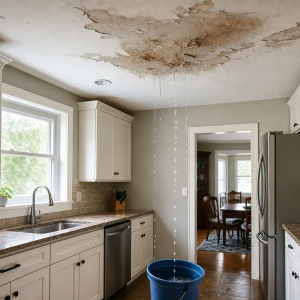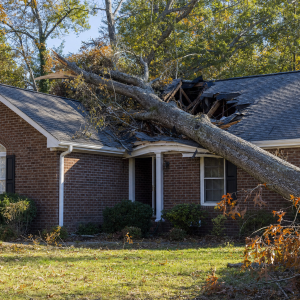

Homeowners Insurance Dwelling Coverage: If a fire damages your home, homeowners insurance dwelling coverage pays to repair or rebuild the physical structure, but only if you understand what Coverage A includes and how your policy values losses. Coverage A typically pays for exterior and interior walls, roof systems, foundations, built-in appliances, and permanent systems up to the dwelling limit on a replacement-cost basis. Replacement cost lets you rebuild without depreciation, while actual cash value subtracts depreciation at settlement. Check whether your policy includes guaranteed or extended replacement cost and whether the coinsurance rule, often 80 percent, applies, because insufficient coverage can reduce your payout.
Coverage A (dwelling) covers the structural “bones” of your home, including exterior and interior walls, floors, roofs, built-ins, and permanent systems. The coverage usually includes attached garages, chimneys, HVAC equipment, electrical and plumbing when damaged by a covered peril, but it excludes preexisting wear, gradual deterioration, and hidden defects. Document each element separately so your scope of loss clearly supports the work needed to rebuild; a clear scope helps prevent disputed line items during adjustment.
Fire losses often combine direct flame, smoke and soot intrusion, and water from firefighting, and each element requires a distinct scope of work. Photograph smoke and soot damage and record water mitigation separately since trades, materials, and code requirements differ. Expect payments for debris removal and emergency temporary repairs, and file contents (Coverage C), loss of use, and other structures (Coverage B) claims together so the insurer sees the full loss picture.
What you need to know
Start with the basic coverage buckets so you know where to file each portion of a loss. Coverage A pays for the home’s structure after a covered peril; Coverage B covers detached structures such as garages and sheds; Coverage C handles personal property. Knowing these buckets prevents missed or misfiled claims when you submit estimates and photos to the insurer. For a concise checklist of initial recovery steps after a fire, see From the Ashes: First Steps to Take After a Fire, For The Public Adjusters.
Document damage immediately: photograph flame, smoke, soot, and firefighting water, save the fire report and receipts, and log temporary repairs to preserve your scope of loss. Timely evidence preserves timestamps and helps rebut maintenance or preexisting condition claims. Keep a dated log of who performed mitigation work and why, including contractor names and license numbers.
What homeowners insurance dwelling coverage pays for after a fire
 Coverage A pays to repair or rebuild the physical structure, and that typically includes exterior and interior walls, the roof system, floors and ceilings, the foundation, built-in appliances, and permanent systems such as HVAC, electrical, and plumbing. Insurers normally exclude deterioration that predates the fire, so carriers will limit or deny payment for damage attributed to long-term neglect. If a contractor documents long-term issues, expect the insurer to reduce payment for that portion of the loss.
Payments commonly include debris removal and temporary emergency repairs such as boarding and tarping, and ordinance-and-law provisions may cover code upgrade costs needed to rebuild. For practical guidance on handling the scope and documentation for structural repairs after a fire, review Navigating a Fire Damage Insurance Claim. Contents losses (Coverage C) and additional living expenses are separate claim buckets that should be filed at the same time, while Coverage B handles detached garages, fences, and sheds. Keep organized estimates and photographs for each bucket so your scope separates structural work, contents, and ALE clearly.
Common exclusions and fire claim pitfalls homeowners miss
Homeowners often assume fire damage will be paid in full and then discover exclusions or policy conditions that reduce or deny payment. Identify common coverage gaps up front so you can document effectively and decide whether an endorsement or separate policy is necessary. Early clarity prevents surprises during settlement negotiations.
Peril exclusions can be a shock at claim time: flood and earthquake are normally not covered under a standard homeowners dwelling policy unless you bought separate insurance. Insurers also exclude gradual problems such as wear and tear, long-term leaks that produce mold, and infestation, and they will scrutinize maintenance histories. If an adjuster cites neglect, respond with dated photos, repair receipts, and recent inspection reports to rebut those allegations.
Ordinance and law gaps frequently create the largest surprise bills when you rebuild because standard policies often limit or omit the cost of bringing a rebuilt home up to current code. Required upgrades such as sprinkler systems, seismic bracing, or accessibility modifications can add thousands to the rebuild total and are covered only with an ordinance-and-law endorsement or higher limits. Compare any endorsement to your dwelling limit so you understand caps and sublimits before you start work.
Certain conditions invite denials or heavy reductions: long vacancy, intentional acts, arson, fraud, and failures to mitigate further damage. Delaying mitigation work or hiring unlicensed contractors can convert a valid fire loss into a contested claim, so preserve mitigation receipts, contractor licenses, and time-stamped photos. Getting mitigation work orders signed and dated helps show you acted to minimize ongoing damage.
Immediate documentation checklist after a fire to support your dwelling loss
- Prioritize safety: follow emergency responders’ instructions, obtain medical attention if needed, and do not re-enter the home until authorities clear it.
- Obtain the official fire department report and any incident logs; keep copies for your adjuster and the insurer because the fire report is core evidence when you file a homeowners insurance dwelling coverage claim.
- Start a photo and video protocol before cleanup or repairs: take wide exterior shots from multiple angles, then room-by-room wide shots followed by closeups of structural damage, burned framing, and damaged systems; preserve original files and metadata.
- Name and store files so a claims adjuster can follow your evidence easily—use a simple convention (for example, 20260312_LivingRoom_Wide.jpg), keep an indexed spreadsheet linking filenames to notes, dates, and locations, and back up files to at least two locations.
- Collect and record receipts, invoices, and temporary repair records (tarping, boarding, emergency work), motel and meal expenses, and initial contractor estimates; for each, note date, contractor name, license number, phone, and brief scope of work, and take before-and-after photos of temporary repairs.
For a local example of how homeowners used a public adjuster to preserve documentation and recover a fair payment after a fire, see NC Homeowner Obtains Fire Claims Public Insurance Adjuster.
How to calculate the correct dwelling limit using replacement cost logic
Avoid a rebuild shortfall by understanding the difference between replacement cost, actual cash value, and market value. Replacement cost is the amount to rebuild your home with similar materials and workmanship, ACV deducts depreciation from that number, and market value reflects what a buyer would pay for the property and land. For Coverage A you want a dwelling limit that matches reasonable replacement cost so your policy will cover rebuilding after a total loss, not market value or an ACV ceiling. For a plain-language overview of what dwelling insurance covers, review this what is dwelling insurance explainer.
Insurers that pay on a replacement-cost basis reimburse actual repair or rebuild costs and allow you to reclaim withheld depreciation once repairs are completed and documented. Some policies offer guaranteed or extended replacement cost, which provides a buffer above the stated dwelling limit, while others require you to meet the coinsurance rule, often set at 80 percent, to avoid penalties. Aim to insure to replacement cost so you can rebuild without surprise shortfalls when material and labor invoices are submitted.
Use a repeatable formula: living area square footage times your local rebuild cost per square foot, then add rounded allowances for basements, garages, foundations, and custom finishes. Typical add-ons include finished basements, detached or attached garages, high-end kitchen or bath upgrades, site work, and code upgrade costs. Example calculation: 2,400 sq ft × $160 per sq ft = $384,000; add $30,000 for a finished basement, $20,000 for a two-car garage, and $25,000 for site and code upgrades for a working rebuild estimate of $459,000. If you want a quick sanity check on your estimated rebuild costs, try a homeowners insurance calculator such as the one from Progressive to compare your numbers against typical rebuild assumptions (homeowners insurance calculator).
Regional factors change per-square-foot rates: local labor markets, building codes, hurricane or seismic requirements, and material shipping costs all matter. In coastal or hurricane-exposed counties you may need higher per-square-foot allowances for wind-rated windows and elevated foundations. Commission a licensed rebuild appraisal or structural engineer when you have a custom design, significant elevation or site challenges, historic construction, or if your calculation is close to policy limits.
How the coinsurance rule can reduce your fire payout and how to avoid it
The coinsurance rule requires you to insure a percentage of your home’s replacement cost, usually 80 percent, to avoid a scaled payout after a loss. The formula is (insurance carried ÷ insurance required) × loss amount, minus your deductible, so if your Coverage A limit falls short the insurer reduces the claim payment proportionally. That scaling can create a large out-of-pocket gap for the homeowner if limits are not updated after renovations or material cost increases. Read more about the 80 percent coinsurance rule and its practical effects on claim payments.
Worked example: if the rebuild cost at the time of loss is $300,000 and the policy requires 80 percent, insurance required equals $240,000. If you carry only $150,000 and suffer a $100,000 fire loss with a $2,500 deductible, the insurer pays (150,000 ÷ 240,000) × 100,000 = $62,500, then subtracts $2,500 for a net payment of $60,000. That leaves you responsible for the remaining $40,000 of the loss, which shows how underinsuring creates real dollar risk.
Inflation, recent upgrades, and timing change the insurance required number because replacement cost is measured at the time of loss. Rising material and labor costs or a new kitchen remodel increase rebuild cost, so your dwelling limit can lag behind reality if not reviewed regularly. Consider an inflation-guard endorsement so your policy tracks rising construction costs automatically and reduces the chance of coinsurance penalties.
Update limits after major renovations and keep invoices and permits to prove increased rebuild cost. Consider extended or guaranteed replacement cost to provide a buffer above the dwelling limit. Ask your insurer for an agreed value or commission an appraisal for custom or unique builds to avoid underestimation. Schedule an annual policy review with a public adjuster or your insurance agent to confirm your dwelling limit keeps pace with market changes.
Endorsements that prevent rebuild shortfalls: extended, guaranteed and ordinance coverage
Endorsements close gaps that a standard policy may leave open when rebuilding costs surge after a loss. Read your declarations page carefully to understand caps, sublimits, and when an endorsement applies to your homeowners insurance dwelling coverage. Knowing the specific limits prevents unwelcome surprises during settlement negotiations.
Extended replacement cost pays a fixed percentage above your policy limit, commonly 20 to 50 percent, and protects you when local rebuilding costs jump after a loss. Guaranteed replacement cost is broader and may cover the full cost to rebuild regardless of the stated limit, subject to policy language and availability in your state. For a helpful comparison of guaranteed versus extended replacement cost, review a specialty insurer’s breakdown to see trade-offs and likely availability in your region.
Ordinance-and-law coverage handles demolition, required code upgrades, and the extra materials or workmanship needed to meet current building codes where a standard policy stops. For example, if local code requires sprinkler retrofits or structural bracing, the added costs can be significant and may exceed typical limits without this endorsement. Carriers commonly offer this coverage as a percentage add-on or a separate sublimit, so choose higher limits if your area has recent code changes or many older homes.
Inflation guard raises limits automatically with construction-cost indexes and is either built in or available as an inexpensive endorsement you should not skip. Detached buildings and specialty items need attention too because many insurers use 10 percent of the main limit as a baseline for outbuildings, so add coverage if your garage or workshop has high rebuild value. Use scheduled personal property for jewelry, fine art, and other high-value items, and review options with a public adjuster or agent to align premiums with realistic rebuild scenarios.
Protect your dwelling and start your claim with confidence
Fire losses affect a home in multiple ways: flame, smoke, soot, and water often combine to increase repair costs and complicate coverage. Homeowners insurance dwelling coverage pays for the physical structure but has limits and exclusions you need to identify early. Key actions are straightforward: document everything immediately—photos, the fire report, receipts, and your policy—and flag exclusions that could reduce or deny payment.
Gather your policy, current photos, the fire department report, and any contractor estimates, then request a free claim review from For The Public Adjusters, Inc. Our licensed, IICRC-certified adjusters serve homeowners and businesses in North Carolina and Virginia and build detailed scopes and estimates that insurers cannot ignore. We work on a contingency fee basis, so you pay nothing unless we recover money for you. Take this one concrete step today to protect your right to a full dwelling settlement.
Last updated: March 28, 2026